
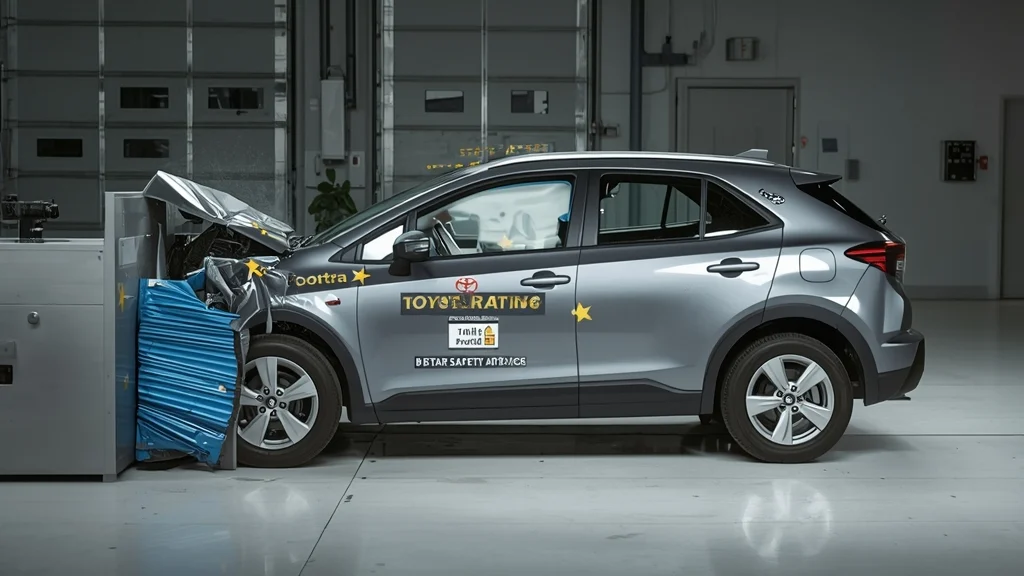
The Toyota Corolla Cross receives only a 2‑star adult safety rating in Africa due to missing side curtain airbags. Learn why safety standards matter and what buyers can expect.
Global NCAP’s latest crash‑test results have sparked a fresh debate over vehicle safety in emerging markets. The mid‑size B‑segment SUV, Toyota Corolla Cross, earned just a 2‑star rating for adult occupants in its African market version – a score that falls far short of what drivers expect from a globally recognised nameplate.
Why the rating is so low
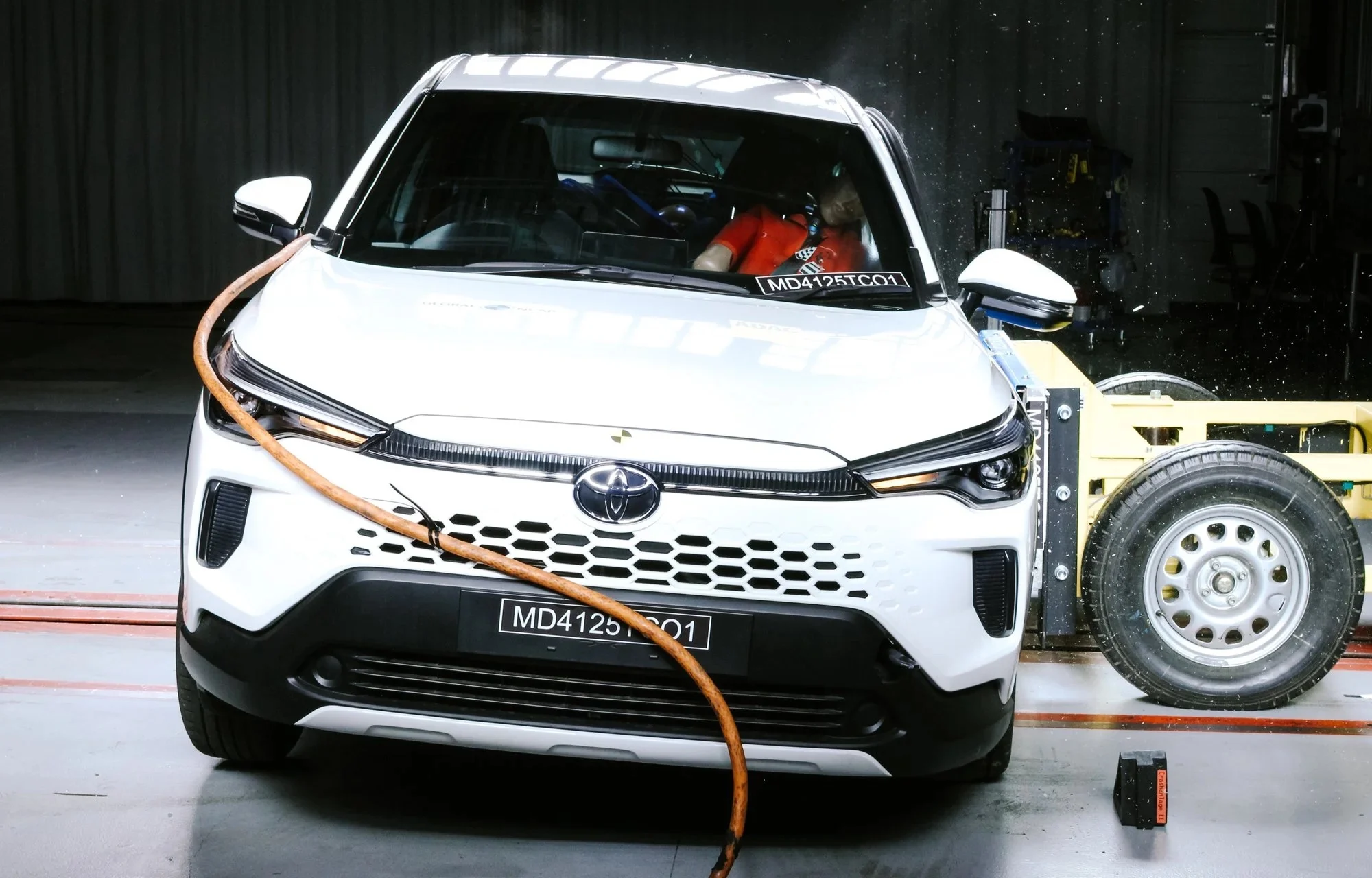
The most glaring shortfall isn’t the car’s structural integrity; it’s the complete absence of side curtain airbags. These airbags protect the head in side‑impact collisions, a safety feature that is now standard in many regions. Without them, the vehicle could not even be subjected to the side‑pole impact test, a key assessment for head‑injury risk.
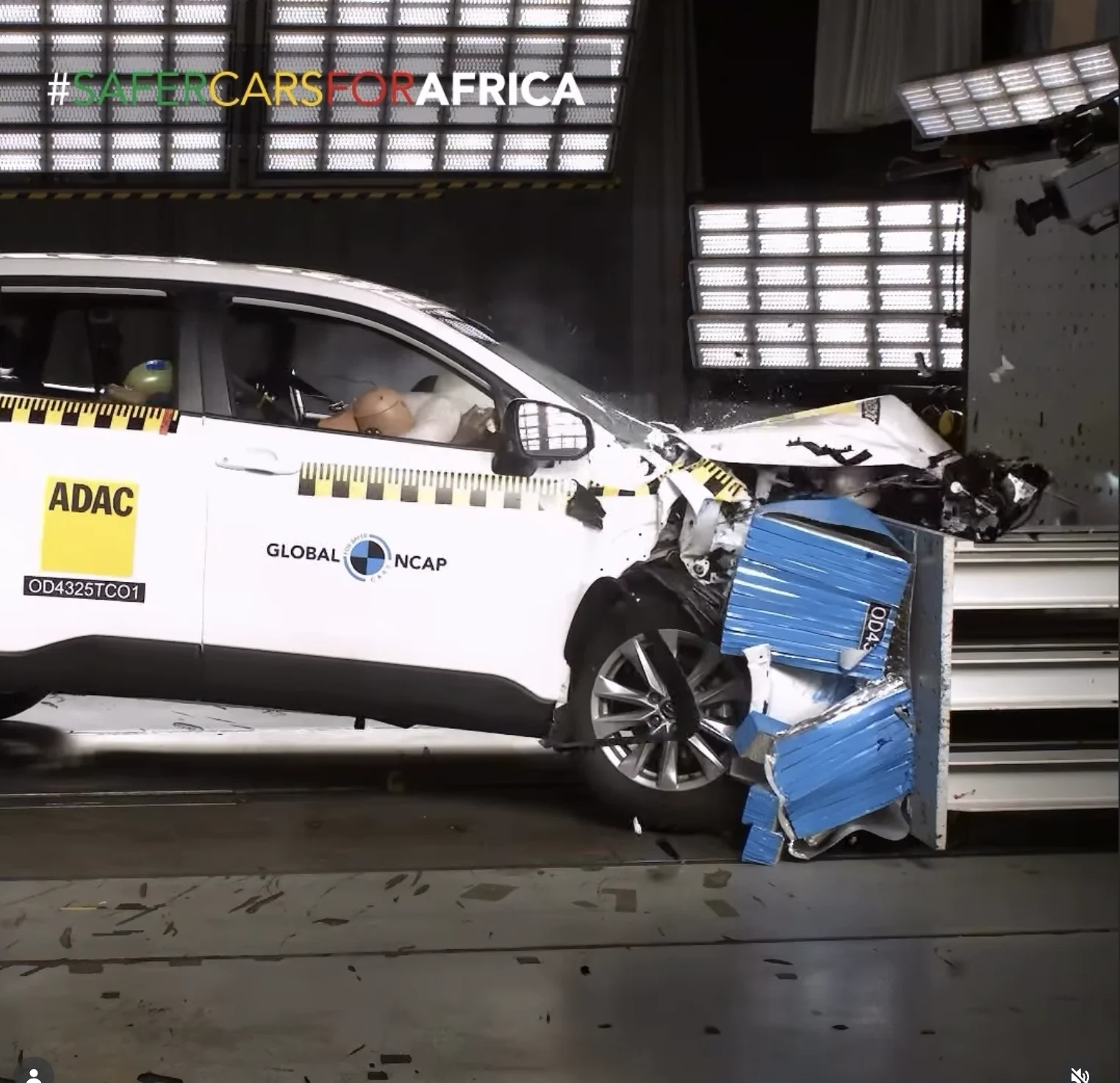
In the frontal crash test, the Corolla Cross performed adequately – the passenger compartment remained stable and the head, neck and chest of the driver and front passenger received acceptable protection. However, the footwell area was rated as unstable, pulling down the overall adult‑occupant score.
Side‑impact performance without curtain airbags
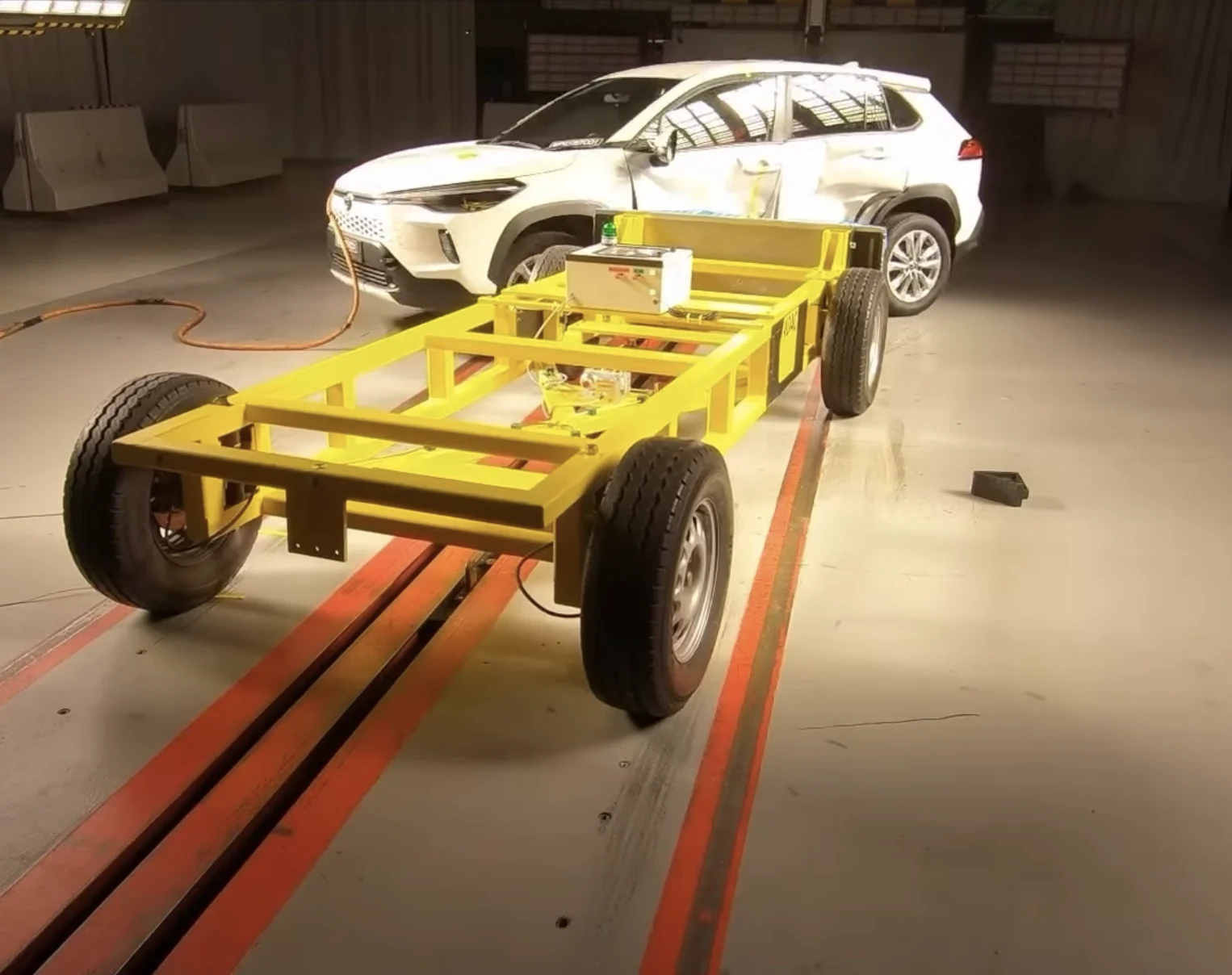
When the vehicle was slammed from the side, protection for the abdomen and hips was decent, but chest protection was only marginal. The lack of curtain airbags meant the test could not evaluate head‑injury risk against a pole, which is one of the most severe side‑impact scenarios. This omission directly contributed to the low overall rating.
Child‑occupant safety
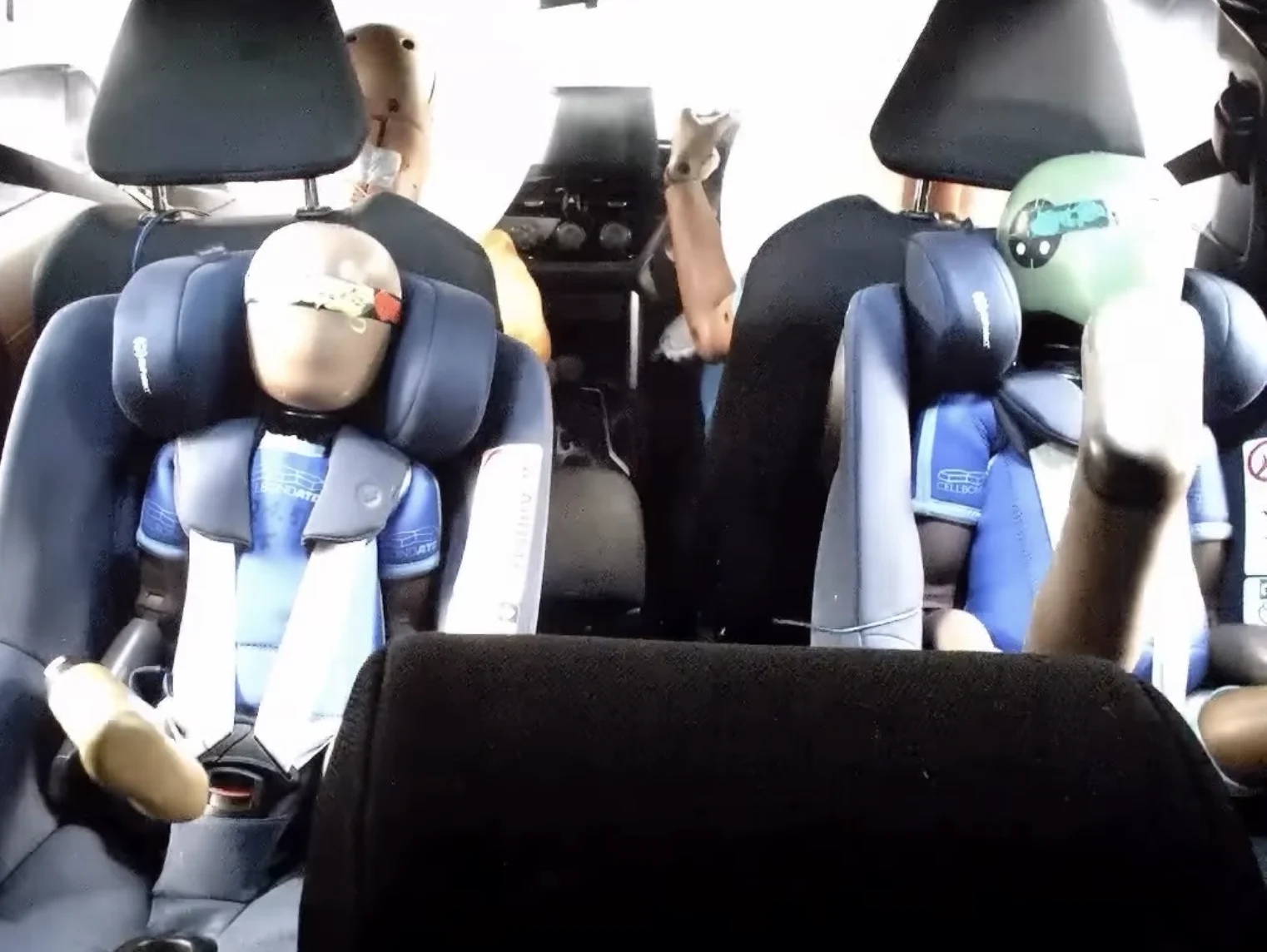
The Corolla Cross earned 3 stars for child‑occupant protection – a modest result that still leaves room for improvement. In certain test scenarios, a three‑year‑old dummy’s head was exposed, and the vehicle does not feature an automatic front‑passenger airbag cut‑off, a crucial safety function when a rear‑facing child seat is installed.
Industry reaction
Global NCAP made it clear that there is no technical justification for omitting side curtain airbags on a model as recent and widely sold as the Corolla Cross. The organisation stressed that African consumers deserve the same level of protection offered in developed markets.
The South African Automobile Association echoed this sentiment, urging manufacturers to adopt uniform safety standards regardless of market. The association highlighted that the Corolla Cross is assembled locally in South Africa yet still falls short of basic safety expectations.
What this means for buyers
Safety is becoming a decisive factor in car purchasing decisions worldwide. A 2‑star rating is likely to influence consumer confidence and could pressure Toyota and other manufacturers to upgrade safety equipment across all variants sold in Africa.
Potential buyers should verify whether a specific trim includes side curtain airbags and consider supplementary safety accessories, such as child‑seat‑compatible airbag systems.
Broader implications
The Corolla Cross case underscores a persistent disparity in safety specifications between regions. As regulators and safety advocates push for harmonised standards, automakers may need to reassess their market‑specific strategies to avoid reputational damage and meet growing consumer expectations.
For now, the onus is on buyers to stay informed, and on manufacturers to ensure that safety is never a market‑dependent trade‑off.