

A Florida driver sues Toyota for secretly sharing driving data with Progressive, raising insurance premiums. Learn the facts and what it means for your privacy – read now.
Philip Siefke, the owner of a 2021 Toyota RAV4 in Florida, has filed a lawsuit against Toyota, Progressive Insurance, and a data‑analysis firm, alleging that the automaker secretly monitored and sold his driving habits.
How the dispute began
While reviewing his insurance policy with Progressive, Siefke discovered a detailed report of his recent driving patterns – even a hard‑brake event that occurred just the day before. The insurer used that information as justification for raising his premium, despite Siefke never being told his vehicle was under surveillance.
The lawsuit’s core accusations
According to the complaint, Toyota collected GPS location data and telematics‑derived driving behavior through its connected‑car services. The automaker then “leaked” this data to third parties without clear, informed consent from the driver. “The car may not know who’s behind the wheel, yet the data is being weaponised against the owner,” argued Siefke’s attorney, calling the process “opaque and deceptive.”
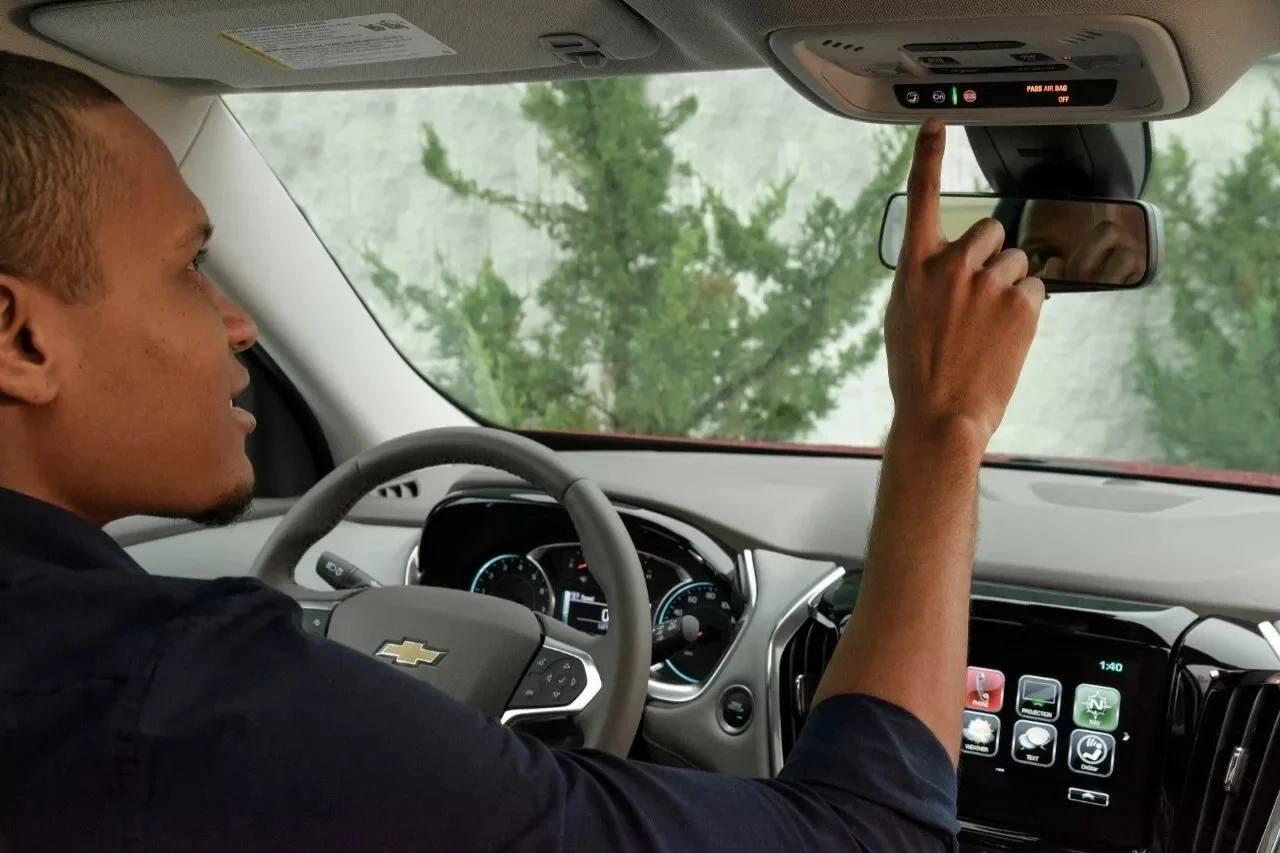
Siefke acknowledges that he clicked “Accept” on the terms of service in 2021 and again in 2024, but his lawyers contend that Toyota designed the consent flow to be intentionally confusing, preventing users from understanding the privacy trade‑offs they were making.
Industry‑wide fallout
Toyota’s case is not isolated. Earlier this year, the U.S. Federal Trade Commission (FTC) issued a sweeping injunction against General Motors and its subsidiary OnStar, banning the companies from selling customers’ location and driving‑behavior data for five years. The FTC investigation revealed that GM had shared data from millions of vehicles via a feature called “Smart Driver,” often without clear disclosure.
Why it matters in the age of connected cars
Telematics technology was marketed as a safety and rescue tool, yet it is increasingly becoming a revenue stream for automakers. Experts warn that without strict regulations governing data ownership and transparency, the only way for consumers to protect their privacy may be to stick with older, non‑connected models.
What drivers can do now
- Review the privacy settings in your vehicle’s connected‑car app and opt out of data sharing where possible.
- Read the fine print of service agreements carefully, noting any clauses about data usage.
- Consider reaching out to your insurer to understand how your driving data influences premium calculations.
- Stay informed about upcoming legislation that could affect automotive data rights.
The outcome of Siefke’s lawsuit could set a precedent for how automakers handle driver data and how insurers may legally use that information. As connected vehicles become the norm, the balance between innovation and privacy will be a pivotal issue for drivers worldwide.