
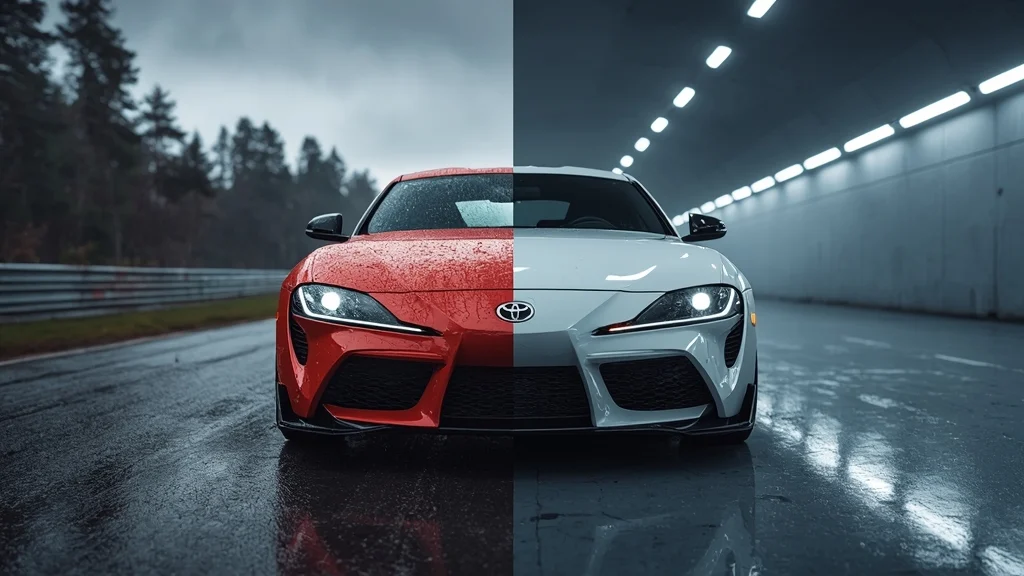
Discover how Akio Toyoda turned a ban on using the Toyota name into the powerful independent brand Toyota Gazoo Racing. Read more now!
In 2007, Toyota’s chairman Akio Toyoda stepped onto the legendary 24 Hours of Nürburgring circuit – not under the Toyota badge, but under a pseudonym. That moment sparked a journey that would reshape the Japanese automaker’s performance image and culminate in the creation of an independent brand: Toyota Gazoo Racing.
The 2007 Nürburgring Ban
When Toyoda entered the grueling 24‑hour endurance race, the board of directors refused to allow the Toyota name on the entry. The rationale was simple: motorsport was still viewed as a peripheral activity, and the company did not want its corporate brand linked to an “individual” racing effort.
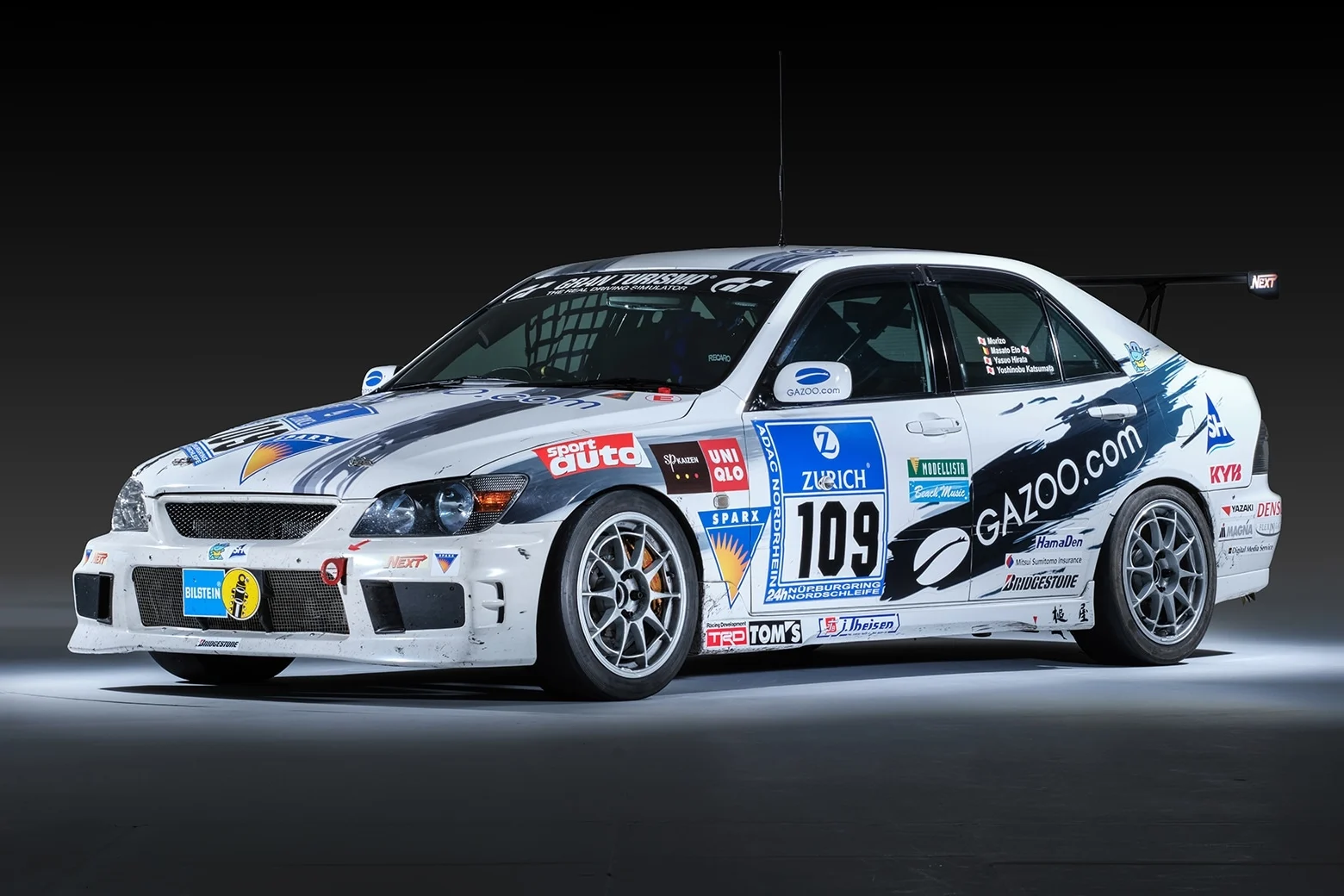
Deprived of the Toyota badge, Toyoda registered his team as Team Gazoo and raced under the alias “Morizo”. The name Gazoo originated from an internal Toyota website that sold used cars – a humble, almost ironic, starting point for a future global performance sub‑brand.
From Morizo to Gazoo
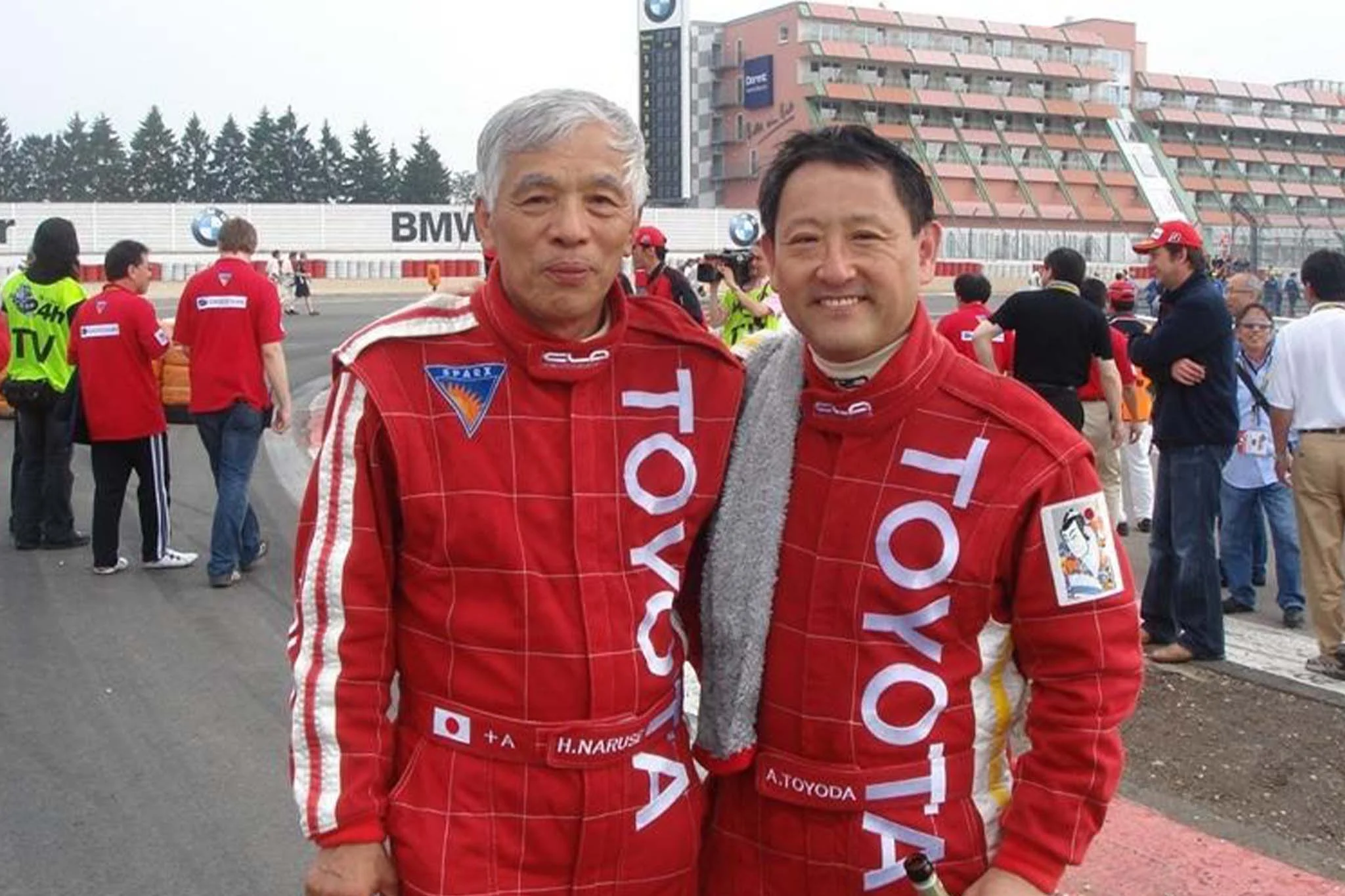
Behind the wheel of a specially tuned Toyota Altezza, Toyoda teamed up with master driver Hiromu Naruse. Together they completed the full 24‑hour stint, demonstrating personal determination but also exposing a stark reality: Toyota lacked a competitive sports car to match Europe’s seasoned manufacturers.
The experience left Toyoda feeling “confronted” – a sense that Toyota could not yet produce a car capable of challenging the best at Nürburgring. That sting became the catalyst for change.
Lexus LFA: A Turning Point
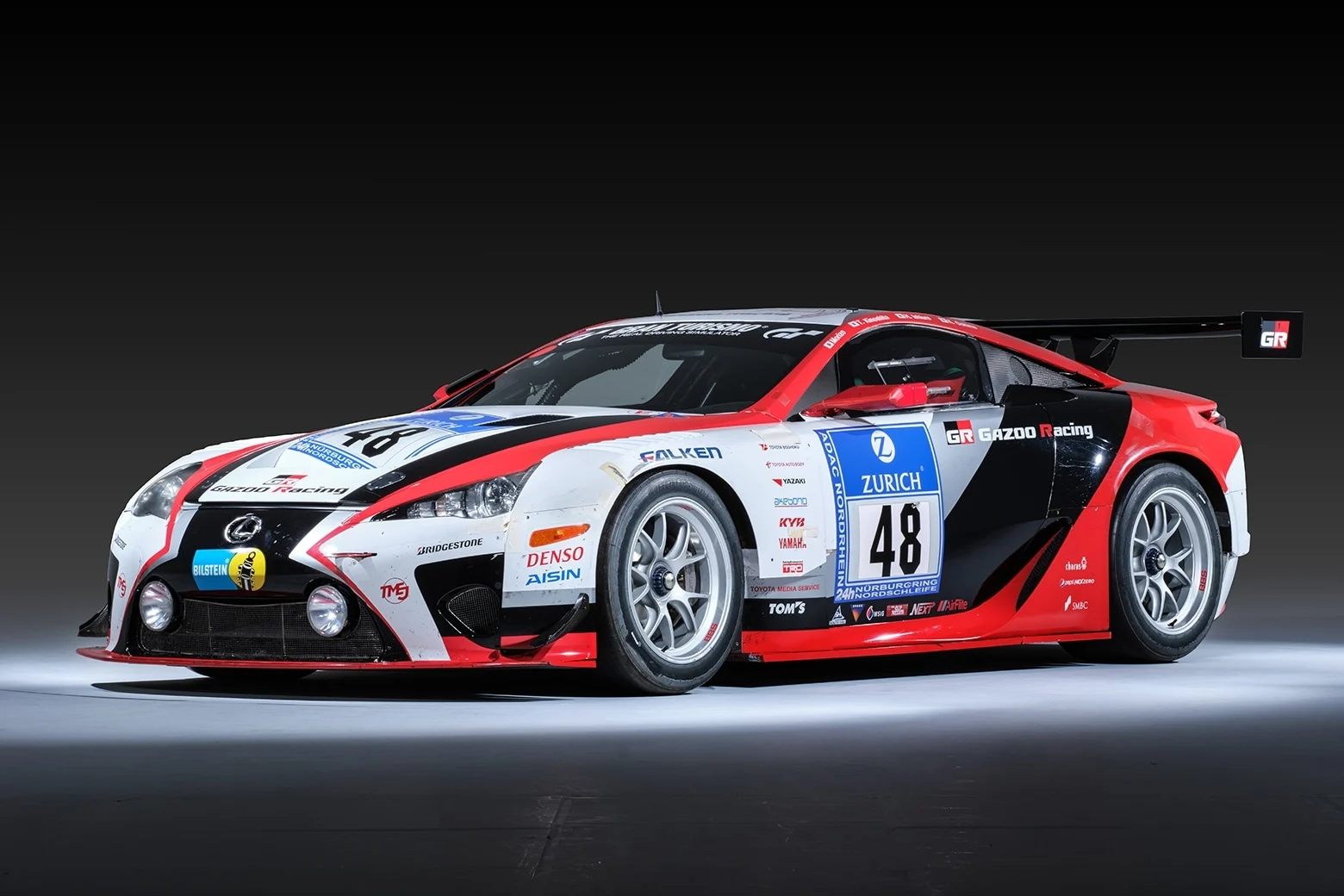
Three years later, Toyoda green‑lit the legendary Lexus LFA, a V10‑powered supercar built entirely in‑house. The project faced massive technical hurdles and internal skepticism, compounded by the tragic death of Hiromu Naruse in a road accident near Nürburgring just before the LFA’s debut.
Despite the setbacks, the LFA proved that Toyota could engineer a world‑class performance machine, reigniting the company’s ambition in high‑performance engineering.
Building the GR Lineup
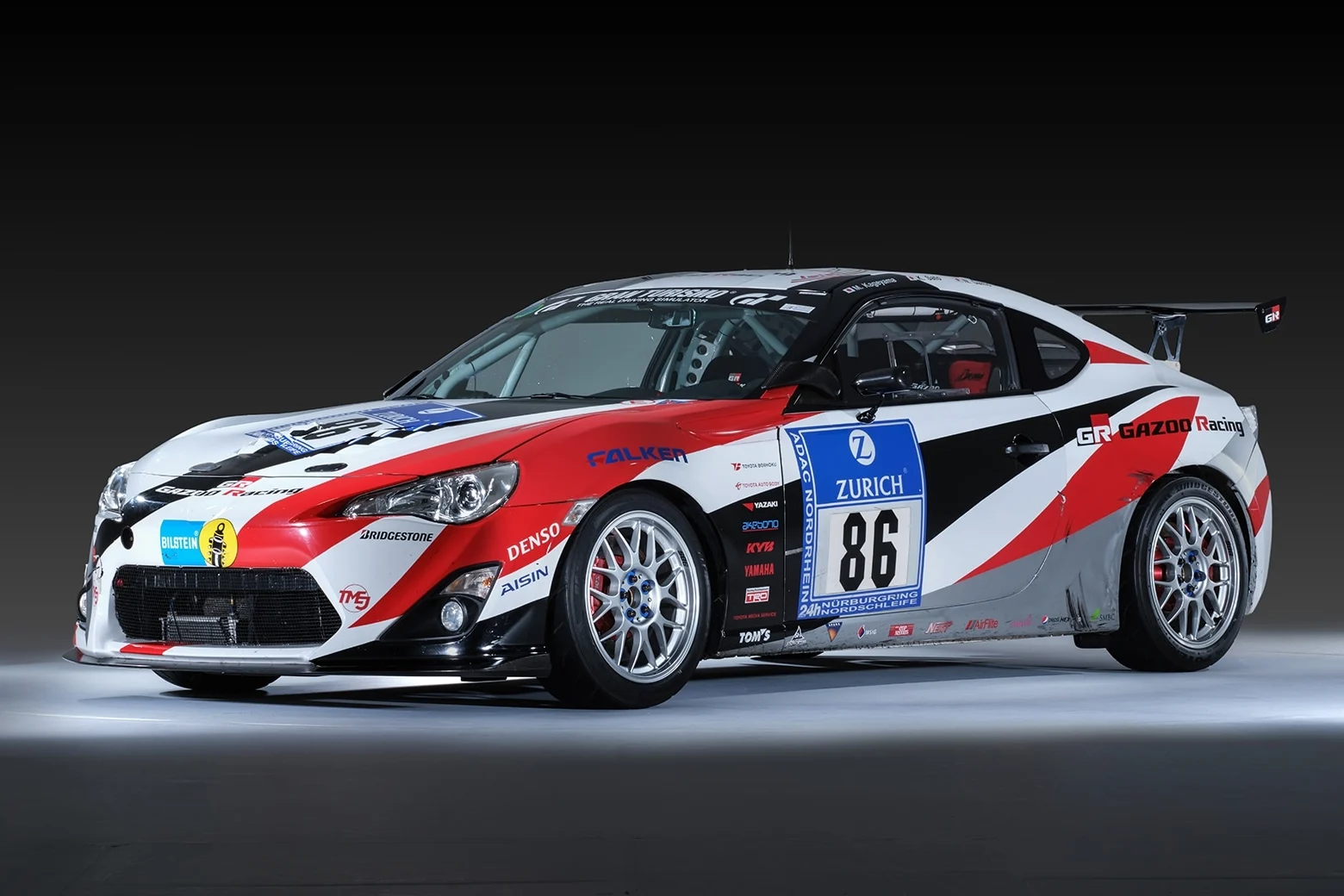
Buoyed by the LFA’s success, Toyota launched a series of collaborative sports models: the GT‑86 (co‑developed with Subaru) in 2012 and the GR Supra (partnered with BMW) in 2019. Each model started life as a “non‑official” project, yet they gradually became core pillars of Toyota’s product strategy.
Gazoo Racing Goes Solo
In 2015, Toyota consolidated all its motorsport activities under the umbrella of Toyota Gazoo Racing. What began as a “team without the brand name” evolved into a fully funded, separate division with its own budget and executive support.
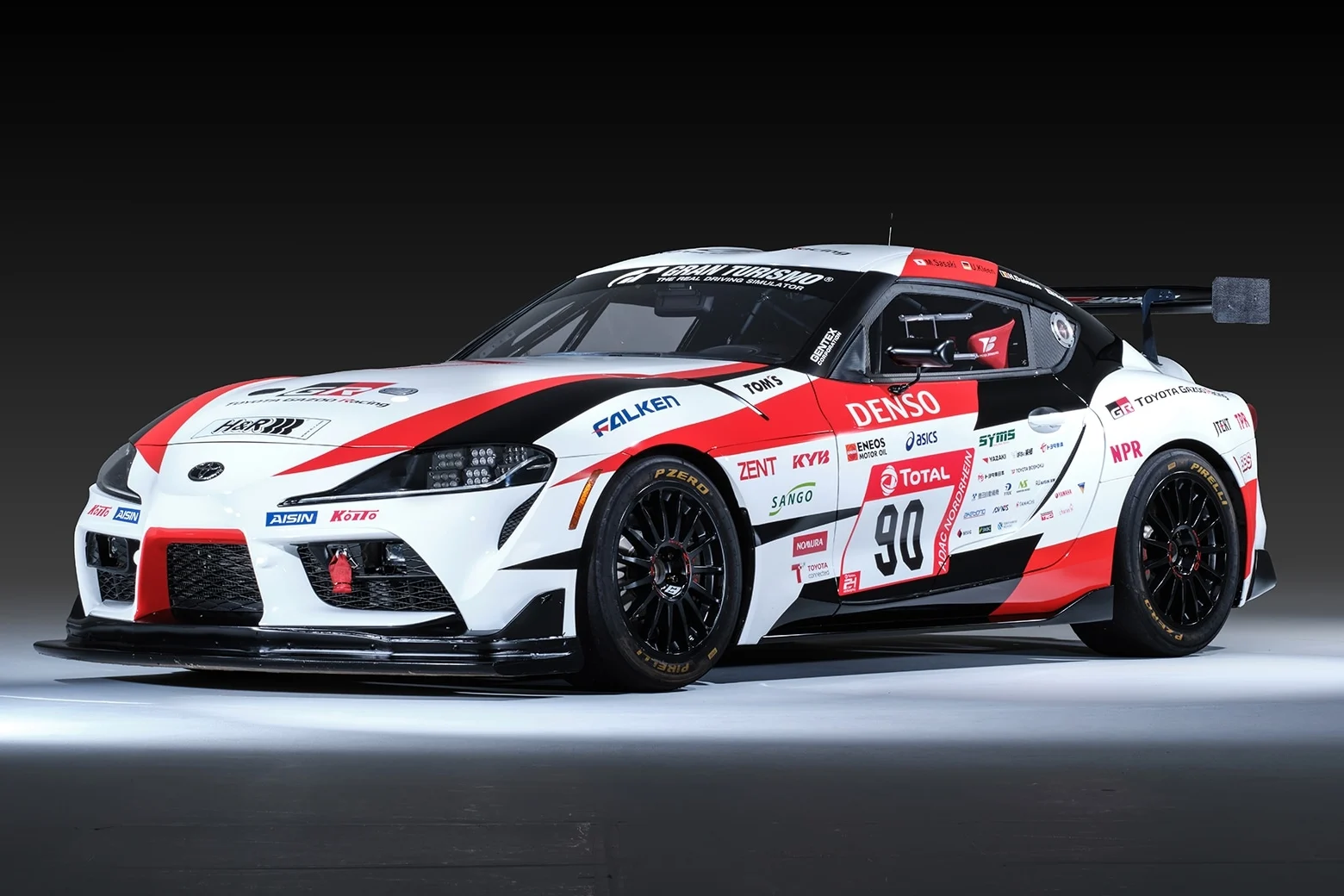
Fast forward to 2023, and the group took the bold step of stripping the Toyota badge from its racing arm altogether, allowing Gazoo Racing to exist as an autonomous marque alongside Lexus, Daihatsu, and Century. The current GR portfolio spans the GR Yaris, GR Corolla, GR 86, GR Supra, and the upcoming GR GT supercar. Future concepts such as the GR Celica and even a modern GR MR2 are already in the pipeline.
The Legacy of a Forbidden Name
What started as a corporate prohibition has become a symbol of resilience and innovation. Akio Toyoda’s determination to turn denial into drive gave birth to a brand that reflects Toyota’s sporty DNA while operating independently from the parent company.
Today, Gazoo Racing stands as a testament to the power of “Morizo” – a nickname once forced upon a chairman, now celebrated worldwide as the engine behind Toyota’s performance renaissance.