
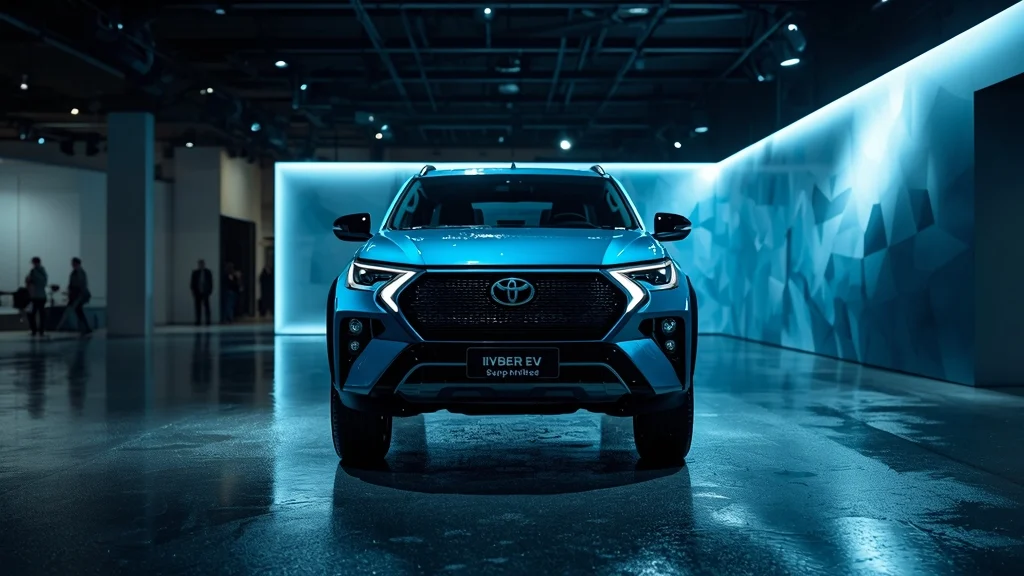
Discover Toyota’s new Hilux EV, an electric pickup launched in Europe with hybrid and pure‑electric options. Learn specs, range, and why it may stay out of Vietnam. Read more now!
European Debut at Brussels Motor Show
At the recent Brussels Motor Show, Toyota unveiled the ninth‑generation Hilux for the European market. The lineup includes a 2.8 L diesel mild‑hybrid and, for the first time, a fully electric Hilux BEV. Both variants had already appeared in select Asian markets, but their arrival in Europe signals Toyota’s intent to meet stricter emissions rules across the continent.
Powertrain Choices
While the electric version steals the headlines, Toyota is not abandoning its proven diesel heritage. The 2.8 L diesel mild‑hybrid delivers 201 hp and remains available in many European countries, with some markets still offering a non‑hybrid diesel option. In the UK and most of Europe, the 48 V diesel hybrid is expected to stay as the work‑horse model, thanks to a payload of 1,000 kg and a tow rating of up to 3,500 kg.
The Hilux BEV is aimed at fleet customers who prioritize operating cost and tax benefits. It packs a 59.2 kWh battery and dual electric motors—205 Nm on the front axle and 268 Nm on the rear—providing permanent four‑wheel drive.
Range and Performance
According to Toyota’s WLTP figures, the electric Hilux can travel roughly 258 km on a single charge, with an optimistic urban range of about 380 km. Compared with other electric pickups on the market, this range is modest, which is why analysts doubt the model will reach Vietnam anytime soon. The local market is slated to receive the new generation with diesel power only.
Off‑Road Capability Retained
Despite the switch to electricity, the BEV keeps the Hilux’s iconic body‑on‑frame construction, a 212 mm ground clearance and water‑fording depth of up to 700 mm. An exclusive off‑road drive mode leverages instant torque and regenerative braking. However, payload drops to 715 kg and maximum towing declines to 1,600 kg—significantly lower than the internal‑combustion models.
New Design Language – “Cyber Sumo”
Both the hybrid and electric versions showcase Toyota’s new “Cyber Sumo” styling, developed by the Australian design team. The look features bold, squared‑off surfaces and a modern, large‑pickup silhouette. The electric version is distinguished by a closed‑mesh grille and a refreshed front bumper.
Tech‑Rich Interior
The cabin receives a major upgrade: a 12.3‑inch digital instrument cluster, a central touchscreen of similar size, and a steering wheel borrowed from the latest Land Cruiser. While the vehicle is equipped with a full suite of electronic safety systems, Toyota retains many physical buttons for everyday functions, keeping the user experience familiar.
Market Roll‑Out
Toyota plans to start selling the new Hilux in the UK from June, with pricing set to be higher than the outgoing model. Exact price details will be released in the coming months. Given the limited electric range and reduced payload, the BEV is expected to remain a niche offering in Europe, and it is unlikely to be introduced to Vietnam in the near term.
What’s Next for the Hilux?
Beyond the battery‑electric version, Toyota is already testing a hydrogen‑fuel‑cell Hilux, underscoring a multi‑path strategy for the pickup’s electrification. The brand aims to keep the Hilux relevant for both traditional work‑site customers and the emerging eco‑conscious fleet market.