
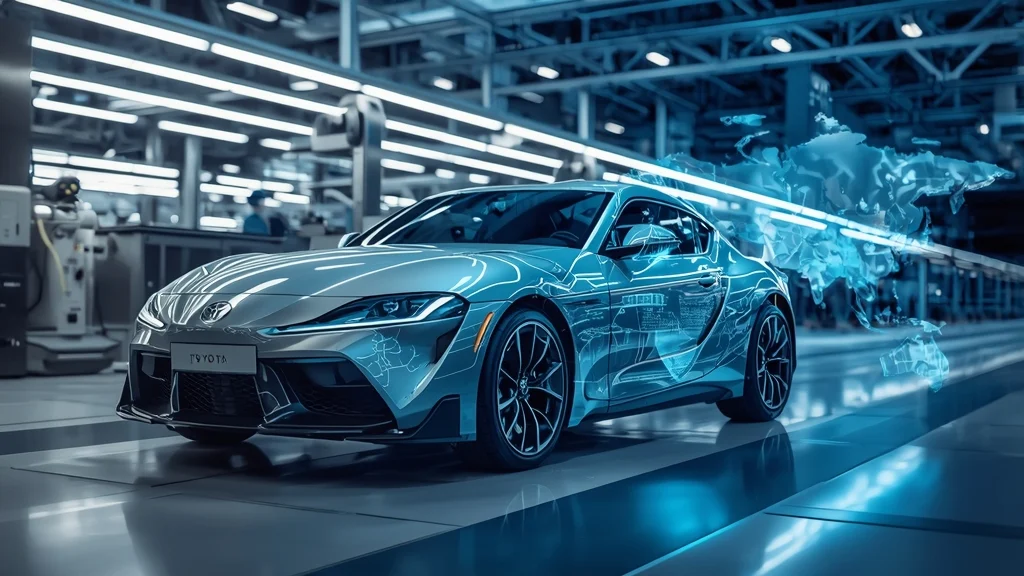
Discover how Toyota’s hybrid strategy balances internal‑combustion engines with electrics to meet US and China market demands. Read more now!
Toyota is staying the course on internal‑combustion engine (ICE) technology, even as the global auto landscape accelerates toward electrification. The Japanese automaker believes the future will be a blend of powertrains – hybrids, plug‑in hybrids, battery‑electric vehicles (BEVs) and, where it still makes sense, efficient ICEs.
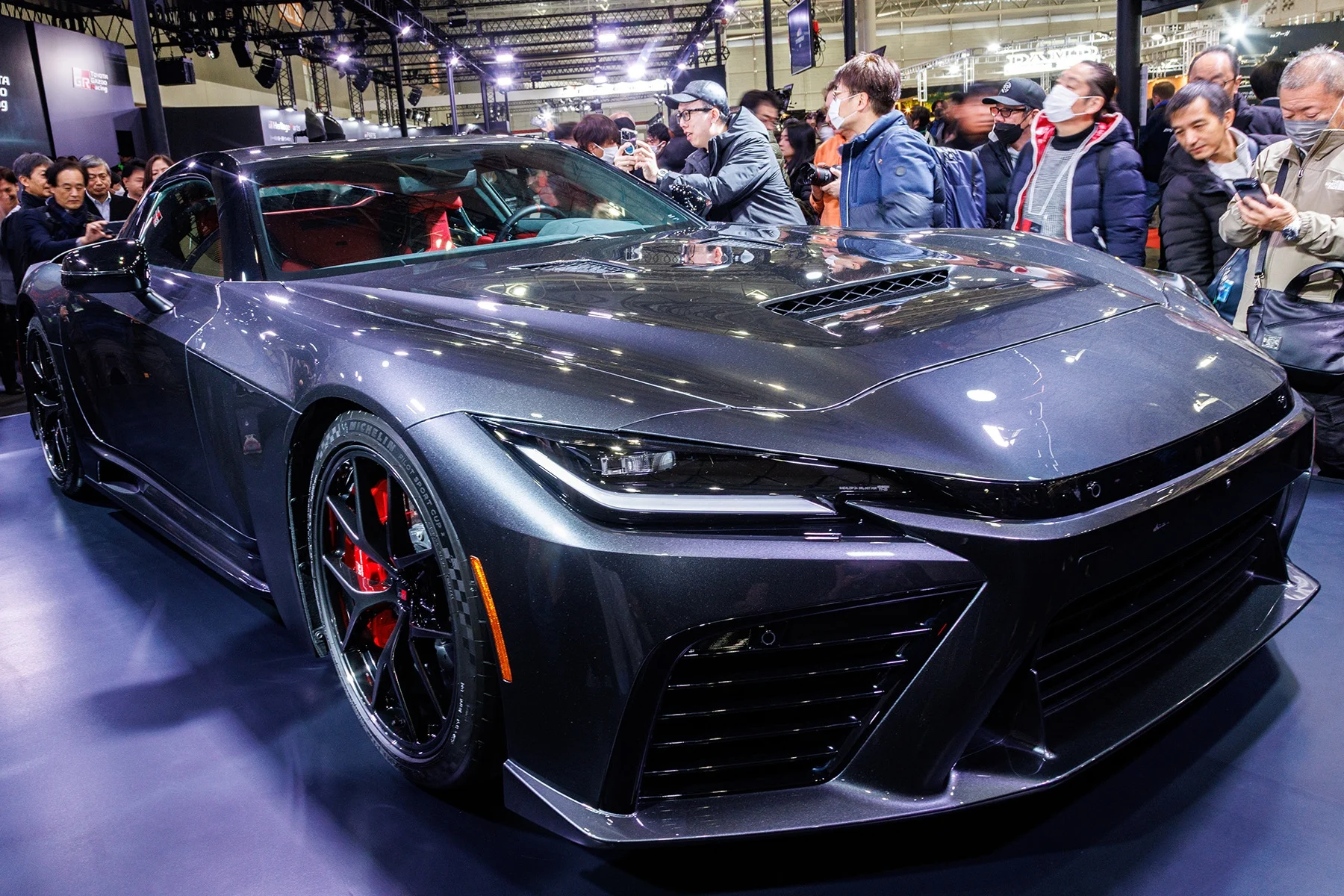
New high‑performance hybrid on the horizon
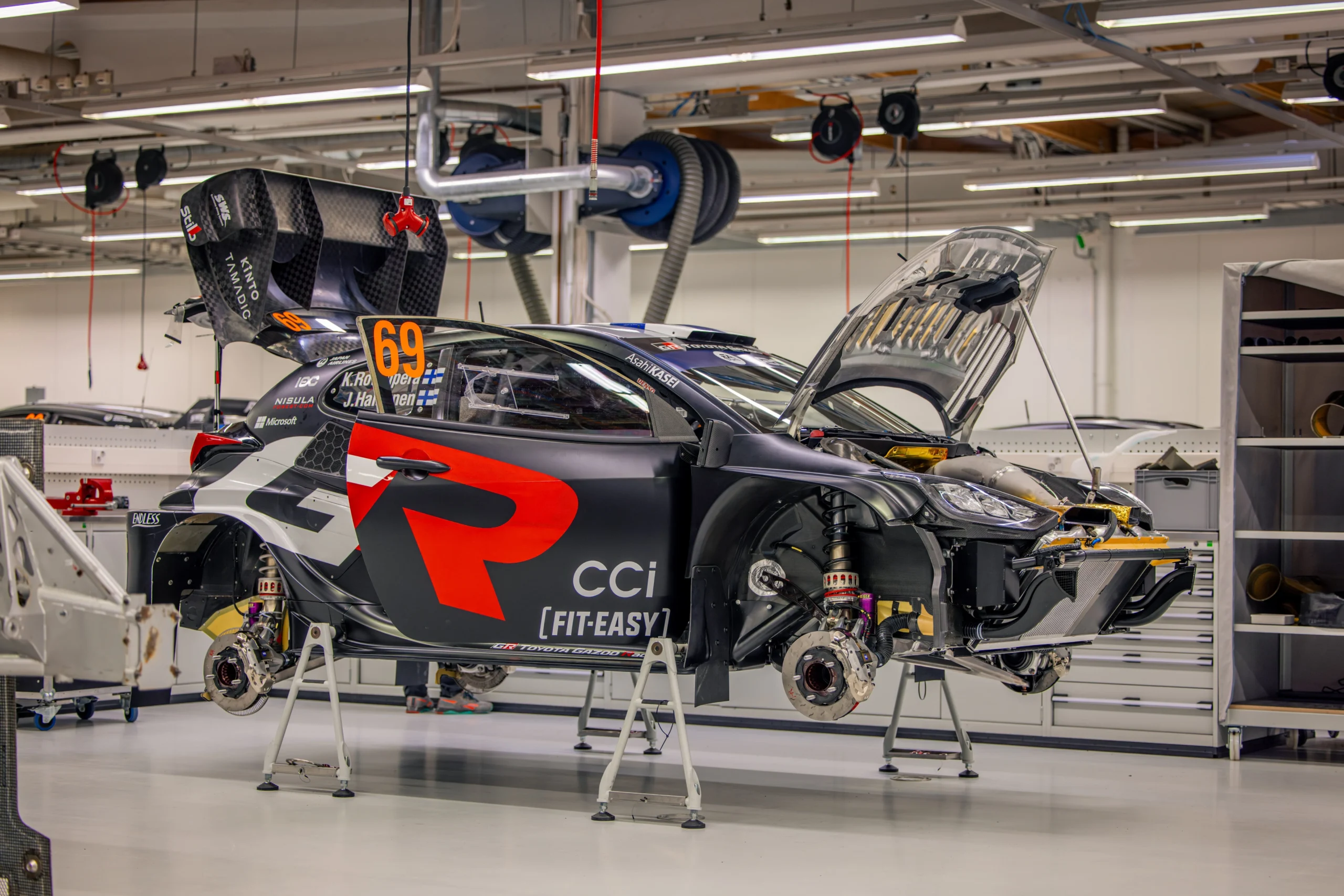
In December 2025 Toyota unveiled three upcoming sports models, the most eye‑catching of which is the GR GT. Slated for a 2027 launch, the GR GT will be the first Toyota to pair a 4.0‑litre V8 engine with a hybrid system, delivering sports‑car performance while meeting today’s emission standards.
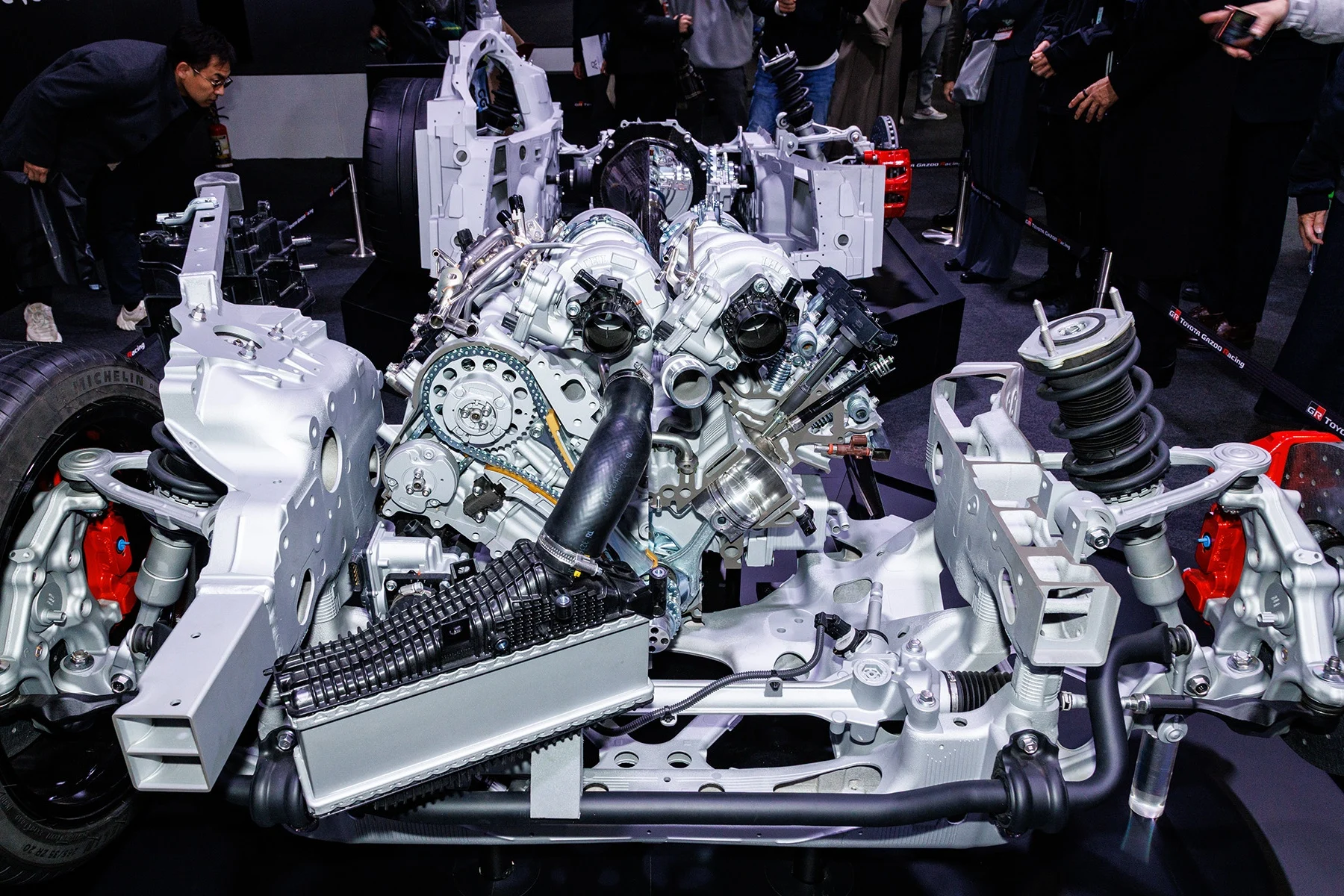
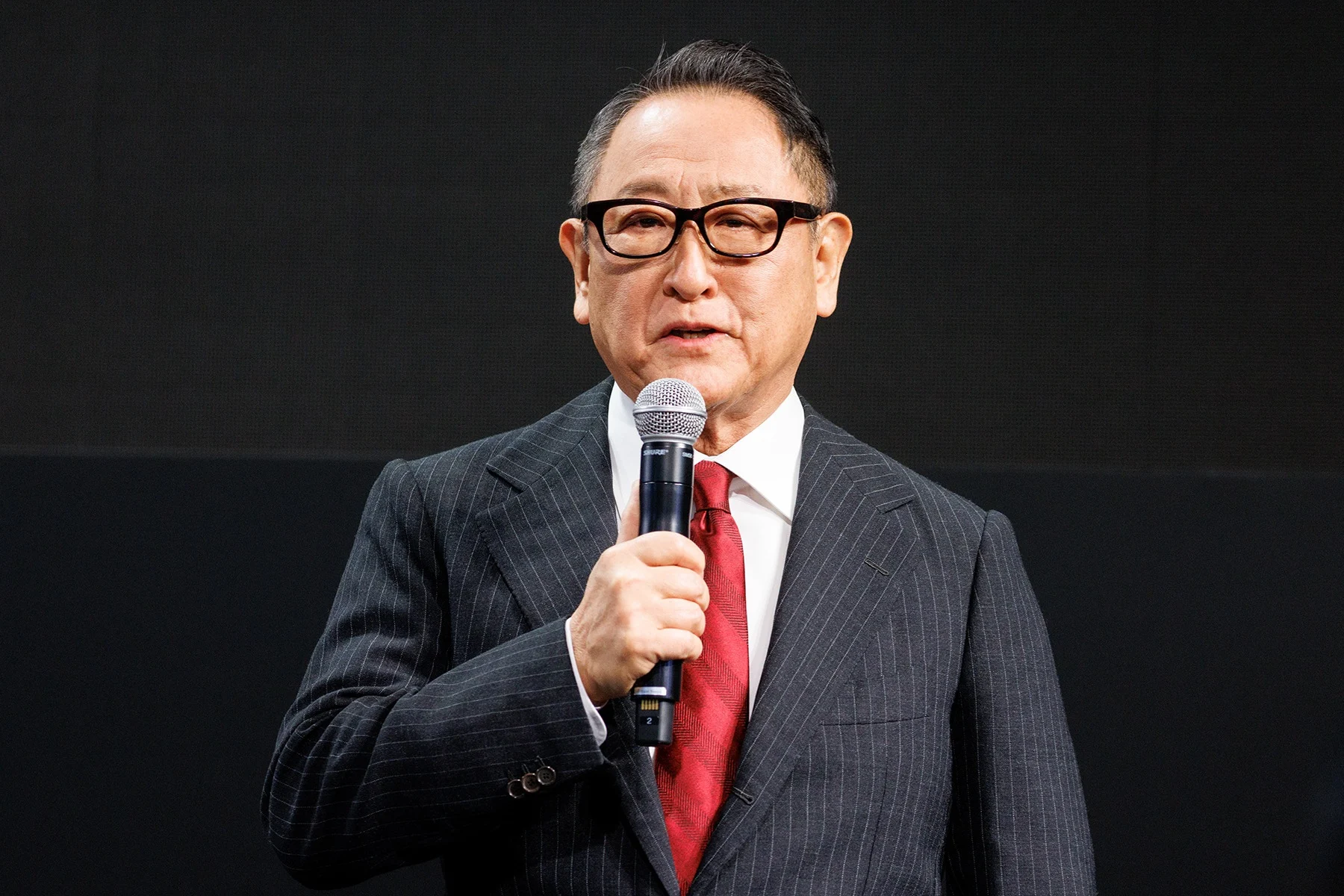
Unlike the Prius line, which relies on modest 1.8‑litre or 2.0‑litre hybrid units, the GR GT represents a bold gamble – a large‑displacement engine built entirely in‑house, with no partner involvement from Yamaha, Subaru or BMW. Chairman Akio Toyoda says the move is about preserving the “soul” of the brand while embracing greener technology.
A balanced global strategy
Chairman Toyoda has repeatedly warned that cars risk becoming mere commodities in the age of electric and autonomous vehicles. He argues that ICEs still have a role when combined with advanced emissions‑control and hybrid systems, as demonstrated by the upcoming GR GT.
During a supplier meeting in June 2025, Toyota announced it will keep developing new ICE variants – including high‑output versions – and aims to maintain a steady volume of ICE production through 2030.
Doubling down on hybrids in the United States
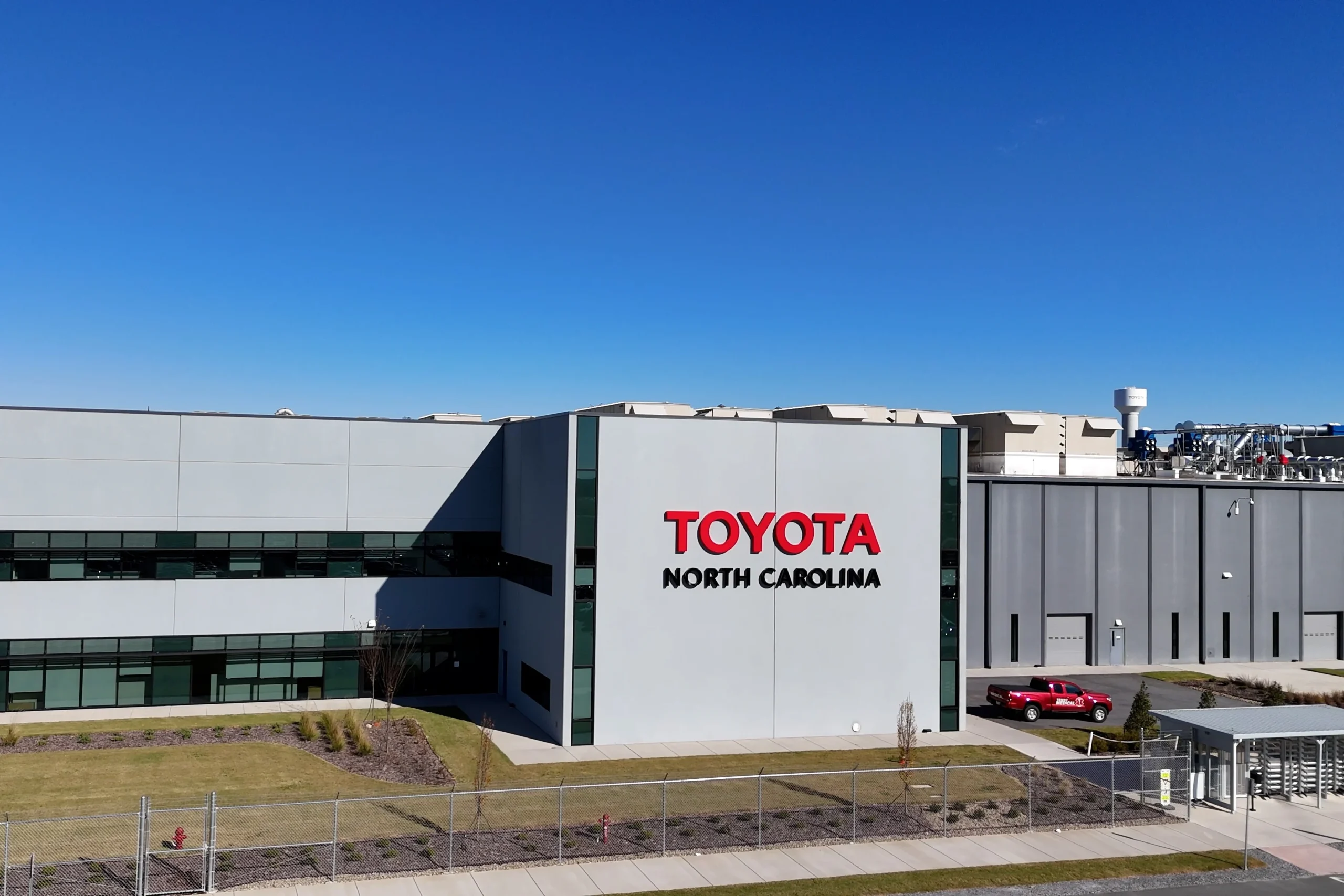
In the United States, Toyota is accelerating its hybrid push. The company celebrated the opening of a battery‑pack plant in North Carolina on 12 November, a milestone described by Toyota Motor North America President Tetsuo Ogawa as “a turning point in the company’s history.”
At the same event, Toyota revealed a US$10 billion, five‑year investment plan to expand hybrid and other vehicle production across seven U.S. factories, localising components and cutting reliance on Japanese imports.
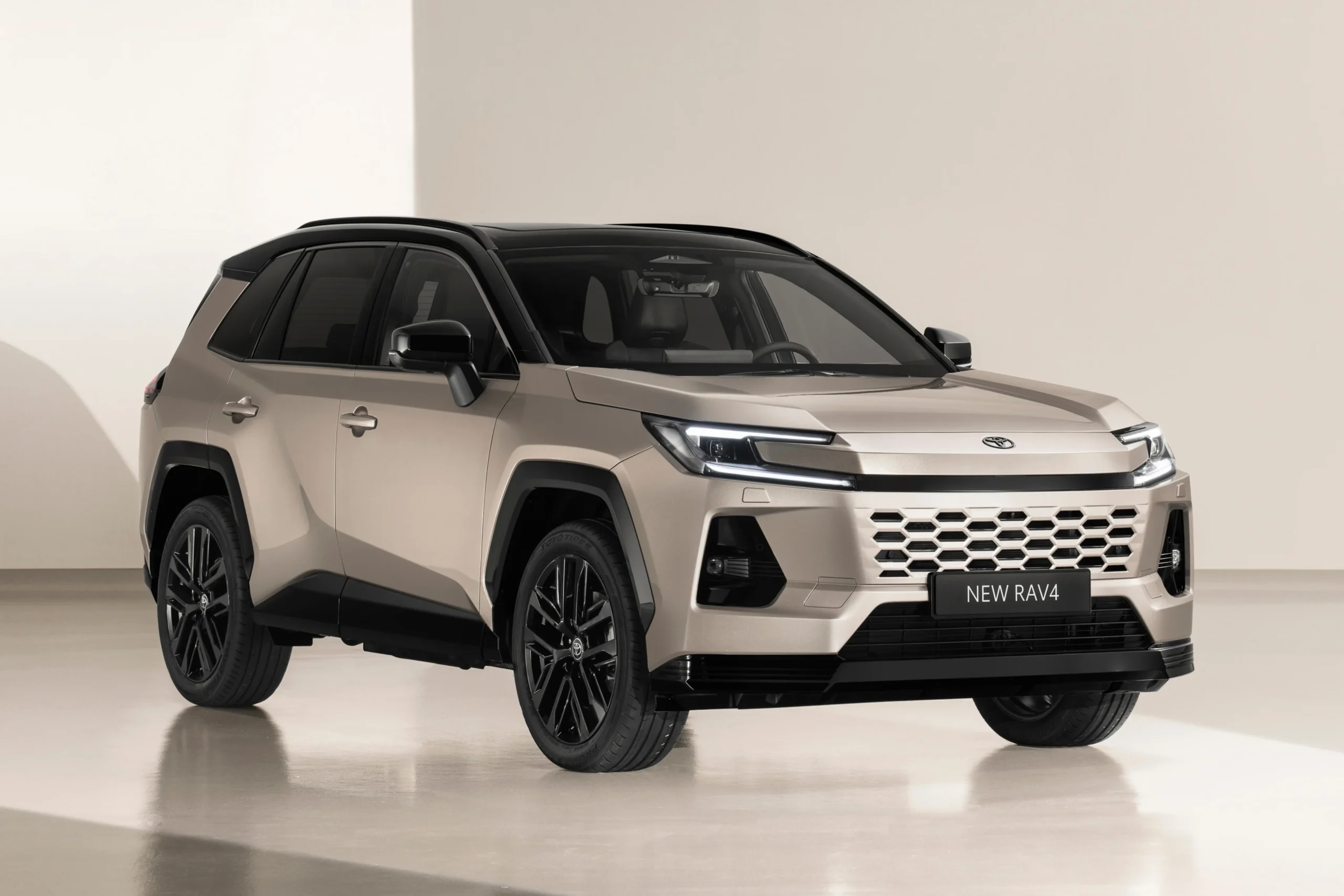
According to Cox Automotive, hybrids accounted for roughly 13 % of new‑vehicle sales in the U.S. in Q3 2025 – the highest share among electrified models. The newly released RAV4 hybrid, built domestically, marks Toyota’s first standard‑hybrid model sold in the United States without being imported from Japan.
Challenges and adaptation in China
China presents a stark contrast. The country’s rapid electrification, led by BYD’s aggressive pricing in the sub‑100,000 RMB (≈US$14,000) sedan segment, has squeezed traditional Japanese brands. Toyota’s sales in China fell to 1.77 million units in 2024 – the third consecutive year of decline.
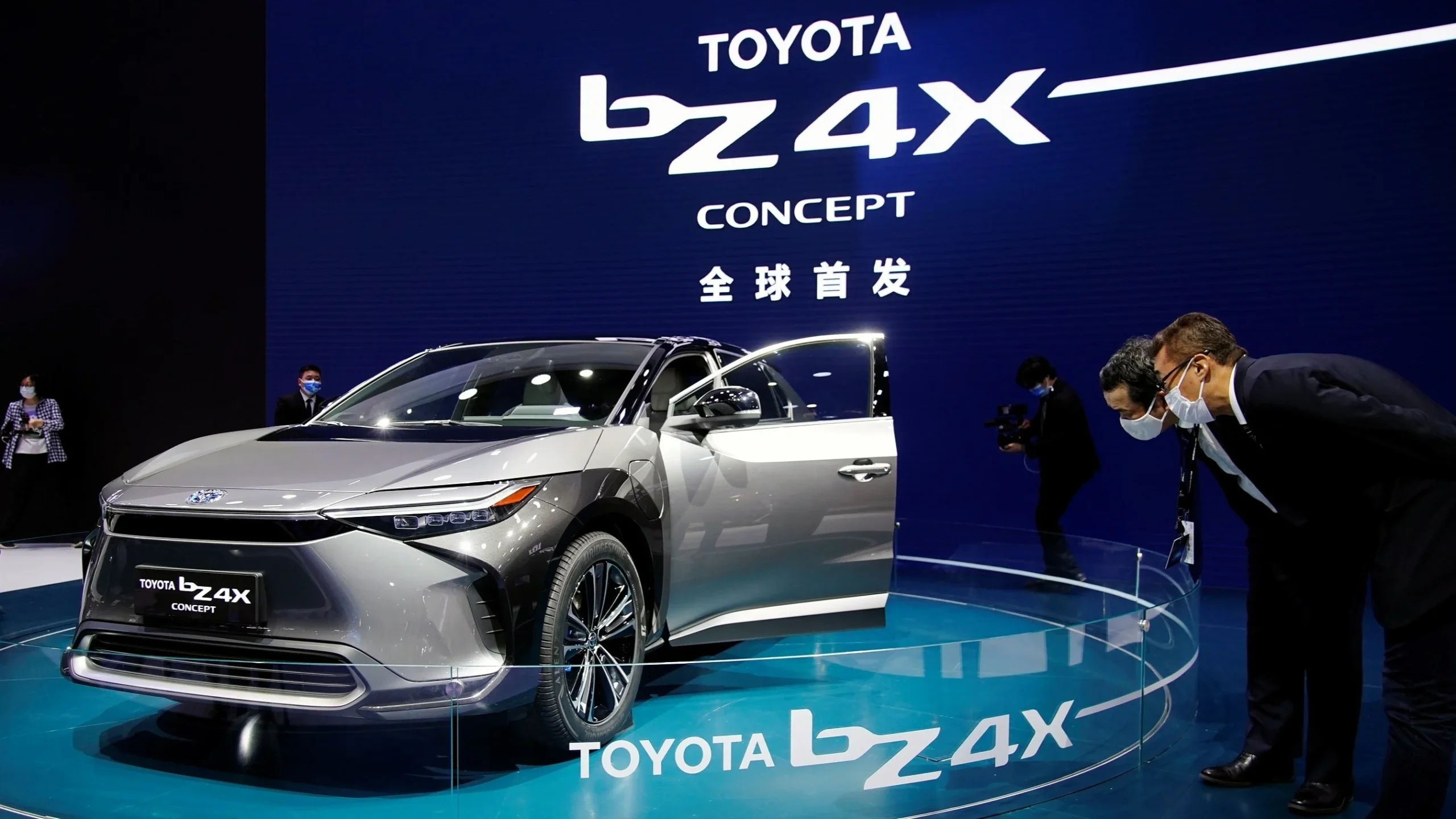
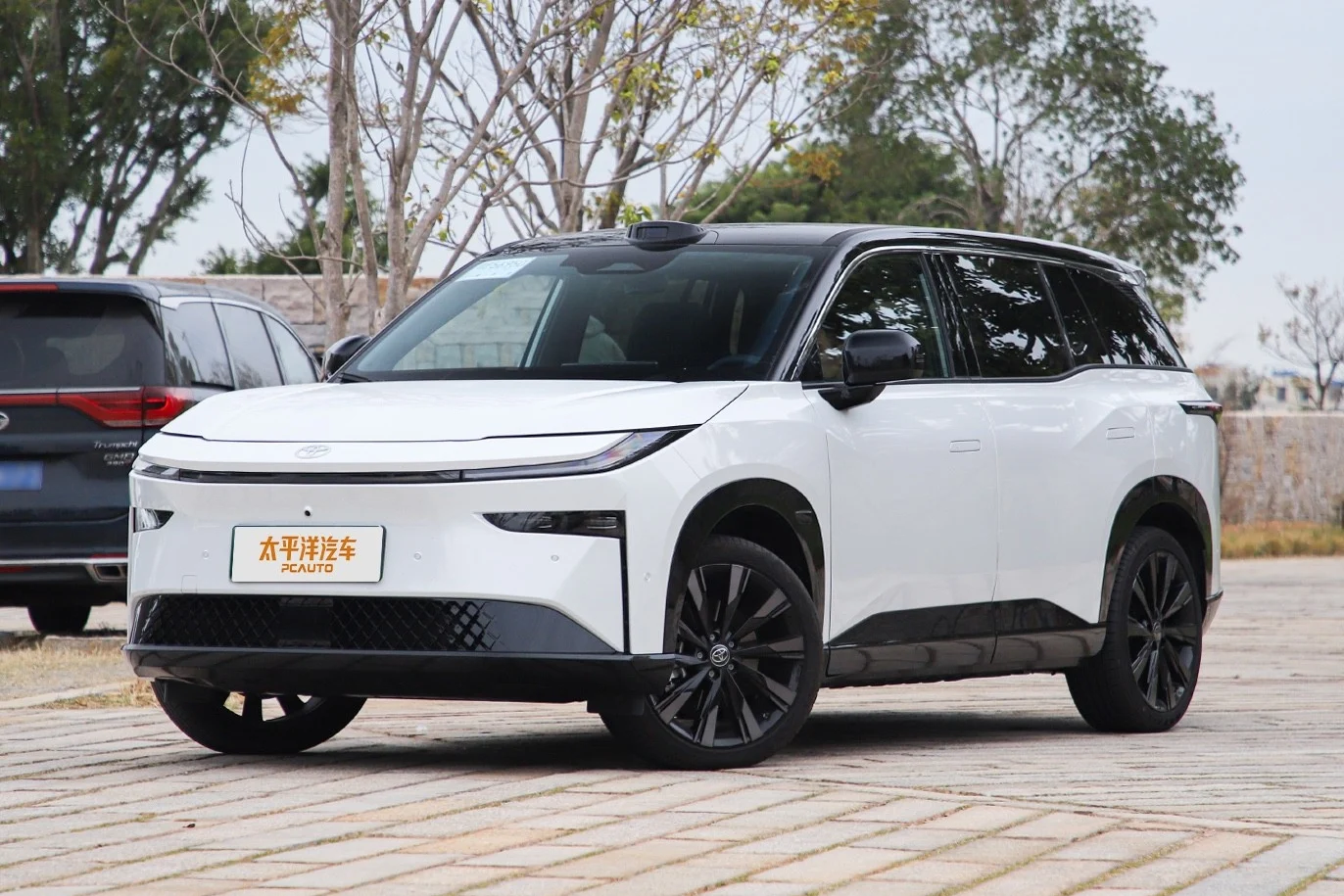
In response, Toyota pledged to focus on China‑specific models rather than global platforms. The joint‑venture GAC‑Toyota launched the fully electric bZ3X SUV in March 2025, priced from 109,800 RMB (≈US$15,750) thanks to a lithium‑iron‑phosphate battery. The bZ3X sold over 10,000 units in November alone, and a pure‑electric sedan, the bZ7, is slated for launch later this year.
R&D spend and new partnerships
Balancing multiple powertrains is costly. Toyota invested ¥1.3 trillion (≈US$8.3 billion) in R&D for the fiscal year ending March 2025 – a sizable sum, yet still lower than BYD’s ¥54.2 billion (≈US$7.8 billion) and Tesla’s US$4.5 billion in the same period.
To stay ahead, Toyota is expanding collaborations. It has partnered with NTT to develop AI‑driven collision‑avoidance and connected‑car technology, and is working with Waymo on autonomous‑driving solutions. These moves aim to protect Toyota’s ICE heritage while embracing the diversified mobility future.
Looking ahead
Toyota’s hybrid‑centric strategy reflects a pragmatic view of a fragmented market. In regions where electric adoption stalls, efficient ICEs and hybrids will continue to dominate, while in fast‑moving markets like China, fully electric models will take centre stage. By investing in both powertrain lines and strategic tech partnerships, Toyota hopes to keep its engines – and its brand – running strong for years to come.