
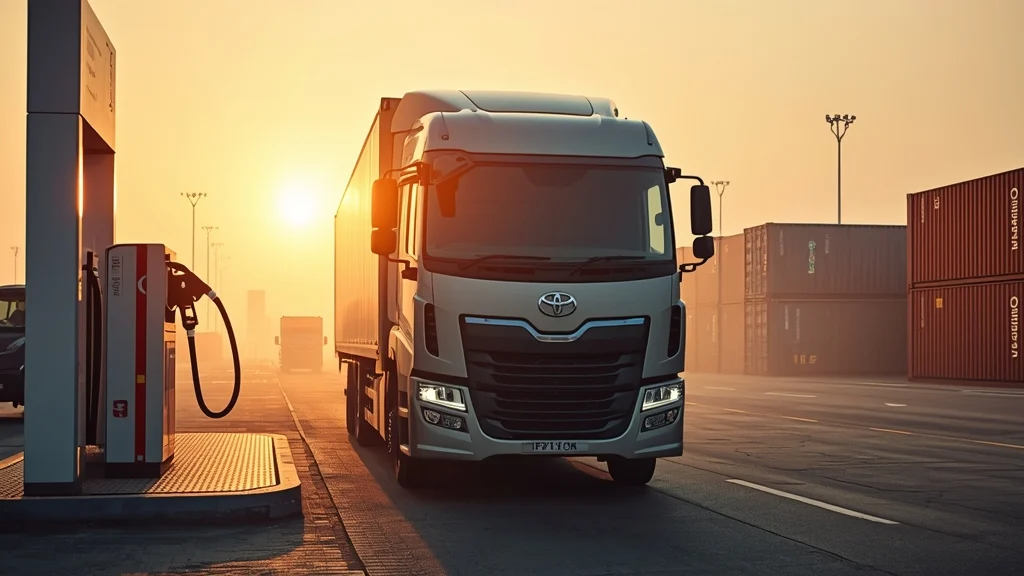
Toyota ramps up hydrogen truck production in India, targeting heavy‑duty transport with fast‑fill fuel cells. Discover the strategy reshaping the market now.
While many automakers are racing toward battery‑electric and hybrid models, Toyota is charting a broader course. The Japanese giant is gearing up to introduce a line of hydrogen‑powered trucks in India, a move it believes will accelerate the shift to clean heavy‑duty transportation faster than any forecast.
Why Hydrogen Beats Batteries for Heavy‑Duty Trucks
According to Vikram Gulati, Toyota’s Director of External Affairs for India, hydrogen offers distinct advantages for large trucks and buses. “Battery packs add excessive weight and require long charging times, which isn’t practical for long‑haul operations,” he explained. “Hydrogen refueling is quick, and its energy density is far higher, making it an ideal solution for sectors that are hard to electrify.”
A Two‑Phase Hydrogen Ecosystem
Phase 1 – Retro‑fitted ICEs: Toyota will first adapt existing internal‑combustion engines to burn hydrogen directly, leveraging the current fuel‑distribution network and keeping upfront costs low.
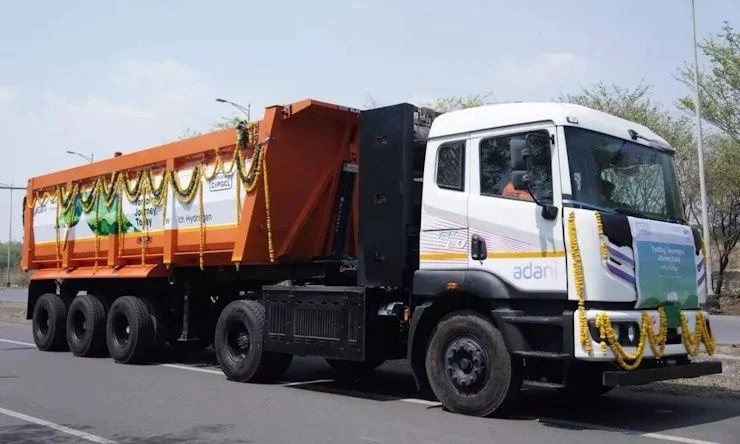
Phase 2 – Full Fuel‑Cell Vehicles (FCEVs): Once production lines stabilise and fuel‑cell costs drop, the company plans to roll out pure hydrogen fuel‑cell electric trucks, eventually expanding the technology to family cars.
Localisation and Manufacturing Muscle
To keep prices competitive, Toyota has achieved over 90% localisation for its core models in India and runs a power‑train plant capable of producing 135,000 units annually. This footprint ensures a steady supply of both hybrid and hydrogen components.
Policy Advocacy: From Engine‑Based to Carbon‑Based Taxation
Toyota is also lobbying the Indian government to shift vehicle taxes from engine type to total carbon emissions. Such a framework would level the playing field, encouraging buyers to choose cleaner options—whether hybrid, battery‑electric, or hydrogen‑powered.
What This Means for the Market
The push for hydrogen trucks could reshape India’s logistics sector, offering faster refuelling, lower total‑cost-of‑ownership, and a clear path toward net‑zero emissions for heavy freight. As the strategy unfolds, stakeholders—from fleet operators to policymakers—will be watching closely.
Stay tuned for updates on Toyota’s hydrogen rollout and how it might influence the global move toward diverse, low‑carbon mobility solutions.