
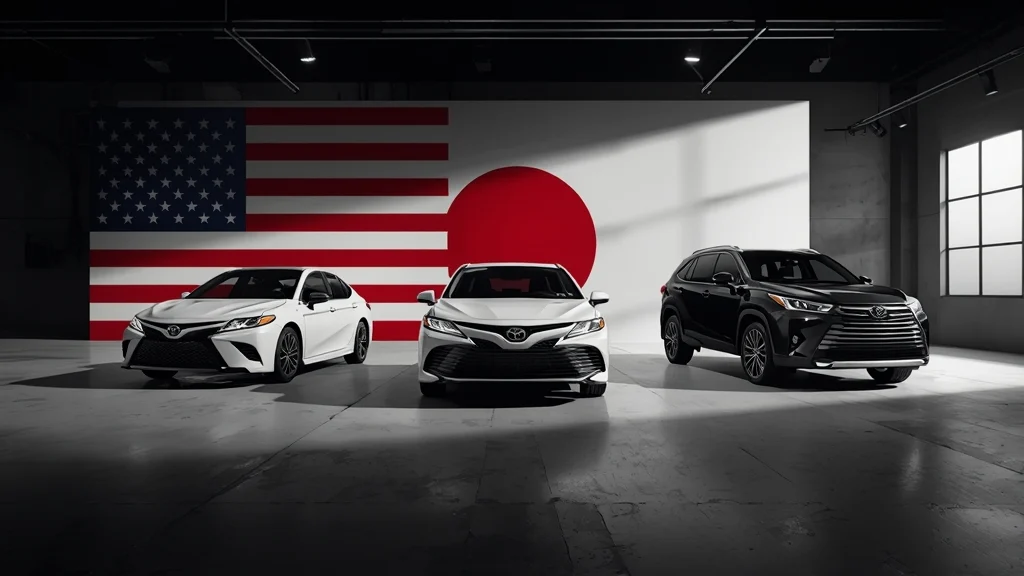
Toyota will start shipping US‑built Camry, Tundra and Highlander models to Japan from 2026, boosting options and easing trade tensions. Learn more.
Toyota announced that, beginning in 2026, it will ship three of its U.S.–manufactured models to the Japanese market: the best‑selling Camry sedan, the full‑size Tundra pickup, and the midsize Highlander SUV. The move is being billed as both a response to Washington’s concerns over the U.S. trade deficit with Japan and a way to broaden vehicle choices for Japanese consumers.
Why import from the United States?
The decision follows a request from the Trump administration to shrink America’s automotive trade gap with Japan. By sending vehicles that are already built in North America back to Japan, Toyota hopes to create a “reverse‑import” flow that satisfies political pressure while showcasing the quality of its U.S. factories.
Models headed for Japan
- Camry – the flagship midsize sedan that has dominated U.S. sales for decades.
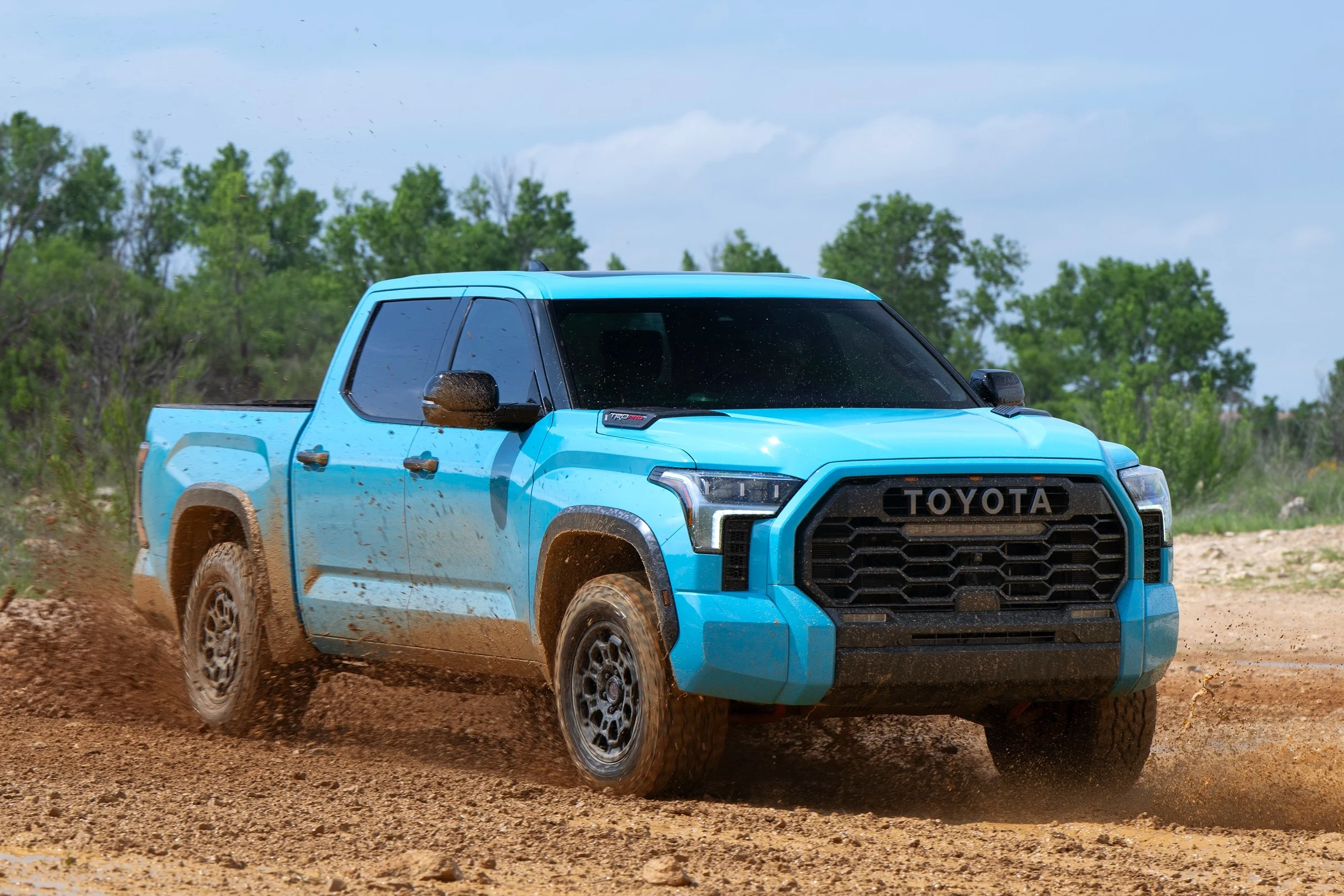
- Tundra – a rugged, full‑size pickup that competes with the likes of Ford F‑150.
- Highlander – a family‑friendly three‑row SUV with strong fuel‑efficiency credentials.
These models have never been officially sold in Japan, so their arrival could significantly expand the range of options available to local buyers.
Economic and logistical challenges
Shipping American‑built cars across the Pacific is not without cost. Rising labor rates in the United States and increasing freight expenses pose profit‑margin questions for Toyota. The company’s success will largely depend on whether Japan’s Ministry of Transport streamlines the approval process for imported vehicles.
Possible regulatory fast‑track
The ministry is considering a special exemption that would allow U.S.‑produced vehicles to obtain safety certification based solely on documentation review, rather than undergoing the full battery of on‑site testing required today. If enacted early in 2026, this could reduce both time and cost for the imports.
Broader implications for the auto industry
In parallel, the White House reported that Toyota has agreed to let American manufacturers use its dealership network in Japan, though actual rollout will hinge on decisions by firms such as General Motors and Ford.
Former President Donald Trump repeatedly warned that low sales of U.S. cars in Japan stem from non‑tariff barriers, notably differing safety standards. Toyota’s chairman, Akio Toyoda, has expressed support for “reverse‑import” initiatives, a stance highlighted in a White House‑released document in October 2025.
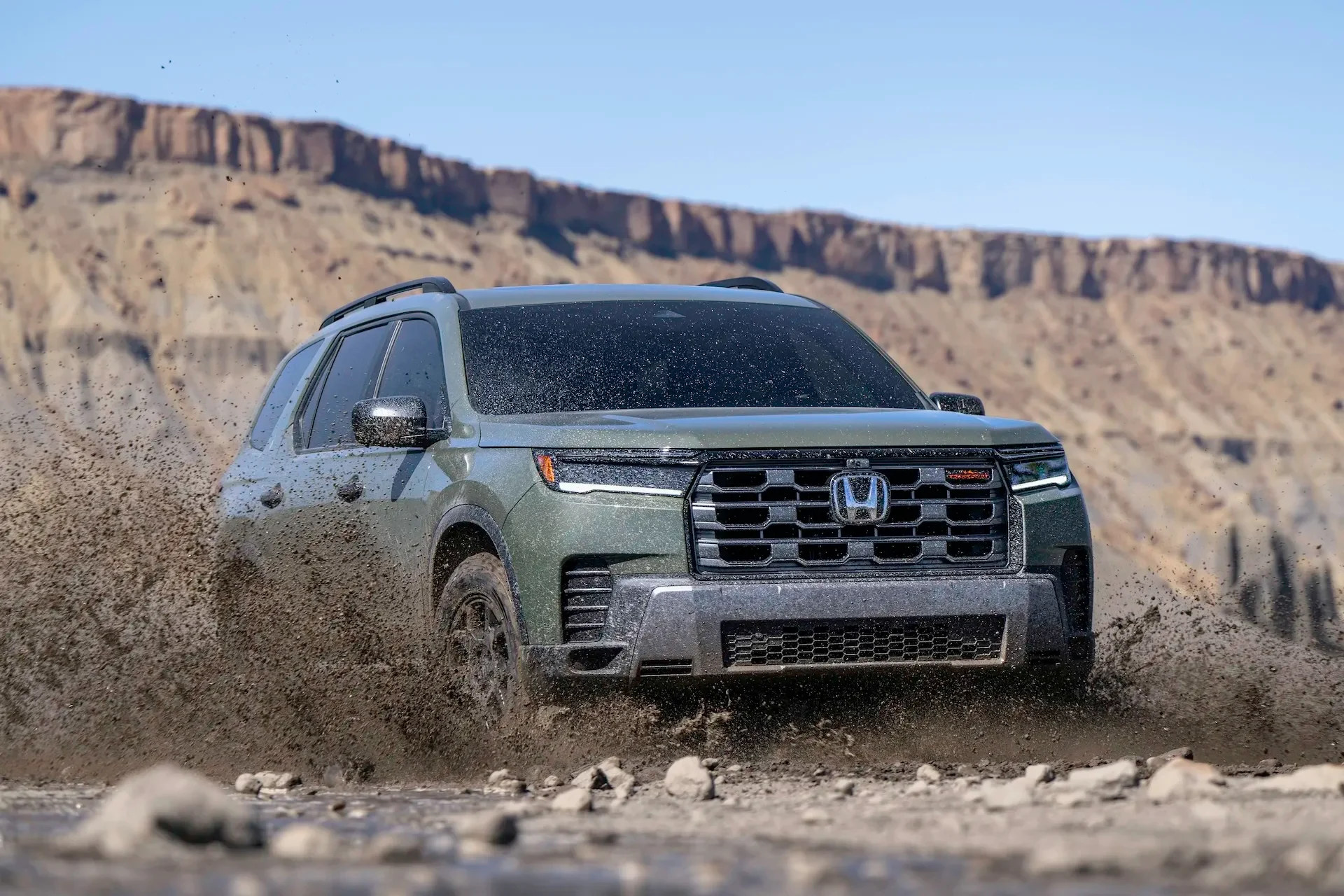
Other Japanese automakers are watching closely. Honda is rumored to be evaluating imports of the Ridgeline pickup and Pilot SUV from its U.S. plants, while Nissan may consider the Murano and Pathfinder models for the Japanese market. These signals point to a wider strategy of reinforcing U.S. production while balancing bilateral trade.
What about Japan’s iconic kei cars?
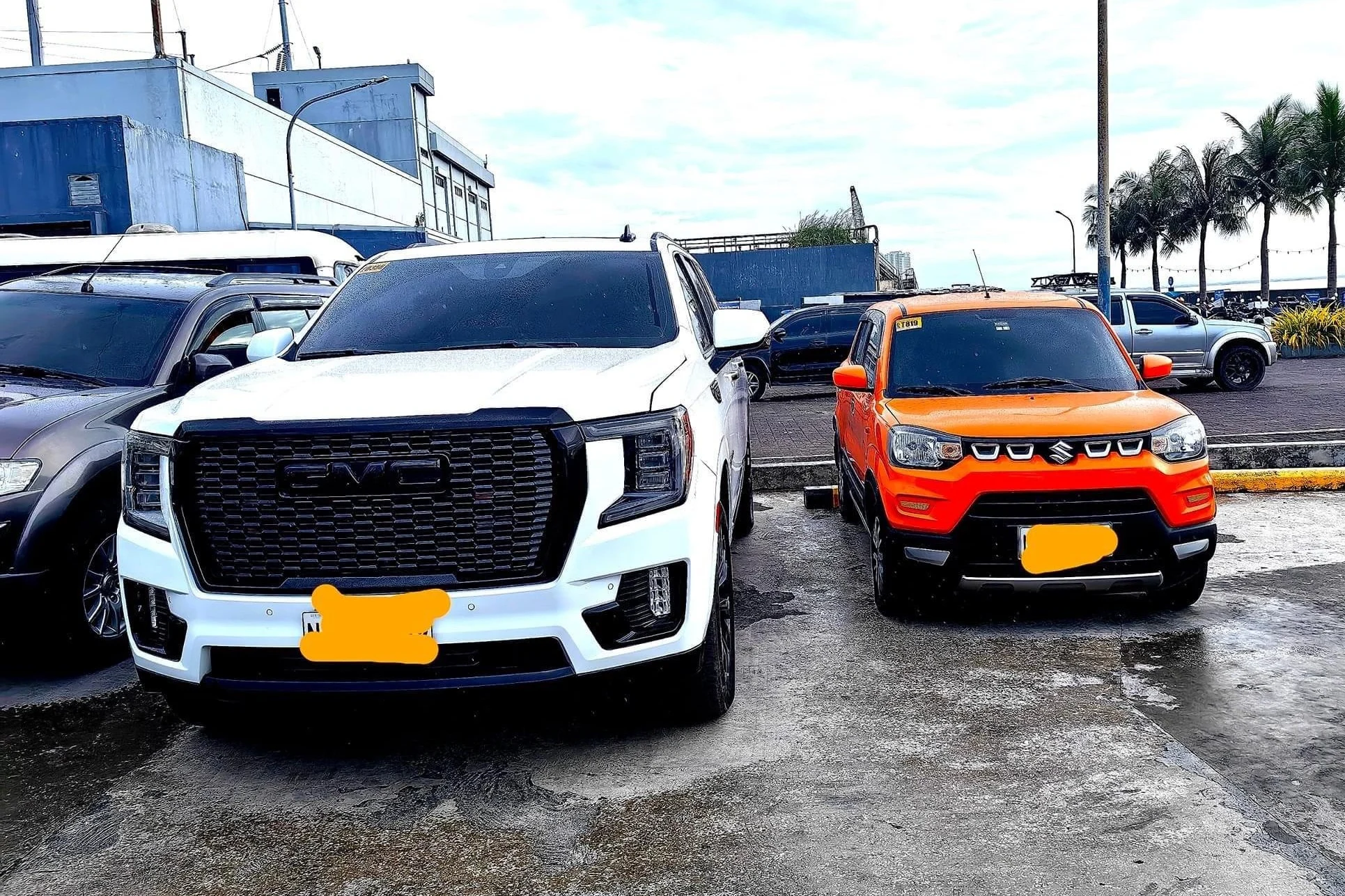
Washington is also pushing to open the Japanese market to kei cars – ultra‑compact, low‑cost vehicles popular for city driving and agricultural use. Although demand for kei cars exists in the United States, President Trump’s sudden advocacy appears to be a strategic “give‑and‑take” move, aiming to foster reciprocal market access.
All eyes are now on the 2026 rollout. Will Japanese drivers embrace these American‑built models, and will the regulatory shortcuts materialize? The answer could reshape how the two automotive powerhouses trade with each other in the coming decade.