
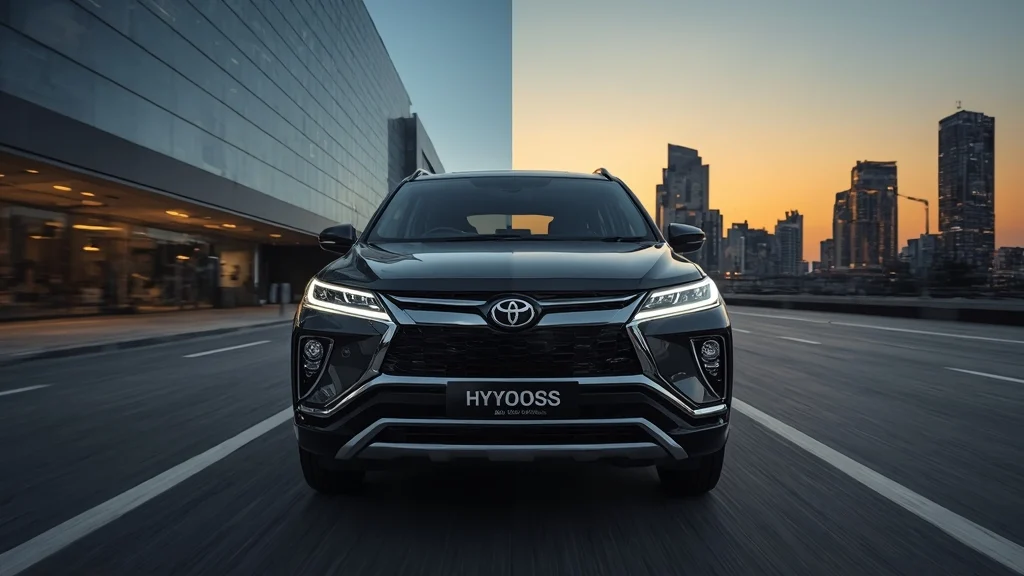
India’s Toyota Innova Crysta will stop sales by 2027 due to tougher CAFE 3 emissions rules. Find out why and what’s next – read more now.
After more than two decades of dominance in the Indian multi‑purpose vehicle (MPV) segment, the Toyota Innova Crysta is slated for its final bow. According to industry source Autocar, Toyota will cease production and sales of the model around March 2027.
Why the Innova Crysta is being phased out
The Innova Crysta has long been praised for its durability, reliability and practical interior space, making it a favourite among families and fleet operators alike. However, the decision to retire the model is driven primarily by regulatory change, not a slump in demand.
- CAFE 3 standards: India is tightening its Corporate Average Fuel Efficiency (CAFE) rules. The new benchmark demands a significantly lower average fuel consumption and CO₂ emissions across each manufacturer’s entire lineup.
- Diesel penalty: The Crysta’s large‑displacement diesel engine becomes a liability under CAFE 3, inflating the average fuel‑use figure for Toyota’s portfolio.
- Electrification push: The automotive industry is shifting toward hybrid and electric powertrains, which earn double credit in the CAFE calculation.
The impact of CAFE 3 regulations
Under the upcoming CAFE 3 framework, every full‑hybrid model counts as two conventional vehicles for emissions credit purposes. This mechanism enables manufacturers to meet the stringent target more easily, provided they have a robust hybrid offering.
Each Toyota Innova Hycross hybrid that rolls off the line cuts the company’s fleet‑wide average fuel consumption roughly in half compared with the diesel‑powered MPVs and SUVs it replaces.
Toyota’s hybrid pivot with the Innova Hycross
In response to the new standards, Toyota is expanding its hybrid portfolio. The Innova Hycross, a gasoline‑engine hybrid version of the classic MPV, is positioned as the flagship solution for Indian customers who still need the space and versatility of an MPV but want to stay within the greener regulatory envelope.
Unlike the Crysta, the Hycross comes with an automatic transmission and a smaller, turbo‑charged gasoline engine paired with an electric motor. This combination delivers lower fuel consumption, reduced CO₂ output, and qualifies for the “super‑credit” that CAFE 3 rewards.
What’s next for Indian MPV buyers?
Even with the Hycross on sale, many loyal Innova Crysta owners remain attached to the diesel powertrain’s torque and fuel‑cost advantages, especially in regions where diesel is still cheaper.
At present, Toyota has not announced a direct diesel replacement. The market may see rivals such as Mahindra, Tata or Hyundai introduce a mid‑size MPV – either diesel or hybrid – to fill the gap.
Industry reaction and Toyota’s stance
When the news broke, Toyota declined to comment on future product plans, emphasizing its “multi‑pathway” strategy that keeps all drivetrain technologies alive to meet diverse customer needs.
Analysts suggest that the removal of the automatic transmission option from the revived Crysta (now limited to a 2.4‑litre turbo‑diesel with a manual gearbox) was a deliberate move to protect Hycross sales figures.
While the Innova Crysta’s era is ending, the shift underscores a broader industry trend: legacy diesel MPVs are giving way to more fuel‑efficient hybrids as governments worldwide tighten emissions standards.