
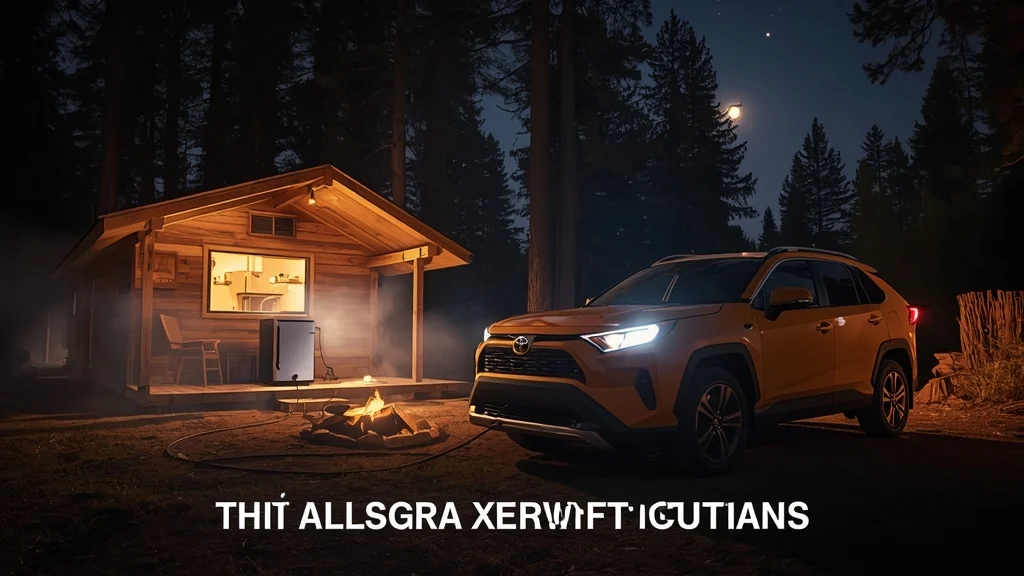
Toyota’s 2026 RAV4 plug-in hybrid arrives in Japan with a 150‑km electric range and a built‑in 1.5 kW power outlet that can run a home for up to 7 days. Learn more now!
What’s New?
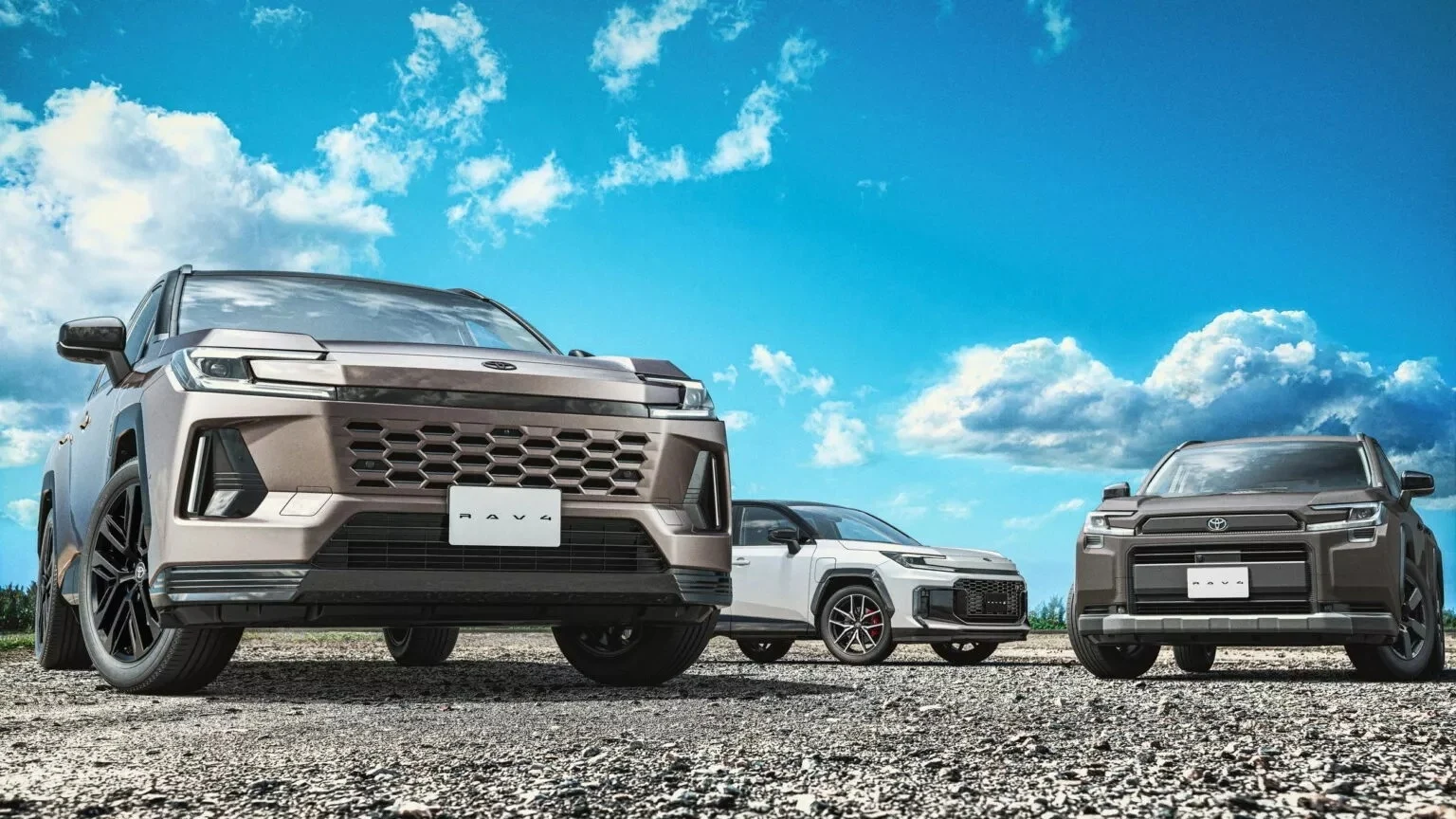
At a Japan‑only launch event, Toyota introduced the 2026 version of its RAV4 plug‑in hybrid (PHEV) and a sport‑tuned GR Sport trim. While the exterior looks identical to the global RAV4, the Japanese model steals the spotlight with a groundbreaking feature: Power Supply Time Priority Mode, which lets the vehicle act as a portable electricity generator.
Power‑Supply Mode Explained
The system can draw energy from both the 22.7 kWh battery and the 2.5 L gasoline engine to feed a household load of up to 400 W for seven consecutive days. To achieve this, the car must start with a full charge and a full fuel tank before the mode is activated.
Inside the Cabin
Inside, the RAV4 PHEV features Toyota’s latest Arene infotainment platform on a crisp 12.9‑inch touchscreen, paired with a 12.3‑inch digital instrument cluster. The layout is designed for easy access to vehicle‑to‑home power settings, navigation, and media.
Performance and Electric Range
- Engine: 2.5 L four‑cylinder
- Electric motor: Dual‑motor setup
- Combined output: 324 hp (≈240 kW)
- Battery capacity: 22.7 kWh
- WLTC electric‑only range: up to 150 km (93 mi)
Built‑In 100 V Power Outlet
The RAV4 PHEV includes a dedicated 100 V, 1,500 W socket directly wired to the charging port. This makes the car a handy power source for camping, outdoor events, or emergency situations when the grid is down.
Pricing and Production Plans
In Japan, the base ‘Z’ trim starts at about ¥6 million (≈US$38,800), while the top‑spec GR Sport version is priced around ¥6.3 million (≈US$40,750). Toyota aims to produce roughly 700 units per month to satisfy domestic demand.
Why It Matters
By integrating a robust home‑energy backup system, Toyota positions the RAV4 PHEV as more than just a commuter – it becomes a versatile tool for sustainability‑focused consumers who value flexibility on the road and at the campsite. The move also signals a growing trend among automakers to blend mobility with off‑grid power solutions.