

Toyota recalls over 55,000 US hybrid and electric cars due to a faulty inverter bolt that could cause power loss. Find affected models, check your VIN now.
On Tuesday, Dec. 23, 2025, the U.S. National Highway Traffic Safety Administration (NHTSA) announced that Toyota is initiating a massive recall affecting 55,405 vehicles sold in the United States. The problem stems from an assembly error inside the inverter—an essential component that manages electrical flow between the battery and the electric motor in hybrid and fully electric models.
What’s the inverter issue?
During production, a bolt inside the inverter may have been insufficiently tightened. This loose bolt can cause intermittent contact at the inverter’s connector, disrupting the electrical current. In real‑world driving, the defect could lead to a sudden loss of propulsion or, in extreme cases, overheating that risks a fire at the faulty joint.
Models most likely affected
Although Toyota and NHTSA have not released a definitive model list, industry analysts warn that the recall will primarily target the brand’s best‑selling hybrid and electric line‑up, including:
- Prius (including Prius Prime)
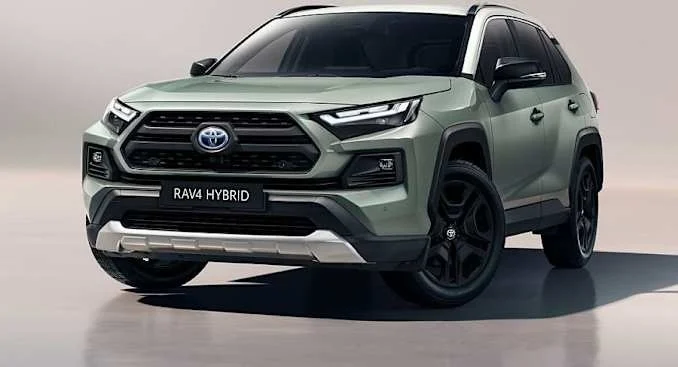
- RAV4 Hybrid
- Camry Hybrid
- Highlander Hybrid
- Corolla Hybrid
- bZ4X EV
- Lexus RX 450h
These vehicles typically retail in the U.S. from $28,000 to over $50,000, meaning the recall touches a sizable portion of the market.
What owners should do
Toyota recommends that owners check the status of their vehicle using either the official Toyota recall portal or the free NHTSA lookup tool. By entering the VIN, drivers can confirm whether their car is part of the campaign.
If your vehicle is included, schedule a free repair at an authorized Toyota dealer. The fix—still under development—will involve re‑torquing or replacing the inverter bolt to restore proper connectivity. Because a replacement part is not yet in mass production, some owners may experience a waiting period before a service appointment can be booked.
Why this matters for Toyota
The recall arrives at a critical juncture for the Japanese automaker. After a turbulent 2025 marked by multiple software‑related recalls, Toyota is striving to re‑establish its reputation for reliability. A hardware fault in the core hybrid system—a technology the company has championed for decades—highlights how even the most rigorous manufacturing processes can stumble under the pressure of rapid electrification.
Broader industry implications
As the global fleet shifts toward electrified powertrains, inverter reliability has become a focal point for manufacturers. An issue like this underscores the importance of tighter quality‑control checks and robust supplier oversight, especially when a single component can affect thousands of vehicles worldwide.
Next steps
Owners should stay vigilant, regularly monitor NHTSA updates, and keep an eye on communications from their local Toyota dealer. While the inconvenience is unavoidable, prompt action will ensure safety and minimize downtime.
Bottom line: If you own a recent Toyota hybrid or EV in the United States, verify your VIN today and schedule the required service as soon as the repair becomes available.