
Toyota reports a 4.7% global sales rise in Jan 2026, driven by 8% US and 11.5% Europe growth, defying tariffs and competition. Read more now!
Global sales pick up in January 2026
Toyota announced a 4.7% increase in worldwide vehicle sales for January 2026, moving the total to 822,577 units. The growth was largely powered by strong demand in the United States and Europe, while overall production slipped slightly.
Key regional performance
- United States: Sales rose 8.1% year‑on‑year, reflecting robust consumer confidence despite a 15% import tariff on Japanese cars and parts.
- Europe: The continent delivered the strongest jump, with an 11.5% increase, underscoring Toyota’s successful rollout of new models and hybrid technology.
- China: Sales climbed 6.6%, showing that the brand remains competitive in the world’s largest auto market.
- Japan (home market): A modest 2.7% decline highlighted the impact of a production transition.
Why production fell
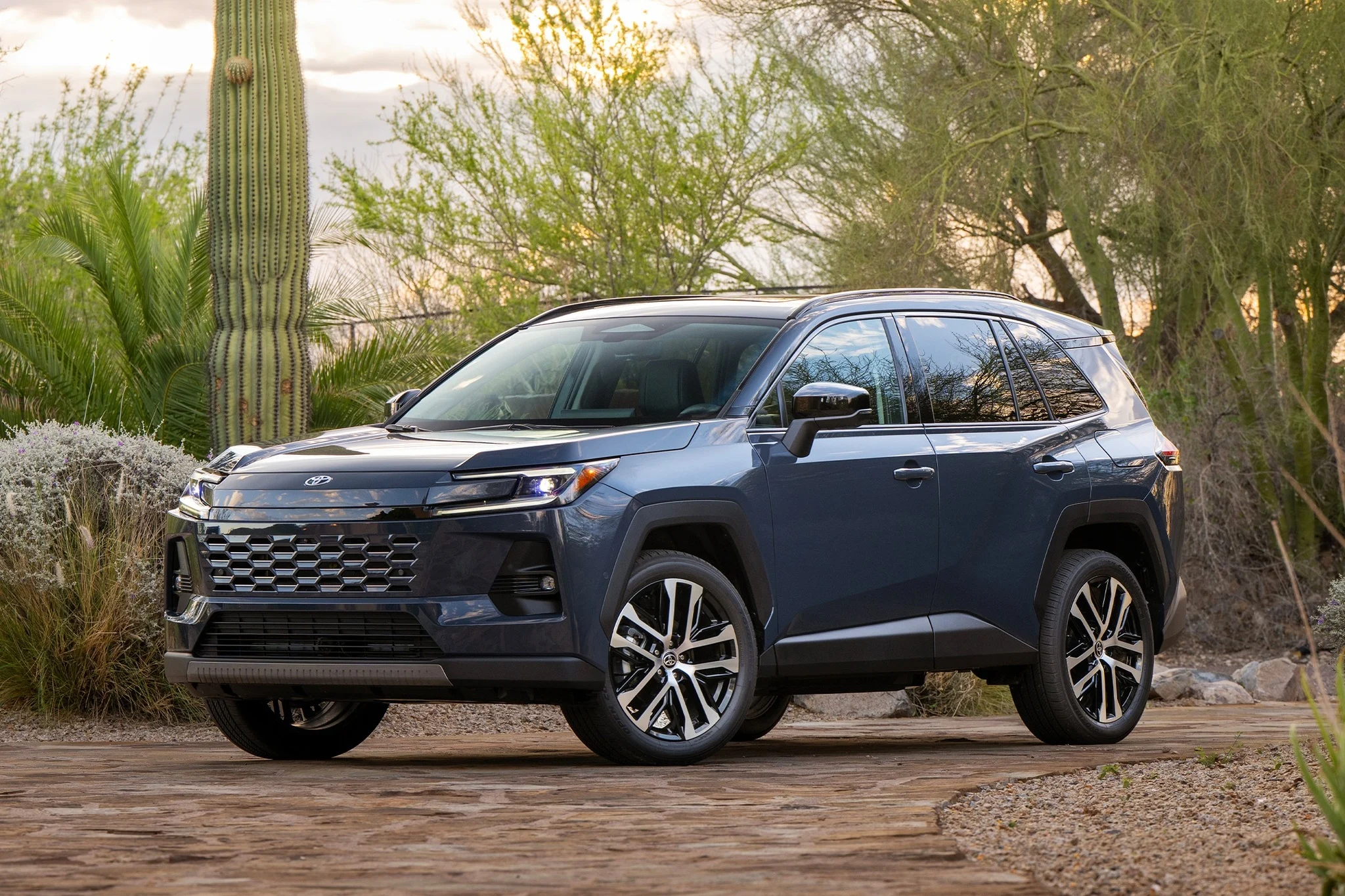
Overall vehicle output dropped 6.0% to 735,097 units as Toyota shifts its manufacturing lines from the outgoing RAV4 generation to the newly launched model. The RAV4 remains one of the brand’s best‑selling SUVs, and the upgrade required a temporary slowdown.
Production specifics for January:
- Japan: –6.1%
- United States: –9.8%
- China: +3.6%
Maintaining the world’s top sales spot
In 2025, Toyota solidified its position as the world’s best‑selling automaker for the fifth consecutive year, moving 11.3 million vehicles and widening the gap with rival Volkswagen Group. The company’s resilience is notable amid a turbulent global automotive landscape marked by tariff pressures, fierce competition, and the ongoing shift toward electric vehicles.
Tariff challenges and competitive landscape
Last year, the United States imposed a 15% tariff on Japanese‑built cars and components—a steep rise from the previous 2.5% rate. While the tariff hit the industry hard, Toyota leveraged its scale and flexible supply chain to absorb the cost without passing major price hikes to consumers.
Other Japanese manufacturers felt the strain more acutely. Honda’s January 2026 sales fell 6.1% to 264,355 units, with a sharp 16.5% slump in China. Nissan’s numbers were relatively flat, buoyed by a 10% increase in Chinese sales that offset an 11% dip in its domestic market.
Looking ahead
Toyota’s ability to grow sales in its key export markets while navigating production changes and tariff headwinds positions the company well for the coming years. The upcoming rollout of additional electric and hybrid models, combined with its proven supply‑chain agility, should help sustain its market leadership.