
Trump administration is rolling back emissions standards and cutting EV incentives to lower U.S. car prices. Learn how this could impact you.
The White House, under former President Donald Trump, has launched a new push to make vehicles more affordable for American drivers. By loosening federal emissions standards and scaling back incentives for electric vehicles (EVs), the administration says it will lower the sticker price of new cars.
Key Policy Shifts
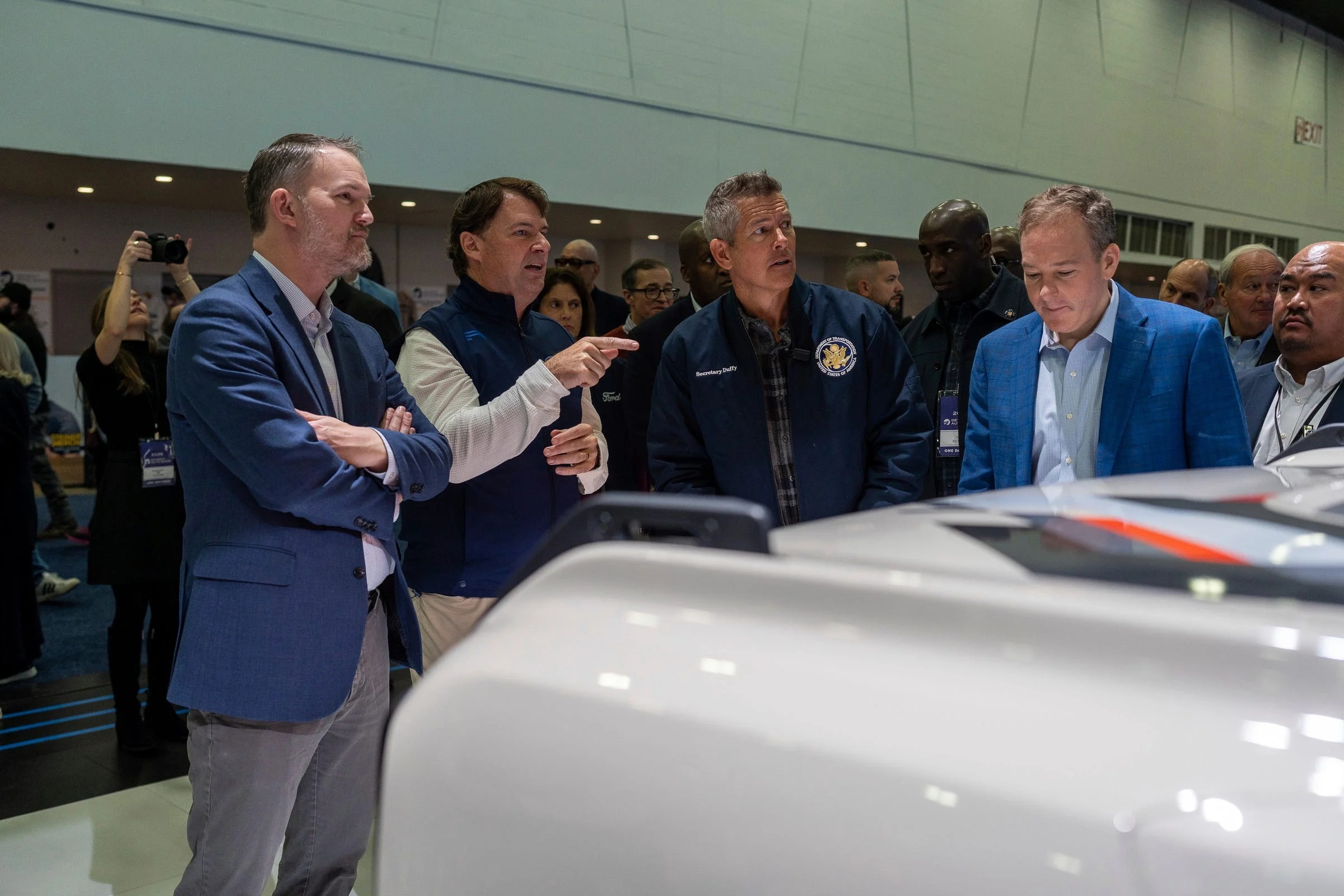
During a recent visit to the Detroit Auto Show, Transportation Secretary Sean Duffy, EPA Administrator Lee Zeldin, and senior trade official Jamieson Greer highlighted three main actions:

- Removing or relaxing federal greenhouse‑gas and tailpipe‑emission mandates for passenger cars and light trucks.
- Eliminating the $7,500 federal tax credit that has supported EV purchases since 2022.
- Halting California’s stricter EV‑related rules and rescinding penalties for manufacturers that fall short of fuel‑economy targets.
The officials argue that these steps will let automakers offer the models Americans actually want—especially larger SUVs and pickups—without being forced to prioritize electric powertrains.
Impact on Vehicle Prices
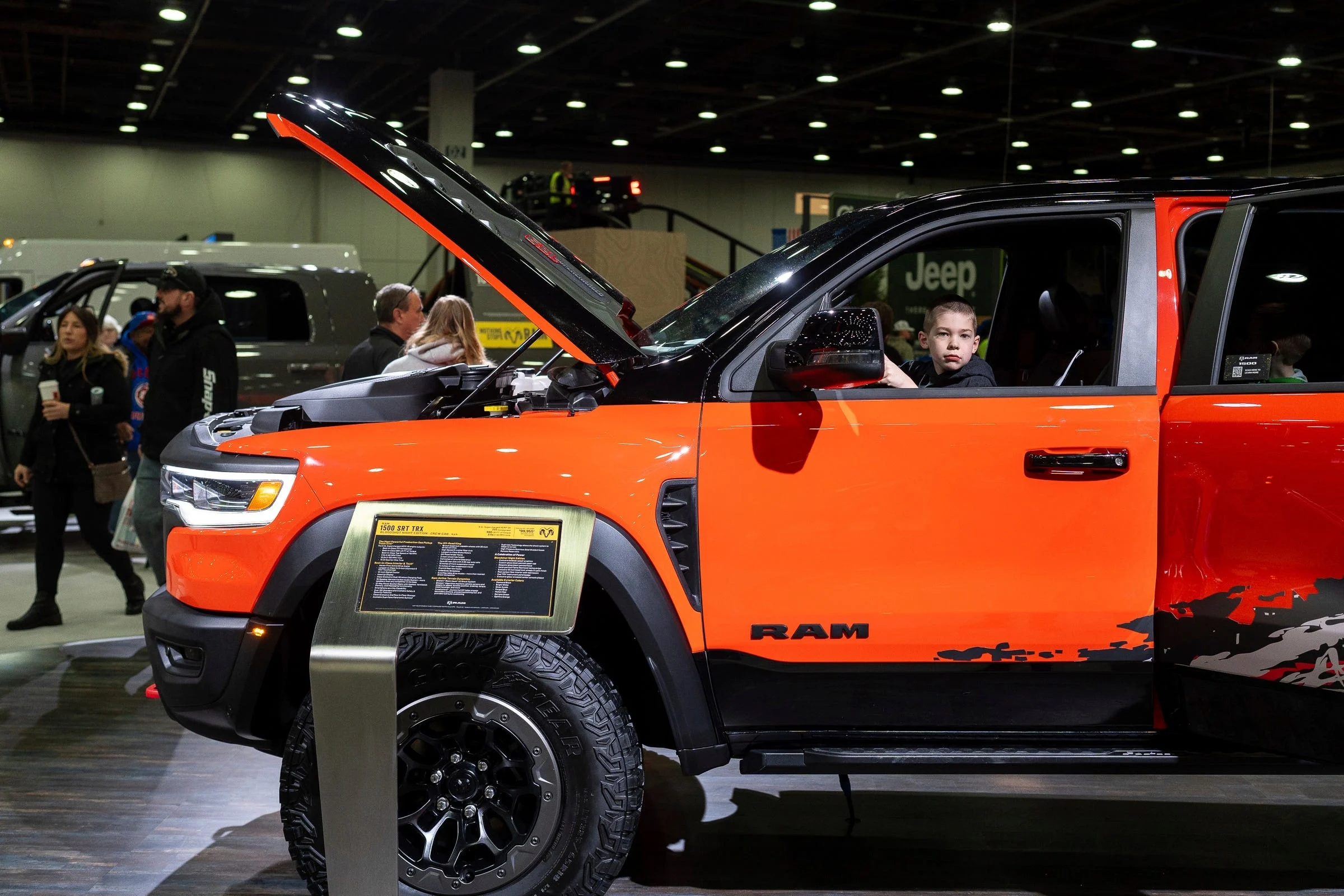
According to research firm Cox Automotive, the average transaction price for a new vehicle in the United States hit a record $50,326 in December 2025, driven by strong demand for high‑margin trucks and SUVs. By cutting compliance costs linked to emissions testing and EV incentives, the administration estimates that the upfront price of a typical new car could drop by around $930.
Even with the new tariffs on imported components that the Trump administration has kept in place, overall new‑car sales are projected to rise 2.4% in 2025, reaching 16.2 million units.
Political Reactions
Democratic lawmakers warn that dismantling EV incentives and weakening emissions standards will hurt long‑term consumer interests, increase greenhouse‑gas emissions, and undermine the United States’ climate goals. Trade representative Greer counters that any price reductions from the policy changes will flow directly to buyers, and that “tariff impacts on the supply chain do not translate into higher costs at the dealership.”
Future Outlook
In December 2025, the U.S. Department of Transportation proposed rolling back the fuel‑economy standards that were introduced under the Biden administration. The EPA is also expected to finalize a rule that removes exhaust‑emission testing requirements for most passenger vehicles within weeks. If enacted, these measures could further shrink the total cost of owning a conventional vehicle while slowing the shift toward electric alternatives.
Stakeholders across the auto industry, from legacy manufacturers to new entrants, are closely watching how these regulatory changes will reshape product planning, pricing strategies, and the broader push toward cleaner transportation.