
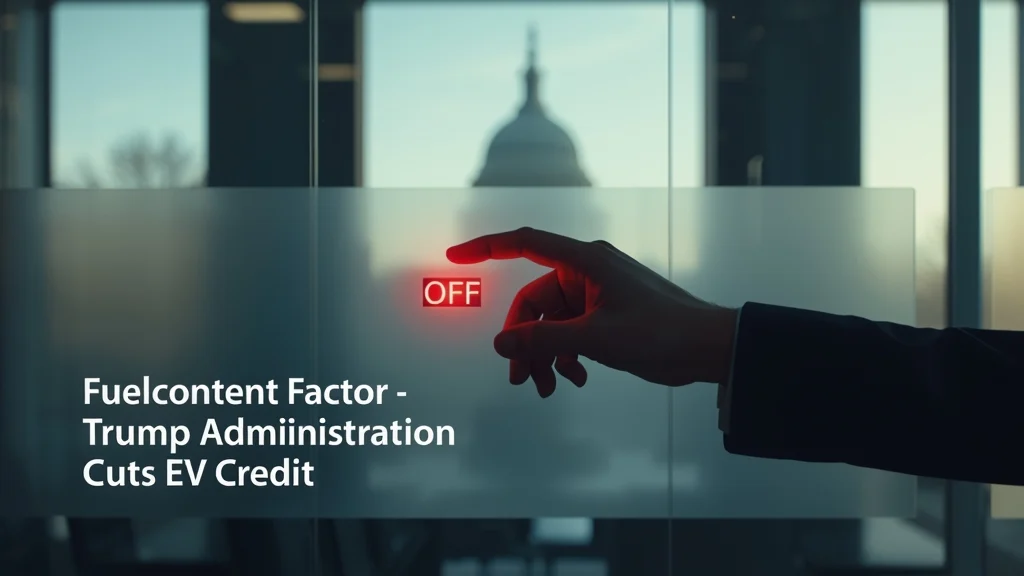
The Trump administration eliminated the fuel content factor from US fuel‑economy calculations, reshaping EV credit rules and easing compliance. Find out!
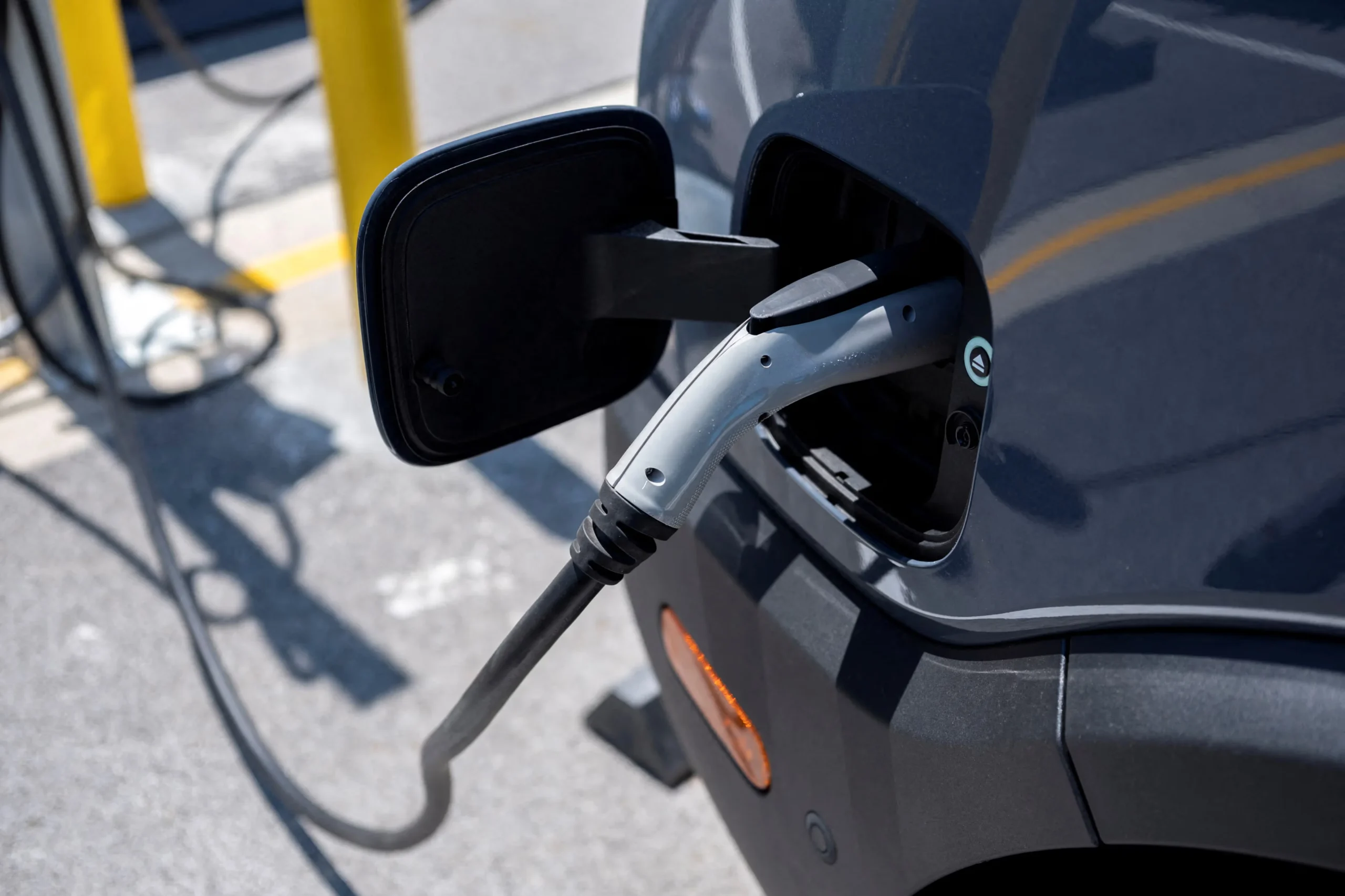
The U.S. Department of Energy (DOE) has announced a decisive move: the “fuel content factor” – a conversion coefficient that boosted electric vehicles’ (EVs) fuel‑economy credits – will be stripped from the federal fuel‑economy calculation formula. The change, championed by the Trump administration, dramatically lowers the regulatory advantage previously enjoyed by EVs and eases the path for automakers to meet Corporate Average Fuel Economy (CAFE) standards without relying on inflated electric‑car credits.
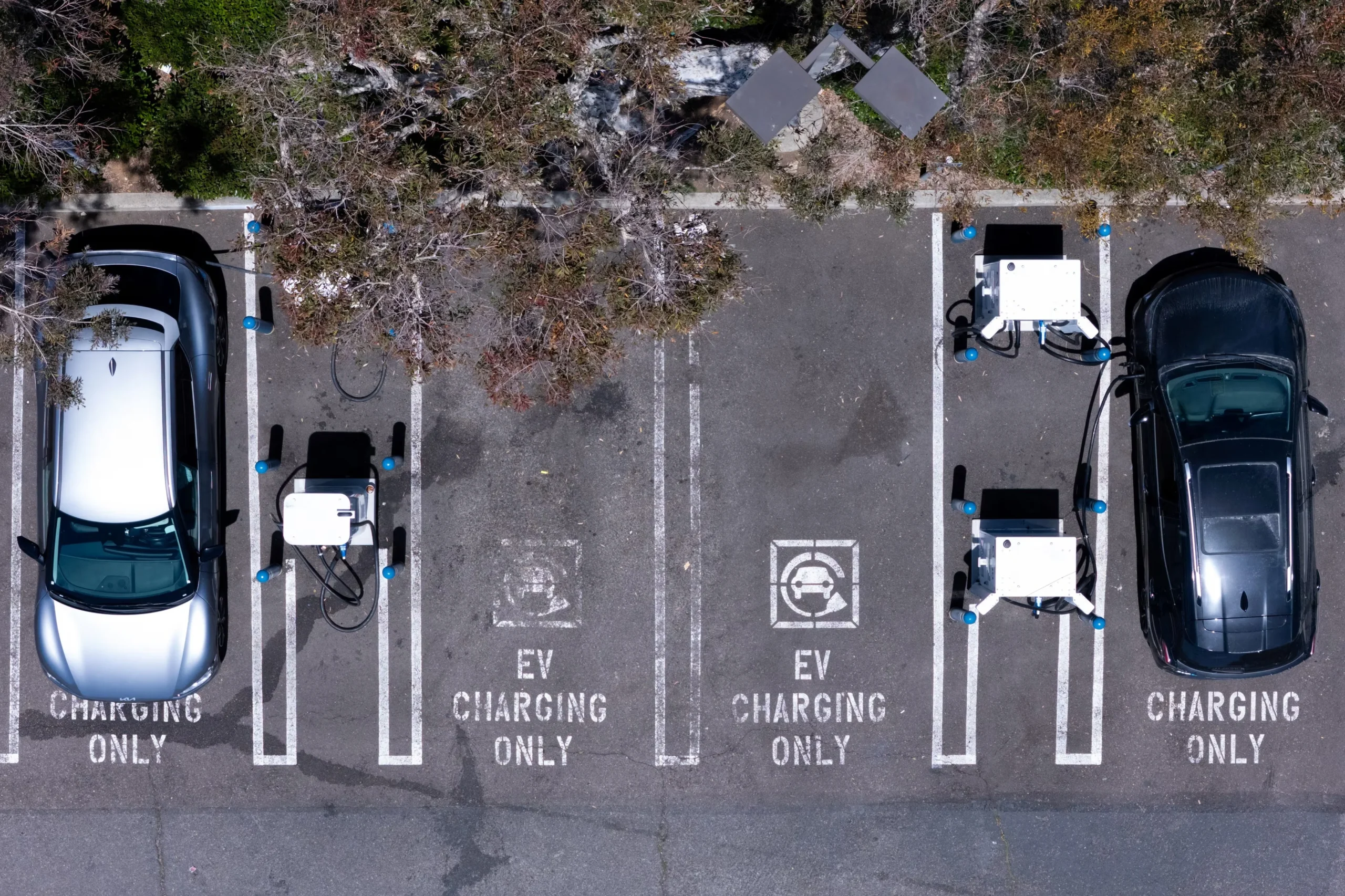
What Is the Fuel Content Factor?
Historically, the fuel content factor allowed manufacturers to convert the energy stored in an EV’s battery into an equivalent amount of gasoline, using a multiplier that favored electric power. By applying this factor, an electric car could be credited with a fuel‑economy rating up to seven times higher than what would result from a direct energy‑equivalence calculation.

Why It Matters for CAFE Compliance
CAFE regulations require manufacturers to achieve a certain average miles‑per‑gallon (MPG) across their fleet. Because EVs are counted with the inflated fuel‑content factor, a relatively small number of electric models could pull the average up, helping brands meet the targets while selling mostly gasoline‑powered cars. Removing the factor means the average now reflects the true energy efficiency of the entire lineup, pressuring companies to offer more truly efficient vehicles.
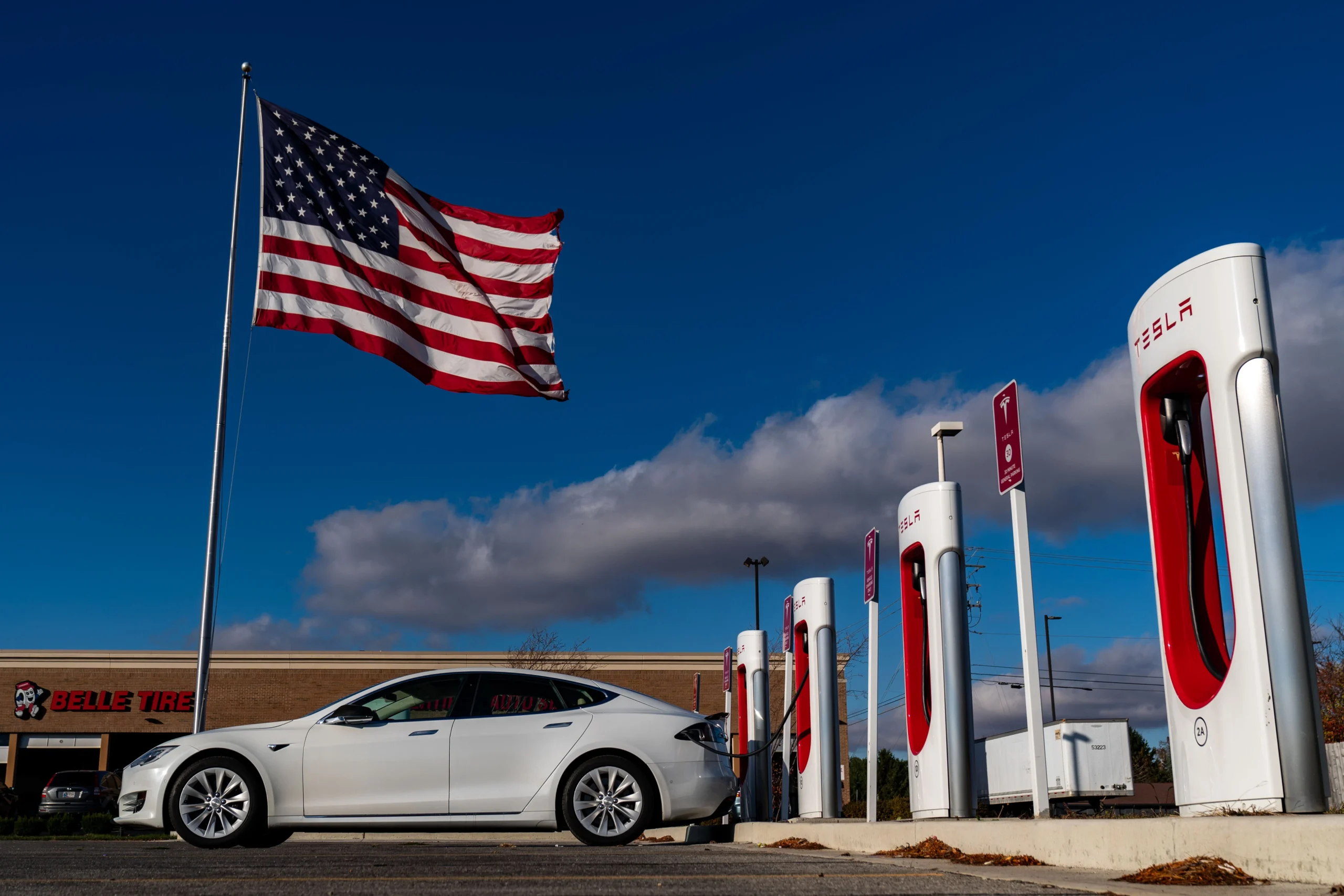
Impact on Automakers
Industry executives have long argued that the factor gave them an “unfair” edge, allowing compliance without substantive improvements in real‑world fuel consumption. With the factor gone, many manufacturers will need to reassess their product roadmaps, potentially accelerating the development of higher‑efficiency ICE models, hybrid powertrains, and next‑generation EVs that can compete on a level playing field.
Environmental Groups React
Environmental advocates criticized the original methodology, calling it a “phantom” fuel‑saving claim that let automakers meet CAFE numbers without reducing actual emissions. They welcomed the DOE’s decision, stating that it restores transparency and aligns incentives with genuine climate goals.
Policy Timeline
- September 2025: A federal appellate court ruled the fuel content factor was “contrary to law,” prompting a review.
- Early 2024: Under pressure from car makers, the DOE announced a gradual phase‑out of the factor by 2030.
- December 2025: The Trump administration accelerated the timeline, ordering an immediate removal.
- 2026 onward: New CAFE calculations will exclude the fuel content factor, with further regulatory tweaks expected.
What This Means for Consumers
For buyers, the shift could translate into a broader selection of efficient ICE and hybrid models, as manufacturers balance their fleets to meet the tougher standards. While the pace of EV adoption may slow temporarily, the move underscores a regulatory focus on measurable fuel savings rather than accounting tricks.
Looking Ahead
The DOE has hinted at additional revisions to fuel‑economy rules, aiming to tighten the framework further. Automakers, environmental groups, and policymakers will closely watch how these changes shape the future of transportation in the United States.
Stay informed on the evolving landscape of U.S. auto regulations and how they affect vehicle choices worldwide.