
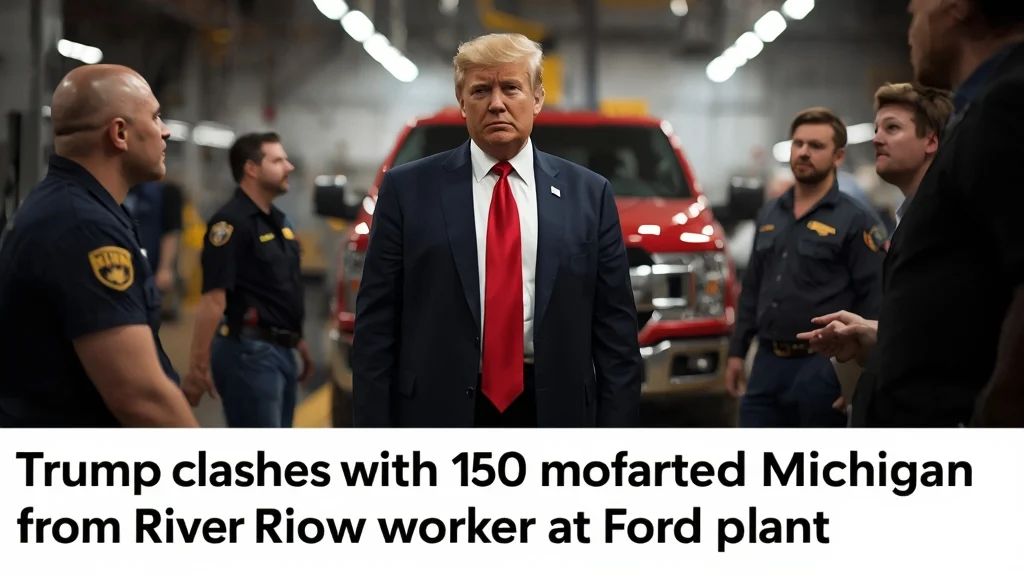
President Donald Trump’s fiery tour of Ford’s River Rouge plant sparked a clash with a union worker. Read the full story and see what it means for U.S. auto manufacturing.
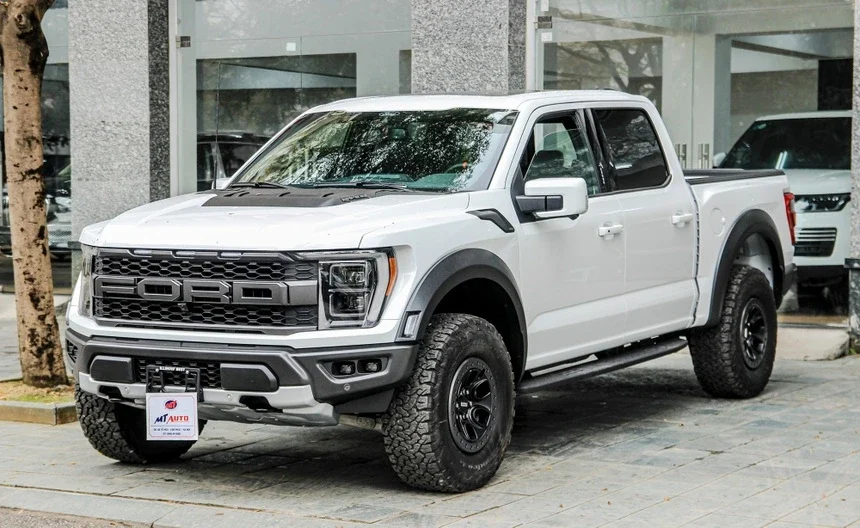
On January 13, President Donald Trump stepped onto the River Roue complex in Dearborn, Michigan, to inspect the assembly line of Ford’s iconic F‑150 pickup. Accompanied by CEO Bill Ford and President Jim Farley, the visit was billed as a showcase of American‑made trucks.
The Unexpected Confrontation
Midway through the tour, a United Auto Workers (UAW) member named TJ Sabula shouted an accusation at the President, calling him a “child‑sex predator.” The outburst was captured on video, and Trump responded with a profanity‑laden retort, briefly raising his middle finger toward Sabula before moving on.
White House Defends the President
White House press secretary Steven Cheung later described the reaction as “a clear and justified response,” labeling the worker “a deranged agitator” who was “yelling in a fit of fury.”
Ford’s Response
Ford promptly placed Sabula on administrative leave pending an internal investigation, emphasizing that the company “does not tolerate disrespectful behavior on its premises.” The automaker, meanwhile, reiterated its commitment to a safe workplace for all employees.
Sabula’s Stance
Sabula insisted he felt “no remorse” and said the incident gave him a rare chance to question the nation’s leader directly.
Broader Industry Implications
The incident unfolded as Ford is recalibrating its strategy, pulling back from an aggressive electric‑vehicle push to refocus on traditional internal‑combustion trucks—a move that aligns with Trump’s vocal support for gasoline‑powered pickups and American manufacturing jobs.
Even after the finger‑raising episode, Trump praised Ford’s gasoline trucks and urged rival manufacturers such as GM and Stellantis to keep production on U.S. soil.
The clash underscores the ongoing tension between the administration, labor unions, and the auto industry as policy, technology, and politics intersect.