
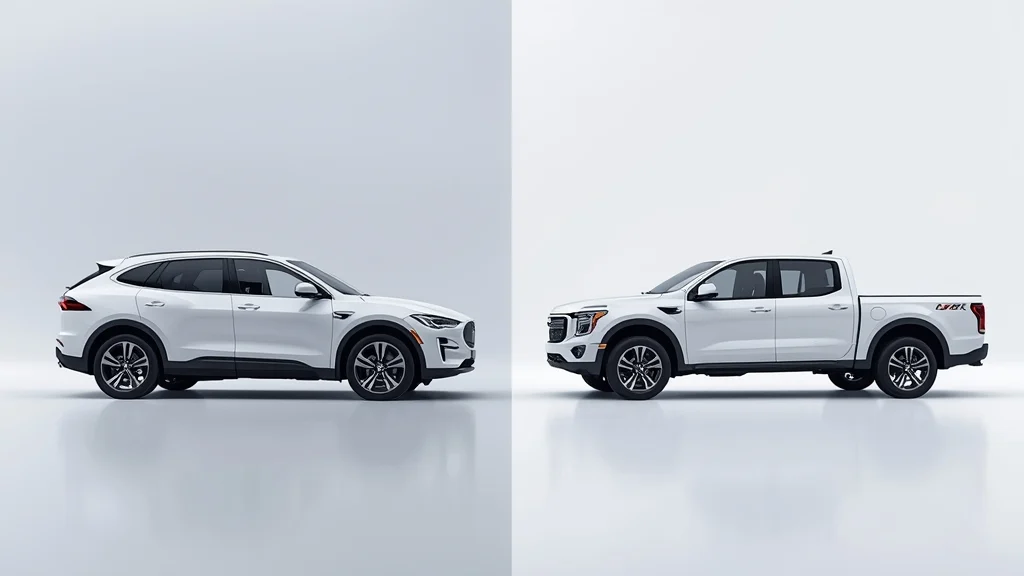
Explore the three key trends set to define the US auto market in 2026, from stable pricing to lower financing rates and shifting EV share. Read more now!
The United States automotive landscape is settling into a steady rhythm as it heads toward 2026. According to the latest Edmunds outlook, new‑vehicle deliveries are projected to reach 16.3 million in 2025 and hover around 16 million in 2026. Those figures suggest a market that has found a natural balance of inventory, pricing, and sales velocity despite lingering affordability concerns, policy shifts, and broader economic wobble.
1. Prices Remain High but Stabilise
After years of rapid price hikes, the average transaction price (ATP) for new cars has plateaued. Buyers continue to gravitate toward larger, tech‑rich models, yet many simply cannot stretch to the higher sticker price. While tax‑related costs could add pressure, the impact has softened compared with early‑year expectations.
Key takeaways:
- Median time on market for vehicles priced above $70,000 is about 61 days, similar to sub‑$70,000 models (≈60 days).
- Luxury‑buyer loyalty stays strong – 64.2% plan to replace their vehicle next year, up from 65.9% in 2024.
- SUVs and pickups dominate, covering roughly 83% of total sales; compact cars account for only 17%.
- Mid‑size sedans have shrunk to 4.5% market share, down from 5.3% a year earlier.
2. Financing Becomes More Affordable
November 2025 saw the average annual percentage rate (APR) on new‑car loans dip to 6.6 %, the lowest level of the year. The trend is expected to continue into 2026, easing monthly payment burdens for qualifying borrowers. However, credit‑score strength remains a gatekeeper for the most attractive terms.
Even with lower rates, a sizable segment of price‑sensitive consumers remains priced out of the market, especially as monthly payments on premium models still hover around $712.
3. Electric‑Vehicle (EV) Share Recedes
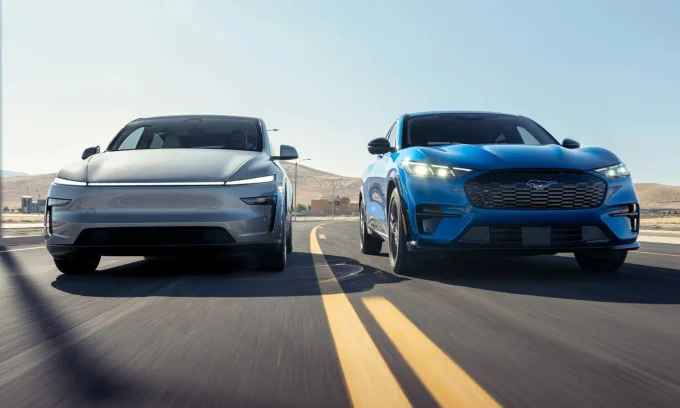
The federal tax credit for EVs is set to expire, trimming the electric‑vehicle share to an estimated 6% in 2026, down from a projected 7.5% in 2025. The decline reflects a cooling of demand among buyers who were previously drawn more by leasing incentives than by the vehicles themselves.
Leasing data highlights the sensitivity:
- EV lease penetration fell to 53% in November, down from 71% in September.
- Average monthly lease payment for a new EV sits at $712, keeping many mainstream shoppers at bay.
Good news arrives from the upcoming wave of affordable EV models, such as the redesigned Nissan Leaf and the returning Chevrolet Bolt, which could widen the buyer pool but are unlikely to fully offset the credit loss.
What the Market Landscape Looks Like in 2026
Beyond the three headline trends, several supporting dynamics will shape the year ahead:
- Inventory health: A more balanced supply chain reduces the extreme shortages seen in 2022, helping dealers keep shelves stocked without inflating prices.
- Used‑car supply rebound: The wave of lease‑returns expected in 2026 will increase the availability of near‑new, low‑mileage pre‑owned vehicles, offering budget‑friendly alternatives to new‑car shoppers.
- Consumer confidence: Continued economic uncertainty will keep a portion of the market cautious, reinforcing the shift toward practical, value‑driven purchases.
In summary, the US auto market is poised for a sustainable 16 million‑unit sales volume in 2026, driven by real demand rather than temporary boosts. Buyers will see stable, albeit high, pricing; more approachable financing; and a modest contraction in EV market share, all set against a backdrop of an increasingly robust used‑car sector.
Stay informed on how these trends could affect your next vehicle decision and the broader industry outlook.