
US electric vehicle registrations fell 0.4% in 2025, with December down 48%. Discover why the market shifted and what’s next for EV buyers.
New electric‑vehicle (EV) registrations in the United States slipped in 2025, marking the first decline in more than a decade. The dip was especially stark in December, when registrations fell 48% compared with the same month a year earlier.

2025 figures in context
According to S&P Global Mobility, 1.3 million new EVs were registered in 2025 – a 0.4% year‑over‑year decline. EVs now represent 7.8% of the light‑vehicle segment, down from 8% in 2024. By contrast, total vehicle registrations of all fuel types rose 2.2% to 16.25 million.

Why the slowdown?
The removal of the federal $7,500 tax credit for EV purchases was a major catalyst, especially in the final months of the year. Even with manufacturer incentives, sticker prices remain high, pushing many buyers toward cheaper hybrids.
Additional hurdles include the still‑growing charging‑infrastructure network and lingering range‑anxiety, which keep the market from moving beyond early adopters.
Monthly flash‑points
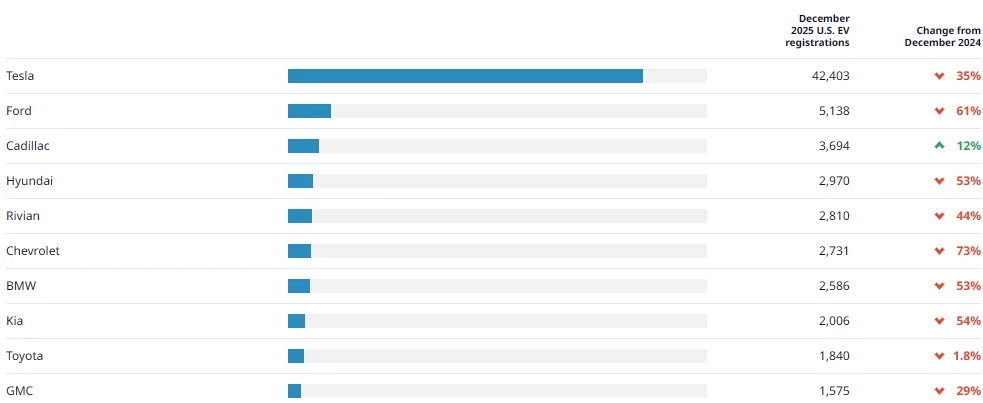
- December 2025: 75,427 EVs registered – a 48% drop YoY. EV market share in the light‑vehicle segment fell to 5.3% from 9.9% a year earlier.
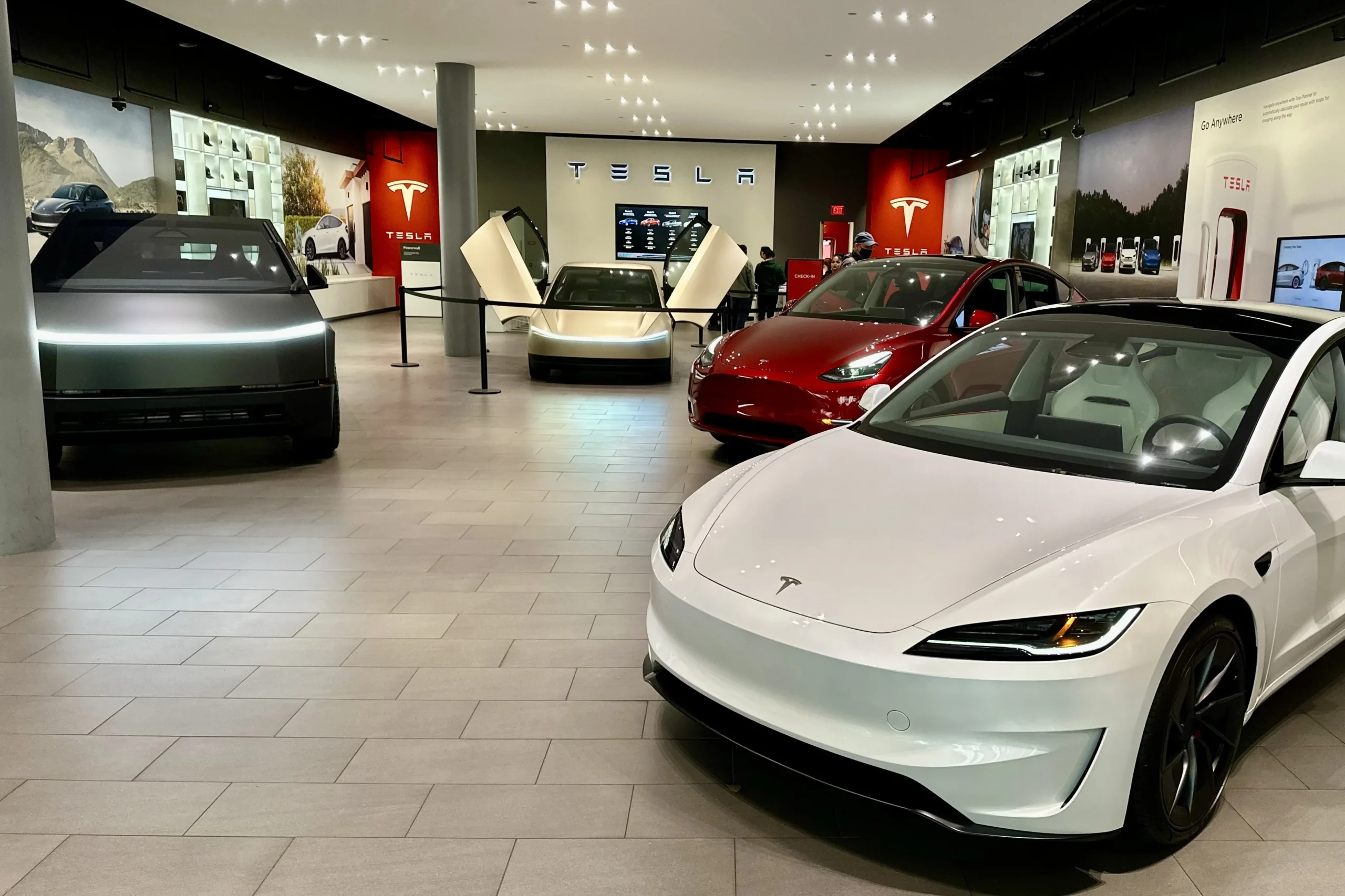
- Tesla: New registrations declined 35% in December to 42,403 units. The Model Y stayed on top with 29,121 registrations, but overall Tesla registrations were down 6.8% for the year, leaving the company with a 44.9% market share.
- Ford: December registrations plunged 61% to 5,138 units. The F‑150 Lightning fell 69% to 1,447 units and stopped production for the month. Annual EV registrations for Ford fell 11% to 85,601, dropping its market share to 6.7%.
- Cadillac: Saw a 12% rise in December to 3,694 units and a 73% increase for the full year, reaching 50,065 registrations.
- Hyundai: December fell 53% to 2,970 units, yet overall 2025 registrations edged up 1.2% to 65,376.
- Rivian: December down 44% to 2,810 units; annual total down 9.9% to 43,732.
- VinFast: Only 121 new vehicles were registered in December, a 64% decline from the same month in 2024.
Growth trends before the dip
From 2021 to 2024, EV registrations surged: +88% in 2021, +58% in 2022, +52% in 2023, and a modest +11% in 2024. The first half of 2025 still showed a 7% increase before the tax‑credit phase‑out took effect on September 30.

Looking ahead
Analyst Tom Libby notes that the market is likely to stabilise as manufacturers roll out fresh discounts and pricing improves. Better charging coverage and price parity with internal‑combustion vehicles are expected to drive a slower, more sustainable growth path.
While the short‑term shock appears pronounced, most experts agree the U.S. EV market will not collapse. Instead, it is entering a maturation phase where incremental gains replace the previous hyper‑growth surge.
Key take‑aways
- The federal tax credit’s removal triggered the sharpest monthly decline on record.
- High upfront costs and limited charging infrastructure remain the biggest barriers for mass adoption.
- Tesla retains a dominant position, largely thanks to the Model Y’s brand loyalty.
- Traditional automakers such as Ford are recalibrating production in response to weaker demand.
- Industry outlook points to gradual growth, supported by expected price reductions and infrastructure investments.
For consumers and investors alike, the next few years will be critical in shaping how quickly electric mobility becomes mainstream in the United States.