
A new Cox Automotive study reveals 69% of US Gen Z are willing to consider Chinese car makers. Discover the trends shaping the EV market today.
Online car‑enthusiast forums are buzzing with posts touting a “next‑gen” Chinese electric vehicle that allegedly smashes every U.S. model on performance and price. The catch? That vehicle doesn’t exist in the American market.
Consumer Attitudes Are Splitting
According to a recent Cox Automotive survey, U.S. car shoppers are sharply divided on Chinese automakers. Overall, 38% say they would seriously consider a Chinese brand, while another 39% say they would not. The gap widens dramatically among Generation Z (born mid‑1990s to early 2000s), where a striking 69% express openness to Chinese‑made cars.
Brand Awareness Remains Shallow
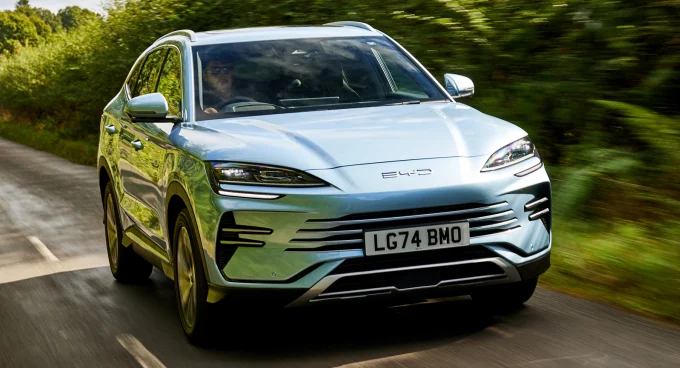
Familiarity with Chinese marques is limited. Roughly half of respondents claim they have heard of Chinese brands, but deep knowledge drops off fast. BYD tops the recognition list, cited by more than one‑third of participants, yet only 17% can say they truly understand what the brand offers.
Dealership awareness lags even further—just 25% of dealers reported knowing BYD at all. This indicates that discussion of Chinese manufacturers is still in its infancy at the retail level.
Dealers Are Cautiously Skeptical
Even though around 40% of consumers say they’re interested in Chinese brands entering the U.S., only 15% of dealers say they’d welcome such a move. A solid 92% voice concerns ranging from reliability and safety to long‑term survivability. Their hesitation outweighs the roughly 60% of shoppers who say they don’t mind the origin of a vehicle.
Nevertheless, about 70% of dealers admitted they would adjust their business strategy if Chinese firms entered the market, suggesting preparation driven more by doubt than optimism.
The Power of Partnerships
When respondents were asked whether they would consider a Chinese automaker partnered with an established American brand, the willingness to buy jumped to 76%. The data implies that the brand‑by‑association effect may be as influential as price or product features.
Price Beats All—But Not All the Way
Affordability tops the list of purchase drivers. Nearly half of surveyed consumers rate price positively, and 35% highlight performance. Chinese cars typically price lower than most competing brands, yet concerns over durability, safety, quality and reliability still dominate buying decisions.
Current Market Leaders Remain Hard to Displace
In head‑to‑head comparisons, the Tesla Model Y retains its top spot among electric‑vehicle shoppers, while the Chevrolet Equinox leads the internal‑combustion segment. Long‑standing American brands benefit from entrenched trust and familiarity.
When steep discount programs are introduced into the comparison, a notable share of price‑sensitive buyers—especially those in lower‑income brackets—indicate they would switch to a cheaper alternative, underscoring how price can thin the gap but not erase brand loyalty.
What This Means for the Future
Traditional U.S. automakers maintain a solid advantage, bolstered by reputation and dealer networks. Chinese manufacturers could narrow the distance through aggressive pricing, yet they must also address lingering doubts about quality and service to win broader acceptance.
The study suggests a two‑track path forward: (1) Chinese firms may need to forge joint ventures or alliances with respected U.S. brands to boost credibility, and (2) dealers will likely play a gatekeeping role, demanding clear guarantees of safety, reliability, and long‑term support before opening their lots to new entrants.