
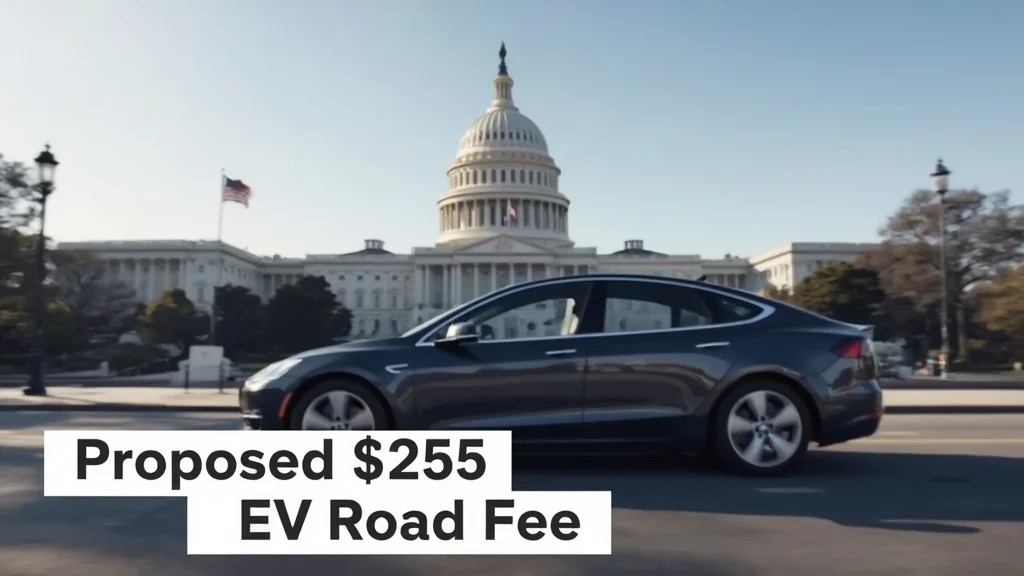
Lawmakers propose a $250 annual fee for electric cars to fund highway repairs. Discover how this EV road repair fee could impact owners – read more now!
Washington is gearing up for another round of debate over how electric vehicles (EVs) should contribute to the nation’s crumbling road network. The U.S. House of Representatives is set to review a proposal that would levy a $250 yearly fee on pure‑electric cars and a $100 fee on hybrids.
What the bill entails
Sponsored by a group of Republican lawmakers, the bill would add the new charges to the existing five‑year highway funding bill, which is slated to expire on September 30, 2025. Proponents argue that the fees would help close a financing gap as gasoline tax revenues decline.
Why the fee matters
Currently, most federal road‑maintenance money comes from the gasoline excise tax. Because EVs don’t use gasoline, they bypass this traditional source of funding despite using the same public highways. A $250 annual charge—about three times the average federal gasoline tax paid by a conventional car—aims to level the playing field.
Political backdrop
Earlier this year, several states began imposing their own EV fees to cover local road‑repair costs. At the federal level, Congress has resisted raising the gasoline tax, preferring to fund infrastructure through dedicated spending bills. The new proposal follows a broader effort from the Trump administration (which eliminated the $7,500 federal EV tax credit in 2025) to curb rapid EV adoption.
Industry response
The Electric Power Research Institute, which lobbies on behalf of the EV sector, slammed the plan as “unfair,” noting that a typical gasoline‑powered vehicle pays roughly $88 per year in federal fuel taxes. They argue that the proposed fee would disproportionately penalize early‑adopter EV owners.
Implications for drivers
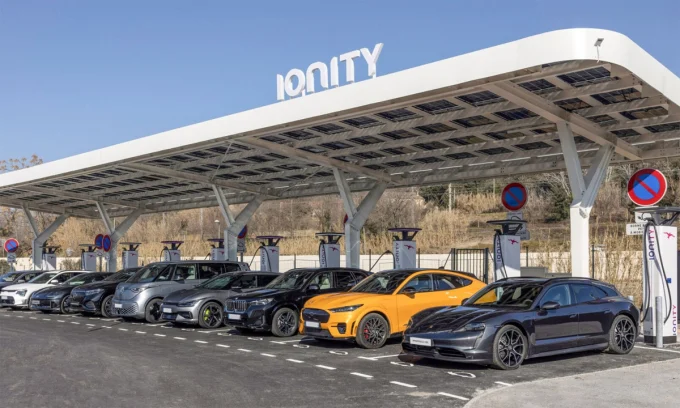
If enacted, the fee would be collected annually, likely through the Department of Motor Vehicles when owners renew their registration. For owners of models like the Ford Mustang Mach‑E or Tesla Model 3, the added cost could amount to a few dozen dollars per month, nudging some buyers to reconsider the total cost of ownership.
What’s next?
The bill faces an uncertain path to the Senate, especially with the upcoming November midterm elections shaping the balance of power in Congress. Lawmakers on both sides acknowledge the need for a sustainable highway funding model, but consensus on how to involve EVs remains elusive.
Stay tuned for updates as this story develops and consider how potential fees might affect your own electric‑vehicle plans.