

The DOT will roll back strict fuel‑efficiency rules for heavy trucks, reversing Biden‑era standards. See the impact on costs, drivers and the environment.
In a surprising shift, the U.S. Department of Transportation (DOT) is preparing a proposal to relax the fuel‑efficiency standards that apply to heavy‑duty trucks and vans. The move aims to reverse the stringent rules adopted during President Joe Biden’s administration.
What the DOT proposal entails
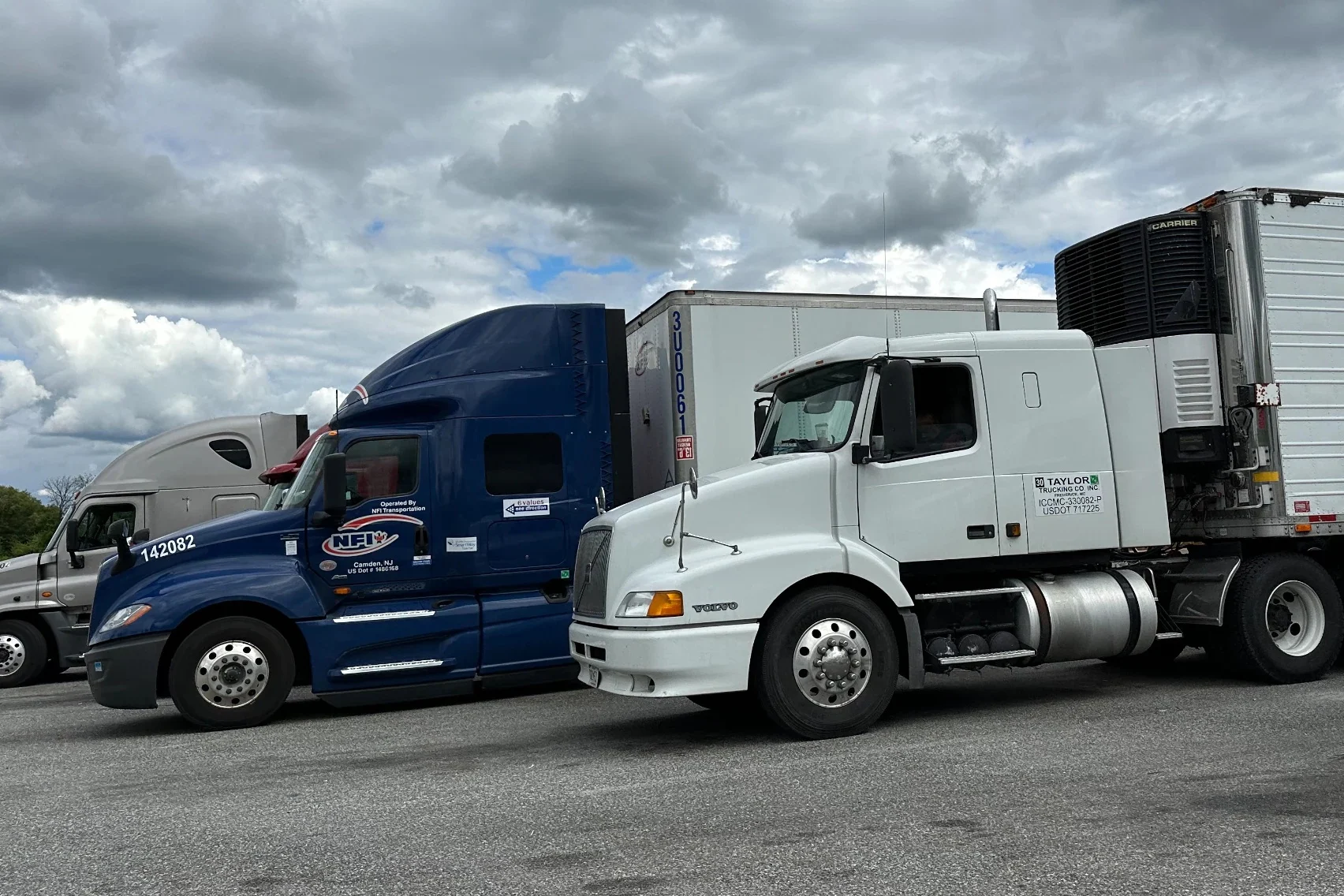
The agency plans to lower the required average fuel‑economy improvements for 2024‑2035 model years. Instead of the 8‑10% annual gains set in 2022, the new draft would reduce the increase to just 0.25‑0.5% per year through 2031.
NHTSA’s criticism of the current standards
The National Highway Traffic Safety Administration (NHTSA) has called the existing targets “unrealistic” and said they place an undue burden on American consumers and businesses that rely on commercial trucks. NHTSA chief Jonathan Morrison argued that the standards jeopardize the cost‑effectiveness of owning and operating heavy‑duty vehicles.
Background: Biden‑era fuel‑economy goals
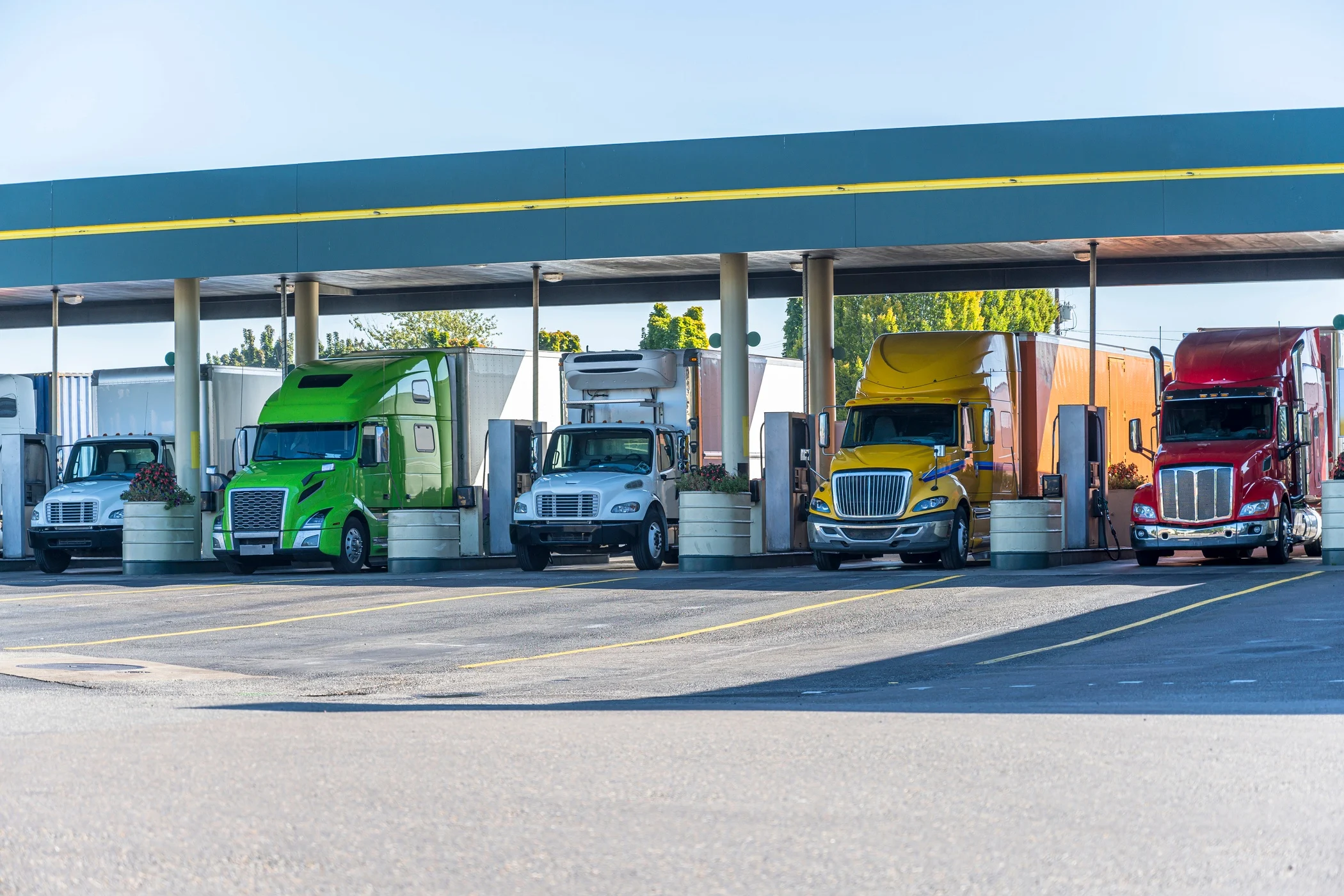
Under the Biden administration, the EPA and DOT pledged that the average fuel consumption of heavy‑duty trucks would reach about 35 mpg (15 km/L) by the 2035 model year. The expectation was that operators could save roughly $700 in fuel costs over a vehicle’s lifetime.
Industry pushback
The American Trucking Associations (ATA) warned in 2024 that the 2030 targets were “completely unattainable.” The group cited a lack of zero‑emission vehicle technology, insufficient charging infrastructure, and constraints within the power grid as major obstacles.
Potential impact of the rollback
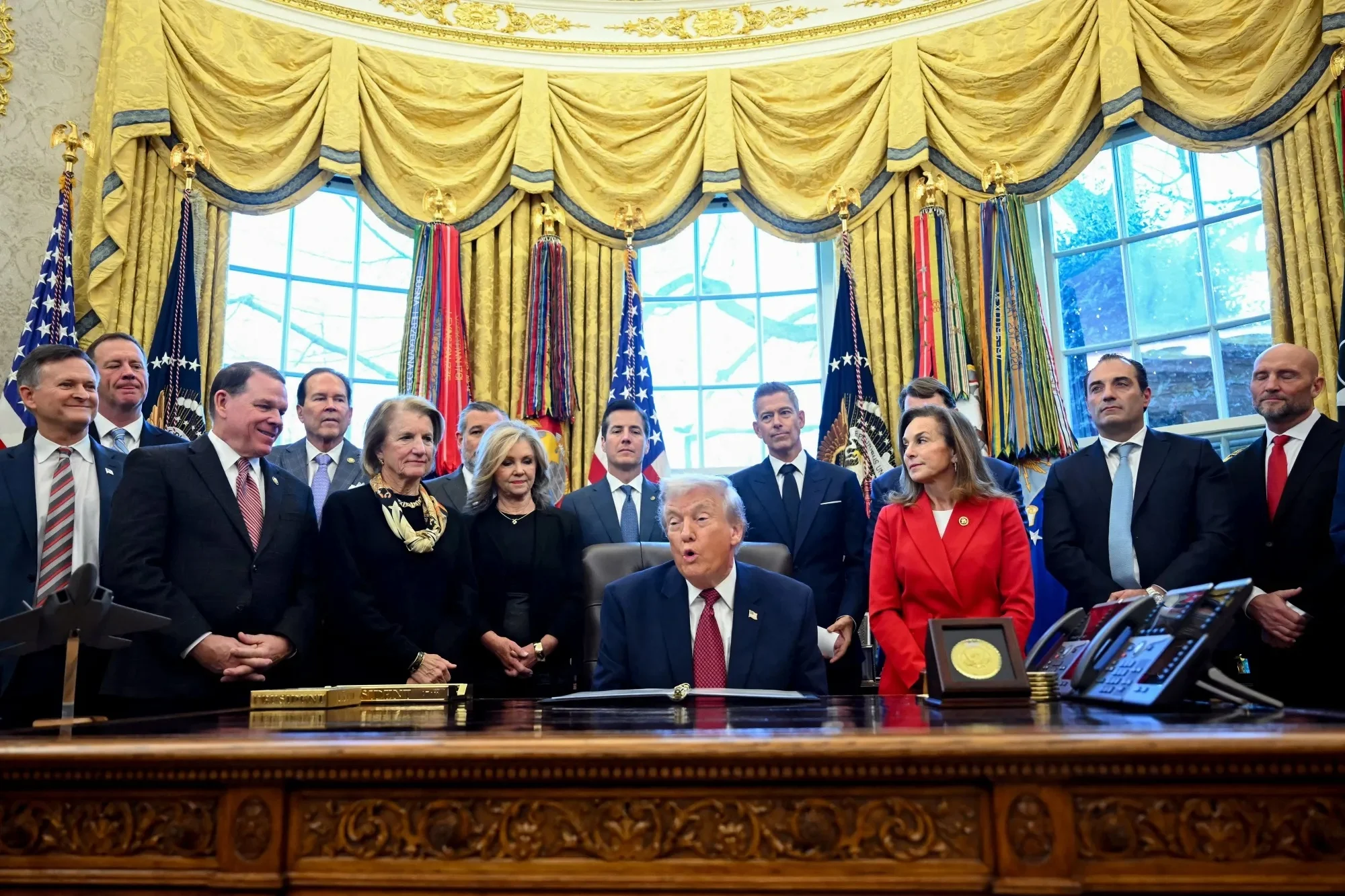
If the revised standards are adopted, NHTSA estimates that manufacturers could reduce vehicle‑development costs by about $930 per truck. However, the agency also projects that U.S. gasoline consumption could rise by roughly 378 billion liters between now and 2050, adding an estimated $185 billion in fuel expenses for drivers and increasing CO₂ emissions by about 5%.
Legal and regulatory context
Last year, former President Donald Trump signed legislation that eliminated civil penalties for non‑compliance with fuel‑efficiency standards on passenger cars and light trucks. NHTSA confirmed that automakers will not face retroactive fines for models from the 2022‑2025 model years.
What’s next?
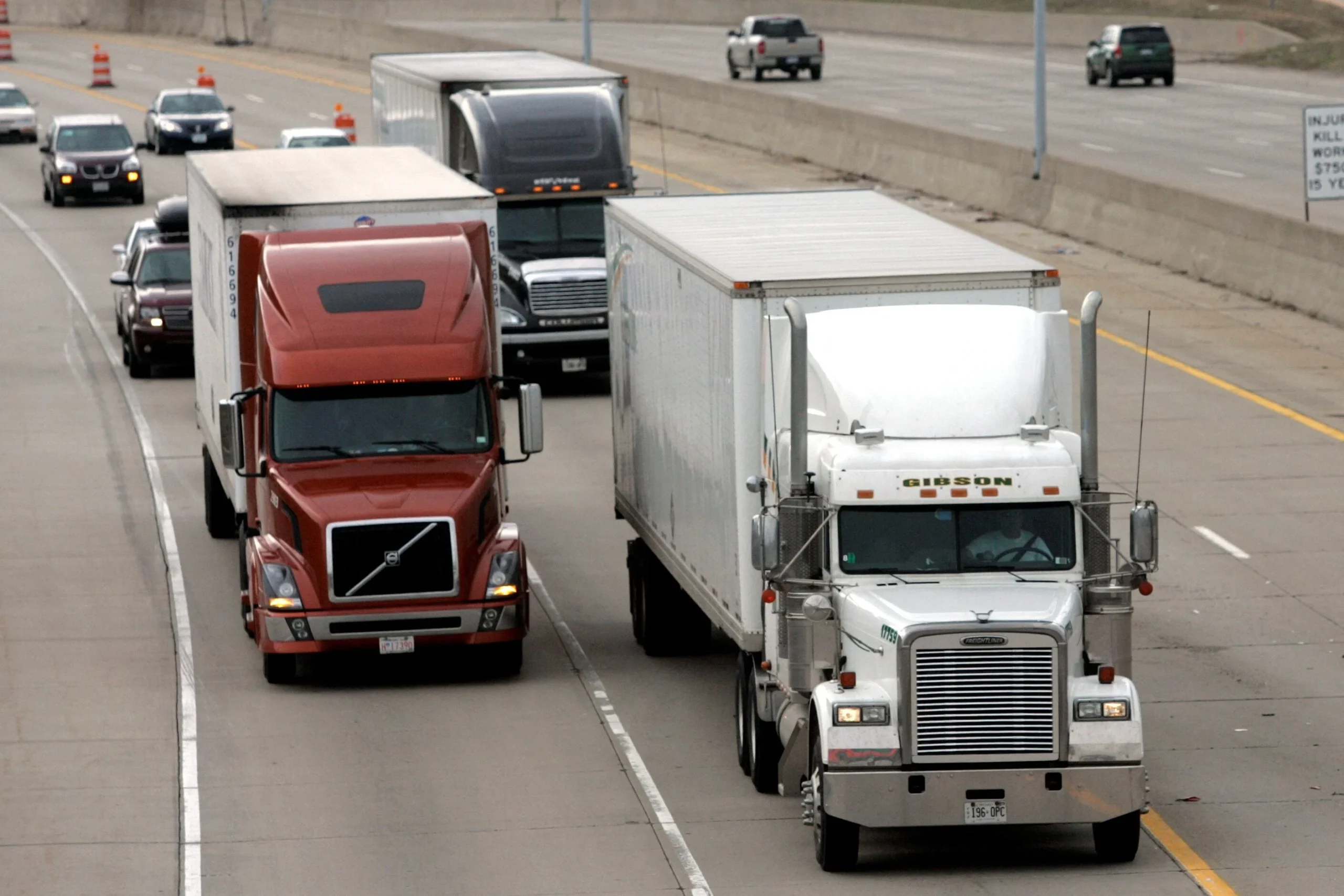
NHTSA says it hopes to finalize the new regulations quickly. Stakeholders, from manufacturers to environmental groups, are expected to weigh in during the public‑comment period, which could shape the final shape of the standards.
Stay tuned as the U.S. navigates the delicate balance between transportation efficiency, industry feasibility, and climate goals.