
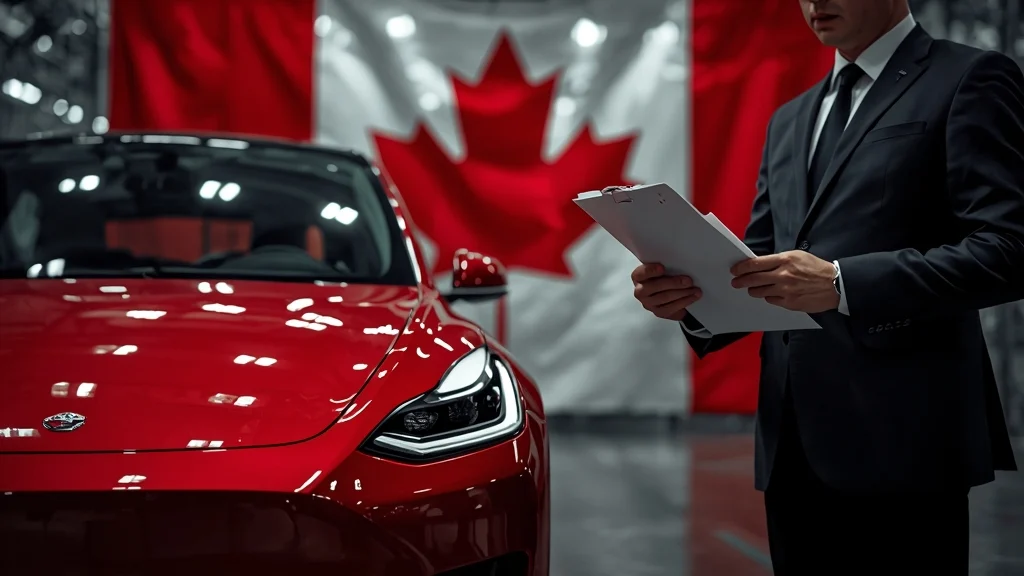
US officials caution Canada may regret allowing Chinese electric vehicles, urging stricter measures. Learn the implications now.
In early 2024, Canada slapped a 100% tariff on Chinese-made electric vehicles (EVs), mirroring the United States’ hardline stance. The policy was intended to protect North‑American manufacturers and curb what officials describe as “dumping” from Beijing.
New Import Limits Spark Washington Concerns
Later this year, Ottawa announced a shift: up to 49,000 Chinese EVs would be allowed into the Canadian market each year. The move has triggered alarm bells in Washington, where policymakers warn that Beijing could use the opening to solidify a foothold in North America.
U.S. Transportation Secretary’s Warning
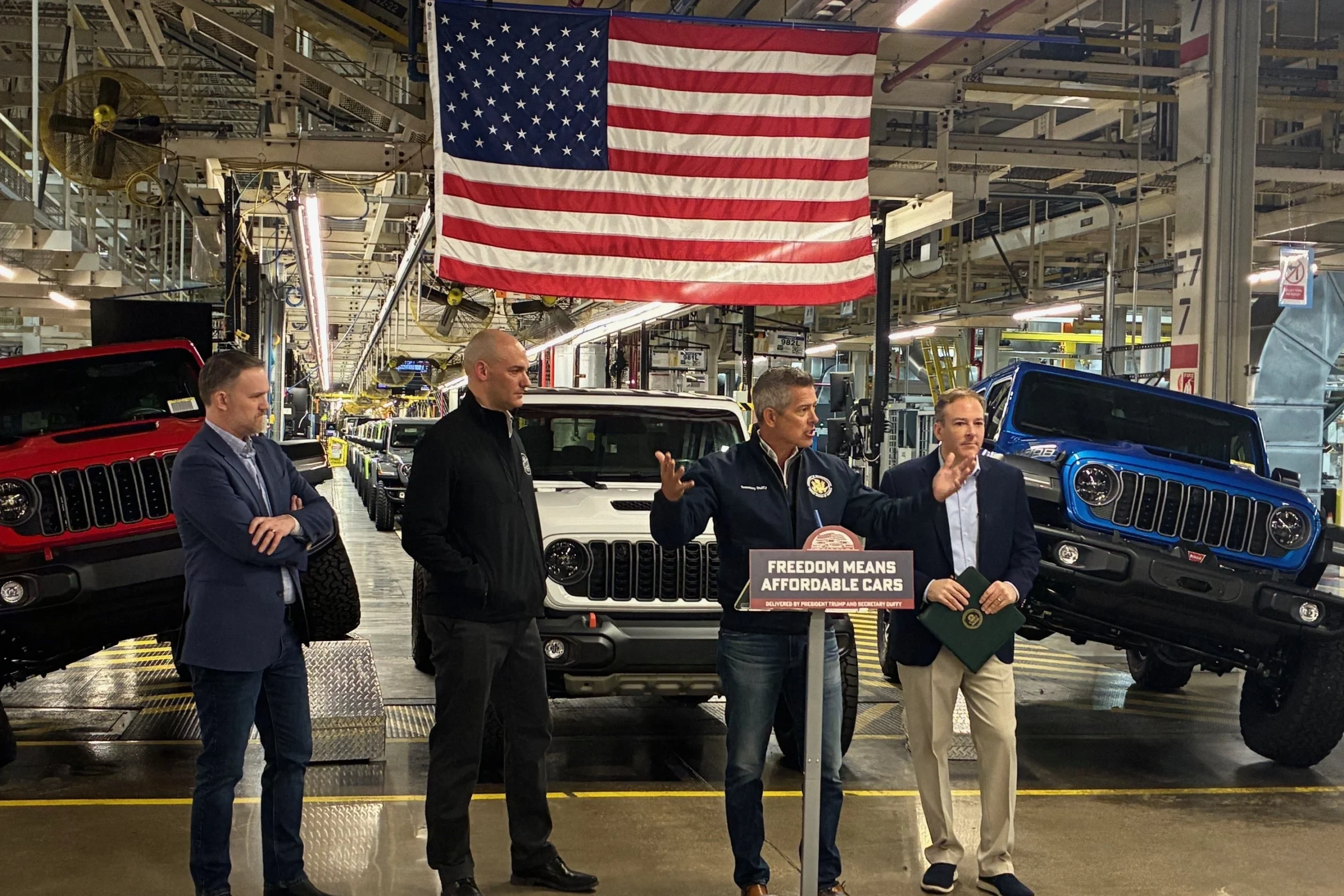
Speaking at a Ford plant in Ohio, U.S. Secretary of Transportation Sean Duffy said, “Canada will soon realize the consequences of this decision and will likely regret letting Chinese cars onto its roads.” Duffy made the comment while promoting efforts to lower vehicle costs for consumers.

Trade Representative’s Reassurance—and Skepticism
U.S. Trade Representative Jameson Greer stressed that the capped import quota would not disrupt American automakers supplying Canada, noting, “Those cars are destined for Canada only; they won’t flow into the United States.” However, in a private interview with CNBC, Greer called Canada’s policy “problematic,” adding, “We tax Chinese vehicles to protect American auto workers and consumers.”
Political Backlash in Washington
Even as former President Donald Trump expressed openness to Chinese manufacturers building factories on U.S. soil, bipartisan opposition remains strong. Leaders from both the Republican and Democratic parties warned that allowing Chinese EVs could threaten the domestic auto industry.
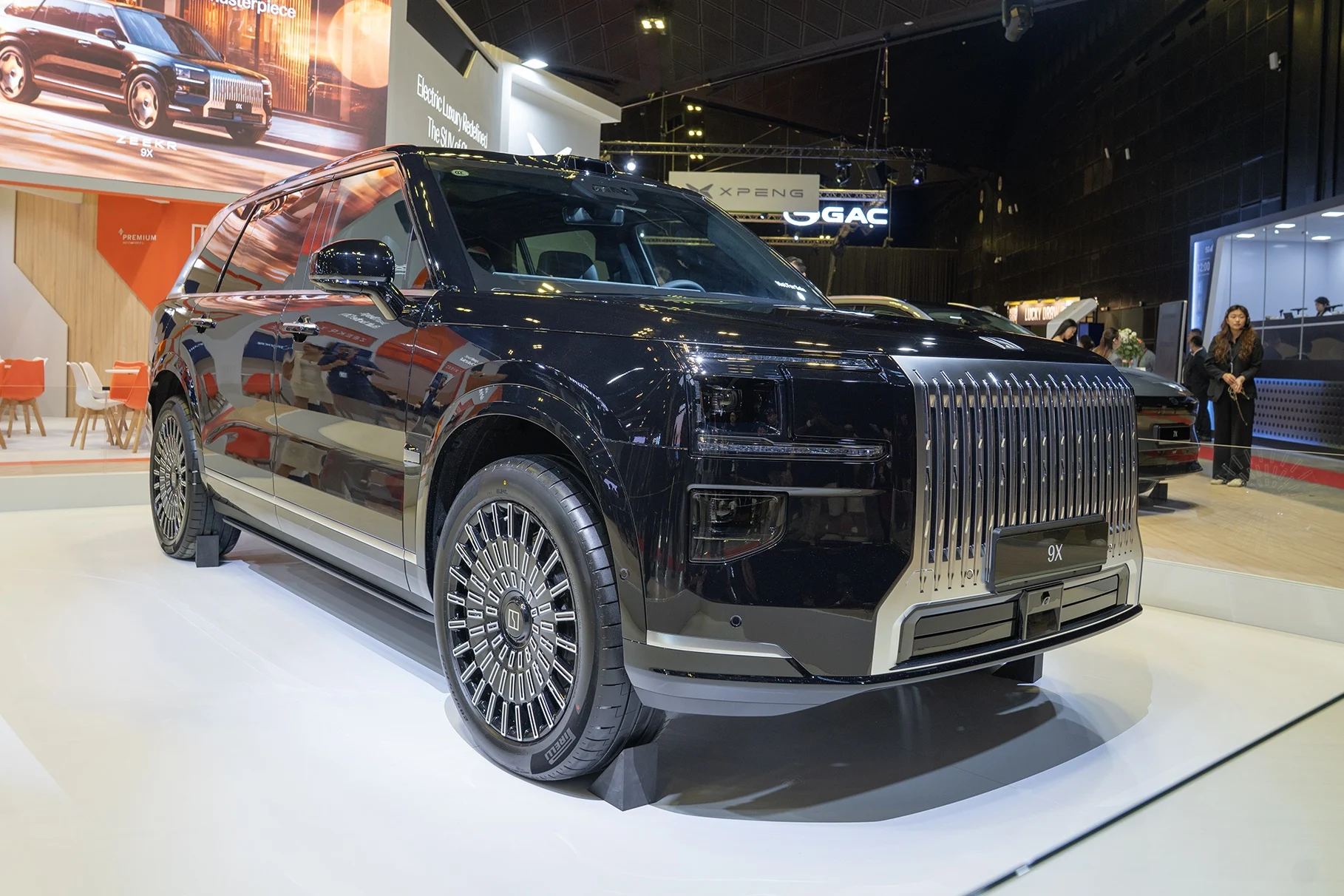
Ohio Republican Senator Bernie Moreno bluntly declared, “As long as I breathe, there will be no Chinese cars sold in the United States—period.” His statement earned applause from fellow lawmakers at the hearing.
Canada’s Broader Trade Negotiations
Prime Minister Mark Carney hopes the EV concession will lead China to lower tariffs on Canadian canola, targeting a combined rate of about 15% before March 1. Greer remains doubtful that the long‑term benefits will materialize, warning that Beijing may regret the agreement once it fully assesses the impact.
Upcoming Cybersecurity Hurdles
New U.S. regulations set to take effect in January 2025 will require connected vehicles to meet strict cybersecurity and GPS standards. Greer warned that “Chinese manufacturers will find it challenging to comply with our rigorous security requirements,” adding another layer of difficulty for any Chinese EV hoping to enter the U.S. market.
While Canada’s limited‑volume approach aims to give consumers more affordable electric options, the escalating trade tug‑of‑war underscores the geopolitical stakes surrounding the global shift to clean transportation.