
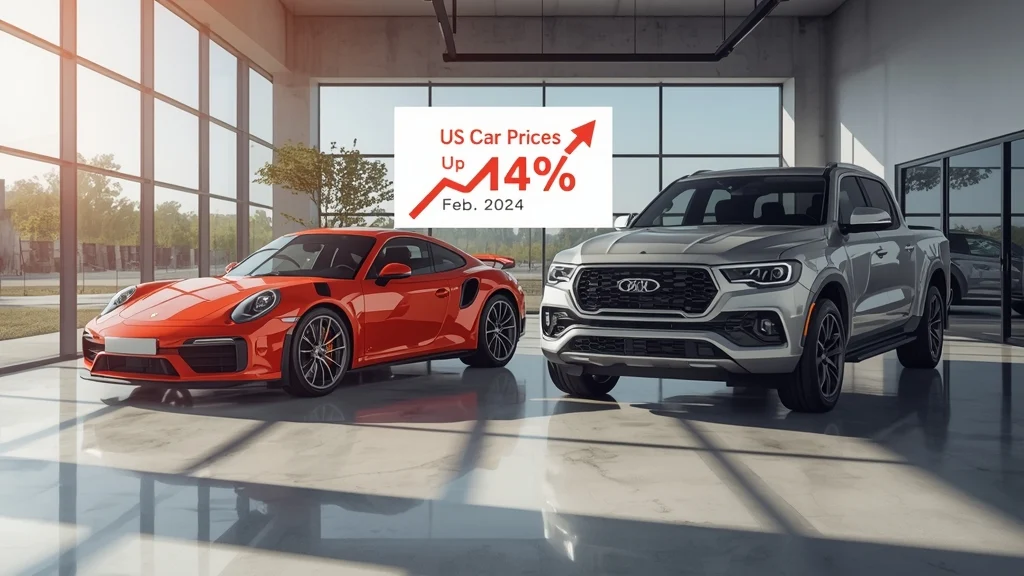
Discover why high‑performance sports cars and premium trucks are pushing U.S. car prices up by 14% in February 2024. Read the full KBB analysis now.
According to a new report from Kelley Blue Book (KBB) – cited by Carscoops – high‑performance sports cars and full‑size premium pickups are at the forefront of a sharp price increase across the United States.
Record Gains for High‑Performance Vehicles
In February, the average transaction price for performance‑focused models jumped 14.5% to $133,913. This rise is almost three times the growth rate of the overall market. Wealthy buyers appear willing to pay a premium for top‑speed machines.
Porsche was the standout, with its average transaction price reaching $125,458, an 11.1% increase year‑over‑year.
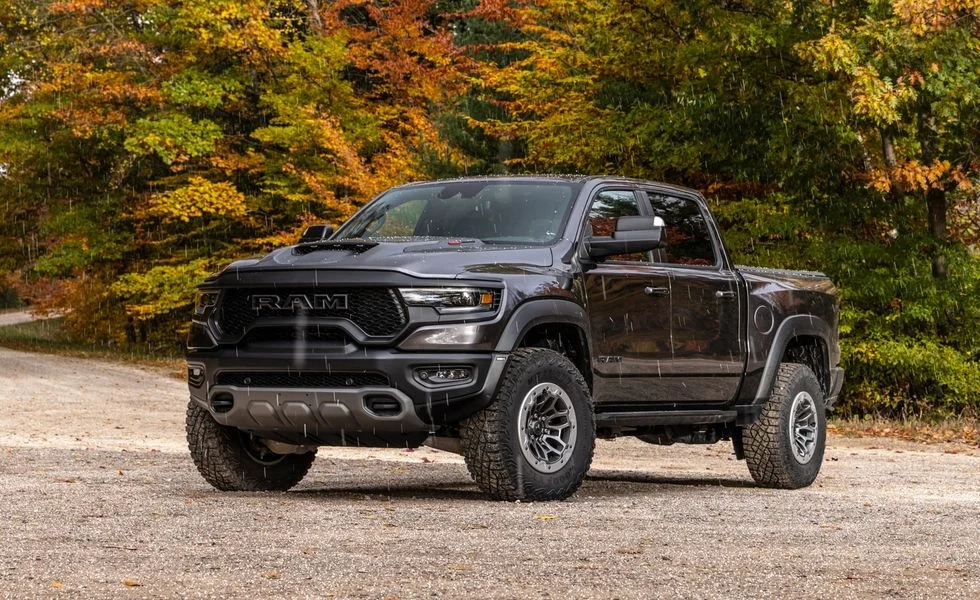
Luxury Trucks Also See Strong Appreciation
Upscale pickup trucks followed suit. The average price paid for a premium truck in February hit $99,698, marking a sizable jump from the same period last year.
Overall Market Remains Steady
While niche segments surged, the broader market showed modest growth. The typical American spent about $49,353 on a new vehicle in February — a 3.4% increase from February 2023 and only a 0.3% rise compared with January.
Manufacturer suggested retail prices (MSRP) also continued their climb, averaging $51,400 for the month – the 11th consecutive month above the $50,000 threshold.
Small, Inexpensive Cars Defy Expectations
Even budget‑friendly compact cars posted a surprising jump, with average transaction prices up 11.9% to $24,939. This brings them close to the $27,341 average for the midsize segment.
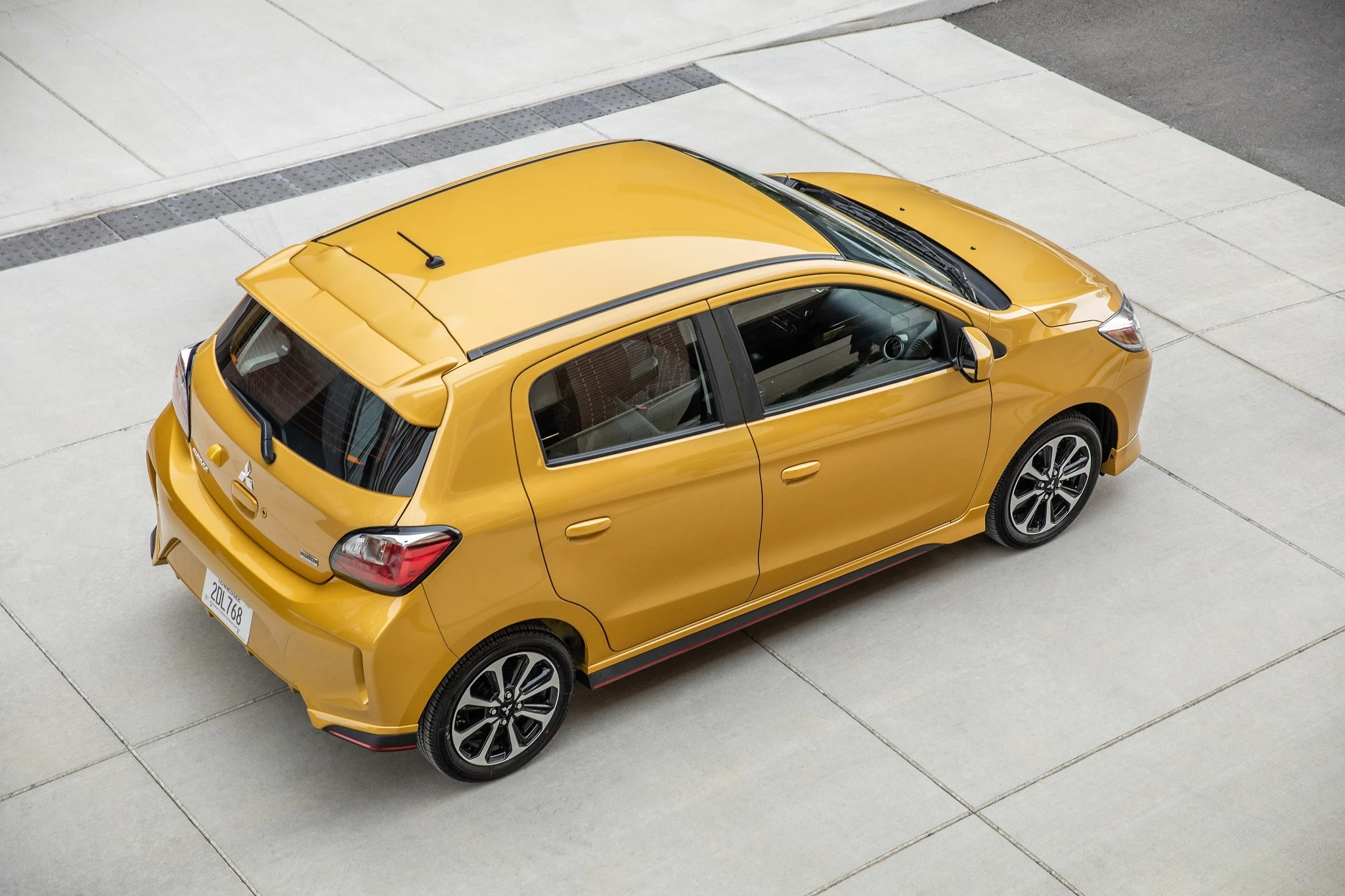
The surge reflects the phase‑out of low‑cost models such as the Mitsubishi Mirage and Nissan Versa, which are either discontinued or slated for market withdrawal. Consequently, Nissan and Mitsubishi recorded the highest year‑over‑year price gains in the KBB data, exceeding a 10% increase.
Electric Vehicles Experience the Opposite Trend
Electric cars saw a contrasting movement. Average transaction prices fell to roughly $55,300 in February, thanks to generous incentives.
The price gap between electric and gasoline-powered vehicles narrowed to about $6,500—one of the smallest differentials on record.
Incentives and Sales Outlook
Industry‑wide incentives edged up to an average of 6.9% in February, a slight rise from 6.5% earlier in the year and approaching the 7% level seen in 2023. Premium SUVs and small luxury SUVs benefited most, whereas large SUVs and sports cars received the smallest discounts.
Despite the incentive push, demand for EVs remains uneven. Tesla’s estimated February deliveries slipped to about 38,500 units, an 8.9% decline YoY and the lowest monthly figure since late 2021. Across all EV segments, sales fell roughly 26% compared with the same month a year earlier.
Key Takeaways
- Performance cars and premium trucks are the primary drivers of price growth, with average transaction values up 14% YoY.
- The overall market is stable, with modest price increases and MSRP staying above $50k for the 11th month.
- Budget compact cars are also climbing in price as manufacturers discontinue the cheapest models.
- Electric vehicle prices are falling, and incentives are narrowing the price gap with gasoline cars, yet sales are decreasing.
These dynamics underscore a diverging landscape: high‑end performance and luxury segments are thriving on price hikes, while the EV market wrestles with lower prices and softening demand.