
US officials caution Canada that allowing Chinese electric vehicles could have serious trade repercussions. Discover the stakes and future outlook. Read more.
Canada’s recent decision to lift its 100% tariff on Chinese‑made electric vehicles (EVs) and permit up to 49,000 units into the market has sparked a diplomatic ripple across North America. While the move aims to broaden consumer choice and reduce car prices, U.S. officials see it as a potential gateway for Beijing to deepen its foothold in the continent’s auto sector.
Background: From Full Tariffs to Limited Access
In 2024, Canada mirrored the United States by imposing a 100% import duty on Chinese EVs, effectively barring them from its roads. The new policy, announced earlier this year, relaxes that stance by allowing a capped shipment of 49,000 vehicles. The change has raised eyebrows in Washington, where policymakers are already tightening rules on automotive parts and components from Canada.
Washington’s Reaction at a Glance
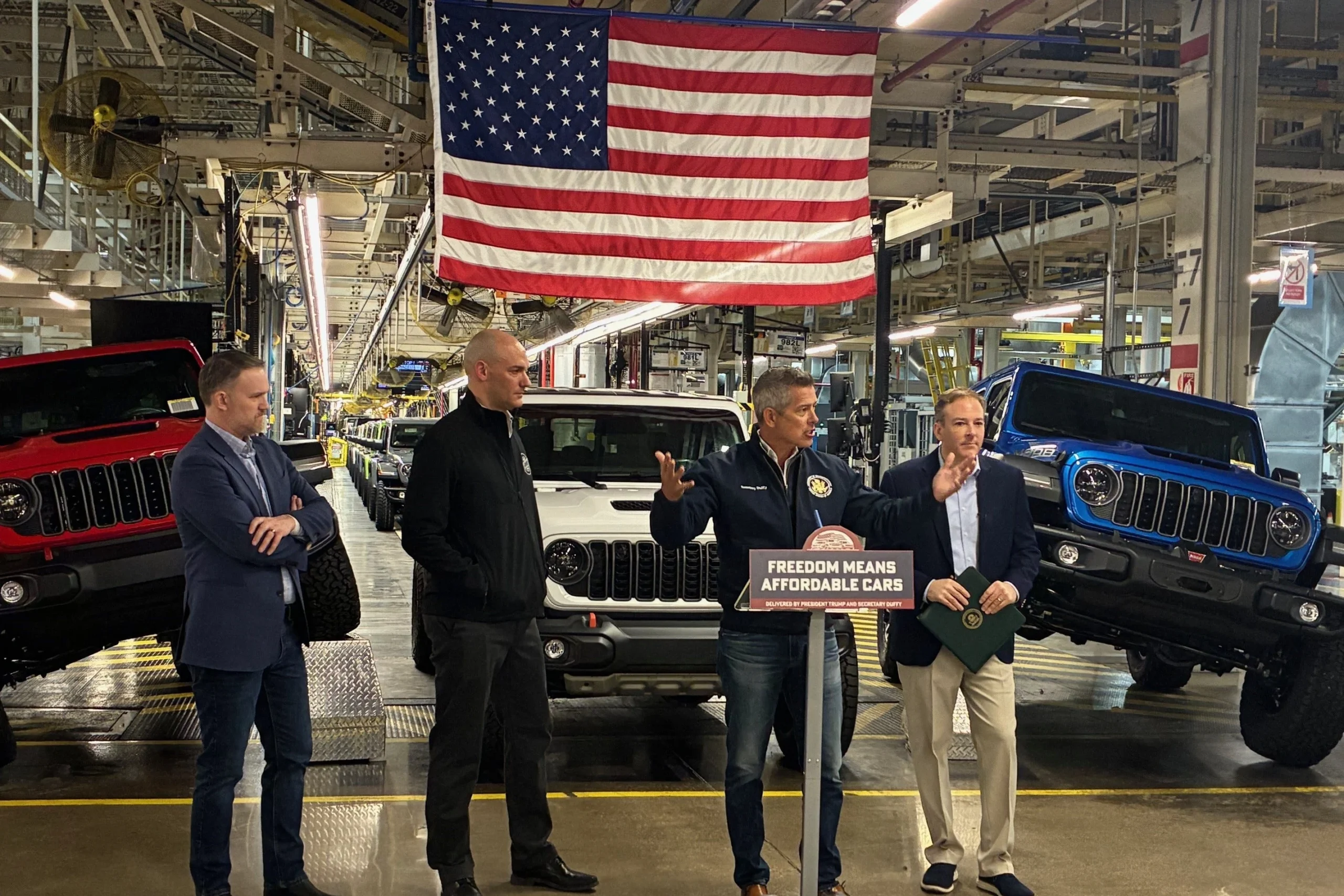
Speaking at a Ford plant in Ohio, U.S. Secretary of Transportation Sean Duffy warned that Ottawa may soon regret the decision. “I think they’ll look back and wish they hadn’t opened the market to Chinese cars,” Duffy said while promoting initiatives to keep vehicle prices low for American consumers.
U.S. Trade Representative Jamieson Greer added that the limited import quota is unlikely to disrupt American automakers exporting to Canada. “Those cars are headed to Canada only – they won’t enter the United States,” he noted.
Why the U.S. Is Skeptical
In a private interview with CNBC, Greer described Canada’s policy shift as “problematic.” He emphasized that the United States levies tariffs to protect American auto workers and buyers from what it perceives as under‑priced Chinese competition.

Greer also highlighted upcoming regulatory hurdles. Starting January 2025, the U.S. will enforce stricter cybersecurity standards for internet‑connected vehicles and navigation systems. “China will find it difficult to meet our cyber‑security requirements,” he warned.
Political Counterpoints
Former President Donald Trump has taken a more conciliatory tone, suggesting that Chinese manufacturers could even set up production facilities on U.S. soil. However, both Republican and Democratic lawmakers have pushed back, citing concerns that Chinese EVs could erode the domestic auto industry.
Ohio Republican Senator Bernie Moreno made his opposition crystal clear at a recent hearing, declaring, “As long as I breathe, there will be no Chinese cars sold in the United States—period.”
Canada’s Wider Trade Agenda
Prime Minister Mark Carney has linked the EV discussion to broader trade talks, hoping China will lower tariffs on Canadian canola to an aggregate rate of about 15% before March 1. Greer expressed doubt about the long‑term benefits of that agreement, warning that China may later regret the concessions.
What This Means for the Auto Market
The clash underscores a growing strategic competition over electric mobility. While Canadian consumers may enjoy a wider selection of affordable EVs, the United States remains wary of a potential surge of Chinese technology that could outpace its own industry’s adaptation.
Stakeholders on both sides are watching closely as regulatory timelines tighten and political pressure mounts. The coming months will reveal whether the North American auto ecosystem can balance open market policies with security and domestic‑industry safeguards.