

Discover how a proposed 6‑million‑dong reduction in car registration fees and upcoming hybrid/EV incentives may reshape Vietnam’s automotive market. Read more now!

Buying a car in Vietnam involves more than just the sticker price. Buyers also shoulder a stack of fees – registration tax, inspection charges, road‑maintenance levies, license‑plate issuance and compulsory liability insurance. For most passenger vehicles (nine seats or fewer, including pick‑ups), the current registration certificate and plate fee in major cities such as Ho Chi Minh City and Hanoi sits at VND 20 million.

What the proposal entails
The Ministry of Finance has drafted a proposal to slash this fee to VND 14 million, delivering a direct saving of VND 6 million per vehicle. In secondary regions (Category II), the fee would fall from VND 200,000 to VND 140,000 – a modest cut but consistent with the broader reform.
Why a VND 6 million reduction matters
Six million dong (≈ USD 250) may seem modest against a vehicle priced at VND 500 million–1 billion, yet it signals a policy shift aimed at easing the total cost of ownership. Historically, the Vietnamese government has used fee reductions as a psychological lever to spark demand, especially when broader fiscal incentives were limited.
How it stacks up against current dealer promotions
Dealers are already offering heavyweight incentives that dwarf the proposed registration cut:
- Subaru Forester (Thai‑spec) – up to 100 % waiver of registration and excise taxes, plus gifts, worth VND 140‑308 million.
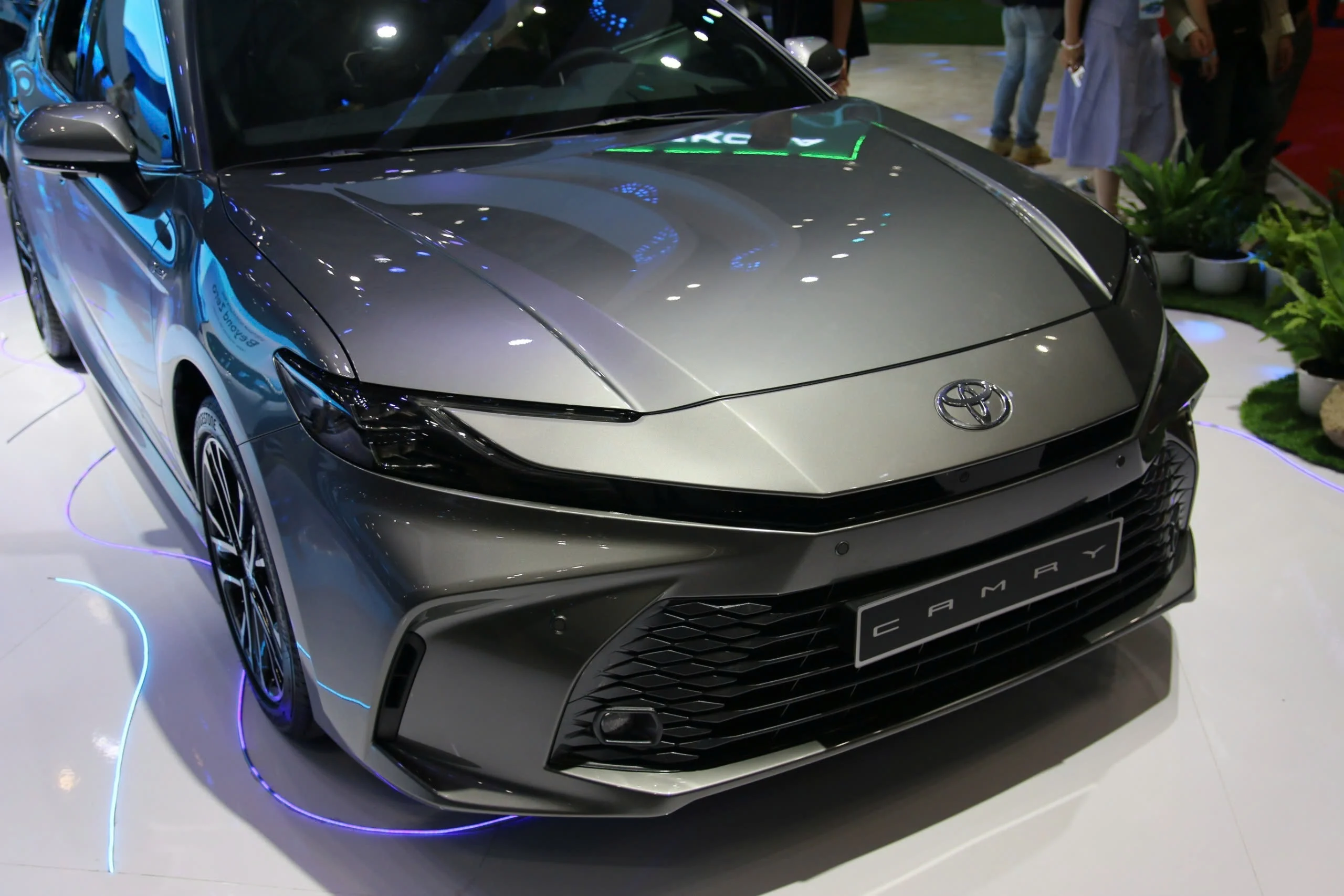
- Toyota Camry – 100 % exemption on registration tax, saving VND 122‑153 million.
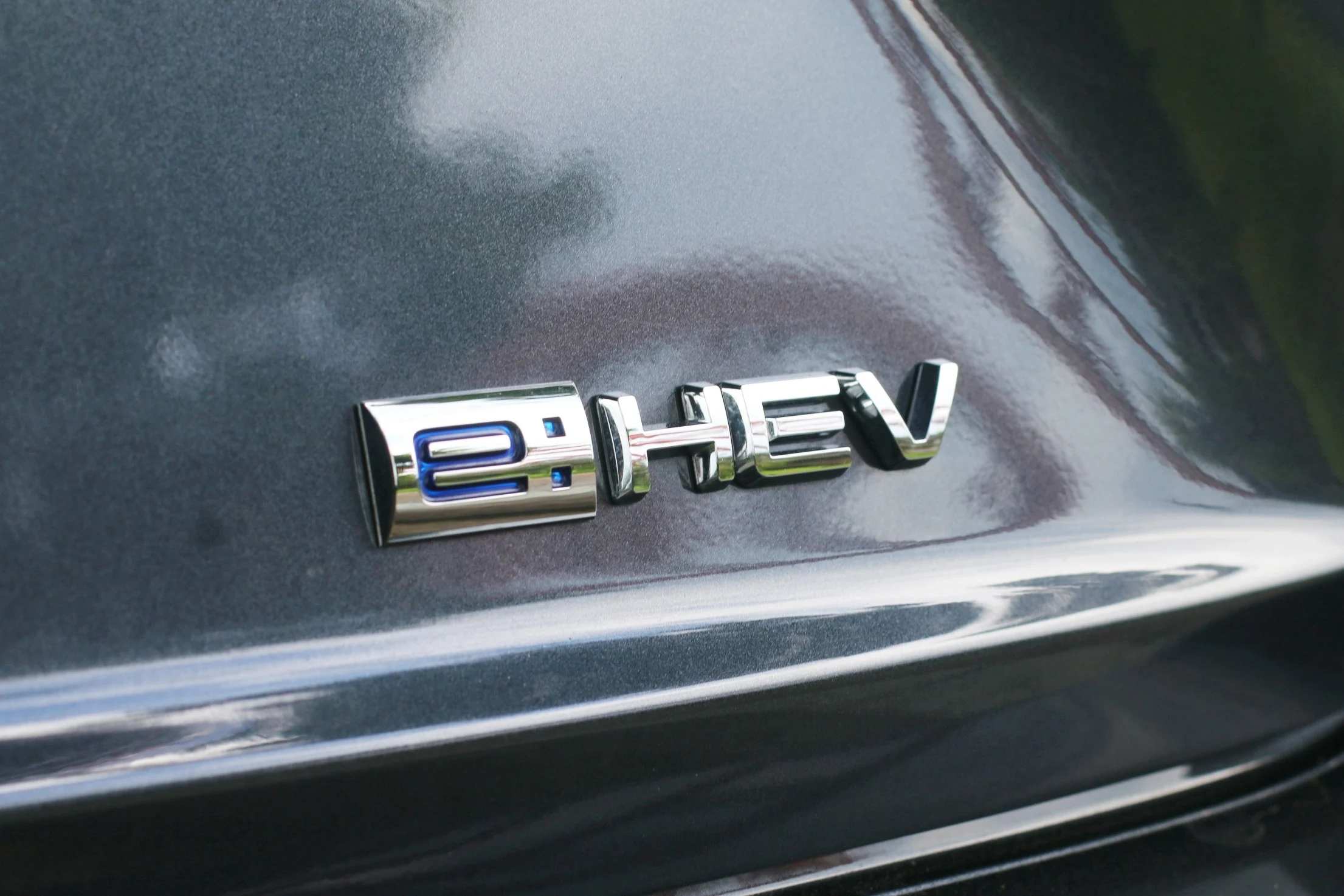
- Honda Civic e:HEV RS (2024) – near VND 100 million off via a full registration‑tax waiver.
- Other models such as Mitsubishi Xpander, Toyota Vios, Honda City, Suzuki XL7 Hybrid, Jimny and Fronx enjoy similar 100 % registration‑tax support.
- Hyundai’s December offers range from VND 50 million to VND 200 million direct price cuts, depending on the model.
These promotions translate into savings that are ten‑to‑twenty times larger than the VND 6 million fee cut, highlighting that the regulatory proposal is modest in monetary terms but potentially powerful in market perception.
Potential ripple effects on consumer sentiment
Even a small, government‑backed reduction can act as a “lever” to nudge hesitant buyers. Past partial waivers of the registration tax (often around 50 %) lifted overall sales volumes across the market, despite the limited absolute value. The logic is simple: any official cost‑saving reinforces the narrative that the market is supportive, encouraging consumers to act.
Looking ahead: hybrid and electric vehicle incentives
Vietnam is gearing up for larger tax reforms that could dwarf the registration‑fee cut. Drafts suggest:
- Hybrid‑electric (HEV) vehicles will face a 70 % reduced special consumption tax compared with gasoline models.
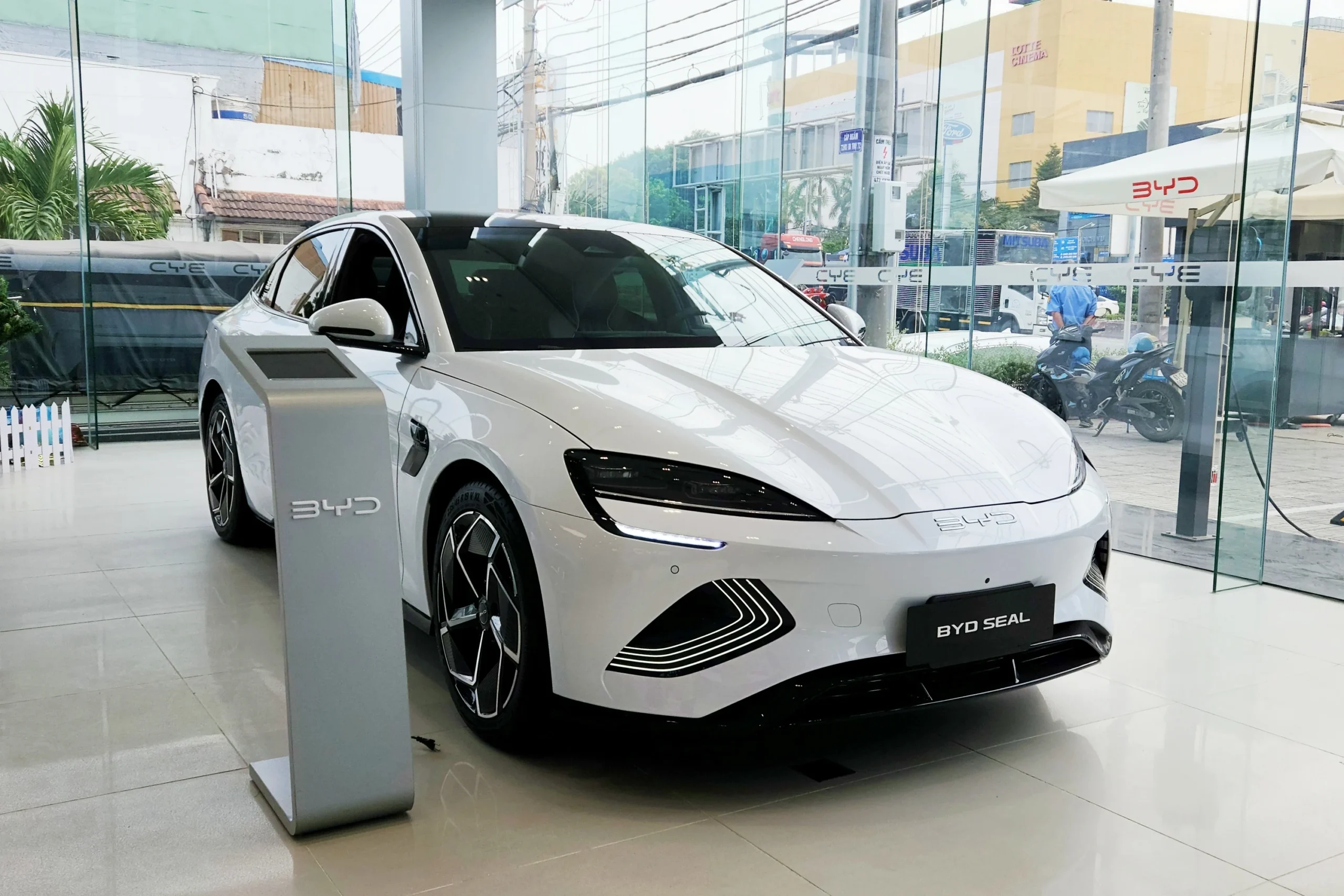
- Electric vehicles (EVs) could benefit from continued exemption from the registration tax until February 2025, a policy that helped VinFast surge to the top of 2024 sales.
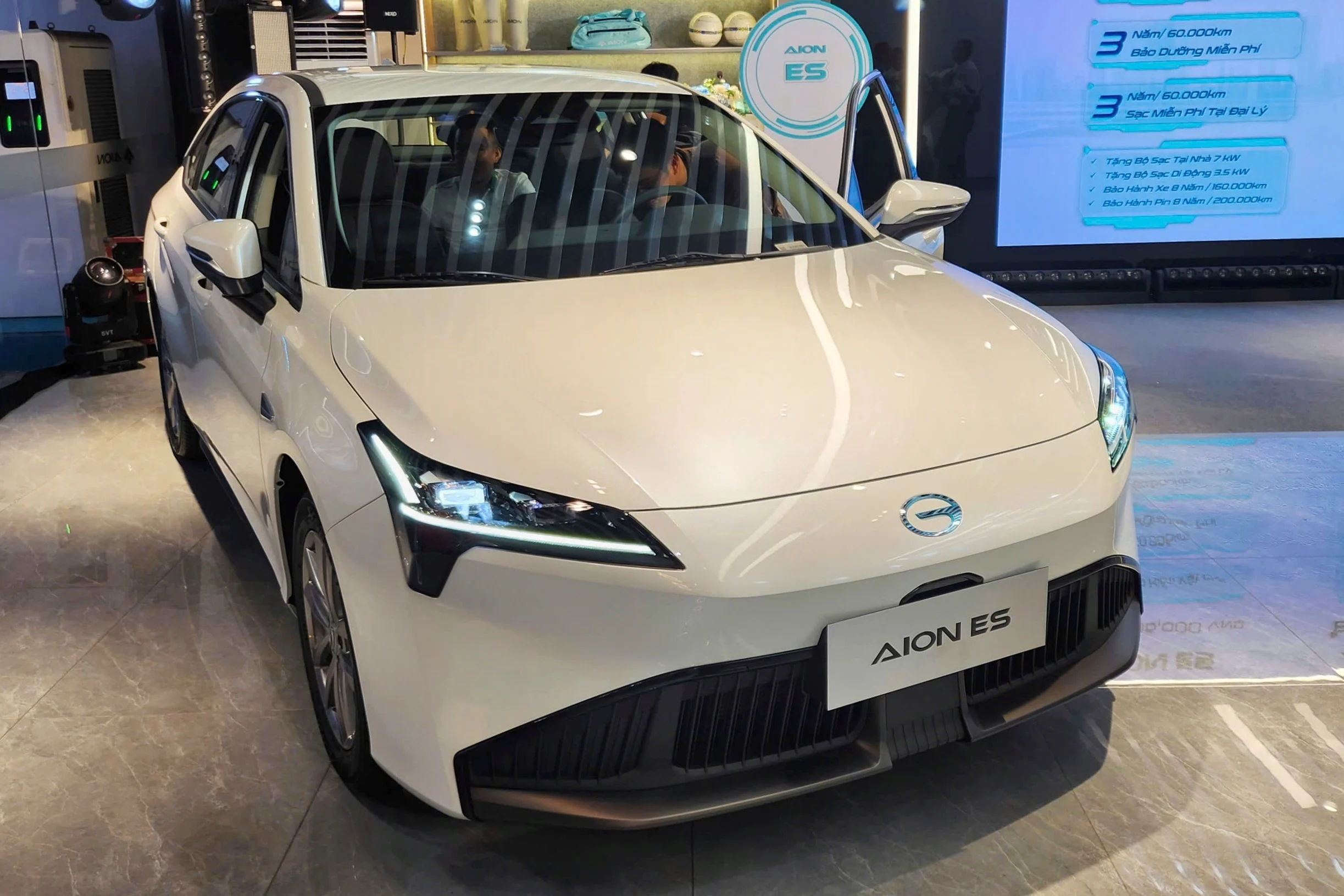
Given Vietnam’s price‑sensitive market, a 30 %‑plus tax discount on hybrids could shave off tens of millions of dong from retail prices, making them far more attractive to middle‑class buyers. Coupled with the already‑successful EV tax holidays that boosted VinFast, BYD and Wuling sales, the next year may witness a dual‑boom in both hybrid and electric segment volumes.
What buyers can expect in 2025
While the registration‑fee cut alone won’t overturn price barriers, it will likely be bundled with dealer promotions and upcoming tax incentives, creating a layered discount structure. Savvy consumers should:
- Watch for official announcements on the HEV tax reduction – it could translate into a real‑world price drop of VND 50‑100 million.
- Leverage dealer‑run registration‑tax waivers, which remain the most substantial immediate saving.
- Consider timing purchases to align with the expiration of EV registration‑tax exemptions (Feb 2025), after which costs may rise.
In short, the modest VND 6 million fee reduction is a positive signal that the government is willing to fine‑tune the cost structure of vehicle ownership. When combined with larger upcoming tax breaks for hybrids and EVs, it could catalyse a notable uptick in Vietnam’s auto market throughout 2025 and beyond.
Bottom line
Even a small regulatory tweak can shift market psychology. The proposed registration‑fee cut, though modest, adds to a suite of incentives that together may accelerate the shift toward greener vehicles while keeping the broader car market lively. Prospective buyers and industry observers should keep a close eye on the rollout of both the fee reduction and the broader tax reforms slated for the coming year.