
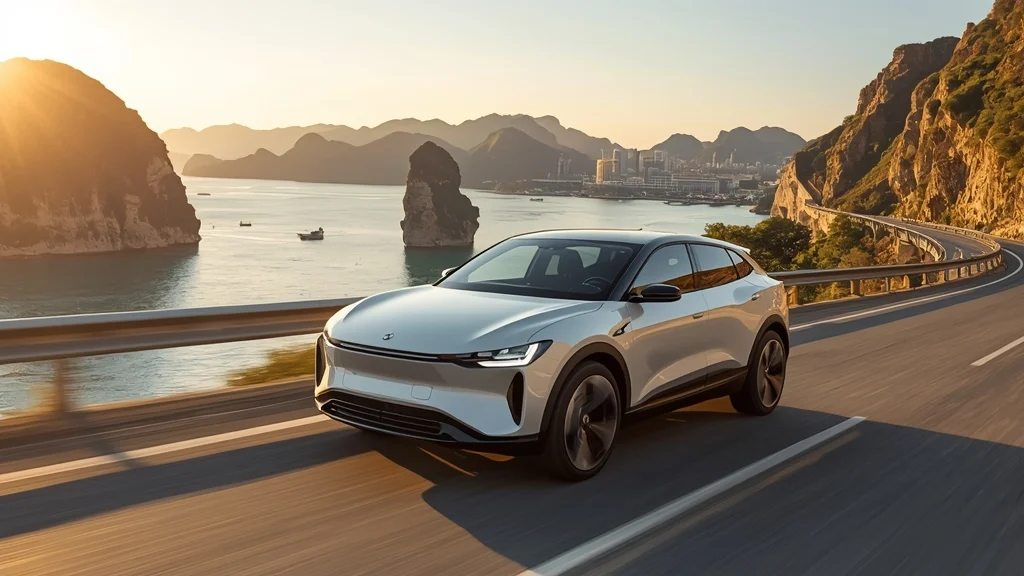
Vietnam may soon host a domestic car manufacturer, challenging VinFast. Discover the plans and their impact on SE Asia’s auto market. Read more now!
In a recent message dated 23 February, Mr. Trân Bá Dương, chairman of the board at THACO, announced the conglomerate’s intention to launch a new tourism-oriented automobile brand under the THACO name, with production slated to begin in 2027.
“The focus will be on developing vehicles that meet specific customer requests and enable a high degree of personalization,” the statement read, highlighting THACO’s shift from being a major parts supplier to a full‑blown car maker.
THACO’s Ambitious Move
THACO (Truong Hai Auto Corporation) already commands a vast ecosystem of component factories around Chu Lai, near Da Nang. By leveraging this existing supply chain, the group hopes to keep costs competitive while delivering locally‑designed models that cater to Vietnamese drivers.
If the plan materialises, Vietnam will join the very small list of Southeast Asian nations that host more than one domestic car brand – a status currently held only by Thailand.
What It Means for the Vietnamese Market
Today, VinFast remains the sole homegrown automaker in Vietnam, and its fast‑growing electric‑vehicle (EV) line has already captured a sizeable share of the market. In 2025, VinFast is projected to sell around 175,000 electric cars, solidifying its position as the market leader.
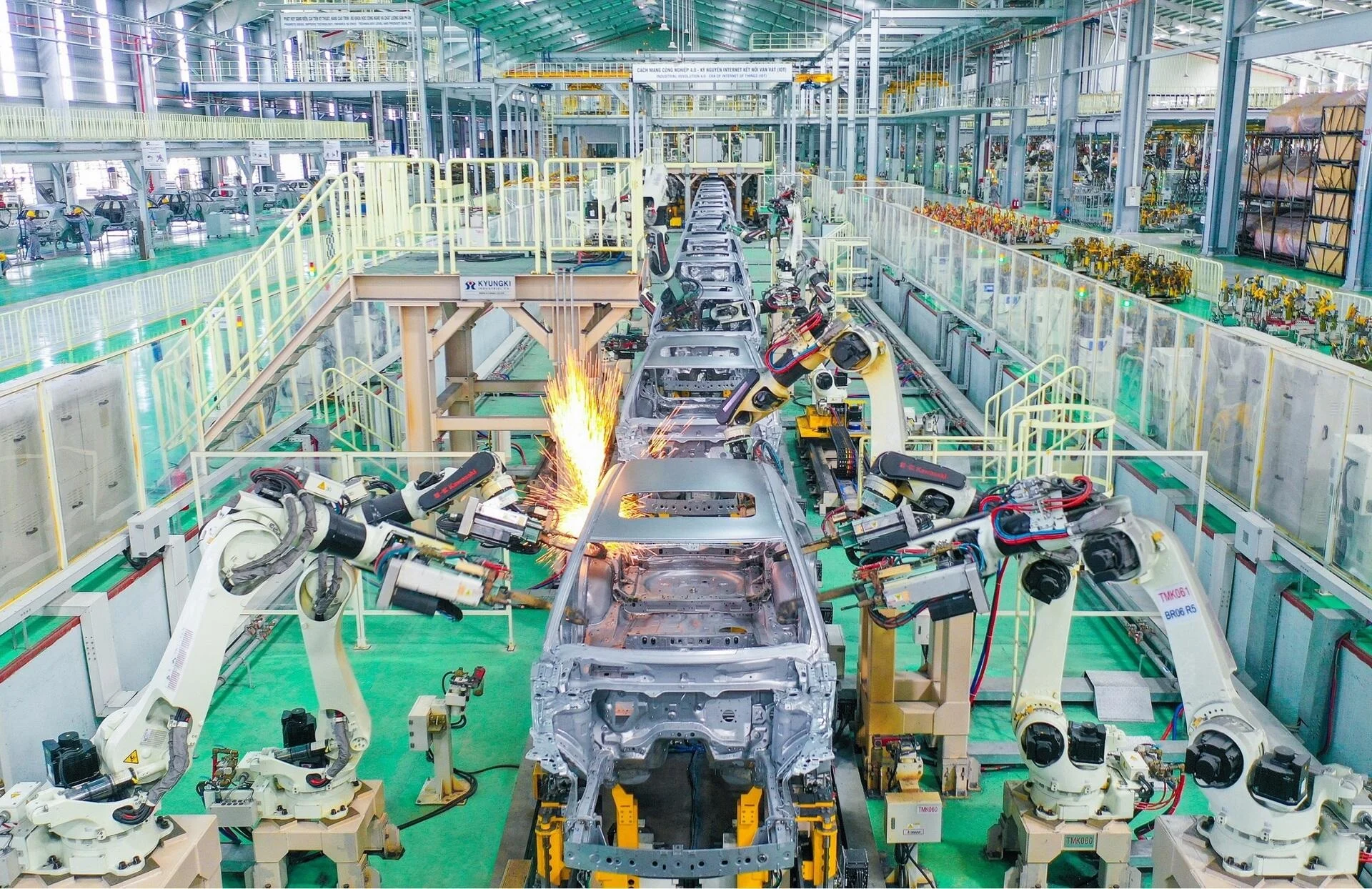
THACO’s entry could introduce fresh competition, especially in the tourism and leisure segment where demand for compact, fuel‑efficient or electric SUVs is rising. The move also aligns with the government’s push for local production of EVs and related infrastructure.
Past Attempts and Industry Context
It is not the first time a Vietnamese conglomerate has floated an auto‑manufacturing dream. TMT Motors previously announced plans to produce cars and motorcycles, as well as to develop a network of charging stations and battery‑swap hubs. However, those initiatives remain on paper.
THACO’s advantage lies in its established manufacturing base and decades‑long brand reputation, giving it a realistic chance to turn a concept into a factory floor.
Challenges Ahead
While the opportunity is clear, THACO will face stiff competition not only from VinFast but also from foreign manufacturers that dominate Vietnam’s import market. Success will depend on the ability to deliver reliable, well‑priced models that resonate with local tastes and meet increasingly strict emission standards.
Nevertheless, the company’s confidence reflects a broader belief that Vietnam’s automotive ecosystem is ready for a home‑grown rival, and investors are watching closely.
Will THACO’s new brand hit the road in 2027? All signs point to a pivotal moment for Vietnam’s auto industry, one that could reshape the Southeast Asian market for years to come.