
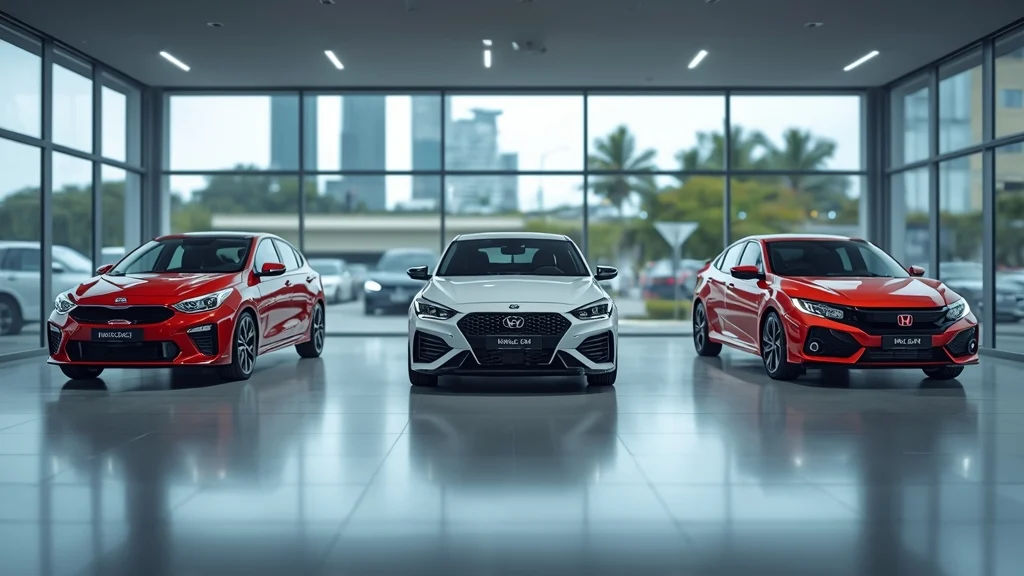
Explore why many models struggled to sell in Vietnam in 2025 and see if they can rebound in early 2026. Stay informed – read the full analysis now.
The Vietnamese auto market closed 2025 with a striking list of models that barely moved off dealership lots. From newly launched hatchbacks to electric SUVs and even some discontinued sedans, many vehicles ended the year with sales in the low hundreds.
What Made the 2025 Slow‑Seller List?
According to the Vietnam Automobile Manufacturers Association (VAMA), the following models ranked among the poorest performers in 2025:
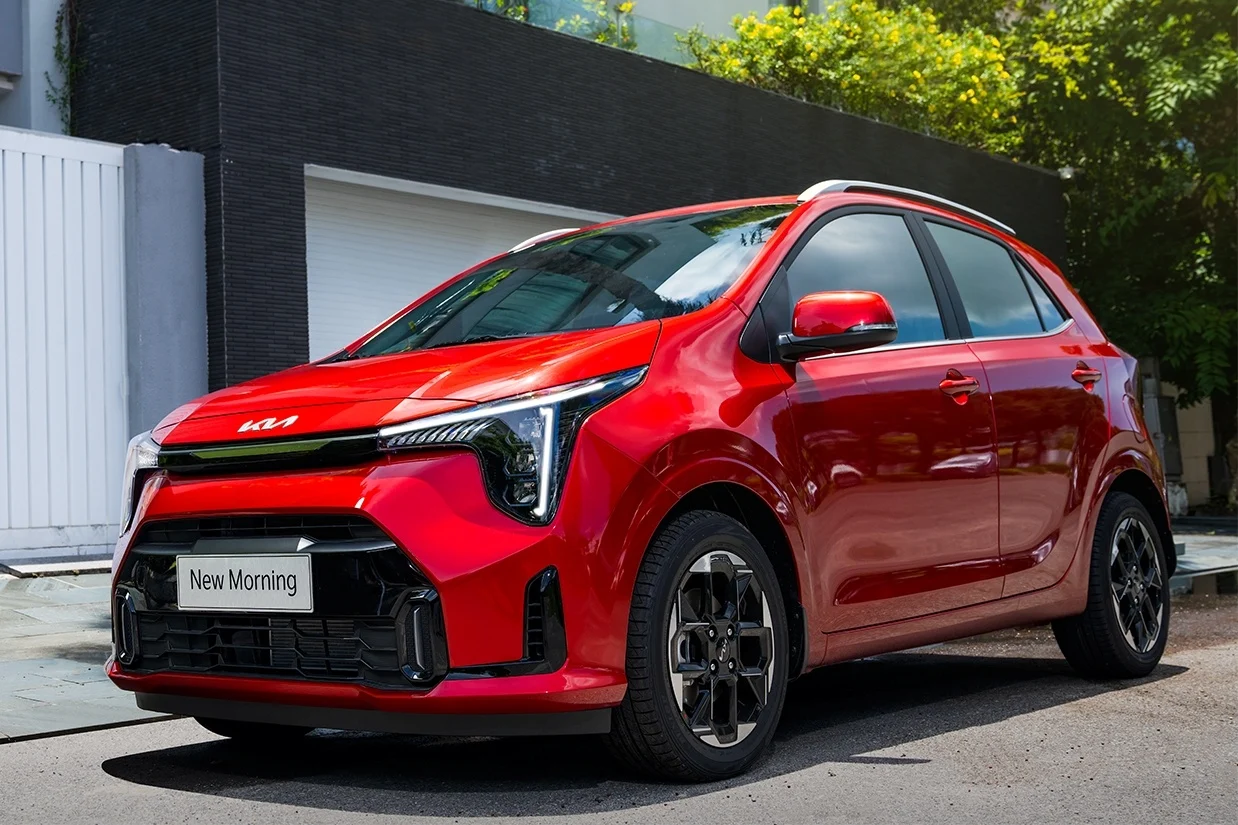
- Kia Morning – 299 units sold
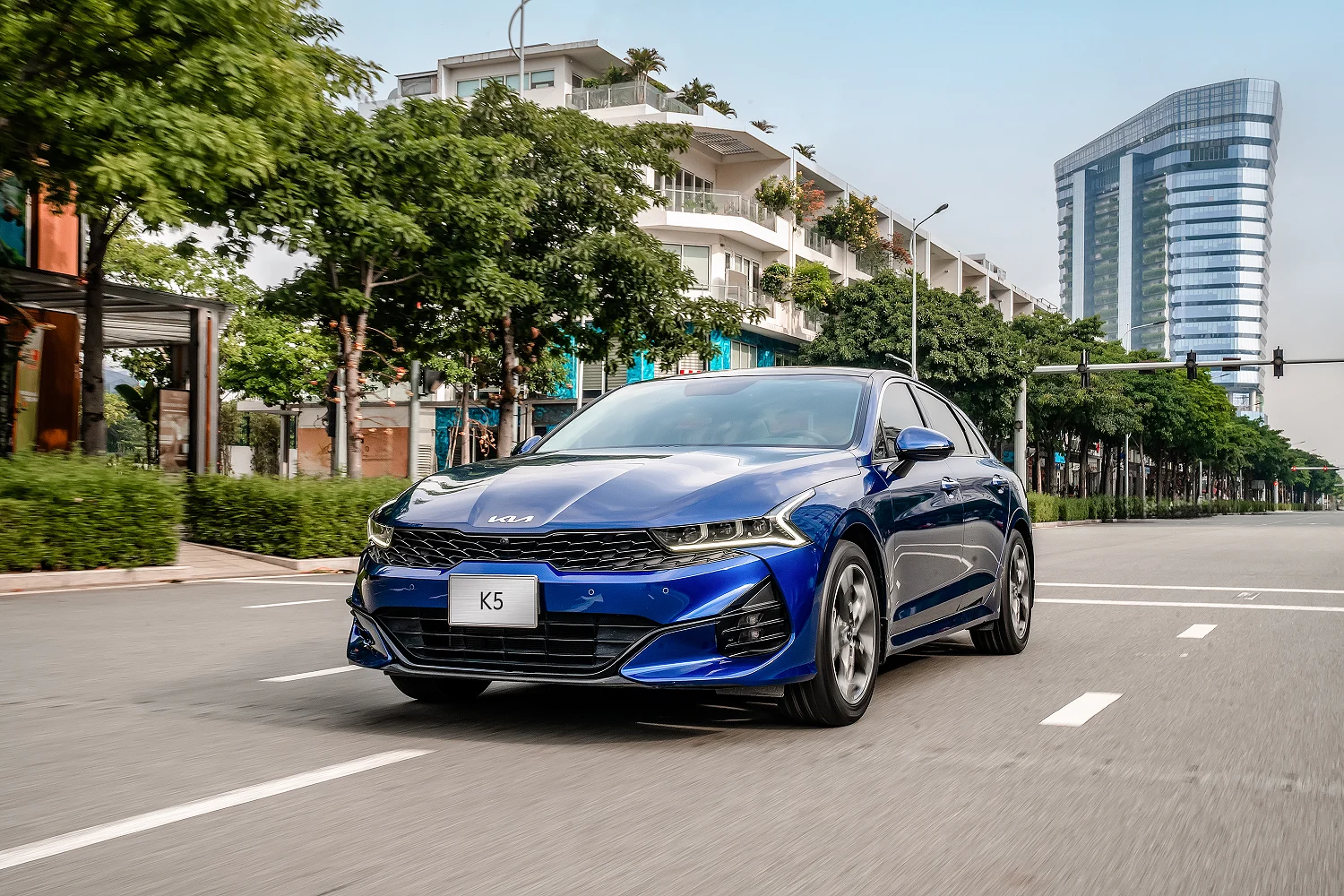
- Kia K5 – 267 units sold
- Kia Soluto – 323 units sold (the least‑purchased B‑segment sedan)
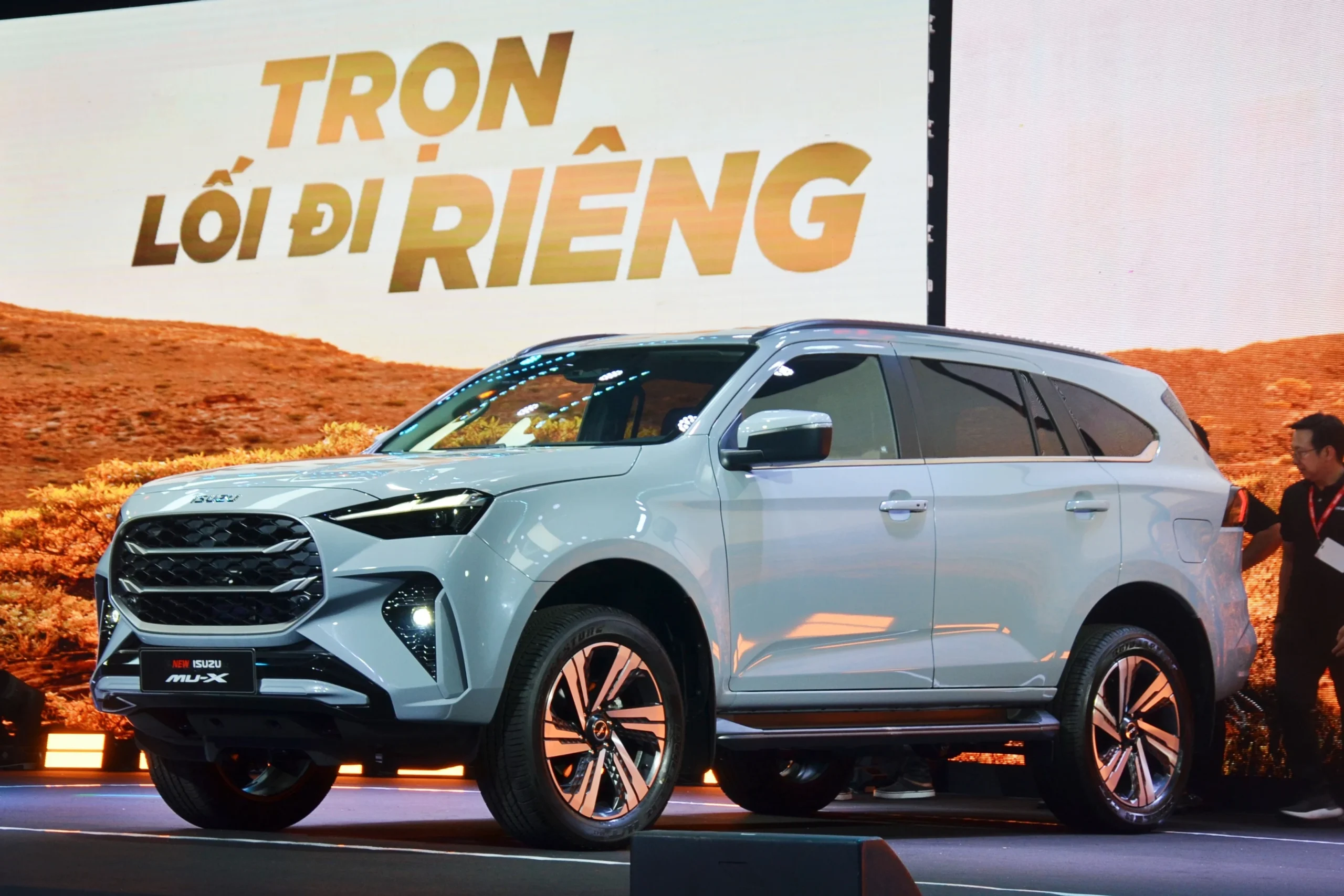
- Isuzu mu‑X – 314 units
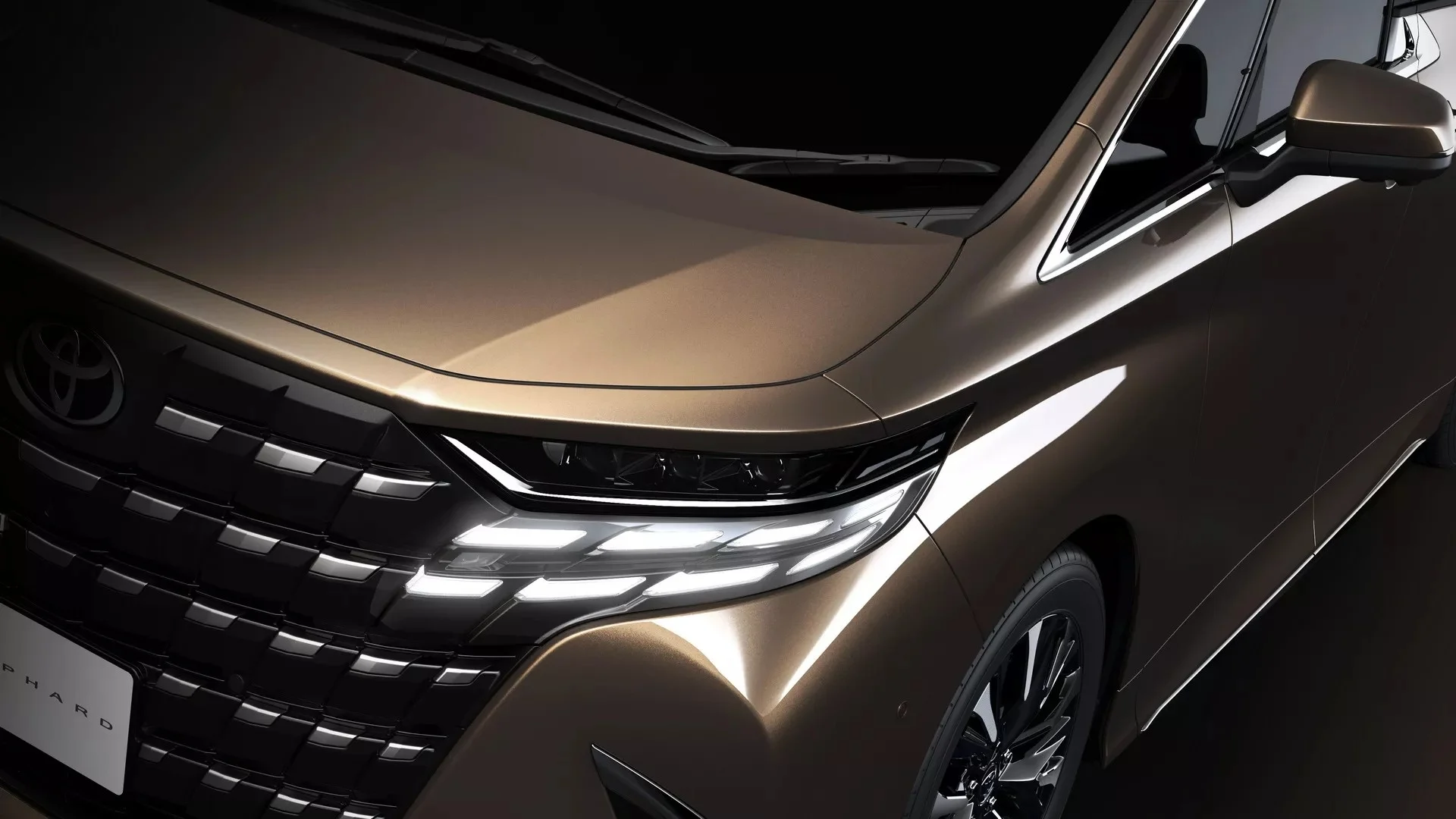
- Toyota Alphard – 289 units
- Toyota Corolla Altis – 285 units
- Suzuki Jimny – 271 units
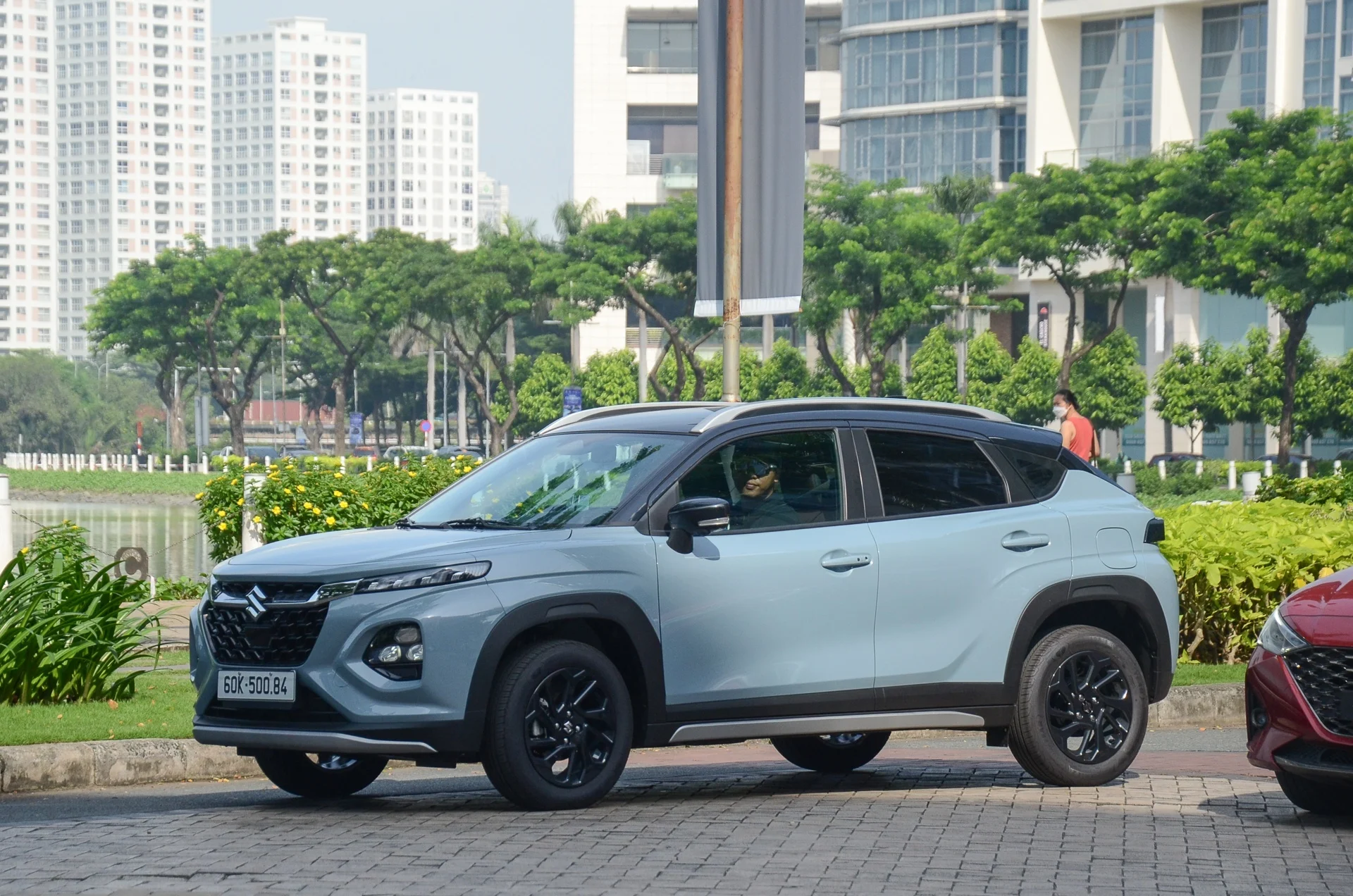
- Suzuki Fronx – 231 units
- Mitsubishi Pajero Sport – 180 units
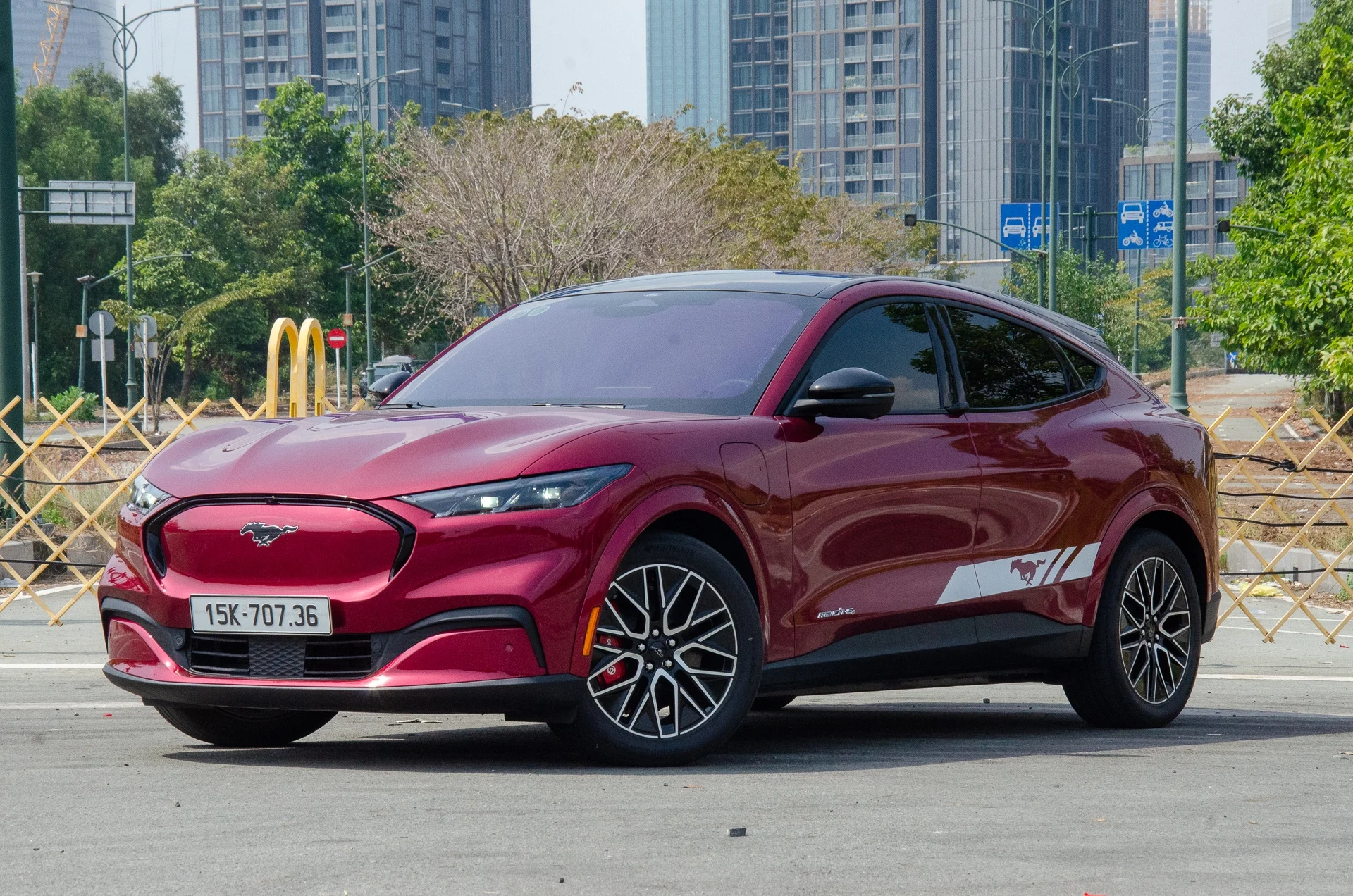
- Ford Mustang Mach‑E – 22 units
- Honda Civic Type R – 2 units
Many of these cars belong to niche segments, carry premium price tags, or suffered from limited market awareness.
Early 2026: Did Anything Change?
In the first month of 2026 the picture stayed grim. VAMA’s latest sales snapshot shows that most of the names from the 2025 list continued to post single‑digit or low‑double‑digit deliveries.
- Suzuki Fronx managed a modest 138 units – the only model to break out of the “slow‑seller” club.
- Ford Mustang Mach‑E recorded zero sales and even faced a recall that hit both sold units and stock.
- Honda Civic Type R added just one more vehicle before the model was discontinued.
- Isuzu mu‑X sold 30 units, while Toyota Alphard moved 32 units in January.
- Suzuki Jimny logged 37 deliveries; Toyota Corolla Altis only six.
- Mitsubishi Pajero Sport delivered none.
Even if the three Kia models (Morning, K5, Soluto) were split evenly across an assumed 257‑unit group, each would average roughly 86 units – still well above the “slow‑seller” threshold, suggesting they could slip out of the bottom tier if the trend held.

Why Are These Cars Struggling?
Several common factors explain the weak performance:
- High price points. Models like the Honda Civic Type R (≈ 2.999 billion VND) target a narrow, affluent niche.
- Limited brand appeal. Premium‑sport trim levels clash with Vietnamese buyers who favor practical, value‑for‑money options such as the Honda City or CR‑V.
- Segment shift. Consumer preference is moving toward SUVs and higher‑ground‑clearance vehicles, leaving compact sedans and low‑riding cars behind.
- Supply constraints and recalls. The Mustang Mach‑E’s recall dampened confidence and throttled inventory.
- Short market exposure. The Suzuki Fronx, launched only two months before the 2025 reporting period, had insufficient time to build demand.
Can Any Model Turn the Tide?
Short‑term promotions can temporarily lift a few units off the list, but lasting recovery requires deeper changes: price adjustments, stronger local marketing, or a shift to more popular body styles. The only bright spot so far is the Suzuki Fronx, whose January sales suggest a possible rebound as the model gains traction.
Looking Ahead
Vietnam’s automotive landscape remains volatile, with sales swings driven by economic conditions, consumer confidence, and evolving preferences. While the 2025 slow‑seller roster is likely to stay largely unchanged through early 2026, manufacturers that adapt quickly—whether through competitive pricing, expanded dealer networks, or electrified offerings aligned with local infrastructure—stand the best chance of escaping the “slow‑selling” label.
Stay tuned for updated figures as the year progresses and for deeper insights into how the market will reshuffle in the second half of 2026.