
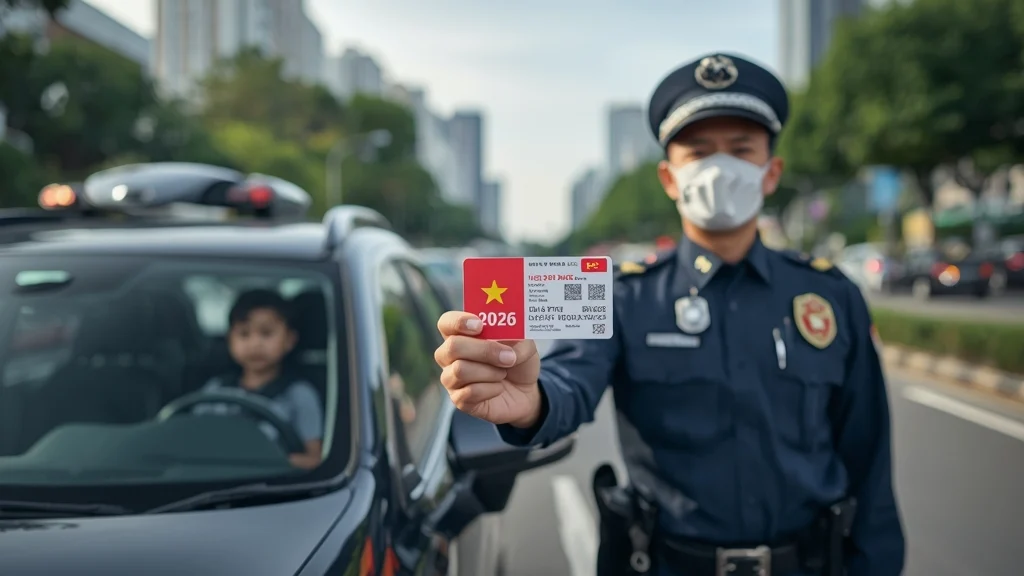
Discover the 2026 Vietnam traffic law changes—new child‑seat rules, driver‑license points, registration fees and enforcement tech. Stay informed now!
Starting January 1, 2026, Vietnam will roll out a series of traffic‑safety reforms that affect everyone on the road—from motorcyclists and car owners to commercial transport operators. The changes aim to align the country’s road rules with global safety standards, enhance enforcement transparency, and protect the most vulnerable road users.

1. Child‑Safety Seats Become Mandatory
Under the revised Law on Road Traffic Order and Safety, children under 10 years old or shorter than 135 cm may no longer sit in the front seat of a passenger vehicle. Drivers must install and use approved child‑safety equipment when transporting youngsters.
Non‑compliance will attract fines ranging from VND 800,000 to VND 1,000,000 per offense. Approved devices must securely restrain a child in a seated or lying position and be designed to reduce injury risk in collisions or abrupt decelerations. Commonly used options include ISOFIX‑compatible car seats, booster seats, and rear‑facing infant seats.
The rule does not apply to vehicles used for public passenger transport, acknowledging practical constraints on commercial fleets.
2. New Driving‑License Format and Points System
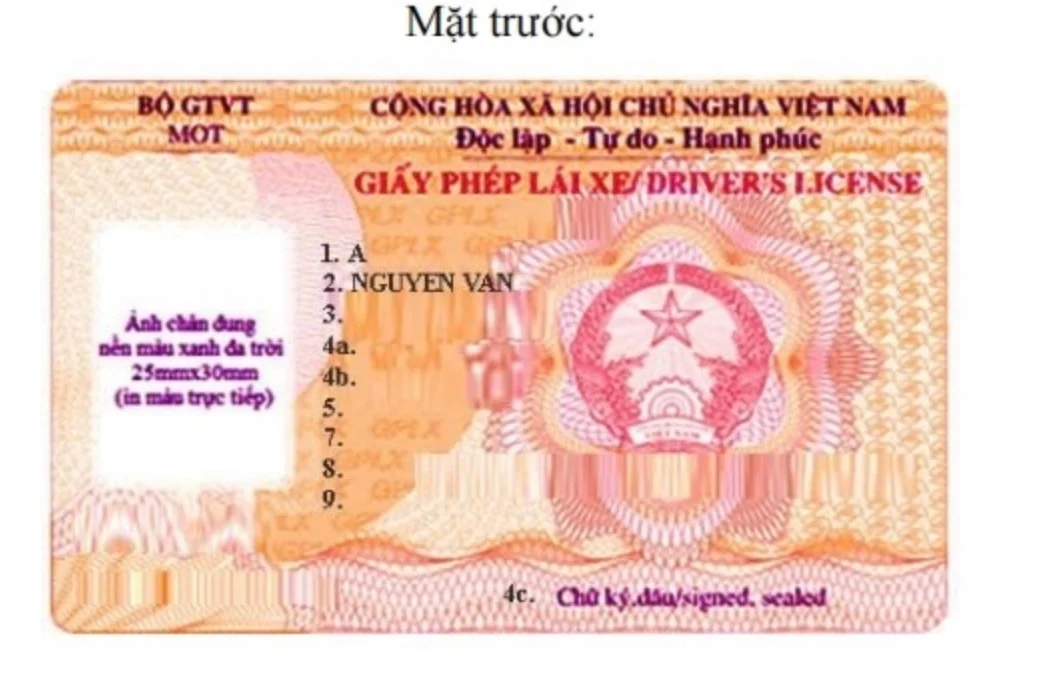
From 2026, physical driving licences will be issued on PET material with a pink background, a blue‑tinted portrait area, and a QR code on the back. Licence categories are also being reshaped:
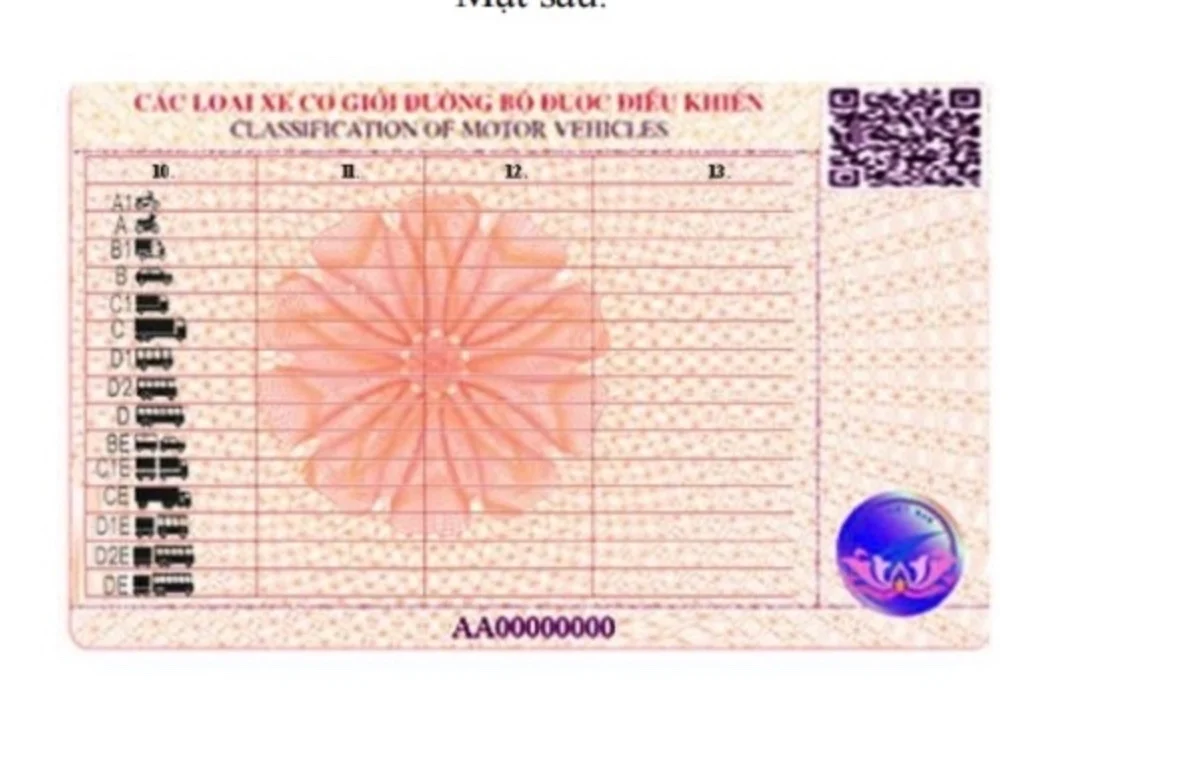
- A1: Motorcycles up to 125 cc or electric motors under 11 kW.
- B1: Three‑wheel motor‑bikes.
- B: All passenger cars (the vehicle type is noted in a remark).
All licence holders in categories A1, A, or B will have a 12‑point credit automatically added to the Ministry of Transport’s database. If a driver retains any points after 12 months without further violations, the full 12 points are restored.
Drivers who lose all points face a six‑month driving ban. To regain points, they must pass a road‑safety law knowledge test appropriate to their licence class.
3. Enforcement Gets a High‑Tech Upgrade
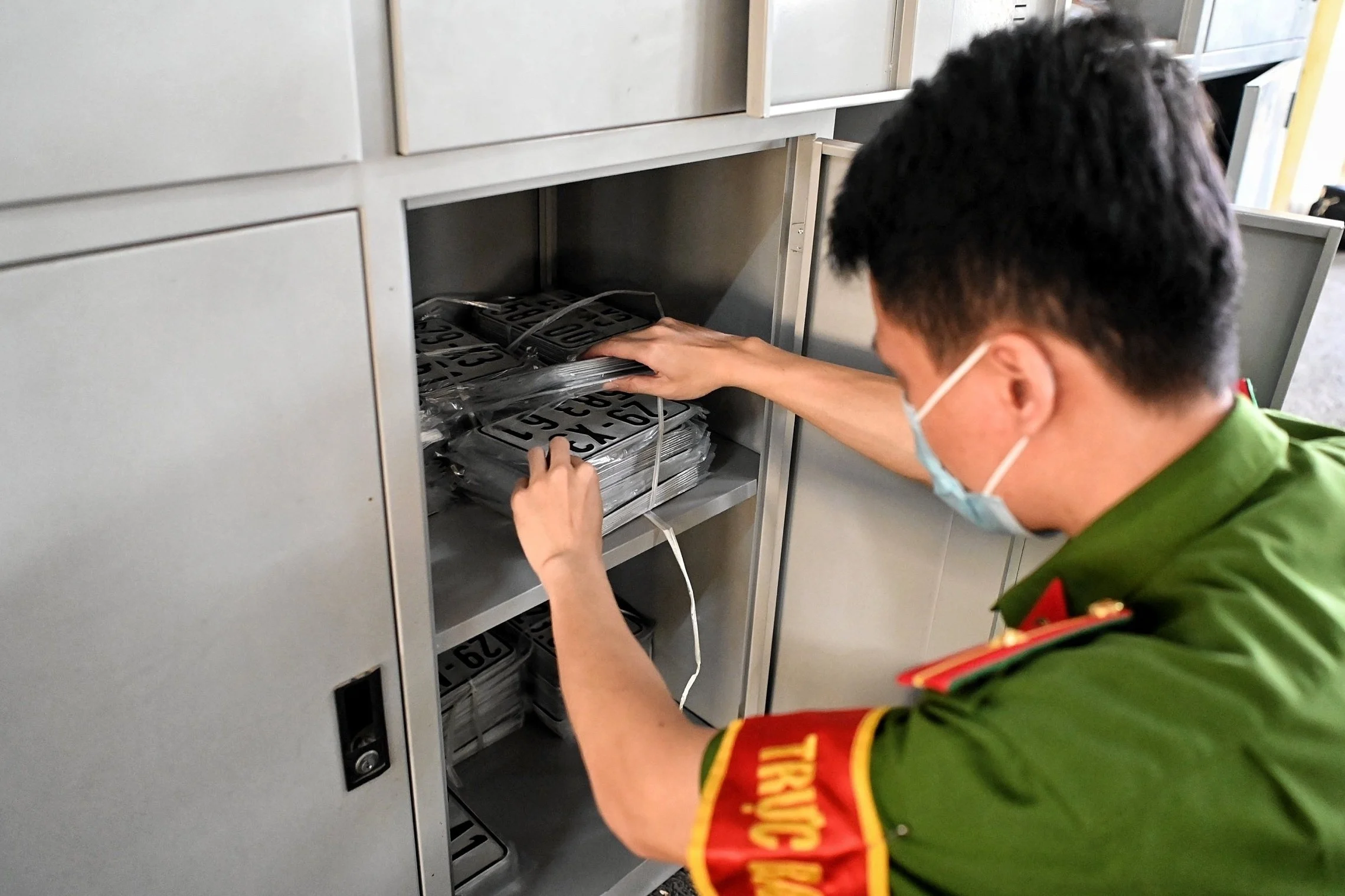
The Traffic Police (CSGT) will now be required to capture photographic or video evidence for every traffic violation—whether on roads, waterways, or railways. Officers must use body‑mounted cameras or fixed‑site cameras that record the entire inspection process, and all footage must be stored according to national data‑retention rules.
This move boosts transparency, provides solid electronic proof for courts, and helps deter repeat offenders.
4. Vehicle Registration Fees Decentralised
Amendments to Decree No. 175 (which amends Decree No. 10) shift the authority to set vehicle registration (stamp duty) rates from the Ministry of Finance to provincial People’s Committees. Effective January 2026:
- Motorbikes will continue to face a roughly 2 % registration fee.
- Passenger cars with up to nine seats will be taxed at 10 %, with the possibility of a local uplift of up to 5 %.
- Pickup trucks, double‑cab cargo vans, and similar vehicles will pay about 60 % of the rate applied to sub‑nine‑seat cars.
These localized rates allow provincial governments to tailor fees to regional market conditions while preserving a nationwide baseline.
5. The Bigger Picture
The 2026 traffic‑law overhaul demonstrates Vietnam’s commitment to international road‑safety benchmarks. From protecting children with stricter seat‑belt requirements to modernising licence management and making enforcement evidence‑based, the reforms aim to foster a more civilised, self‑regulating traffic environment.
Drivers, fleet operators, and everyday commuters are encouraged to familiarize themselves with the new rules to stay compliant and help make Vietnam’s roads safer for everyone.