

Discover the key March 2024 updates to Vietnam’s vehicle inspection, emission standards, and the shift to electronic certificates. Stay compliant—read now!
Starting 1 March 2024, Vietnam rolls out a series of important changes that affect every car and motorcycle owner. From electronic inspection certificates to stricter Euro‑type emission standards, the new rules aim to make road safety and environmental compliance easier – and more transparent.
Electronic Technical & Environmental Inspection Certificates
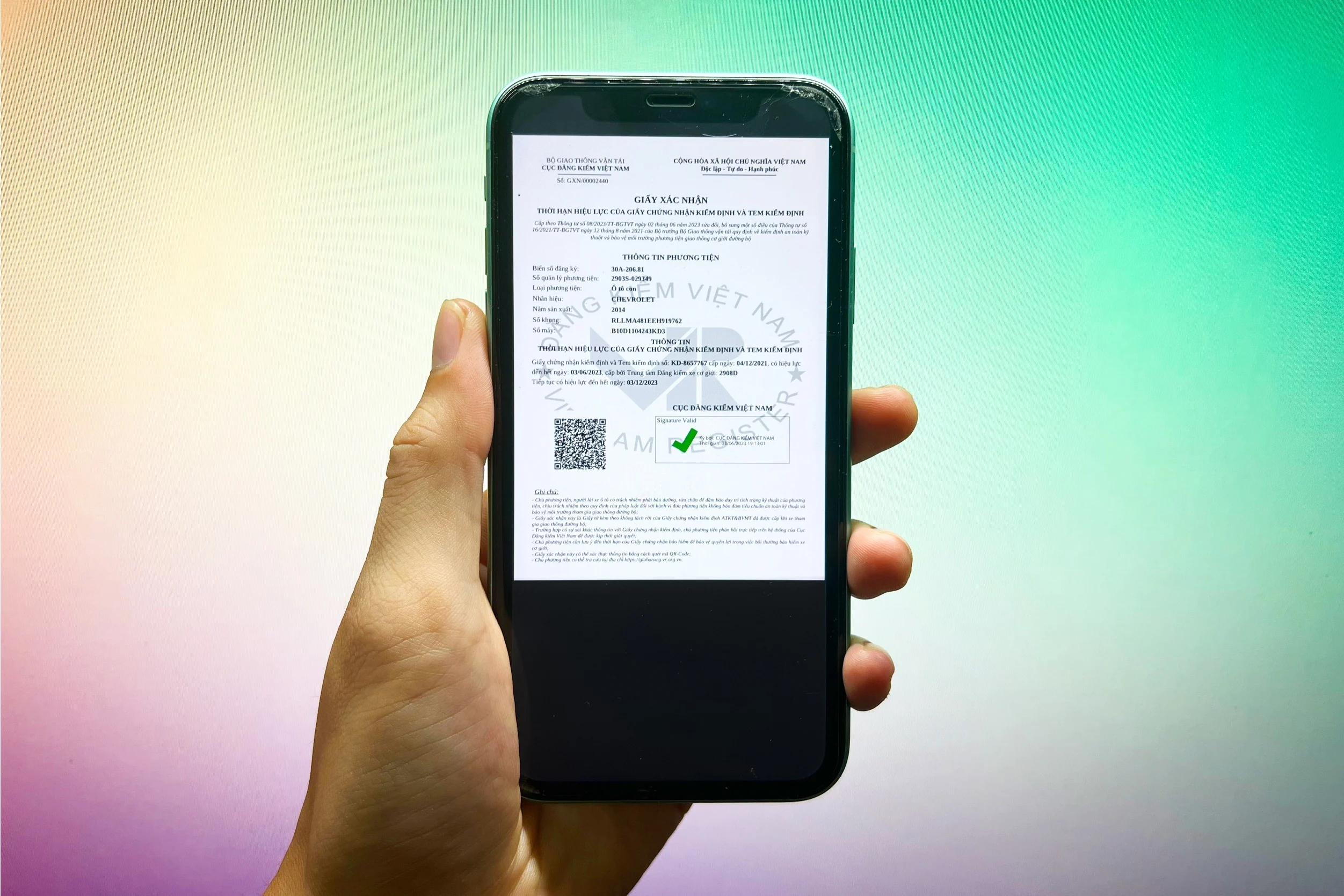
Under Resolution No. 57, the Vietnam Register of Vehicles (Cục Đăng Kiểm) will issue the Technical Safety and Environmental Protection Certificate (commonly called the registration certificate) in a fully digital format. The e‑certificate includes:
- Exact emission levels achieved during the test
- Validity period of the inspection
- A QR code linking to the live record on the Register’s website
Owners who still prefer a paper copy can request a printed version directly from the inspection centre’s software – no more pre‑printed forms, just a stamped, authentic document.
Why the Digital Shift Matters
The electronic system reduces paperwork, enables real‑time data updates, and helps authorities crack down on forged certificates. For drivers, it means quicker verification and fewer headaches when renewing registration.
New Emission Standards by Vehicle Age
Decision No. 43, also effective from 1 March, introduces a tiered Euro‑type emission framework:
- Euro 1 – vehicles built before 1999
- Euro 2 – model years 1999‑2016
- Euro 3 – model years 2017‑2021
- Euro 4 – all vehicles produced from 2022 onward
Only cars that meet the applicable Euro level will receive a valid inspection certificate or emission sticker, allowing them to stay on the road.
Stricter Timeline for Ho Chi Minh City and Hanoi
While the nationwide standards kick in this March, the two biggest cities are tightening the rules even further:
- From January 2027, vehicles from the 2017‑2021 batch must comply with Euro 4 standards.
- From January 2028, every vehicle produced from 2022 will need to meet Euro 5 requirements.
These city‑specific deadlines give local authorities more time to upgrade monitoring equipment and enforce compliance.
Key Dates to Remember
- 1 March 2024 – Nationwide rollout of electronic certificates and the new Euro‑type standards.
- January 2027 – Ho Chi Minh City and Hanoi enforce Euro 4 for 2017‑2021 models.
- January 2028 – Same cities require Euro 5 for all 2022‑era vehicles.
What Drivers Should Do Now
1. Check your vehicle’s production year to know which Euro level applies.
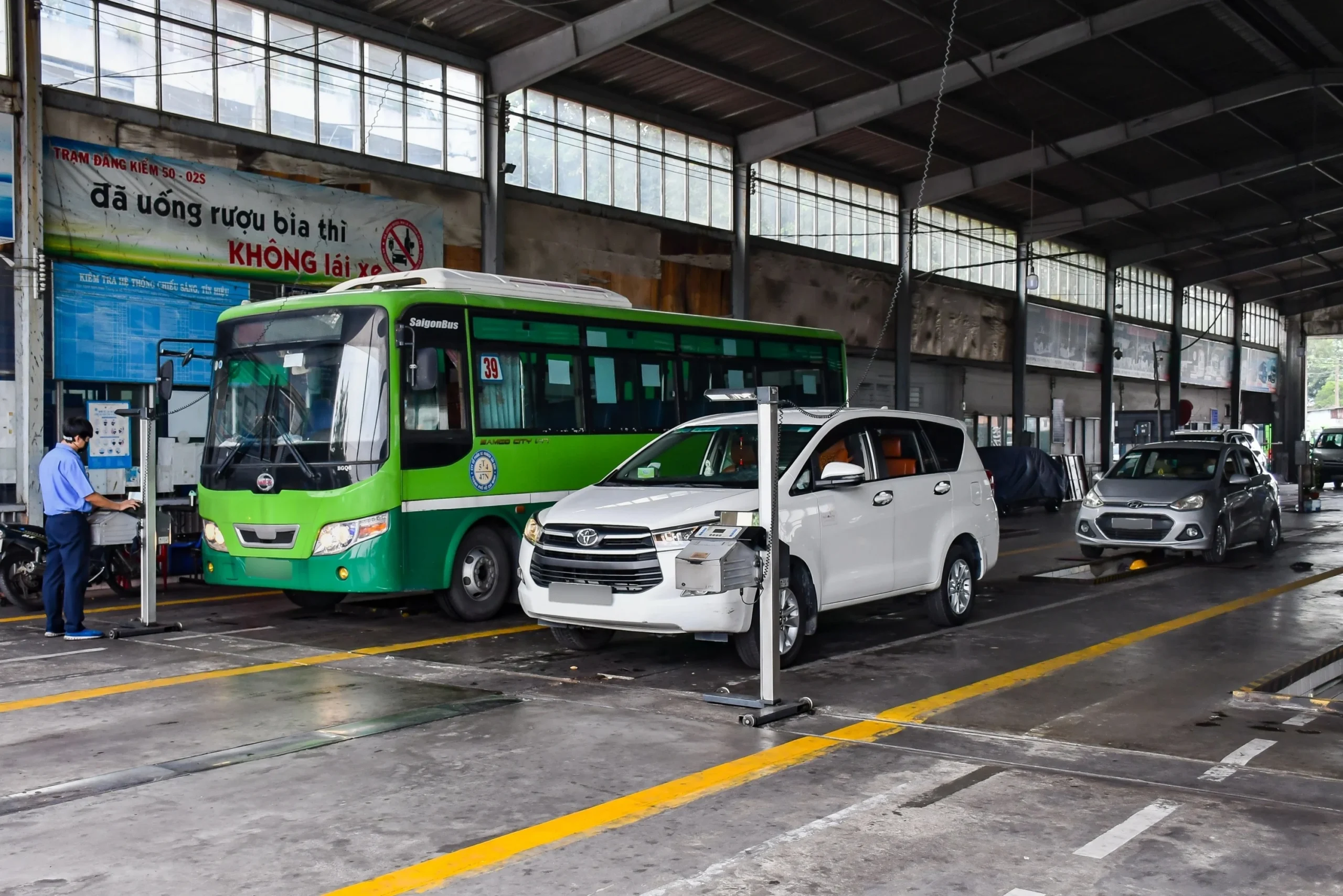
2. Schedule a technical inspection before the current certificate expires, especially if you own a pre‑2022 model.
3. Ask for the electronic certificate at the inspection centre – it’s faster and harder to counterfeit.
4. Keep the QR code handy on your phone or printed copy for quick verification by police or toll operators.
By staying ahead of these changes, you’ll avoid fines, protect the environment, and enjoy a smoother registration experience.
Final Thought
The March 2024 updates mark a significant step toward modernising Vietnam’s vehicle registration system. Embracing the electronic certificate and meeting the new Euro emission standards will not only keep you on the right side of the law but also contribute to cleaner air across the country.