
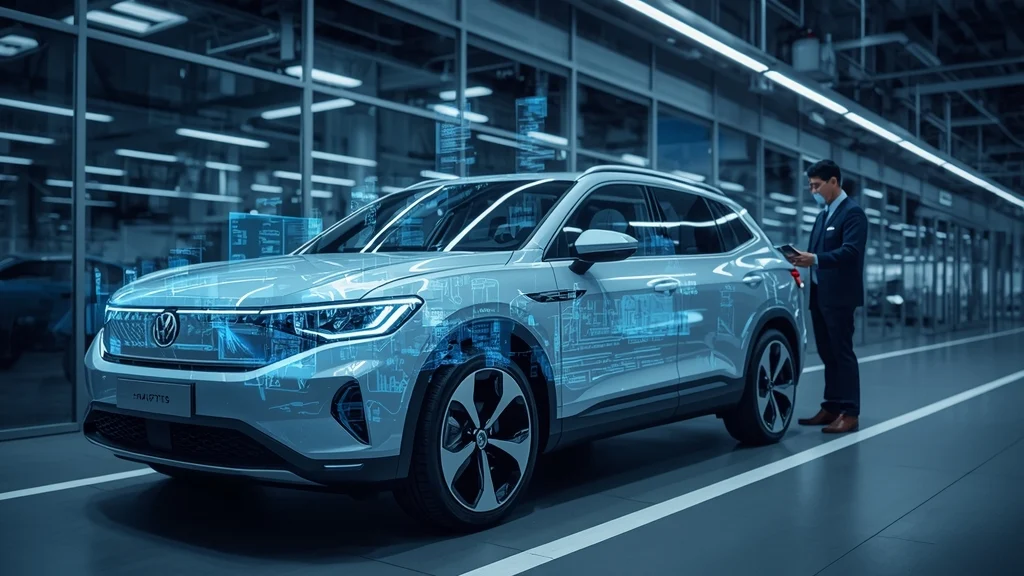
Volkswagen will build most China‑bound models on a new China Electronic Architecture co‑developed with Xpeng, cutting costs and development time. Learn more.
Volkswagen is accelerating its “China‑first” strategy by committing to build the majority of models sold in the world’s largest car market on a home‑grown electronic architecture co‑developed with Chinese EV pioneer Xpeng.
A New China‑Centric Architecture
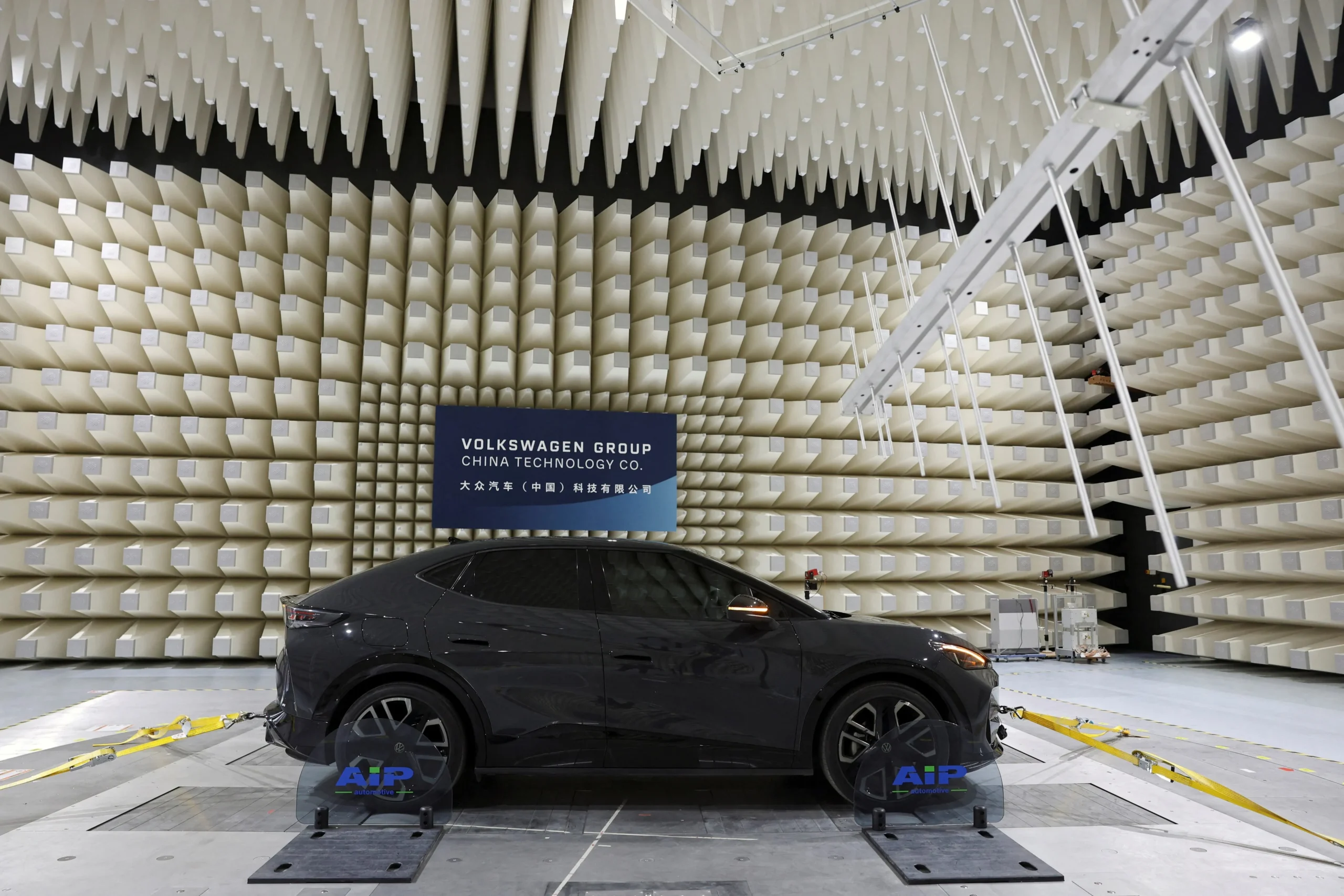
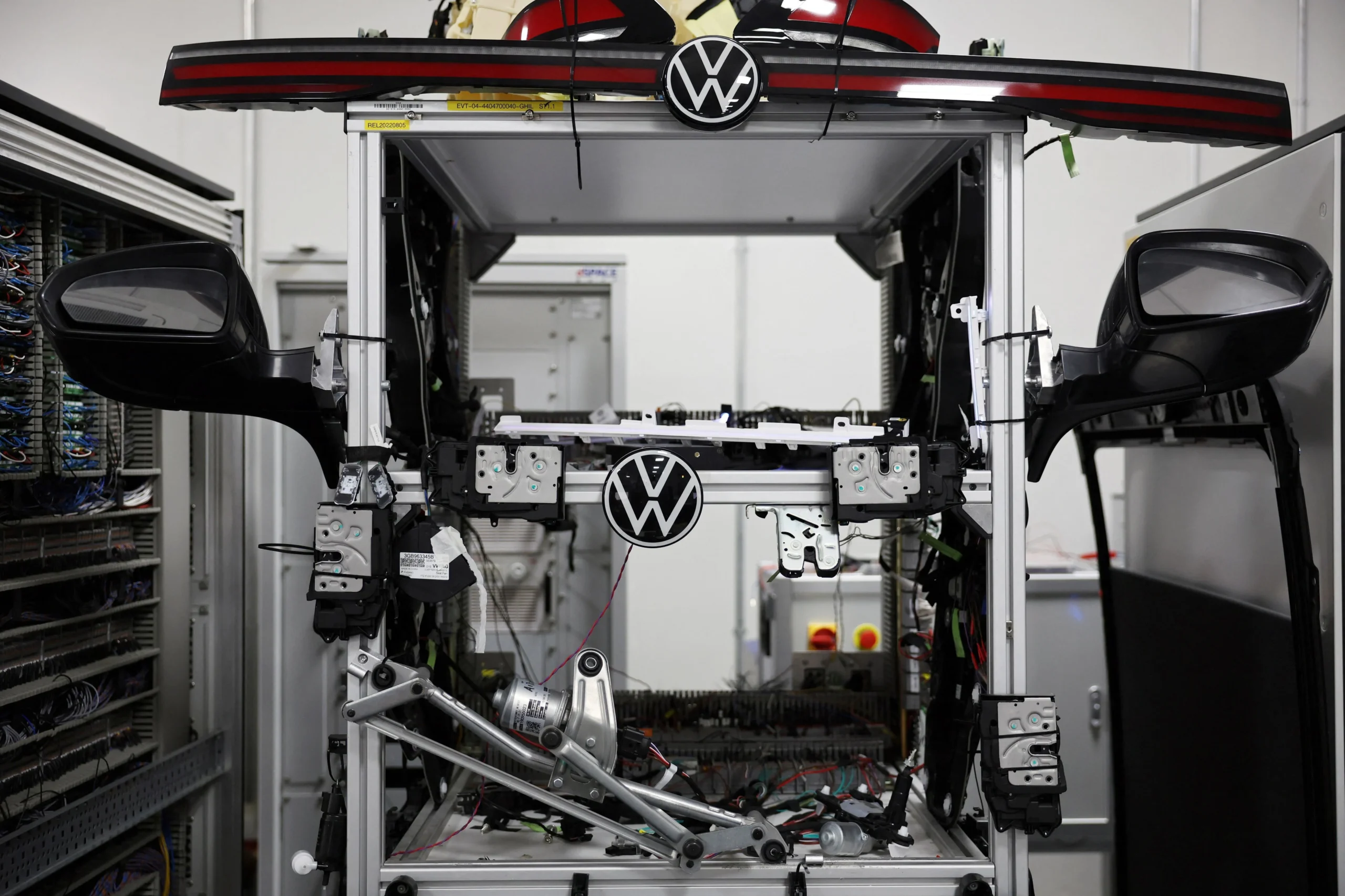
The joint venture produced the China Electronic Architecture (CEA), a software‑focused platform tailored to the fast‑changing preferences of Chinese consumers. Unlike Volkswagen’s global MEB platform, CEA centralises control units and integrates a unified software stack, allowing quicker updates and greater flexibility.
Speed and Cost Benefits
According to Volkswagen, CEA can shrink vehicle development cycles by up to 30% while slashing production costs by roughly 40% compared with the German‑engineered MEB platform. The savings stem from increased in‑house component production and a streamlined electronics architecture.
Why the Shift Matters
Domestic rivals such as BYD and Geely have been outpacing foreign manufacturers with rapid model rollouts, aggressive pricing, and advanced connected features. In 2024, BYD overtook Volkswagen in sales, and VW fell to third place in the Chinese market after a 17.4% decline in Q4 2025. The CEA initiative is VW’s answer to regain competitiveness.
On‑Ground Developments in Hefei
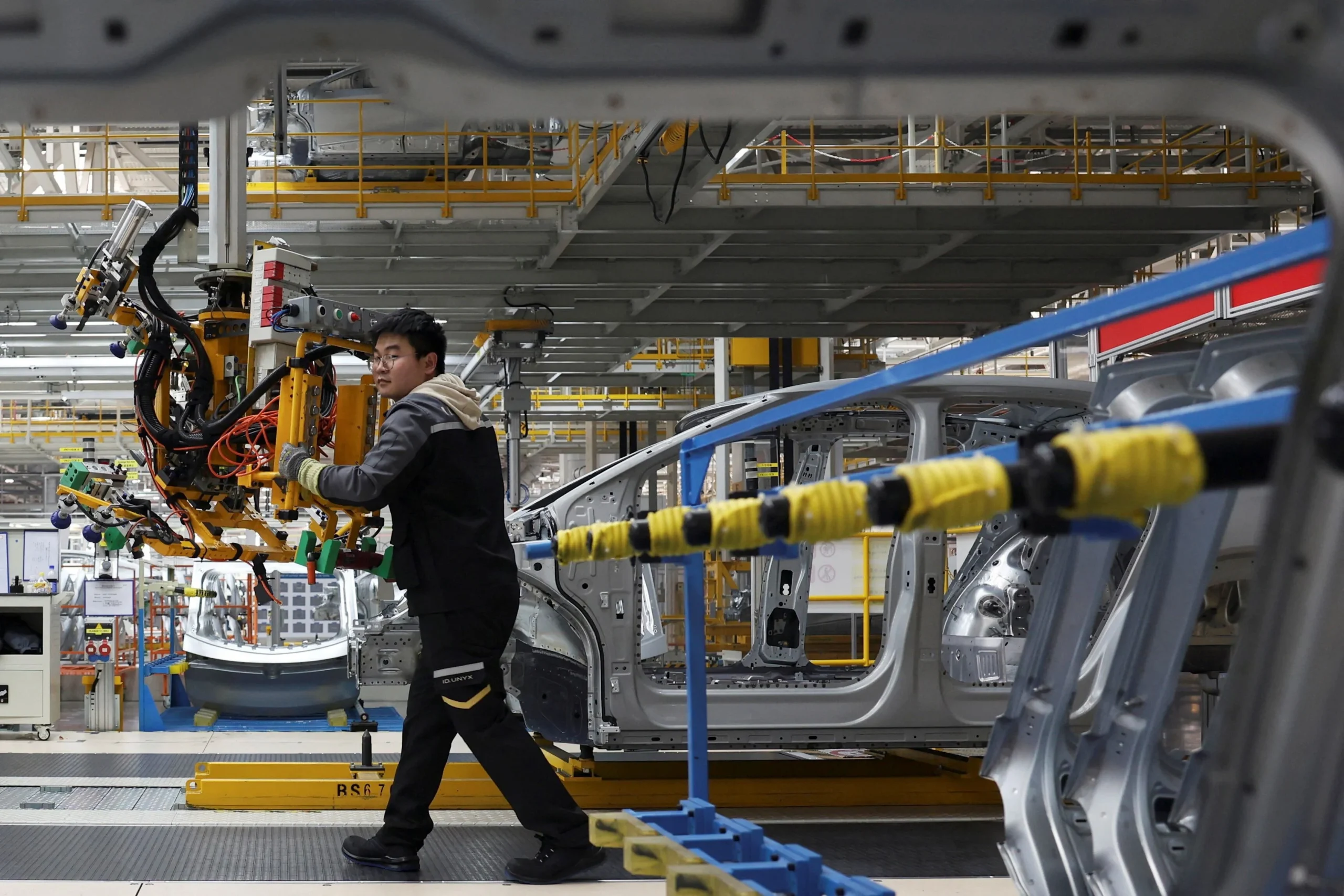
At Volkswagen’s Hefei plant, a dedicated CEA laboratory employs about 850 engineers, predominantly Chinese. The team enjoys greater decision‑making autonomy, reflecting a cultural shift within the German automaker toward local empowerment. Finn Cemmasson, head of CEA integration testing, noted, “We have optimised the entire system to accelerate development and deliver products at ‘China speed’, aligning closely with local customer expectations.”
Future Model Rollout
The first vehicle launched on CEA was the all‑electric SUV ID. UNYX 07, which entered production late last year. Volkswagen plans to add four more CEA‑based models this year and aims to introduce about ten additional models—including some with internal‑combustion engines—by 2027.
Strategic Implications for VW
By moving from a “one‑size‑fits‑all” global platform to a China‑specific architecture, Volkswagen signals a deepening of its localisation strategy. The approach aims to match the rapid innovation cycles of domestic players and to restore growth momentum in a market that accounts for a significant share of the company’s global revenue.
As the automotive industry continues its shift toward electrification and software‑defined vehicles, Volkswagen’s China Electronic Architecture could become a blueprint for other manufacturers seeking to thrive in highly competitive regional markets.