
Volkswagen reintroduces physical buttons after ID series backlash, improving driver comfort. Discover the changes now – read more!
After a wave of criticism over the all‑touchscreen interiors of its ID electric lineup, German automaker Volkswagen has announced a course correction: physical buttons are coming back.
Why the backlash?
The original ID. series, launched with a futuristic design that almost eliminated knobs and tactile switches, left many drivers frustrated. Climate control, volume, and even basic driving‑mode selectors were hidden behind capacitive touch panels that required gloved hands to operate and offered little feedback while the car was in motion.
Design chief admits the mistake
Andreas Mindt, Volkswagen’s head of design, conceded in early 2025 that “touch‑only controls were a mistake.” The admission was followed by a commitment to reinstate conventional switches across upcoming models, signaling that the company is taking customer feedback seriously.
What’s coming back?
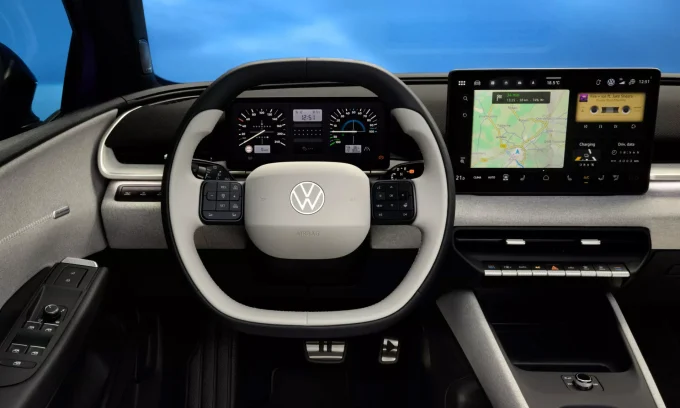
The next‑generation ID. Polo – an all‑electric hatchback positioned below the Golf and the current ID.4 – will feature a suite of real, tactile controls:
- Dedicated climate‑control knobs for temperature, front/rear defrost, fan speed, air‑recirculation, and AC activation.
- A traditional volume rotary knob placed on the central console, also housing fast‑forward and rewind shortcuts for media.
- Steering‑wheel buttons for the 10.25‑inch digital instrument cluster, enabling easy navigation of the new, cleaner menu layout.
- Fixed shortcut strip below the near‑13‑inch infotainment screen for quick access to common functions.
These additions aim to restore the “feel‑of‑control” that many drivers missed, especially during long journeys or in adverse weather.
Digital upgrades alongside the analog feel
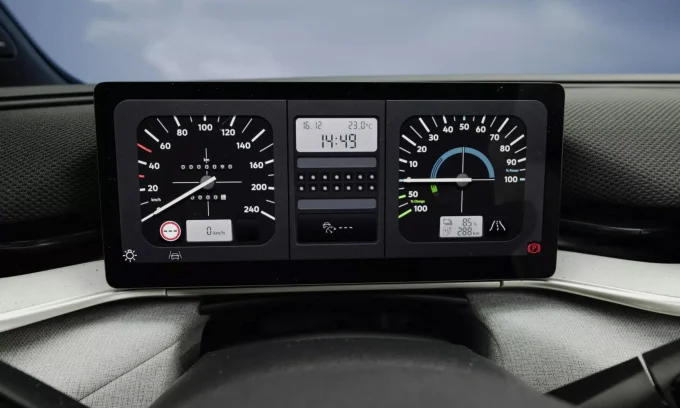
While physical buttons are returning, Volkswagen is not abandoning its digital ambitions. The updated instrument cluster delivers sharper graphics and a streamlined menu, while the infotainment system now supports a third‑generation Travel Assist that can recognize red lights and stop signs.
For drivers who still love a classic look, a single press of a steering‑wheel button or a tap on the infotainment screen can switch the display to an analogue‑style dashboard inspired by early‑generation Golf models – a nostalgic nod reminiscent of the Fox Body gauges in the latest Ford Mustang.
What this means for the market
The move highlights a broader industry trend: manufacturers are balancing high‑tech innovation with ergonomic practicality. By re‑introducing physical controls, Volkswagen hopes to retain tech‑savvy buyers without alienating traditionalists.
Industry observers predict that other EV brands may follow suit, especially as consumer expectations evolve around safety, usability, and tactile feedback.
Conclusion
Volkswagen’s decision to bring back physical buttons is a clear response to driver demand. The upcoming ID. Polo will blend electric performance with a more intuitive cabin, showing that listening to customers can lead to smarter design choices.