
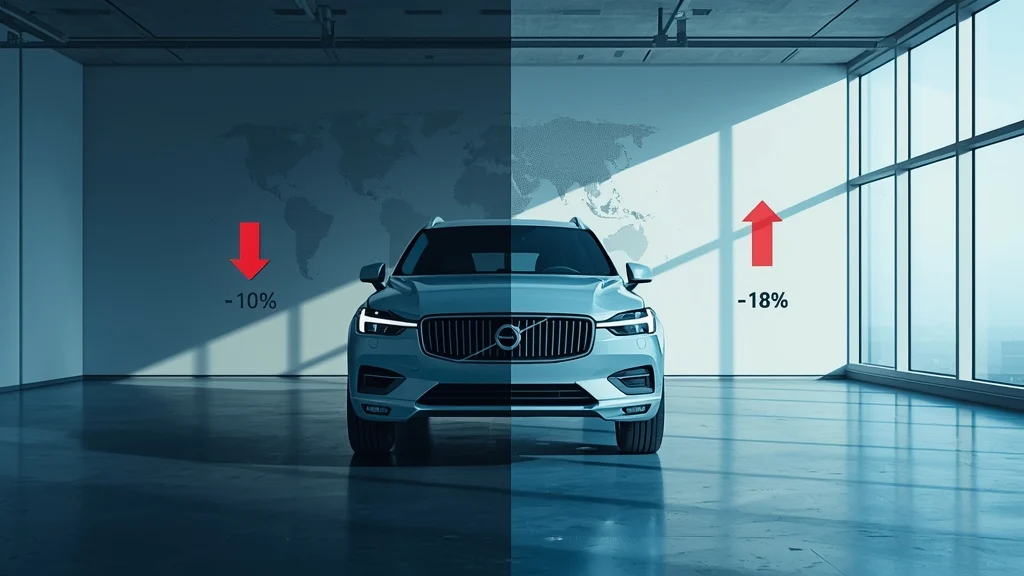
Volvo’s global sales dropped 10% in early 2026, hit by US import tariffs and the Chinese New Year holiday. Find out how the brand is shifting to electric models.
Volvo reported a 10% decline in worldwide vehicle sales for the first quarter of 2026, covering the period from December 2025 through February 2026. The Swedish automaker sold a total of 156,965 cars, a dip largely attributed to higher U.S. import duties and an extended Chinese New Year holiday that slowed demand in Asia.
Electric models defy the downturn
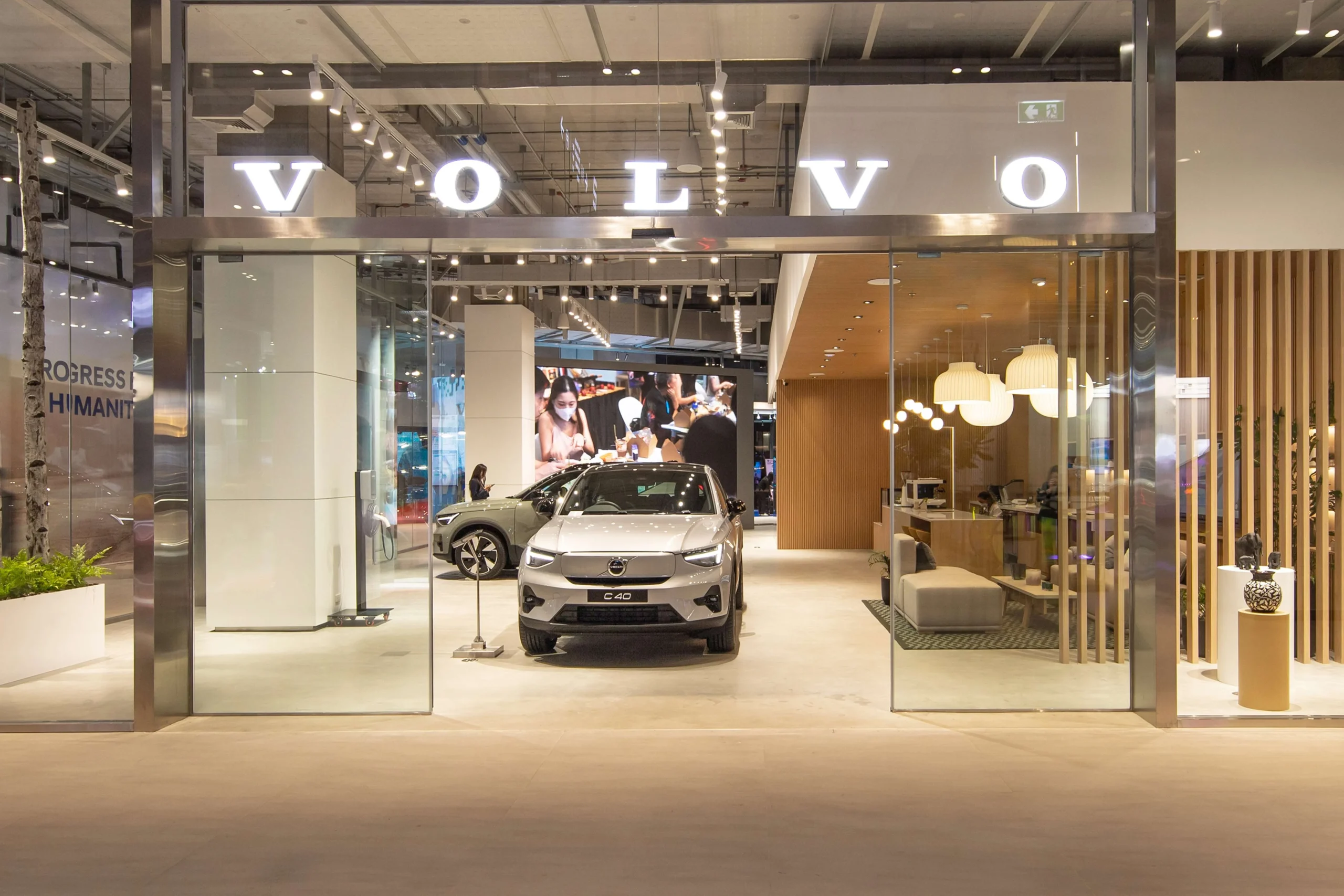
Despite the overall slump, Volvo’s pure‑electric lineup posted an 18% year‑over‑year increase, moving 39,132 battery‑electric vehicles (BEVs). These EVs accounted for roughly 25% of total sales, underscoring the brand’s growing appeal among eco‑conscious buyers.
When plug‑in hybrids (PHEVs) are added, the electrified segment reached 76,606 units – a modest 2% dip overall but still representing 49% of Volvo’s total deliveries.
Market headwinds: tariffs and holidays
The U.S. remains a challenging market. Recent adjustments to import tariffs on European cars—raised to 27.5% under former President Donald Trump and later lowered to 15% with retroactive effect from August 1—have squeezed profit margins and dampened consumer demand.
In China, the lengthened Lunar New Year break reduced showroom traffic and delayed purchasing decisions, further eroding sales during the quarter.
Strategic response: new electric SUV
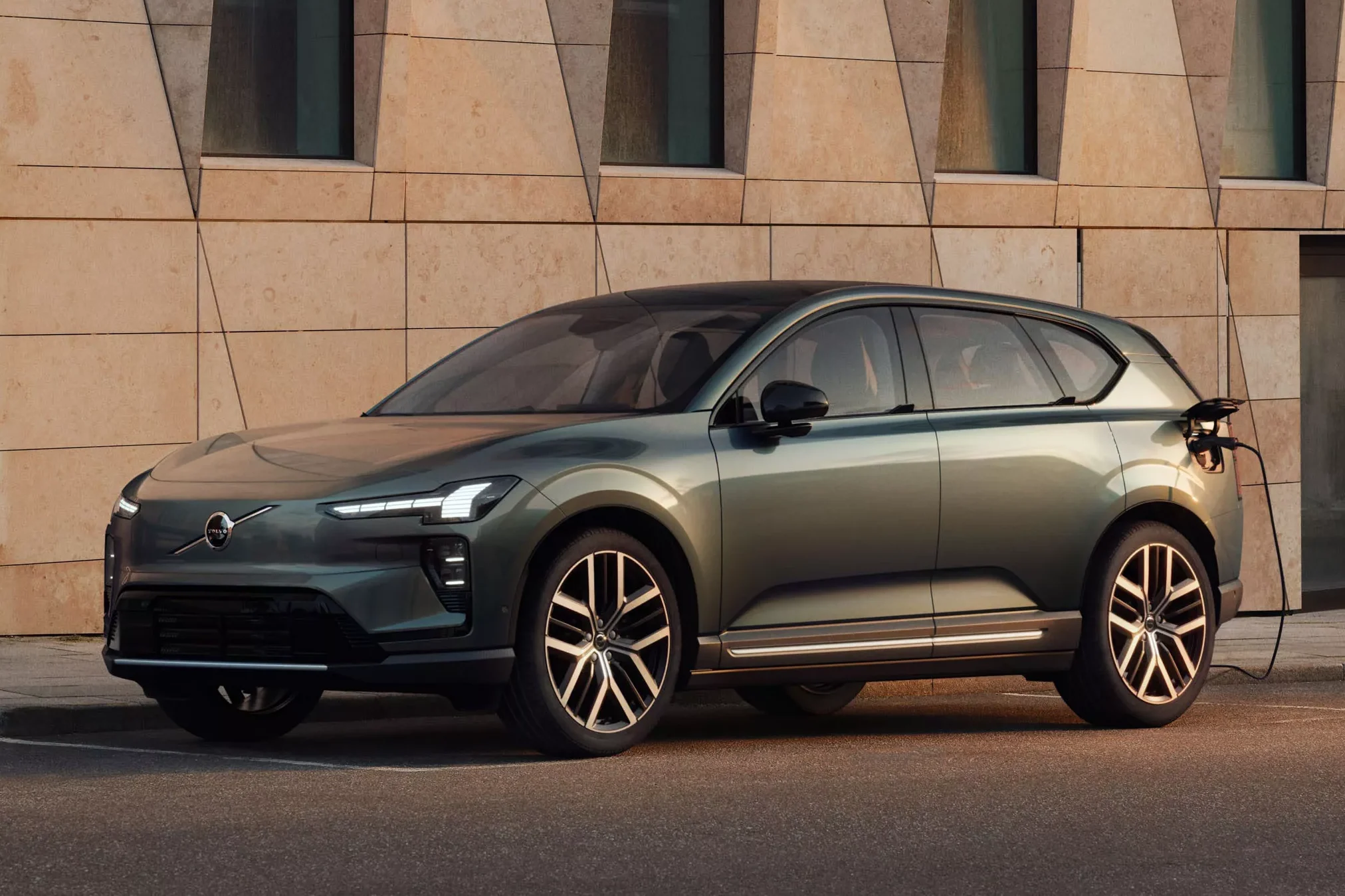
Volvo, now majority‑owned by China’s Geely Holding, announced plans to ramp up production of the all‑electric EX60 SUV. The model is slated to begin assembly in Sweden early this year and will target key markets such as Germany, where demand for premium EVs remains strong.
Financial outlook and stock performance
The automaker’s fourth‑quarter profit plunged 68% after price‑adjustments aimed at stimulating weak demand. While Volvo projects a rise in production volumes for 2026, it cautions that “external business conditions will remain challenging for an extended period.”

On the stock market, Volvo shares have been relatively flat during the morning session, but the year‑to‑date decline sits at about 25%. The company expects to release its Q1 earnings report on April 29.
What’s next?
Volvo’s pivot toward electrification appears to be paying off, even as traditional‑fuel sales suffer from macro‑economic pressures. Investors and shoppers alike will be watching how the EX60 and other upcoming EVs shape the brand’s recovery in a post‑tariff, post‑holiday landscape.