
A massive power outage in San Francisco halted Waymo’s robotaxi fleet, sparking a California regulator probe. Read the full story and see what it means for autonomous taxis.
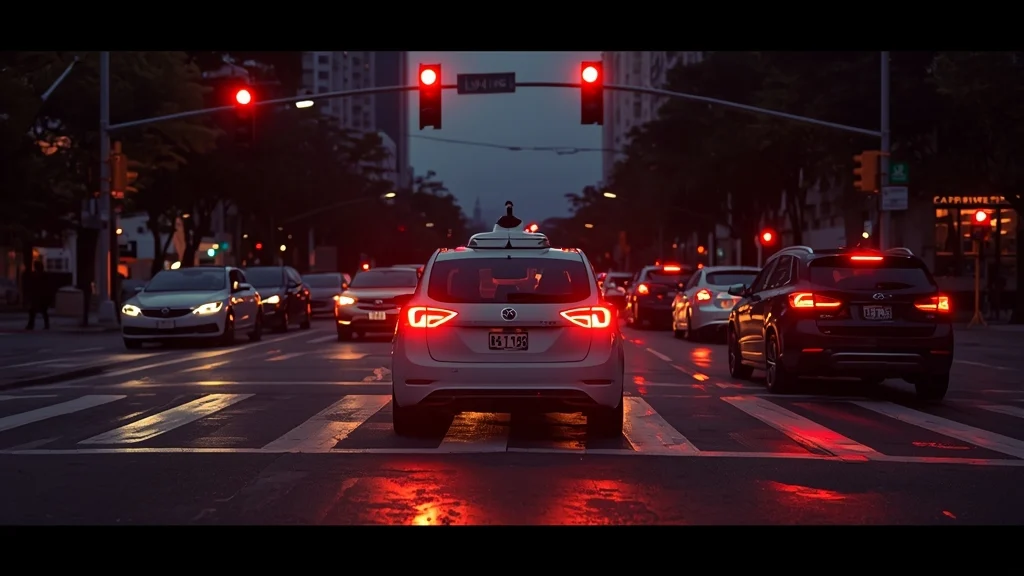
In late November, a wide‑scale power failure swept through San Francisco, leaving roughly one‑third of the city without electricity. The blackout forced Waymo’s fleet of autonomous robotaxis to come to an abrupt stop at intersections, prompting an investigation by the California Public Utilities Commission (CPUC).
What triggered the blackout?
The outage stemmed from a fire at a Pacific Gas & Electric (PG&E) substation, which knocked out power for about 130,000 residents and forced many businesses to close temporarily. Traffic signals across the city went dark, creating a chaotic environment for all road users.
Waymo robots caught in the dark
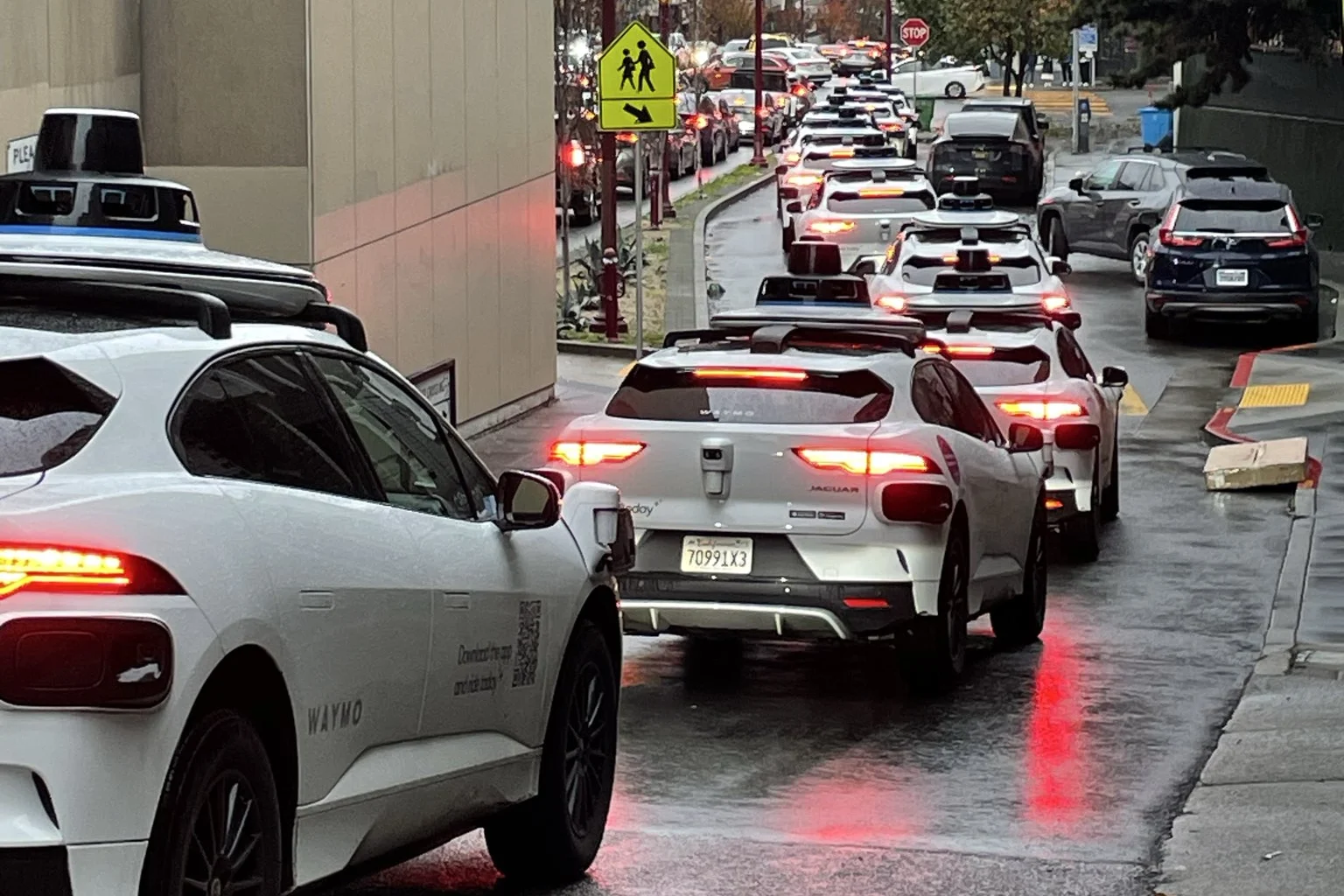
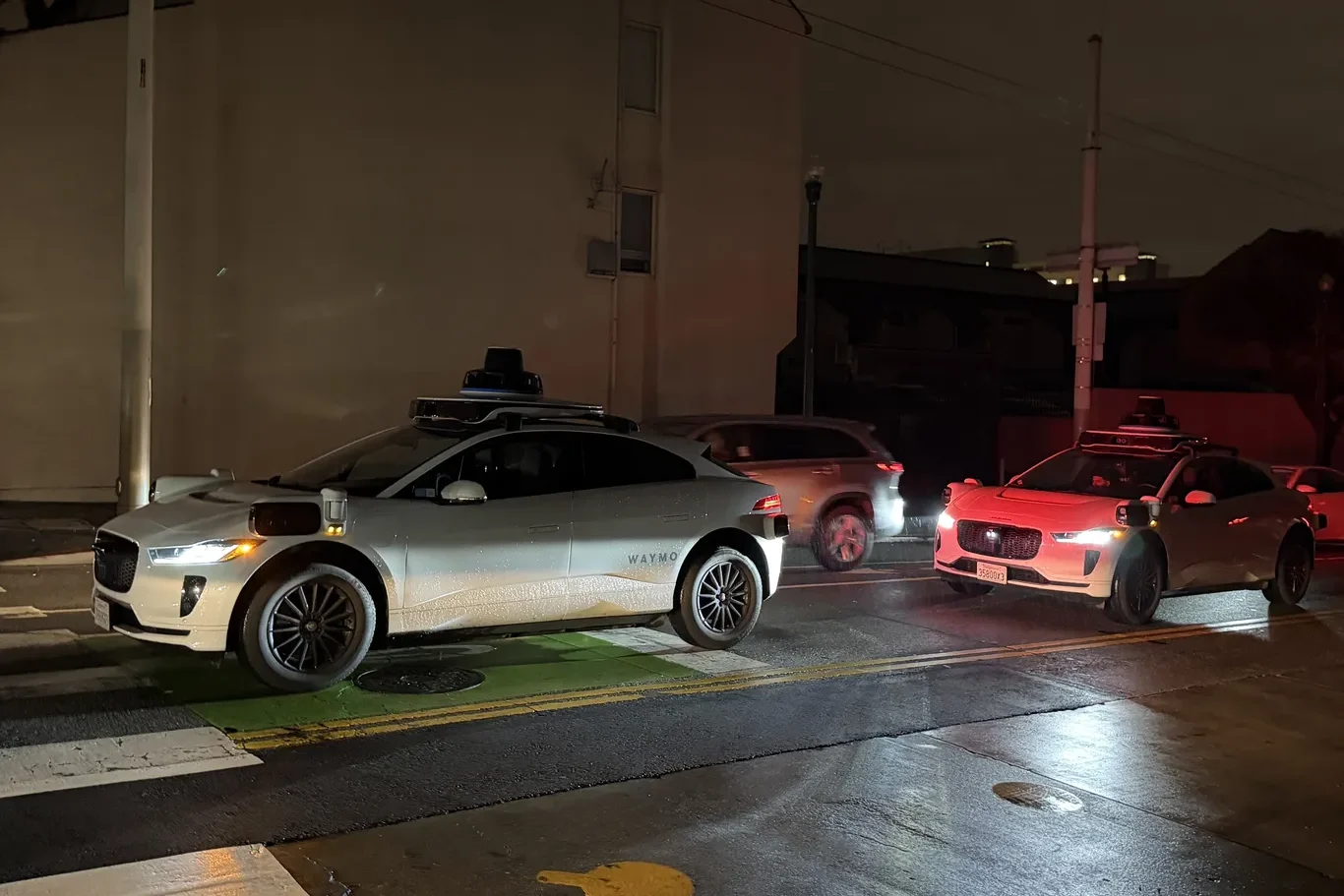
Social media videos showed Waymo’s driverless cars idling at crossroads, flashing hazard lights as traffic lights failed. With no clear right‑of‑way signals, the vehicles remained stationary longer than usual, adding to the congestion and raising questions about how autonomous systems handle unexpected infrastructure failures.
Regulators step in
The CPUC confirmed it is reviewing the incident to assess Waymo’s readiness for such scenarios. While the agency has not disclosed the scope of its probe, a spokesperson said, “We are aware of the power outage and are evaluating the details related to the incident.”
Waymo’s response and service resumption
Waymo announced that it restored ride‑hailing service in the San Francisco Bay area the following Sunday, just one day after the shutdown. The company stated it is integrating lessons learned from the event and will enhance the Waymo Driver’s ability to adapt to traffic‑signal failures and other disruptions.
The broader robotaxi landscape
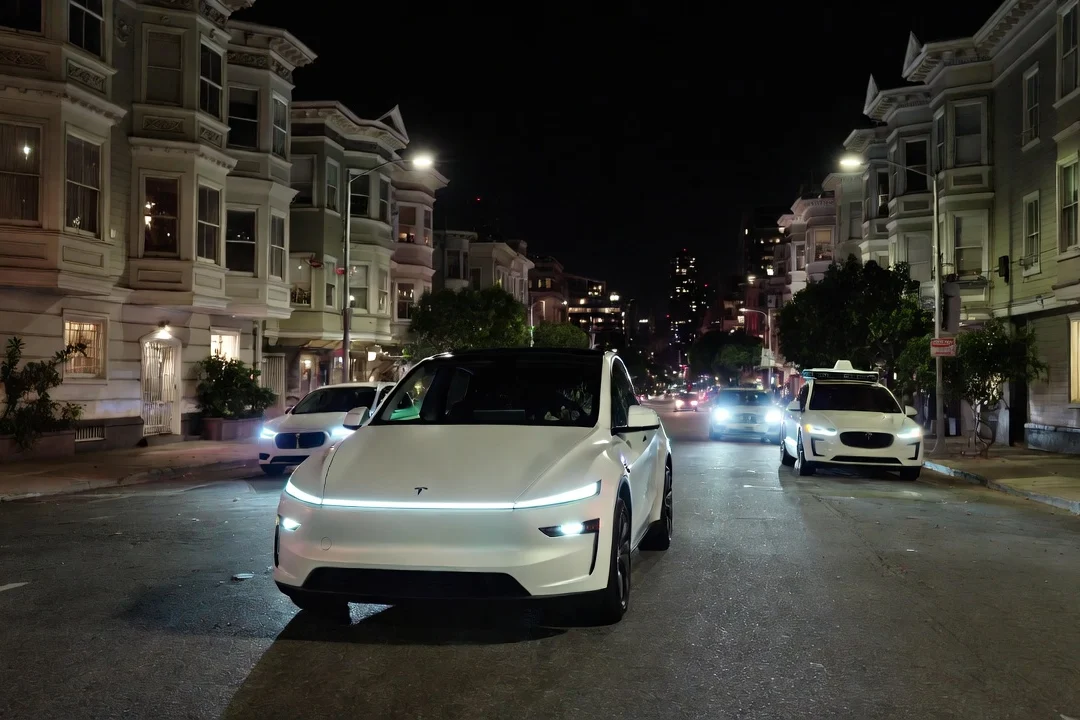
Waymo operates more than 2,500 autonomous vehicles across the Bay Area, Los Angeles, Phoenix, Austin, and Atlanta. Commercializing driverless taxis has proven more complex than anticipated, with high capital costs, strict regulations, and investigations following collisions or other incidents often causing temporary suspensions.
Nevertheless, the sector remains in the spotlight. Earlier this year, Tesla launched a limited robotaxi service in Austin, while Waymo continues to expand its pilot programs. In California, both the CPUC and the Department of Motor Vehicles (DMV) share responsibility for overseeing testing and commercial deployment of autonomous taxi services.
Technical challenges highlighted
The Waymo Driver is engineered to navigate intersections even when traffic signals are non‑functional. However, the sheer scale of the recent outage meant several vehicles stayed idle longer than the system normally tolerates, exposing a gap in handling prolonged infrastructure loss.
Looking ahead
In a statement released on Monday, Waymo emphasized its commitment to improving system resilience and promised to incorporate the insights gained from the San Francisco blackout into future software updates. The incident underscores the importance of robust contingency planning as autonomous vehicles move closer to mainstream adoption.
As regulators, manufacturers, and cities continue to grapple with the realities of driverless transportation, the Waymo power‑outage episode serves as a reminder that even the most advanced technology must be prepared for the unexpected.