
Western car makers risk losing market share as Chinese EVs surge. Discover the stakes and how to stay ahead – read now.
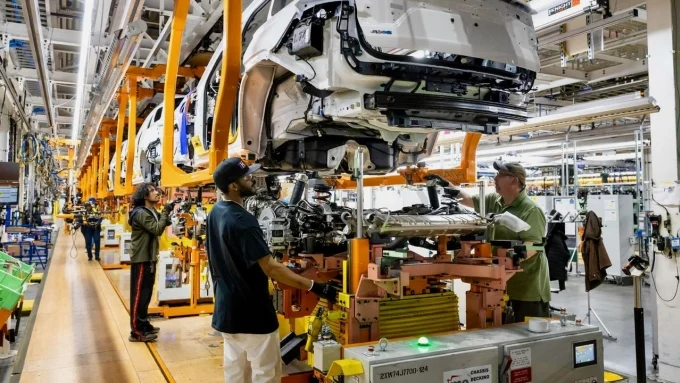
In the 1980s, Detroit’s auto giants – Ford, General Motors and Chrysler – were shocked by a Japanese wave of fuel‑efficient, low‑priced cars. Sky‑high oil prices turned the tide, and the U.S. auto sector suffered massive sales drops and job losses.
A 1980s Lesson Repeating
Today, many Western manufacturers appear to be making a similar strategic error. As oil prices climb again, they are scaling back investment in electric vehicles (EVs) and re‑focusing on internal‑combustion engines (ICE). Experts warn that this retreat could jeopardise the entire industry and millions of jobs.
Chinese EVs Gaining Ground
Affordably priced, high‑quality EVs from Chinese brands such as BYD and Leapmotor are winning over European shoppers. BYD is on track to become the world’s largest EV seller by 2025, overtaking Tesla and eroding market share that once belonged to Volkswagen, Ford, Peugeot and Renault.
Policy Shifts and Market Reactions
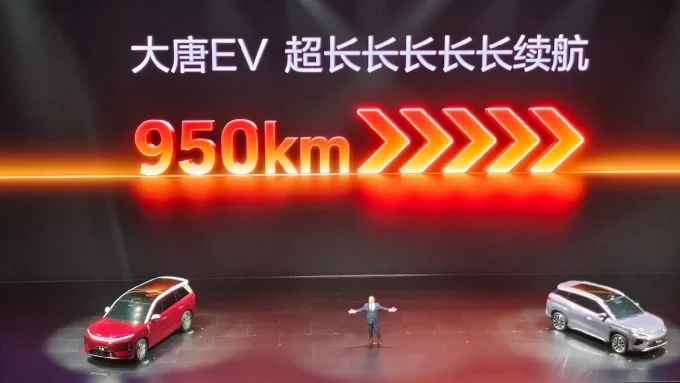
In the United States, former President Donald Trump rolled back many EV incentives, calling emissions regulations a “scam.” In Europe, the policy picture is equally muddled. The European Commission withdrew its 2035 ban on new ICE sales, allowing manufacturers to continue producing low‑emission gasoline and diesel models.
Western Manufacturers Cut EV Investment
Stellantis recorded a €22 billion asset write‑down in February, while Volkswagen trimmed its EV profit expectations after realizing margins on electric cars are far lower than on ICE models. In the U.S., Ford dismissed a $19.5 billion EV programme, cancelling several upcoming models and shelving a battery project.
The Race for Battery Dominance
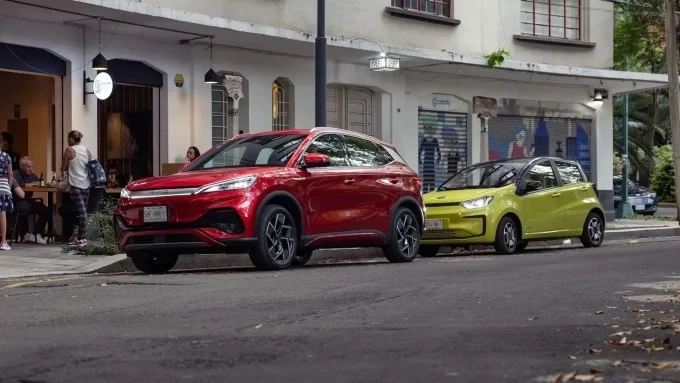
Chinese firms have built a vertically integrated battery ecosystem, controlling everything from raw materials to chips. BYD recently unveiled a new battery promising a 950 km range per charge and a 400 km boost in just five minutes—provided you have ultra‑high‑power chargers.
Inconsistent European Policies
European policymakers remain divided. While some governments push for rapid electrification, others, under pressure from Germany and Italy, permit continued ICE production. This lack of clear direction forces automakers to hedge bets and invest in both ICE and EV platforms, inflating costs.
Global Implications
Beyond Europe and North America, Chinese EVs are expanding quickly in India, Mexico and Brazil, where low‑cost models resonate with price‑sensitive buyers. Western brands, still lacking competitively priced EVs, risk losing these fast‑growing markets.
What the Industry Must Do
- Commit fully to EV development rather than split resources between ICE and electric powertrains.
- Accelerate battery research and secure supply chains to reduce reliance on Asian suppliers.
- Advocate for stable, long‑term regulatory frameworks that support large‑scale EV adoption.
Time is running out. The window for Western automakers to catch up with Chinese EV manufacturers is narrowing, and decisive action now could determine whether they remain competitive in 2035 and beyond.