
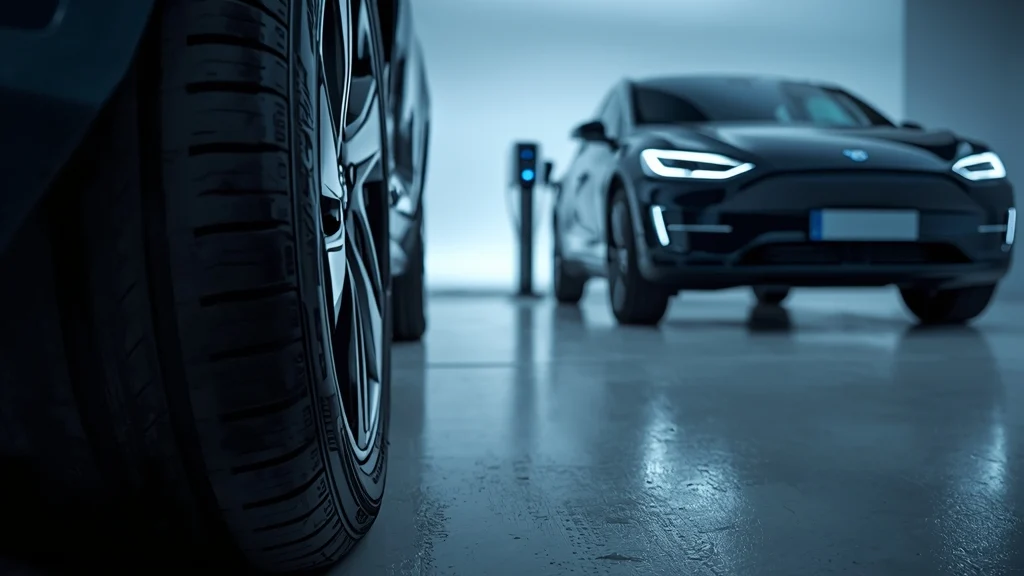
Learn why electric vehicle tires can wear up to 20% faster than gasoline models and how to pick the right EV tires for durability and performance. Read more now!
Electric vehicles (EVs) are gaining traction worldwide thanks to their smooth ride, energy efficiency, and lower emissions. Yet, alongside these advantages, EV owners often notice a surprising downside: their tires seem to wear out faster than those on conventional gasoline cars.
1. The Weight Factor
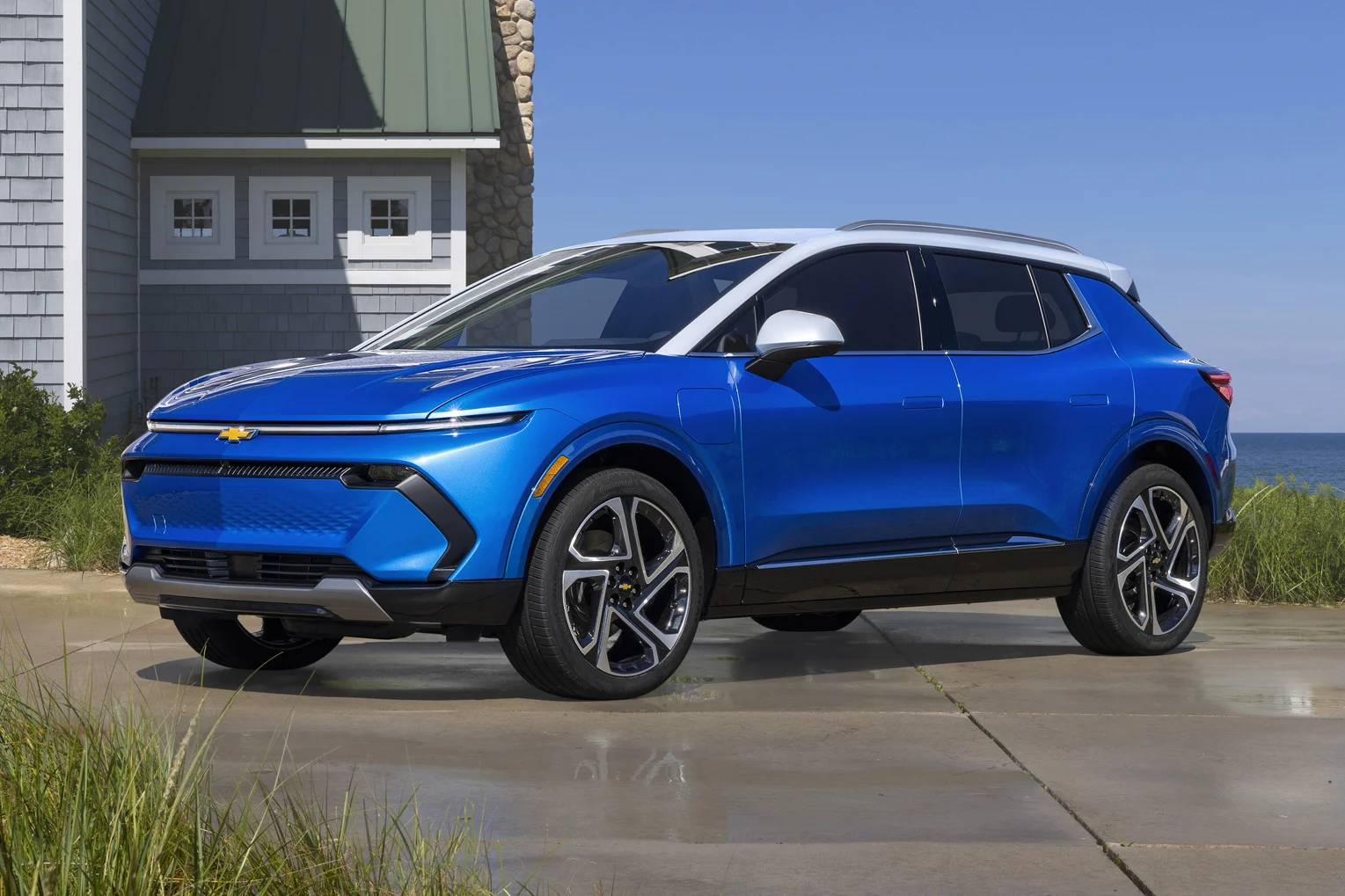
Because an EV carries a large battery pack, it typically weighs more than its internal‑combustion counterpart. For example, the Chevrolet Equinox with a 4‑cylinder gasoline engine has a curb weight of about 1,555 kg, while the fully electric version tips the scales at roughly 2,234 kg.
This extra mass puts additional pressure on the tire’s contact patch, generating more heat and flex during each rotation. The heightened stress accelerates tread degradation, especially under normal driving conditions.
2. Instant Torque and Its Impact
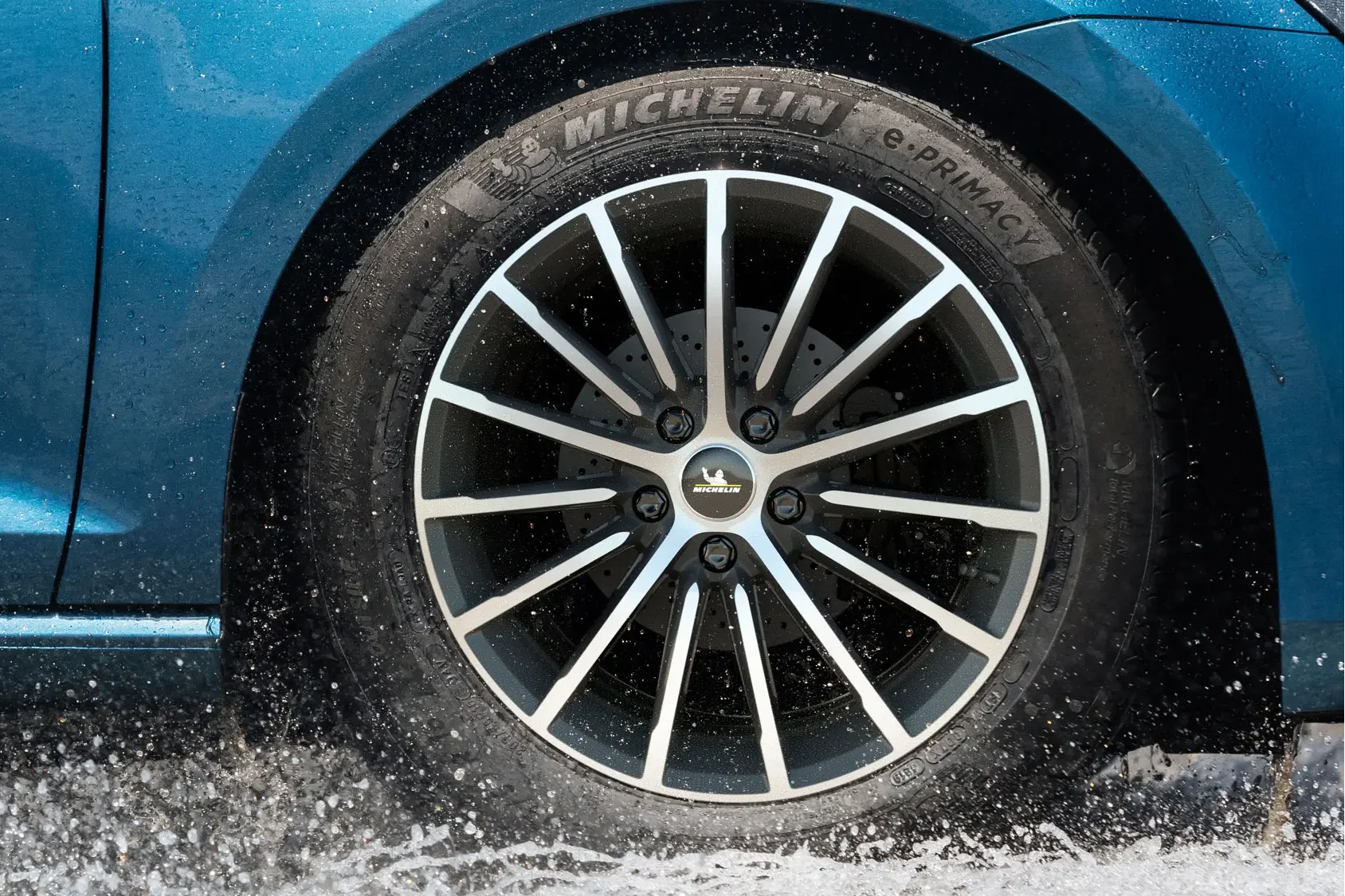
EVs deliver maximum torque instantly. The same Chevrolet Equinox EV can produce up to 320 Nm of torque from a standstill, compared with 250 Nm on the gasoline model, which only reaches that peak after about 2,000 rpm.
When you press the accelerator, the full torque is transferred to the wheels immediately. Rapid, hard launches—common in city traffic—subject the tires to high shear forces for short bursts, hastening wear if such driving habits are frequent.
3. Specialized EV Tire Design
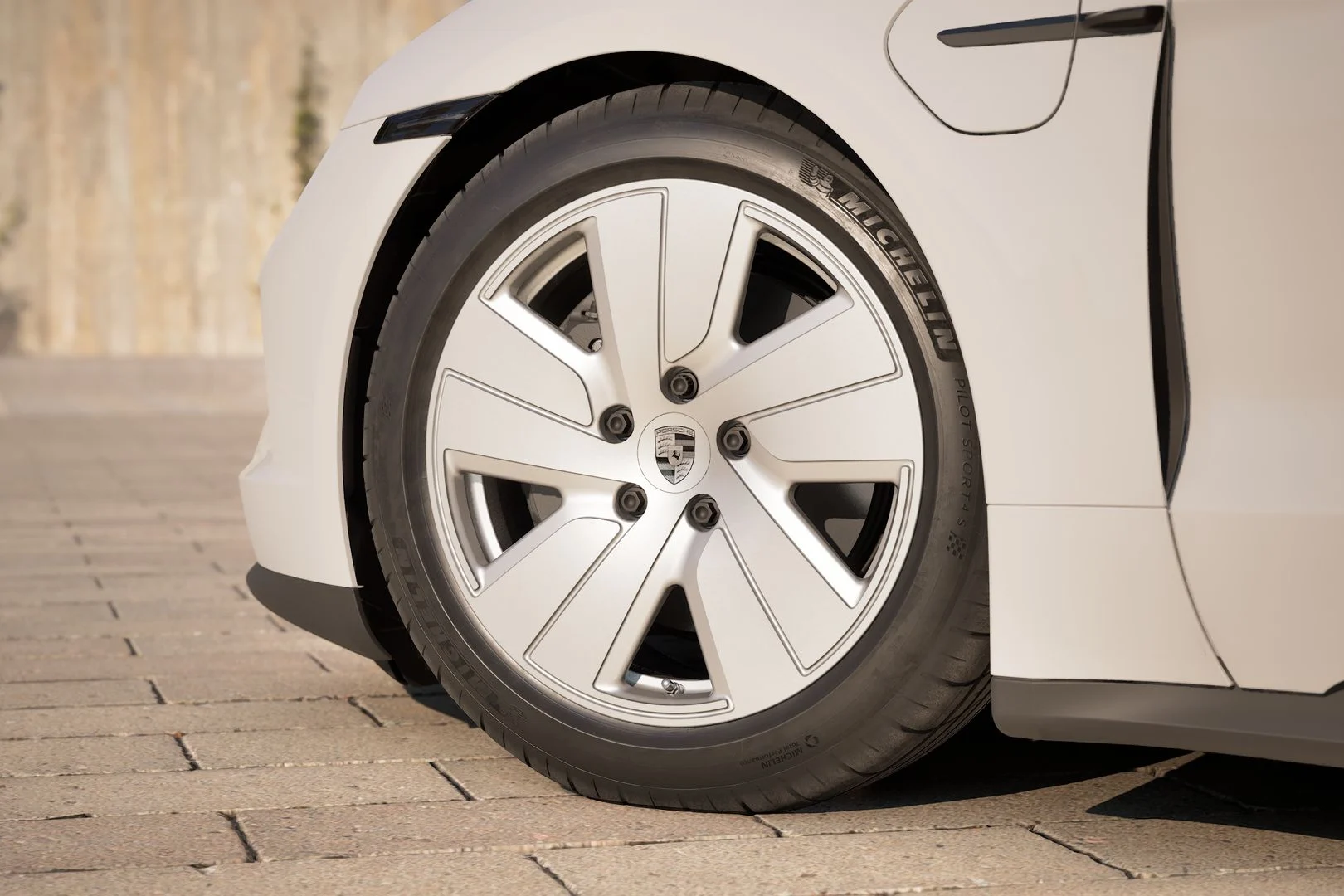
Because of the unique demands of electric cars, manufacturers have developed dedicated EV tires. These tires feature a stiffer sidewall and reinforced tread compounds to withstand higher loads and reduce heat buildup.
- Rigid construction: Limits tire flex under heavy weight, reducing internal heat.
- Optimised shoulder shape: Improves lateral stability during cornering.
- Harder rubber compounds: Offer greater durability against the combined effects of weight and torque.
These design tweaks help combat the accelerated wear patterns seen on standard tires when placed on an EV.
4. Cost Considerations
Specialised EV tires come with a premium price tag. While a regular passenger‑car tire might cost around $115, an EV‑specific tire can reach $300 or more per unit.
Attempting to save money by fitting conventional tires on an electric car—especially high‑performance models—poses safety risks, including reduced handling, higher rolling resistance, and a greater likelihood of premature failure.
5. Choosing the Right Tires for Your EV
When selecting tires for an electric vehicle, keep these factors in mind:
- Load rating that matches your vehicle’s curb weight.
- Low rolling resistance to maximise range.
- Durable tread designed for high torque applications.
- Manufacturer recommendations—many EV makers certify specific tire models.
Investing in the appropriate EV tire not only safeguards your investment but also enhances driving comfort, safety, and efficiency.
Understanding why electric vehicle tires wear faster helps owners make informed choices and avoid unnecessary expenses. Ready to upgrade your EV’s tires? Explore certified options today.