
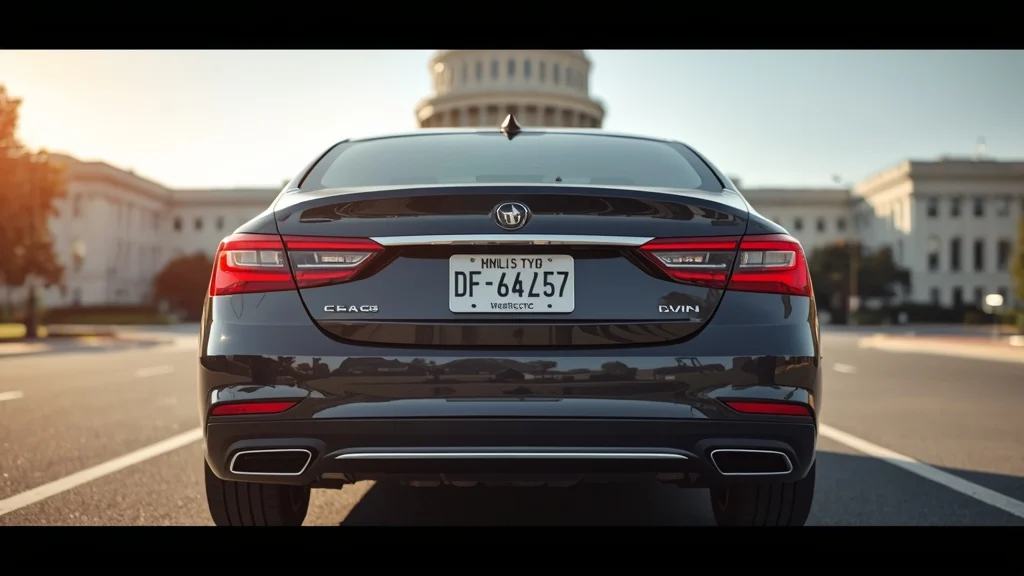
Discover why certain US vehicles display two license plates, the state rules, exceptions, and penalties. Learn the facts now – click to read!
License plates are the unique ID that ties a vehicle to its owner, helping authorities manage traffic safety, enforce fines, and collect fees. In the United States, the idea of fitting a single car with two different plates might sound illegal—yet a handful of state-specific exceptions make it possible.
Who Controls License Plates in the US?
Unlike many countries where a national agency issues plates, the US leaves most of the work to the 50 states, local jurisdictions, and some Native American tribes. The federal government only issues plates for its own fleet. Because each state writes its own rules, the answer to “Can a car legally have two plates?” depends on where the vehicle is registered.
State Exceptions That Allow Two Plates
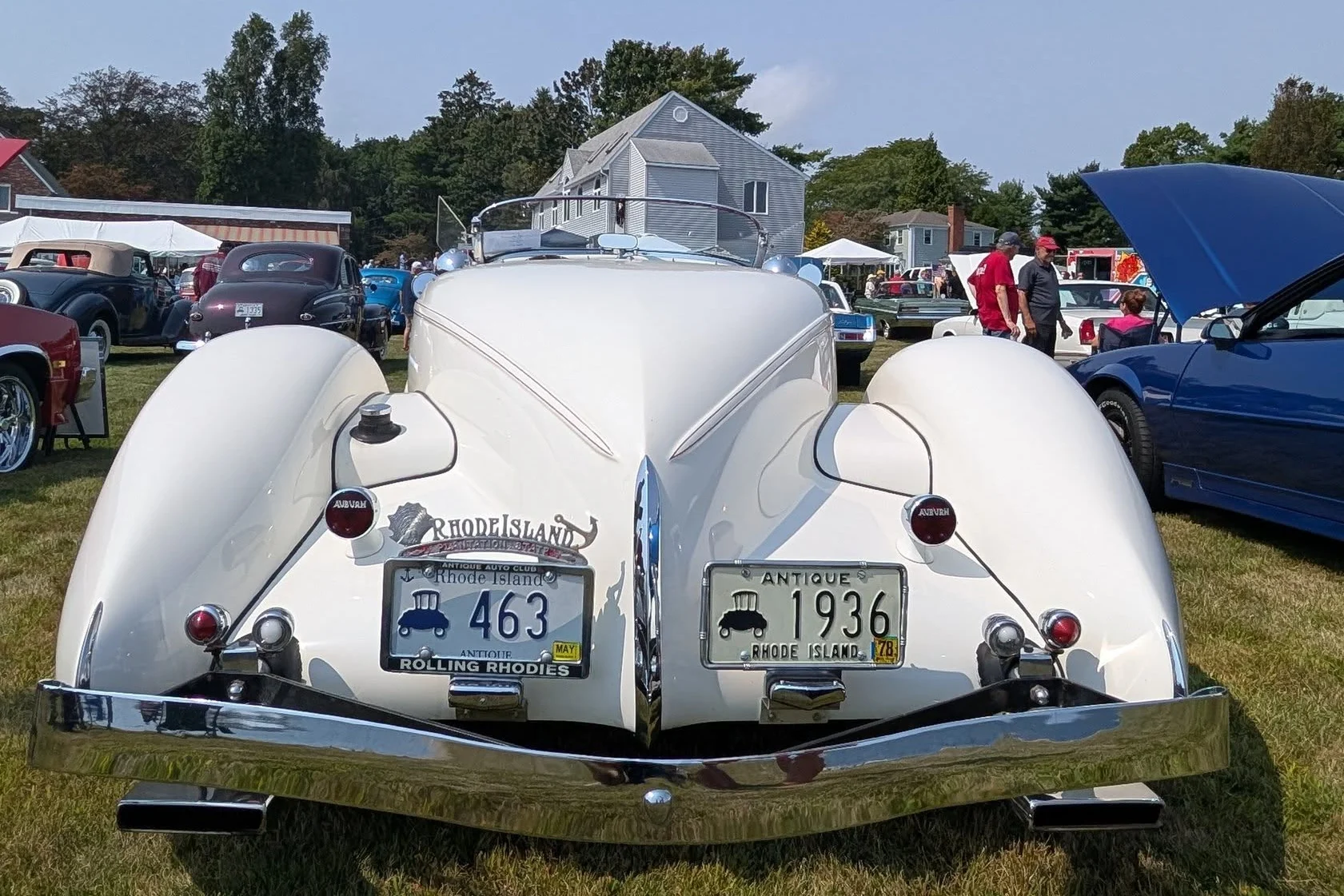
Rhode Island – Year‑of‑Manufacture Plates
In Rhode Island, cars that are 25 years old or older may display a special “Year of Manufacture” plate alongside the standard plate. The vintage plate is decorative only, cannot be used outside the state, and is not accepted during state inspections.

Washington – Collector and Restored Vehicles
Washington permits certain vehicles older than 30 years to use a “Collector Vehicle” or restored‑vehicle plate on the rear, while keeping a regular plate on the front. The two plates must share the exact same number sequence and are both issued to that specific car.
The General Rule: One Plate, One Number
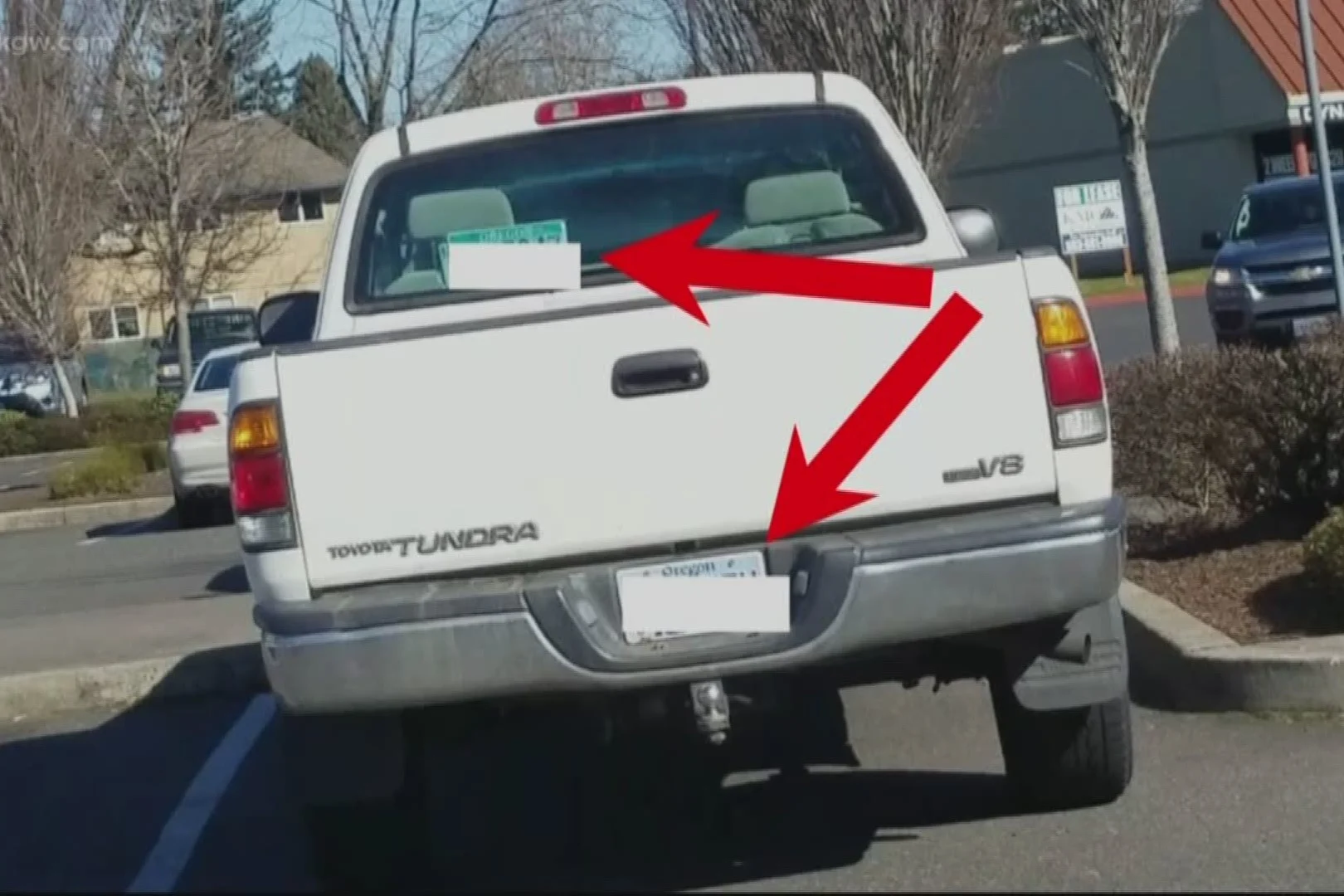
In most states, a license plate is a singular identifier. Mounting two different numbers on the same vehicle breaks that uniqueness and usually violates registration laws. The majority of state statutes require owners to display only the plates that were officially assigned to their vehicle.
Consequences of Using the Wrong Plate
- Massachusetts: Mis‑displaying a plate can lead to a misdemeanor, a fine of around $100 and up to 10 days in jail.
- Texas: Using a plate not issued for the vehicle is a minor misdemeanor, punishable by a fine up to $200 but no jail time.
- Georgia: Violations may result in fines of roughly $500 and possible imprisonment for up to 12 months.
- Montana & Florida: Borrowing another car’s plates without a proper transfer is considered illegal.
Key Takeaways
Only in narrowly defined scenarios—typically vintage, collector, or restored vehicles—does the law permit a car to sport two plates, and even then strict conditions apply (matching numbers, state‑issued only, and limited use). Outside these exceptions, fitting a single vehicle with two different license plates is almost certainly a legal breach.
Before you decide to add a second plate, check your state’s motor vehicle department guidelines to avoid costly fines or court appearances.