
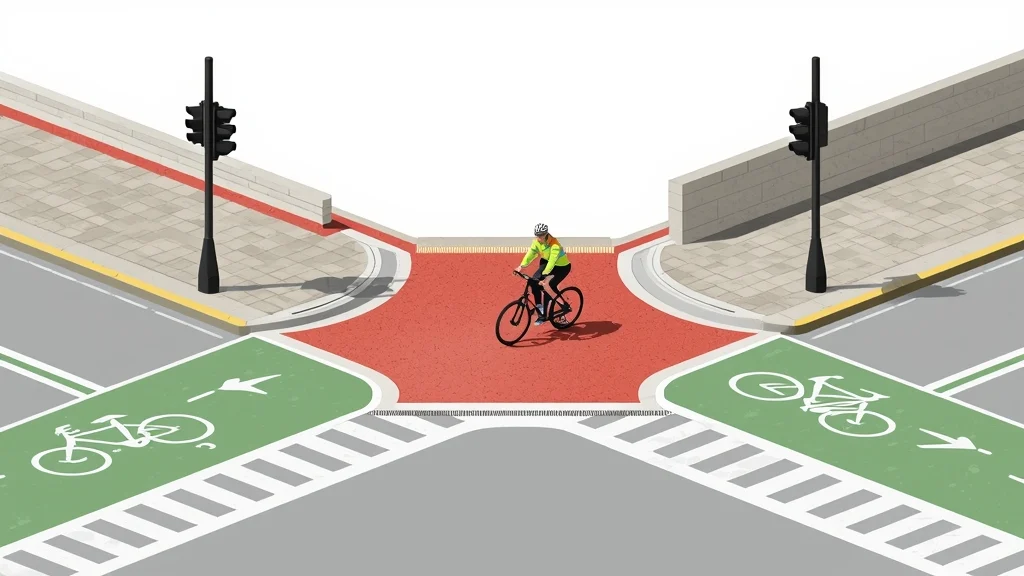
Explore how leading cities worldwide create safe bike lanes with dedicated separation, premium surfaces, and smart intersection planning. Learn more now!
In recent decades, major cities across Europe and North America have embraced the bicycle as a core component of urban transport. Dedicated bike lanes not only promote environmentally‑friendly travel but also cut accidents and improve overall traffic flow.
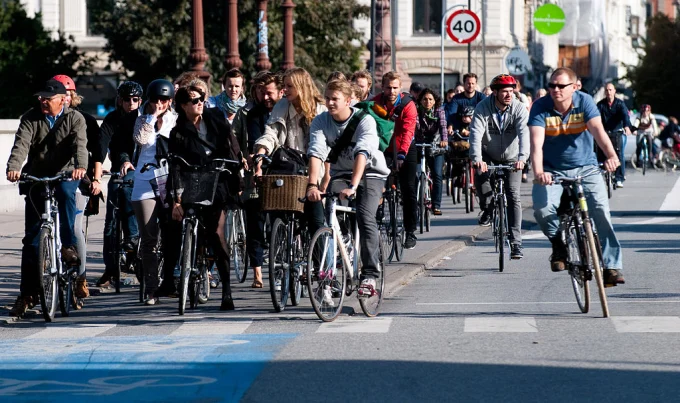
Dedicated Separation from Motor Traffic
In bike‑friendly nations such as the Netherlands and Denmark, cycling routes are physically separated from cars. In the Netherlands, the network stretches hundreds of kilometres, with sidewalks, trees, or low barriers creating a clear buffer between cyclists and motorists. Copenhagen’s main arteries feature bike lanes 2.2–2.5 m wide, often wider in busy sections, and are edged with rigid curbs that keep motor traffic at a distance.
High‑Quality Surface Materials
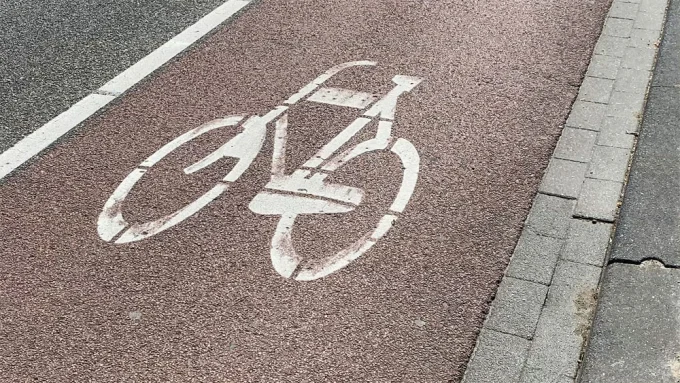
Unlike painted markings alone, leading cities specify surface materials that provide consistent grip in wet and dry conditions. The Netherlands, Denmark and many U.S. cities use high‑granular asphalt or coloured concrete for bike lanes, ensuring optimal tyre adhesion. When paint is applied over the whole lane, it is mixed with fine aggregate or anti‑slip granules to boost traction.
Smart Intersection Design
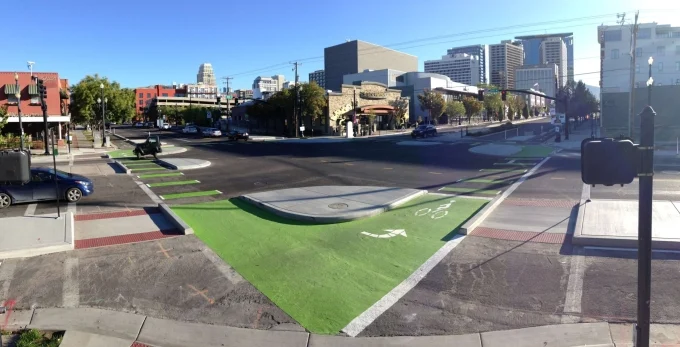
Intersections are the most hazardous points for cyclists. To address this, European and North American cities guide cyclists through junctions with clear lane markings, colour‑coded surfaces and dedicated signage. At major crossings, cyclists often enjoy a separate traffic signal or a “bike box” positioned ahead of motor vehicles, allowing them to position themselves for a safer start when the light turns green.
Some municipalities also employ raised islands, speed‑reduction bumps, or low curbs that force motor vehicles to slow before they can cross a bike lane, turning a dangerous crossing into a controlled, low‑speed zone.
Global Examples in Action
- Netherlands: Over 35 000 km of segregated bike paths, with asphalt surfaces calibrated for maximum grip.
- Copenhagen: Bike lanes up to 3 m wide on main streets, protected by concrete curbs and clear pavement markings.
- Portland, USA: Uses “buffered bike lanes” with a 0.5 m painted strip and a textured surface to separate cyclists from traffic.
Key Takeaways for Safer Bike Infrastructure
• Physical separation reduces vehicle‑bicycle conflicts.
• High‑grip surface materials prevent sudden slips during braking.
• Dedicated signals and bike boxes improve visibility at intersections.
• Traffic calming measures before crossings lower vehicle speeds.
By adopting these proven standards, cities worldwide can create bike lanes that are not only pleasant to ride but also markedly safer for everyone on the road.