
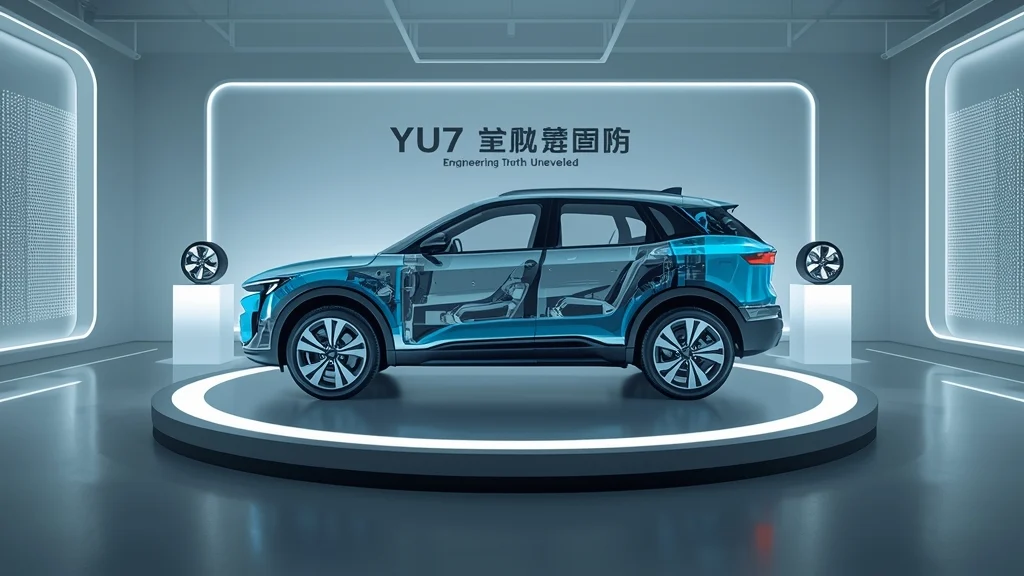
Xiaomi’s CEO Lei Jun livestreamed the YU7 electric SUV teardown, debunking myths and showcasing its engineering. Discover the facts now!
On January 3, Xiaomi founder, chairman and CEO Lei Jun opened a four‑hour livestream that took viewers behind the scenes of the company’s newest electric sport‑utility vehicle, the YU7. The session was designed to answer circulating doubts, clear up misinformation, and demonstrate the engineering rigor behind Xiaomi Auto’s second flagship model.
Why a Live Disassembly?
Recent online discussions had veered into speculation about the YU7’s range, braking performance and structural integrity. Some viral videos claimed the SUV could “brake instantly at 200 km/h” or travel a staggering 1,300 km on a single charge. Others showed wheels allegedly popping off in a crash test, feeding the narrative that the vehicle’s build quality was sub‑par.
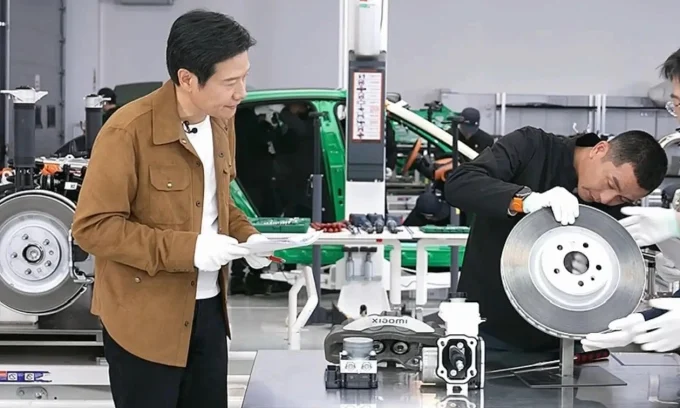
Lei Jun used the livestream as a direct response: a transparent, hands‑on demonstration that the YU7 meets—or exceeds—industry standards.
Key Myths Debunked Live
- Range claim (1,300 km on one charge): The CEO clarified that the figure refers to a “combined‑charging scenario,” where the vehicle pauses at a fast‑charging station to top up the battery, effectively splitting the journey into two legs. It does not represent a single uninterrupted charge.
- Instant braking at 200 km/h: The dramatic footage originated from a controlled test of the SU7 Ultra prototype and was later edited to exaggerate the result. In reality, the YU7’s braking system complies with European and Chinese safety regulations.
- Wheels flying off in a collision: The observed wheel‑release mechanism is intentional. It is engineered to safely vent cabin pressure and dissipate impact energy, protecting occupants rather than indicating a material defect.
Engineering Highlights Presented
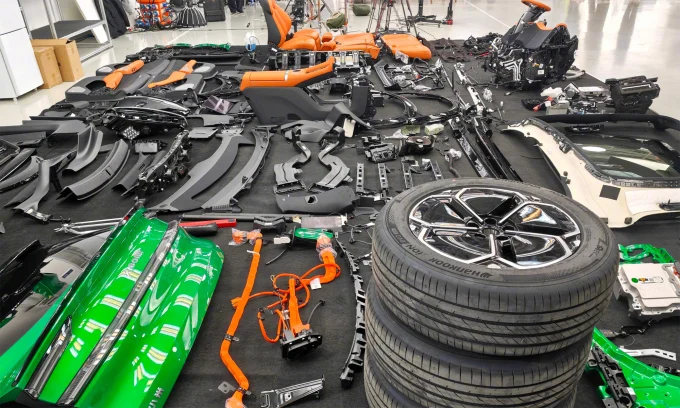
During the teardown, engineers explained several design choices that set the YU7 apart:
- Use of 2200 MPa high‑strength steel—the highest grade commonly employed in mass‑produced EVs—provides a robust yet lightweight body shell.
- Modular battery packs that can be serviced without dismantling major structural components.
- Advanced thermal management that maintains optimal battery temperature under fast‑charging conditions.
Production & Delivery Milestones
Lei Jun also shared Xiaomi Auto’s rollout figures. By the end of 2025, the company had delivered 410,000 electric vehicles worldwide. The target for 2026 is set at 550,000 units—a goal Lei described as “ambitious but realistic,” reflecting both market demand and the firm’s production capacity.
Open Dialogue with the Community
The livestream began with the comment section closed, but it was soon opened to let viewers submit questions in real time. Lei encouraged fair, fact‑based comparisons, warning against pitting the mid‑range YU7 against premium models priced at 1‑2 million RMB (≈ $285,000) where the market segments differ vastly.
What This Means for Prospective Buyers
For international consumers, the session offers a rare glimpse into how a tech giant outside the traditional automotive sphere addresses quality concerns head‑on. The transparent approach underscores Xiaomi Auto’s commitment to safety, durability, and continuous improvement.
Whether you’re watching from the United States, the United Kingdom, or elsewhere, the key takeaway is clear: the YU7 is built on proven engineering principles, and Xiaomi is prepared to back its claims with data and real‑world testing.
Take the Next Step
If you’re curious about the YU7’s specifications, pricing, or availability in your region, visit Xiaomi Auto’s official website or contact a local dealer. Stay informed, ask questions, and make a confident choice when the electric SUV market keeps evolving.