
A 31‑year‑old driver died after a Xiaomi electric bike caught fire in Chengdu when power loss disabled the door handle, prompting calls for stricter EV safety standards. Learn more.
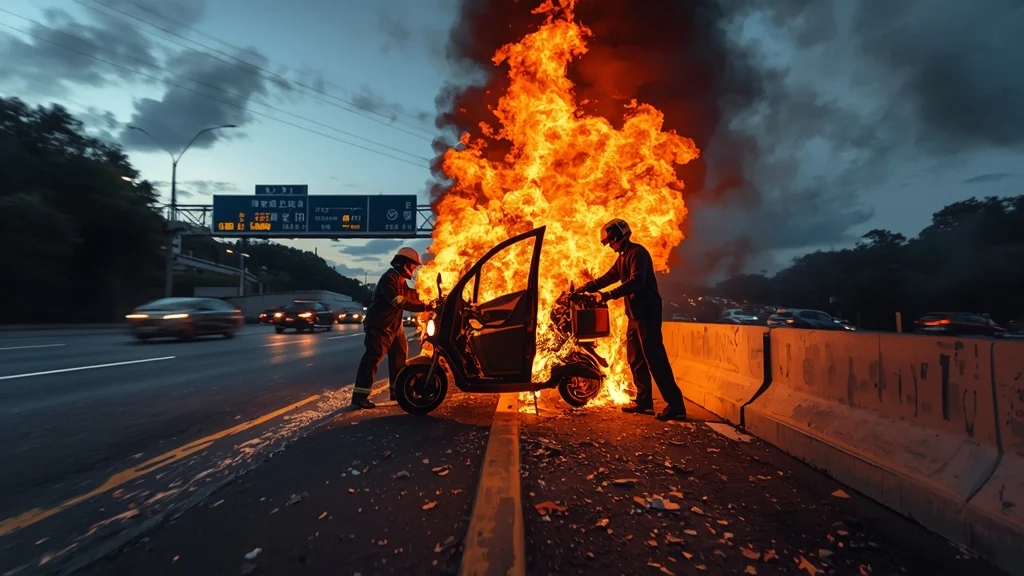
On 13 October 2025, a Xiaomi SU7 Ultra electric scooter burst into flames on a busy Chengdu highway, trapping its driver inside and leading to his death.
What happened?
According to a forensic report released by the Huaxi Traffic Forensics Center in Sichuan and cited by China’s Caixin magazine, the scooter was traveling at about 167 km/h (≈104 mph) when it collided with another vehicle on Tianfu South Avenue. The impact propelled the scooter into the central barrier, where it ignited.
Because the crash caused a complete loss of electrical power, the scooter’s electronic door‑opening mechanism failed. The rider, 31‑year‑old Dang, could not open the door from either side, even as by‑standers repeatedly tried to pry it open and smash the windows.
Why the door wouldn’t open
- The SU7 Ultra is equipped only with an electric door‑release button on the outside; it lacks a manual, mechanically‑operated emergency latch.
- The forensic investigation found that the low‑voltage system shut down after the impact, disabling the electronic latch.
- Witnesses reported three separate fire‑outbursts within five minutes, and attempts to reach the interior grip were futile.
Broader safety concerns
This is the third Xiaomi electric‑vehicle fire reported in 2025, and the second incident involving a door that could not be opened after a crash. In March 2025, a similar accident on the Anhui‑Hubei expressway left three people dead.

Industry experts say the design flaw raises serious questions about emergency egress in high‑speed electric two‑wheelers, especially when battery‑related failures cut power to critical systems.
Regulatory response
China’s Ministry of Industry and Information Technology (MIIT) has drafted mandatory standards requiring all electric‑vehicle doors to include a mechanical emergency handle that functions without power. The rules, approved in January 2026, give manufacturers until 2027 to implement the changes on new models and until 2029 for existing fleets.
Legal and family backlash
The victim’s family disputes the initial attribution of full responsibility to the driver, arguing that the scooter’s design prevented a safe escape. Their lawyer is urging a deeper probe into possible brake or stability issues that may have preceded the collision.
What this means for consumers
Potential buyers of electric scooters should verify whether a model offers a manual, fail‑safe door release. Until the new MIIT standards take effect, the risk of being locked inside a burning vehicle remains a real concern.
Stay informed about the latest EV safety developments and choose vehicles that prioritize both performance and emergency accessibility.