
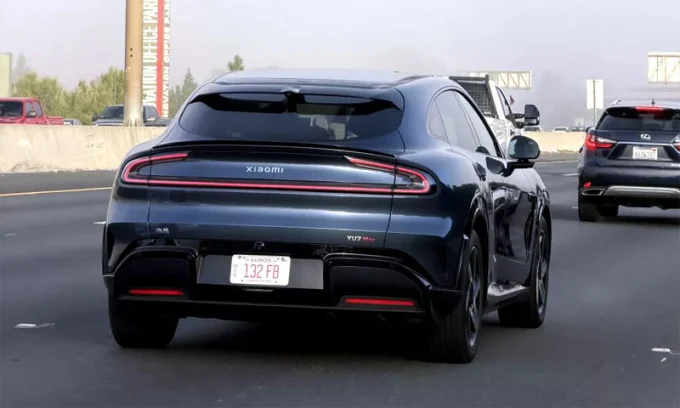
A Xiaomi YU7 Max electric SUV was seen on an Illinois highway with a Rivian‑style plate, sparking speculation on US testing. Learn the full story now.
For the first time an electric SUV bearing the Xiaomi badge has turned heads on an American highway. The vehicle, a YU7 Max, sported a license plate registered to a manufacturer in Illinois – the same state where Rivian operates a production plant. The sighting has set off a wave of speculation that Rivian is evaluating the Chinese‑made model as part of its upcoming R2 launch.
Background on the Xiaomi YU7 Max
The YU7 Max is one of Xiaomi’s most popular EVs in China, built on an 800‑volt platform that supports ultra‑fast DC charging. Despite strong domestic demand, the model is not approved for import or sale in the United States, a restriction that makes any American appearance noteworthy.
Why It Appeared in the United States
The first photos emerged on a Chinese social‑media forum before spreading to Reddit. The car displayed an Illinois registration number, a series previously seen on Rivian test vehicles. While such plates are not exclusive and can be issued to various manufacturers or contractors, the timing aligns with Rivian’s preparations for its next‑generation R2, slated for a $45,000 price point in June.
Rivian’s Upcoming R2 and the Competitive Landscape
Rivian CEO RJ Scaringe has confirmed that the company keeps a fleet of Chinese electric cars for internal testing and competitive analysis. The R2 is designed for adventure‑seeking consumers and will compete not only with legacy brands but also with emerging players like Xiaomi, especially as both firms eye the European market.
Technical Differences: 800 V vs 400 V Platforms
The YU7 Max’s 800‑volt architecture enables significantly quicker charging compared with Rivian’s 400‑volt system. This disparity means the Xiaomi model can recharge at speeds that outpace the R2, a factor that could influence buyer preferences among tech‑savvy shoppers.
Xiaomi’s Global EV Ambitions
Xiaomi has announced a rollout of electric vehicles in Europe starting in 2027. The company opened an R&D and design centre in Munich in September 2025 to tailor its models to European standards and consumer tastes. Vehicles such as the SU7 Ultra have already been registered and tested on public roads in Germany since mid‑2025.
Availability in Europe and Online Marketplaces
In several European countries – Germany, the Netherlands, Italy and Spain – consumers can obtain Xiaomi EVs through direct import channels on e‑commerce platforms, albeit unofficially. China EV Marketplace, billed as China’s largest online EV retailer, claims to have delivered 11,000 electric cars worldwide in 2025, a 224 % increase from the previous year.
What This Means for US Consumers
While Xiaomi is unlikely to steal market share from Rivian in the United States in the near term, the sighting underscores a growing trend: Chinese automakers are testing the waters in Western markets, often through partnerships or covert trials. For US buyers, the episode highlights the importance of watching how legacy and new entrants adapt to rapid advances in battery technology and charging infrastructure.
Stay tuned as more details emerge about Rivian’s R2 strategy and Xiaomi’s potential entry into the American EV scene.