
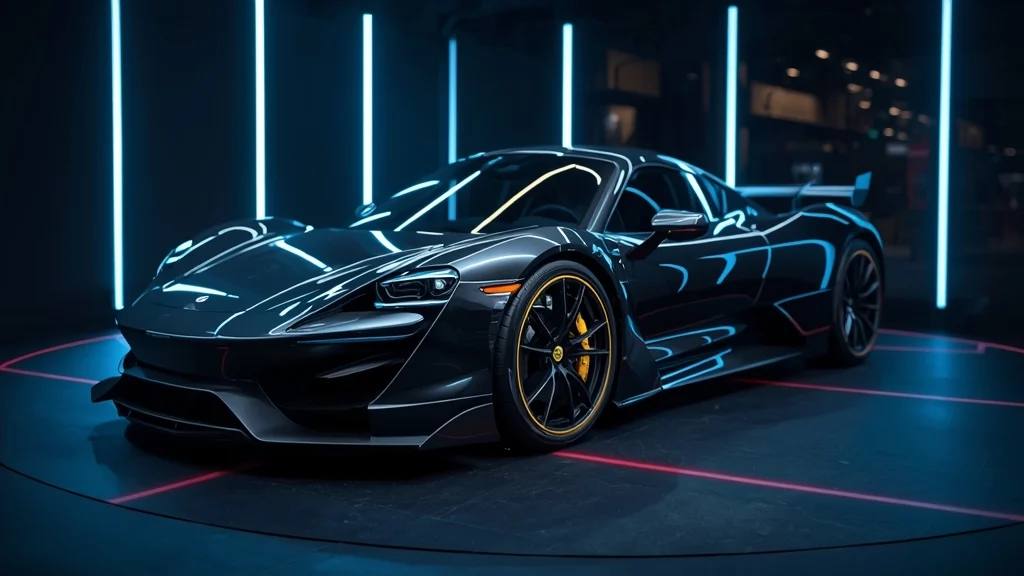
Yamaha unveils Project V, its first electric sports car, aiming to challenge Porsche in the US market. Discover the specs, design philosophy, and pricing now.
After decades of powering motorcycles and high‑performance engines for other brands, Yamaha is stepping into the spotlight with its own four‑wheeled masterpiece. Unveiled at CES 2026 in Las Vegas, the Project V electric coupe—co‑developed with British specialist Caterham—marks the Japanese giant’s bold entry into the sports‑car arena, directly targeting the United States and the iconic Porsche 911.
A Strategic Push into the US Market
Caterham has made it clear that the United States will be the launchpad for Project V. The company sees a gap in the market for drivers who crave pure, analog‑feel performance but want an electric powertrain. With Porsche’s small‑electric‑sport models still on the drawing board, Yamaha and Caterham believe they can capture the attention of enthusiasts seeking a distinctive alternative.
Design Roots: A Nod to the Lotus Elan +2
Project V’s silhouette draws inspiration from the classic Lotus Elan +2—a personal favorite of Caterham’s CEO. Yet the essential Caterham Seven spirit remains intact: a lightweight, stripped‑down chassis that prioritises driver engagement above all else.
Breaking the Battery Norm with Dual‑Pack Placement
Instead of the industry‑standard floor‑mounted battery, Project V adopts a twin‑pack layout, positioning cells both fore and aft of the cabin. This configuration balances the vehicle’s centre of gravity, lowers the seating position, and gives the driver a closer‑to‑the‑road feel without sacrificing structural rigidity or interior headroom.
Powertrain Highlights – Yamaha e‑Axle
The heart of the car is Yamaha’s 200 kW e‑axle, a compact unit that integrates motor, inverter, transmission and cooling in a single rear‑mounted package. Combined with a 55 kWh liquid‑cooled battery from Xing Mobility, the setup delivers 268 hp, a power‑to‑weight ratio that outpaces many contemporary sports cars. The vehicle weighs just 1,225 kg (2,702 lb), underscoring the lightweight philosophy.
Performance Numbers
- 0–60 mph (0–96 km/h) in approximately 4.5 seconds
- Top speed limited to 230 km/h (143 mph)
- WLTP range around 400 km (250 mi) on a single charge
- Fast DC charging via NACS connector, with an emphasis on energy efficiency rather than blistering charge rates
Inside the Cockpit: Minimalist Meets Modern
The cabin stays true to Caterham’s heritage: a flat‑panel dashboard, classic analogue gauges, and a handful of physical buttons. Modern necessities are limited to a rear‑view camera display and optional Apple CarPlay or Android Auto connectivity. Safety‑related systems are added to meet regulatory requirements, but the overall experience remains focused on pure driving pleasure.
Pricing, Availability & Competition
Projected pricing sits near US $135,000, aligning it with a base‑spec Porsche 911. While the price positions Project V as a premium offering, Yamaha and Caterham argue that the combination of lightness, driver‑first dynamics, and a distinct electric character justifies the cost. Global sales are slated to begin in 2027, after a focused rollout in the United States.
What It Means for the Electric Sports Segment
In an era where many manufacturers chase ever‑higher horsepower and elaborate tech suites, Project V is a reminder that the essence of a sports car can still be about balance, feedback and simplicity. By directly challenging Porsche with an electric coupe that embraces classic driver‑centred values, Yamaha and Caterham are carving out a bold, alternative path in the fast‑growing EV market.
Stay tuned for further updates as the project moves from prototype to production, and discover whether this lightweight electric challenger can indeed redefine performance in the age of electrification.