
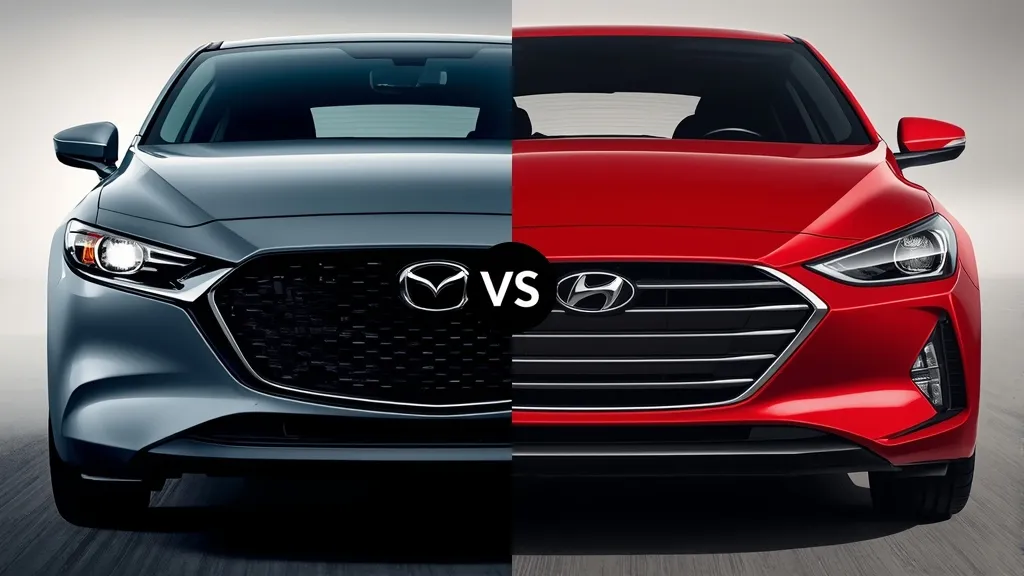
When you are navigating the crowded compact car segment, the choice between the Mazda 3 vs Hyundai Elantra often feels like a crossroad between two entirely different automotive philosophies. Are you looking for a vehicle that feels like a handcrafted piece of art, or do you want a high-tech powerhouse that offers the best compact sedan for value 2024? It is a fascinating dilemma. On one hand, you have Mazda pursuit of “Jinba-Ittai” (horse and rider as one), and on the other,
Hyundai aggressive push to dominate through technology and bold styling. In this deep dive, we will explore everything from Mazda 3 vs Elantra reliability to the nuances of the Mazda 3 vs Hyundai Elantra interior, helping you decide which of these titans deserves a spot in your driveway.
A Brief History and Brand Philosophy
To truly understand the Mazda 3 vs Hyundai Elantra debate, we have to look at where these cars came from. Mazda didn’t just wake up one day and decide to be a premium brand. The Mazda 3, which debuted in 2004, was the successor to the beloved Protegé. From the start, it was the “fun” choice. While other compacts felt like appliances, the Mazda 3 had soul. Over four generations, Mazda has systematically moved the 3 upmarket, transitioning from a sporty economy car to what many now consider a “budget Audi.”
Hyundai trajectory with the Elantra is equally impressive but follows a different map. For decades, the Elantra was the sensible, budget-friendly choice defined by its industry-leading warranty. However, around 2011, Hyundai shifted gears. They stopped chasing the competition and started leading with “Fluidic Sculpture” design. Today’s Elantra is a statement piece—a sharp, angular, tech-forward sedan that challenges the status quo of the compact car segment.
Design and Exterior Appeal
Mazda 3 Understated Elegance and Kodo Design
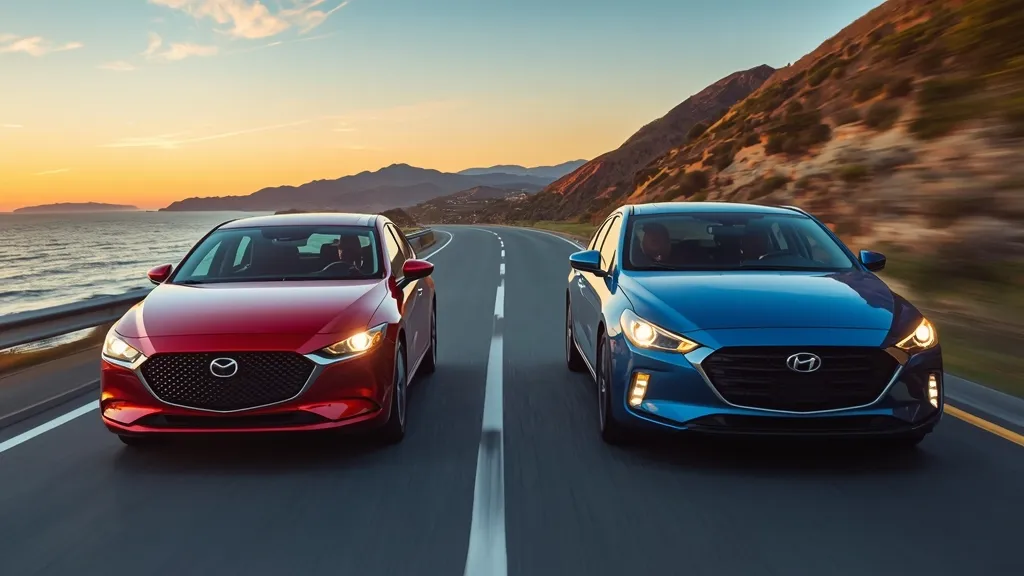
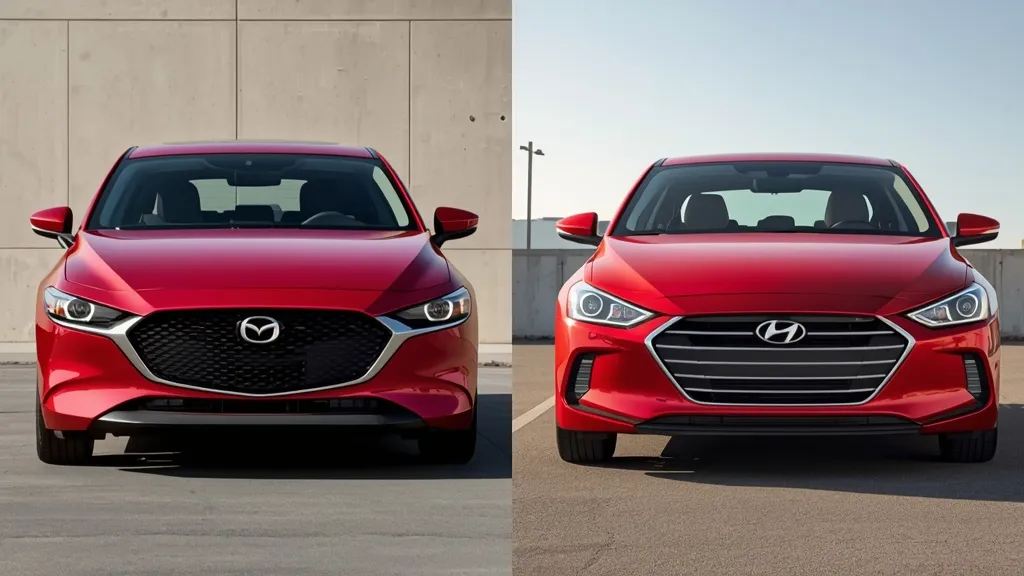
The Mazda 3 is a masterclass in “less is more.” Mazda uses a design language called “Kodo,” or “Soul of Motion.” If you look at the side of a Mazda 3, you won’t see sharp creases or aggressive plastic cladding. Instead, the body panels are curved to catch the light in a way that suggests movement even when the car is parked.
When comparing the Mazda 3 hatchback vs Elantra sedan, the Mazda 3 hatchback is particularly polarizing but undeniably unique. Its thick C-pillar and smooth rear end give it a European flair that you usually only find in luxury brands. The sedan version is more traditional but maintains that same sense of fluid elegance.
Hyundai Elantra Bold Parametric Dynamics and Modern Edge
If the Mazda 3 is a charcoal sketch, the Hyundai Elantra is a digital 3D render. Hyundai uses what they call “Parametric Dynamics.” This results in a car covered in sharp angles, triangular shapes, and a “H-Tail” light bar that looks like it belongs in a sci-fi movie. It is aggressive, it is modern, and it is designed to turn heads.
The Elantra doesn’t try to look expensive in a traditional sense; it tries to look futuristic. For the 2024 and 2025 model years, the refreshed front fascia makes it look even wider and lower to the ground. If you want a car that stands out in a parking lot full of grey crossovers, the Elantra is the clear winner here.
Interior Comfort Quality and Practicality
Mazda 3 vs Hyundai Elantra Interior A Tale of Two Philosophies
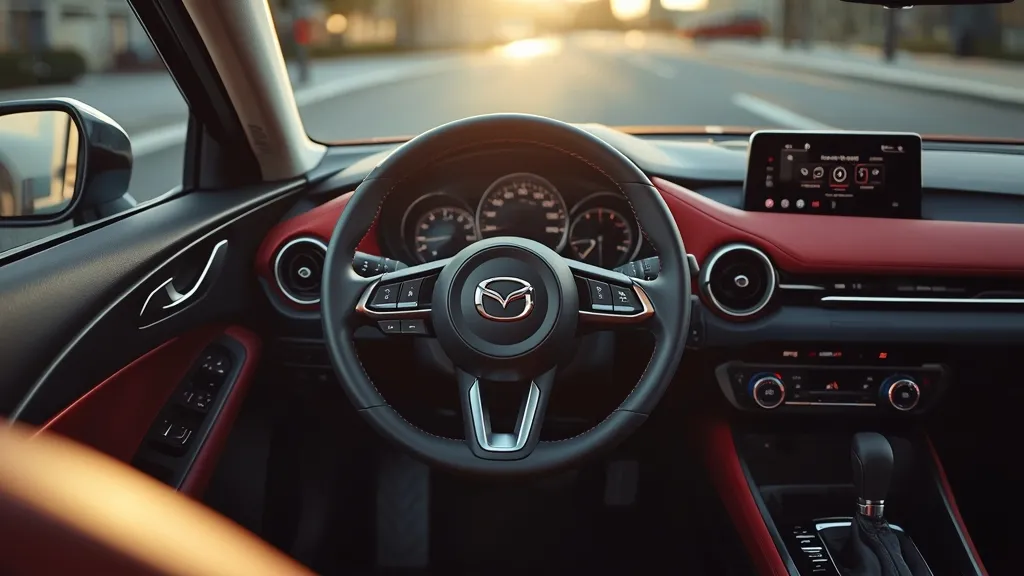
Stepping into the Mazda 3 vs Hyundai Elantra interior is where the differences become most apparent. The Mazda 3 interior is often cited by experts as the benchmark for quality in this price bracket. According to Edmunds (2024), the Mazda 3 cabin uses materials that feel genuinely premium—soft-touch plastics, real leather options, and knurled metal knobs that click with satisfying precision.
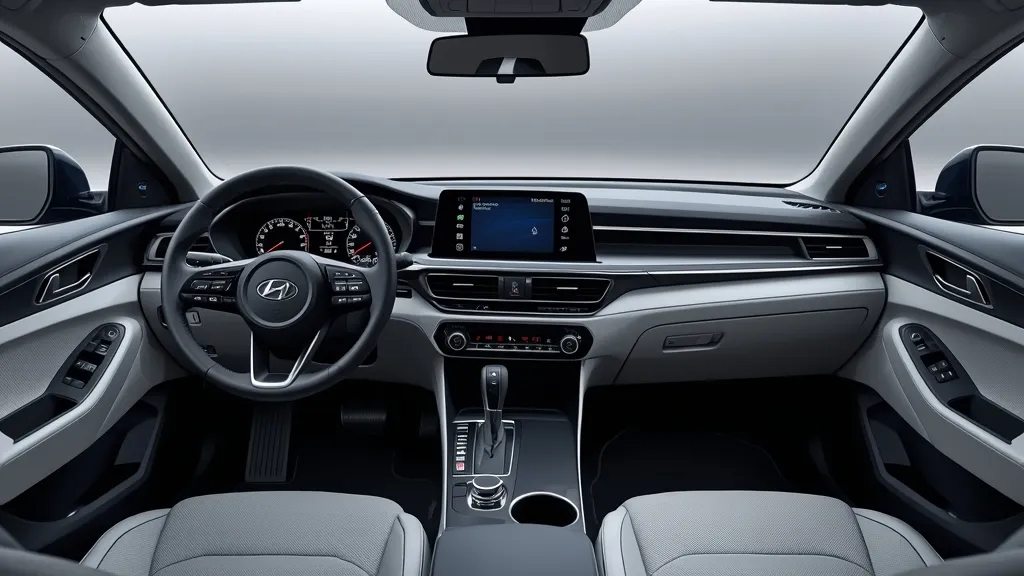
The Elantra, conversely, focuses on the “cockpit” feel. The dashboard wraps around the driver, dominated by dual 10.25-inch screens in higher trims. While there is more hard plastic in the Elantra than in the Mazda, the layout is incredibly functional and visually striking.
Seating Comfort and Passenger Space
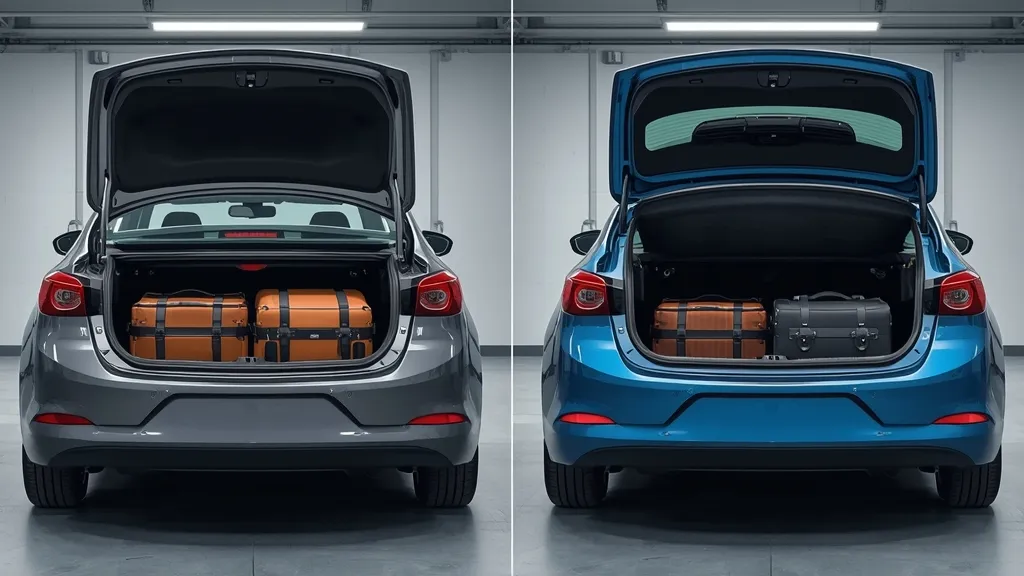
If you frequently carry adult passengers, the Mazda 3 vs Hyundai Elantra comparison takes a sharp turn toward Hyundai. The Elantra offers significantly more rear legroom than the Mazda 3. In the Mazda, the sleek roofline and focus on driver ergonomics mean the back seat can feel a bit cramped, especially in the hatchback.
In terms of cargo space compact cars, the Elantra sedan offers a surprisingly deep trunk. However, if you opt for the Mazda 3 hatchback, you get the vertical versatility that only a hatch can provide, making it easier to haul bulky items like small furniture or camping gear.
Performance and Driving Dynamics
Mazda 3 vs Elantra Driving Dynamics The Road Feel
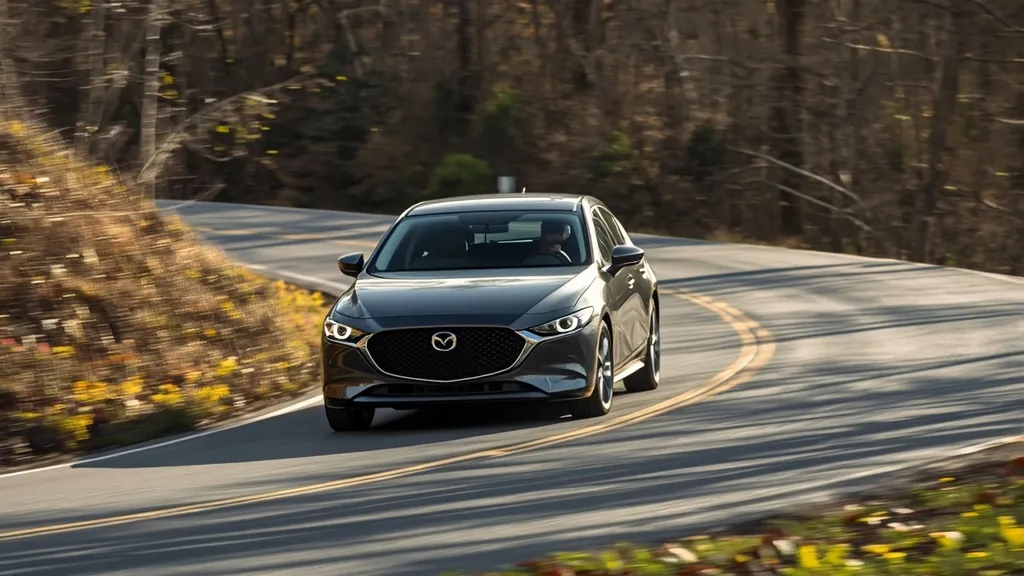
This is where the Mazda 3 usually takes the crown. Mazda engineers obsess over the “feeling” of driving. The steering is weighted perfectly, and the car transitions through corners with a grace that is rare in the compact car segment. Even with a torsion-beam rear suspension (which some enthusiasts complained about), the Mazda 3 handles beautifully.
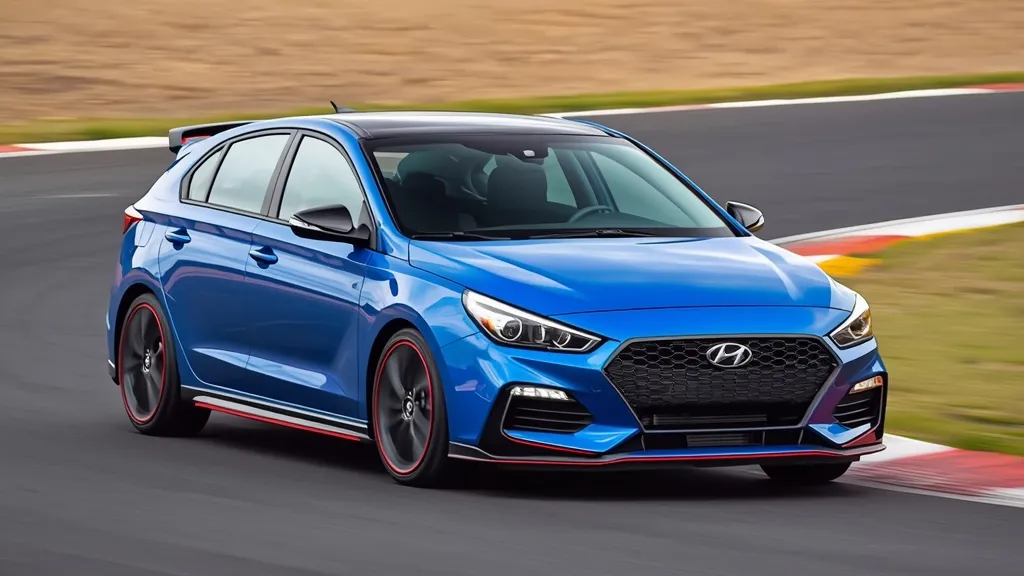
The Elantra is no slouch, but it is tuned more for comfort and ease of use. The steering is light, making it great for city driving and parking. However, if you are an enthusiast, you have to look at the Elantra N. The Elantra N is a track-ready beast that would leave a standard Mazda 3 in the dust. But for the average commuter, the Mazda 3 provides a more “connected” and sophisticated daily driving experience.
Engine Options Mazda Elantra Power and Choice
When looking at Engine options Mazda Elantra, you see two different paths to power.
- Mazda 3: Offers a base 2.5-liter four-cylinder and a potent 2.5-liter Turbo. The Turbo model delivers up to 250 horsepower and 320 lb-ft of torque, which is massive for this class.
- Hyundai Elantra: Offers a standard 2.0-liter engine for efficiency, a 1.6-liter Turbo in the N-Line, a full-blown 2.0-liter Turbo in the N, and a highly efficient Hybrid powertrain.
If you want raw, refined power, the Mazda 3 Turbo is incredible. If you want a specific tool for a specific job—like the fuel efficiency compact cars need for long commutes—the Elantra Hybrid is a standout performer, achieving over 50 MPG in many conditions FuelEconomy.gov, 2024.
Technology and Infotainment
Infotainment System Comparison User Experience
The infotainment system comparison between these two is a classic debate of “Touchscreen vs. Dial.”
- Mazda: Uses a non-touchscreen display controlled by a rotary dial on the center console. Mazda argues this is safer because you don’t have to lean forward and look away from the road to poke at a screen. It takes a week to get used to, but many owners grow to love its tactile nature.
- Hyundai: Offers a massive, beautiful touchscreen. It is intuitive, fast, and looks like a modern smartphone. If you love tech and want your car to feel like a gadget, Hyundai wins hands down.
Driver Assistance Features
Both cars are loaded with driver assistance features. Mazda i-Activsense and Hyundai SmartSense both offer:
- Adaptive Cruise Control
- Lane Keeping Assist
- Automatic Emergency Braking
However, Hyundai Highway Driving Assist (HDA) is often rated as one of the best semi-autonomous systems in a non-luxury car, offering smoother steering inputs and better lane centering than Mazda system.
Safety Features and Ratings
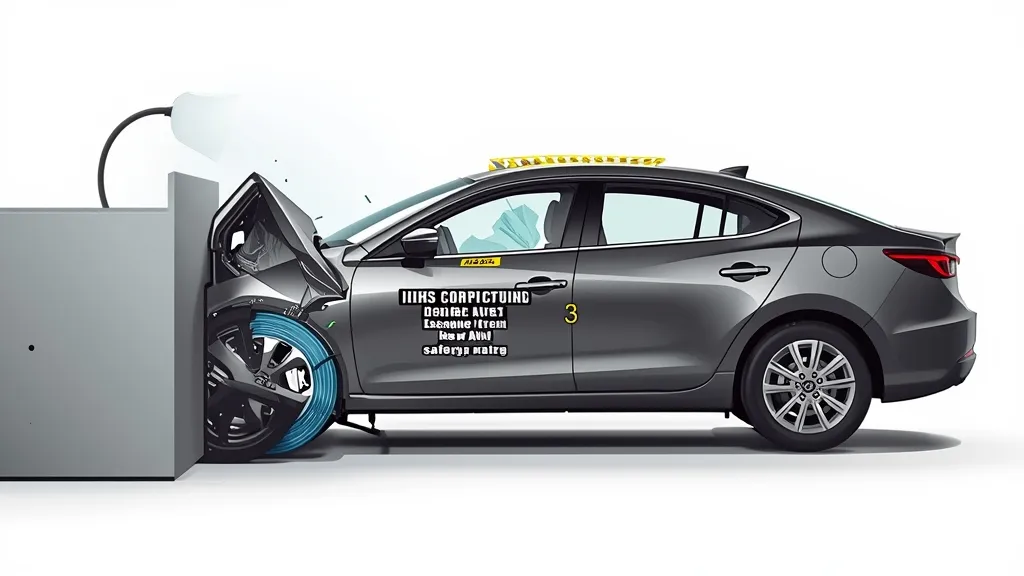
When it comes to safety ratings compact sedans, both manufacturers have a lot to be proud of. The Mazda 3 vs Hyundai Elantra consistently earn high marks from the Insurance Institute for Highway Safety (IIHS).
According to the IIHS (2024), the Mazda 3 has frequently secured the “Top Safety Pick+” designation. Mazda builds their cars with a heavy focus on structural integrity. Hyundai is not far behind, often earning “Top Safety Pick” honors. Both cars come standard with a suite of airbags and advanced crumple zones, making them some of the safest vehicles for small families.
Ownership Experience Reliability and Warranty
Mazda 3 vs Elantra Reliability Long-Term Durability
The Mazda 3 vs Elantra reliability score is a close race. Mazda has consistently ranked near the top of Consumer Reports’ reliability surveys in recent years, often outperforming even Lexus and Toyota. Their use of traditional 6-speed automatic transmissions (rather than CVTs) is praised for both longevity and driving feel.
Hyundai has also improved significantly. While they had some engine issues in the mid-2010s, the current generation of Smartstream engines appears to be robust. However, the real “ace in the hole” for Hyundai is the warranty coverage Hyundai Mazda.
Warranty Coverage Hyundai Mazda
- Hyundai: Offers a 5-year/60,000-mile limited warranty and a legendary 10-year/100,000-mile powertrain warranty.
- Mazda: Offers a standard 3-year/36,000-mile limited warranty and a 5-year/60,000-mile powertrain warranty.
If you plan on keeping your car for a decade, the Hyundai warranty provides a level of financial peace of mind that Mazda simply doesn’t match.
Case Study 1: The Urban Professional (Sarah)
Sarah is a 29-year-old graphic designer living in Chicago. She values aesthetics and wants a car that feels “grown-up” for client meetings but is small enough to parallel park. After testing the Mazda 3 vs Hyundai Elantra, she chose the Mazda 3 Hatchback in Soul Red Crystal.
For Sarah, the Mazda 3 vs Hyundai Elantra interior was the deciding factor. She felt the Mazda minimalist cabin helped her decompress after a long day of work. She didn’t mind the smaller back seat because she rarely has passengers, and the Mazda 3 vs Elantra driving dynamics made her weekend trips to Michigan much more enjoyable.
Case Study 2: The Practical Commuter (Mike)
Mike is a 35-year-old accountant with a 45-minute commute and two young kids. He needed something reliable, fuel-efficient, and spacious enough for car seats. He looked at the best compact sedan for value 2024 and landed on the Hyundai Elantra Hybrid.
The cargo space compact cars offer was important, but the rear legroom was the clincher. Mike found that his kids’ rear-facing car seats fit much better in the Elantra than in the Mazda. Plus, the fuel efficiency compact cars like the Elantra Hybrid provide saved him nearly $100 a month in gas compared to his old SUV.
Resale Value Comparison
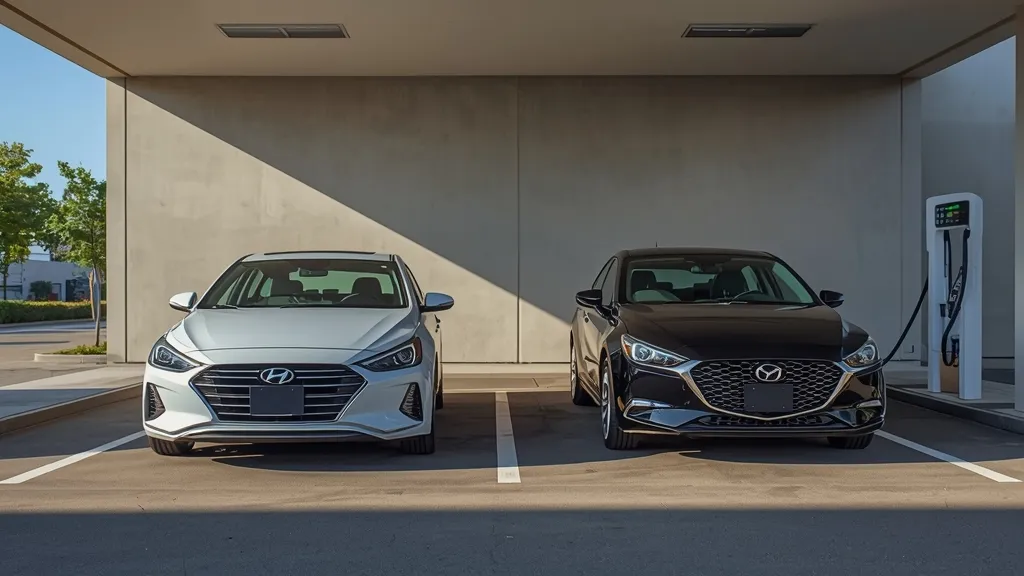
In the resale value comparison, Mazda typically holds its value slightly better than Hyundai. This is partly due to Mazda’s “premium” brand perception and lower fleet sales (rental cars). However, because the Elantra is so popular and has such a long warranty, it remains a very liquid asset on the used car market. According to Kelley Blue Book, both cars perform well above the industry average for depreciation in the compact segment.
The Value Equation: Premium Feel vs Value
At the end of the day, the Mazda 3 vs Hyundai Elantra debate comes down to what you value most.
- Choose the Mazda 3 if: You want a car that feels like a luxury vehicle. You value steering feel, interior materials, and timeless design. You don’t mind a tighter back seat and prefer a traditional automatic transmission.
- Choose the Hyundai Elantra if: You want the most tech for your dollar. You need a spacious back seat for family duties. You want the security of a 10-year warranty and the option for a high-MPG hybrid.
Future Developments for 2025 and Beyond
As we look toward 2025, the Mazda 3 vs Hyundai Elantra rivalry will likely move toward further electrification. We expect Mazda to eventually introduce a full hybrid or plug-in hybrid version of the 3 to compete with the Elantra successful hybrid model. Hyundai, meanwhile, is expected to continue refining its software-defined vehicle (SDV) capabilities, bringing even more smartphone-like features to the Elantra dashboard.
Conclusion
The battle of the Mazda 3 vs Hyundai Elantra is a win-win for consumers. The compact car segment has never been more diverse or high-quality. Whether you are drawn to the Mazda 3 vs Elantra driving dynamics or the incredible warranty coverage Hyundai Mazda provides, both cars offer a level of sophistication that was unthinkable in a “small car” just a decade ago.
If you want a soulful, premium experience that makes every drive feel special, go with the Mazda 3. If you want a bold, tech-heavy, and practical value-king that protects your wallet for the long haul, the Hyundai Elantra is your best bet. The best compact sedan for value 2024 is truly in the eye of the beholder—or rather, the hands of the driver.
Mazda 3 vs Hyundai Elantra FAQs
Question: Which compact car offers better fuel efficiency: the Mazda 3 or Hyundai Elantra?
Answer: The Hyundai Elantra generally offers superior fuel efficiency compact cars need, especially its Hybrid model, which can achieve over 50 MPG. While the Mazda 3 is efficient, the Elantra Hybrid typically provides significantly better mileage for daily commutes.
Question: Is the Mazda 3 or Hyundai Elantra more reliable?
Answer: Both vehicles have good reliability. Mazda 3 often ranks highly in independent studies for long-term dependability. However, the Hyundai Elantra offers an industry-leading 10-year/100,000-mile powertrain warranty, providing exceptional peace of mind for Mazda 3 vs Elantra reliability.
Question: What are the main differences in driving dynamics between the Mazda 3 and Hyundai Elantra?
Answer: The Mazda 3 vs Elantra driving dynamics differ significantly. The Mazda 3 prioritizes a refined, driver-focused experience with precise steering and a premium ride. The Elantra offers a comfortable, easy-to-drive feel, with the Elantra N variant providing thrilling, track-ready performance.
Question: Which car has a more premium interior: the Mazda 3 or Hyundai Elantra?
Answer: The Mazda 3 vs Hyundai Elantra interior comparison leans towards the Mazda 3 for a premium feel. Mazda uses higher-quality materials, has a minimalist design, and offers superior fit and finish, creating an upscale cabin experience that often punches above its weight.
Author Bio:
James “Auto” Sullivan is a veteran automotive journalist with over 15 years of experience testing everything from budget hatchbacks to Italian supercars. Holding a degree in Mechanical Engineering, James focuses on the intersection of vehicle dynamics and consumer value. He has been a contributor to several major automotive publications and prides himself on providing unbiased, data-driven advice to car buyers.
Disclaimer:
This article is for informational purposes only. While every effort has been made to ensure the accuracy of the information provided, including pricing, specs, and safety ratings, automotive models can vary by region and trim level. Always check with your local dealer for the most current information and conduct your own test drive before making a purchase. Reliability and resale values are based on historical data and projections, which are subject to change.
You can refer to more:
- Mazda Official Website : For official specifications, current features, and up-to-date pricing information directly from the manufacturer for the Mazda 3.
- Hyundai Official Website : For official specifications, current features, and up-to-date pricing information directly from the manufacturer for the Hyundai Elantra.
- Consumer Reports Car Reliability Ratings : Provides independent, data-driven reliability scores, owner satisfaction data, and expert reviews for both the Mazda 3 vs Hyundai Elantra, aiding in Mazda 3 vs Elantra reliability comparisons.
- IIHS Vehicle Safety Ratings : Offers detailed crash test results, headlight ratings, and evaluations of active safety features for compact sedans, crucial for understanding safety ratings compact sedans.