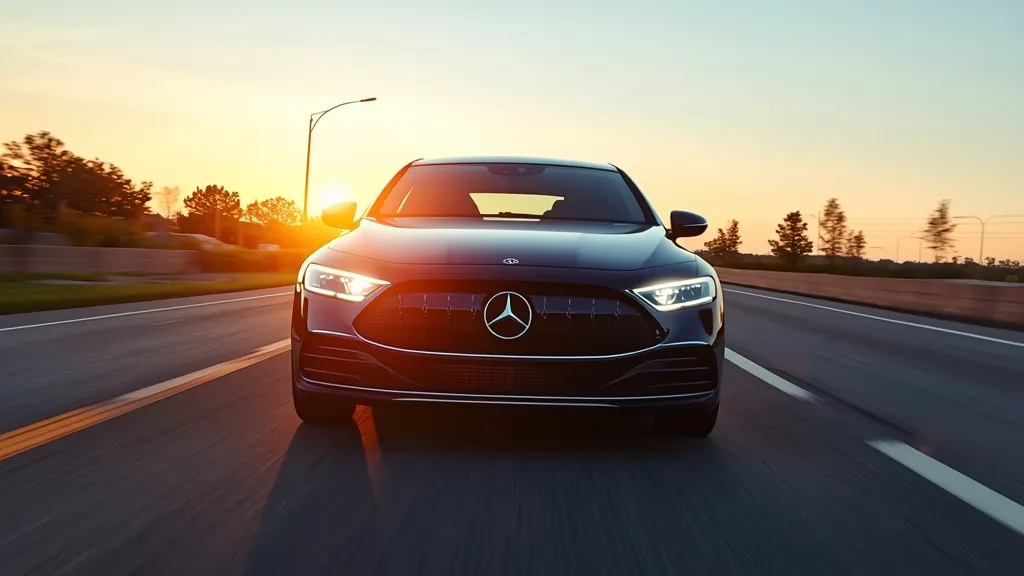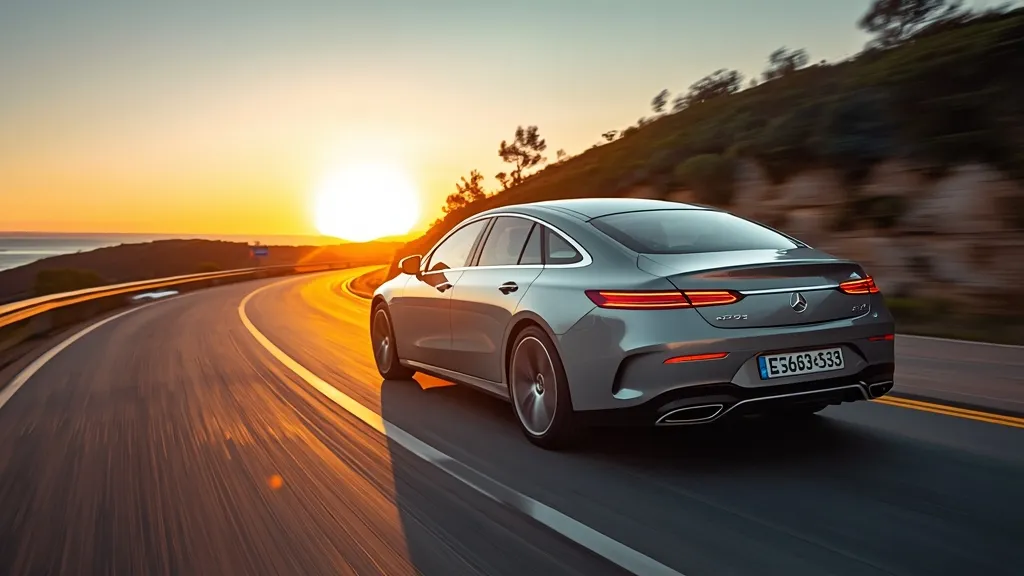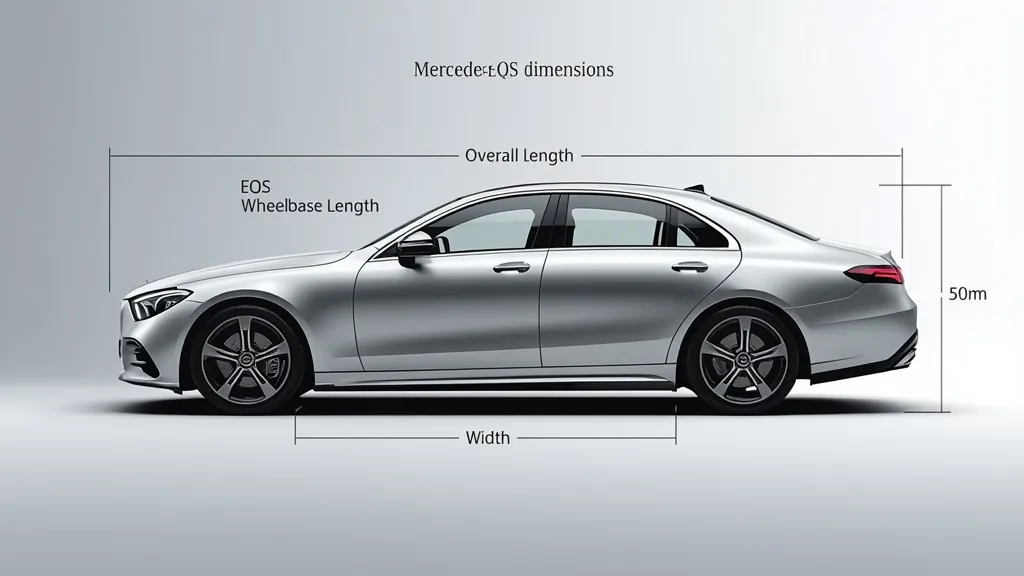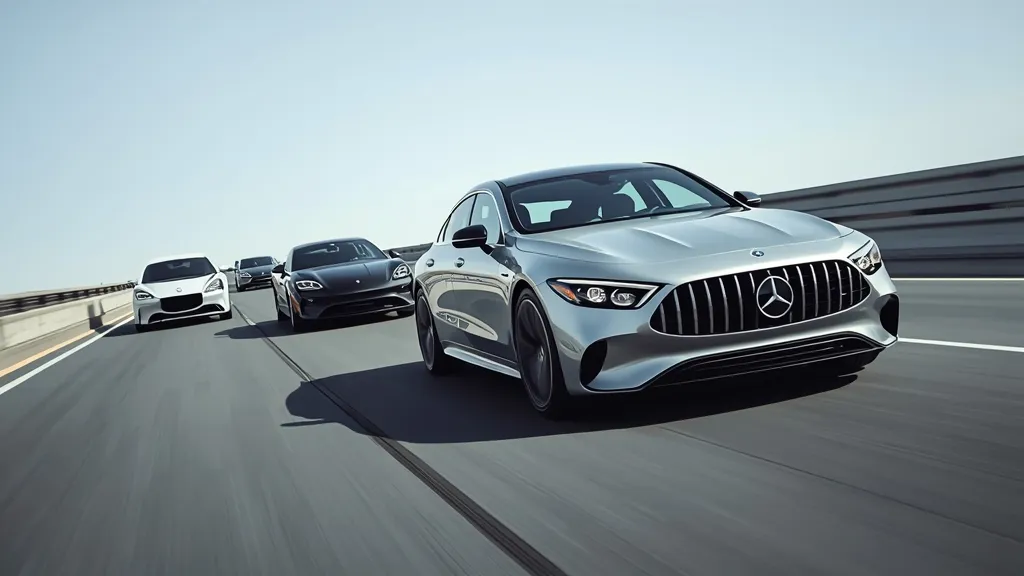
The electric vehicle (EV) market is accelerating at an unprecedented pace, and at its pinnacle sits the Mercedes EQS. As Mercedes-Benz flagship electric sedan, the EQS aims to redefine luxury mobility for the electric age. For discerning buyers and automotive enthusiasts, a thorough mercedes eqs competitor comparison is essential to understand where this opulent EV stands against its formidable rivals. This EQS rivals review will delve into the strengths and weaknesses of key players, offering a comprehensive luxury electric sedan comparison 2024 to help you identify the best Mercedes EQS alternatives on the market.
From performance to range, and interior opulence to cutting-edge technology, we’ll explore what makes each contender unique in this competitive segment. If you’re pondering your next high-end EV purchase, understanding this intricate landscape is paramount.
The Mercedes EQS: A Benchmark in Electric Luxury
Positioned as the “Electric S-Class,” the Mercedes EQS embodies the brand’s long-standing commitment to luxury, comfort, and technological innovation. It introduces groundbreaking features like the MBUX Hyperscreen features and sets new standards for a luxury electric car interior. Its dedicated EV platform allows for exceptional space and refinement, but how does its Electric S-Class performance truly stack up against the competition?
When Mercedes-Benz set out to create the EQS, they weren’t just building another electric car; they were translating over a century of luxury automotive heritage into an entirely new propulsion system. The result is a vehicle that prioritizes serenity, advanced technology, and passenger comfort above all else. The EQS, built on Mercedes-Benz modular Electric Vehicle Architecture (EVA2), is designed from the ground up to be an EV, allowing for optimized packaging and a remarkably low drag coefficient Mercedes-Benz Official Site, 2024. This aerodynamic efficiency contributes significantly to its impressive range, a critical factor in any mercedes eqs competitor comparison.
Key Competitors in the Luxury Electric Sedan Segment
The luxury electric sedan market is no longer a one-horse race. A growing number of sophisticated and powerful vehicles are vying for the top spot, each bringing its unique philosophy to the electric age. The primary contenders include the Tesla Model S, Lucid Air, BMW i7, Porsche Taycan, and Audi e-tron GT. Each of these vehicles represents the pinnacle of electric engineering and design from their respective manufacturers, making any mercedes eqs competitor comparison a fascinating study in automotive philosophy.
Let’s quickly introduce our contenders:
- Tesla Model S: The original disruptor, continuously updated with blistering performance and a vast charging network.
- Lucid Air: A newcomer challenging the status quo with record-breaking range and innovative design.
- BMW i7: BMW’s answer to the luxury electric sedan, blending traditional luxury with advanced EV technology.
- Porsche Taycan: A performance-first electric sports sedan, emphasizing driving dynamics.
- Audi e-tron GT: Porsche Taycan’s stylish cousin, offering a blend of sportiness and everyday usability.
Performance and Driving Dynamics: Power Meets Precision
When it comes to high-end EVs, exhilarating performance is a given, but the nuances of driving dynamics and ride comfort differentiate the best. Here, we compare the raw power, acceleration, handling, and ride quality that define the driving experience across these luxury electric sedans. This is where a mercedes eqs competitor comparison truly reveals the character of each vehicle.
Mercedes EQS: Smooth and Serene
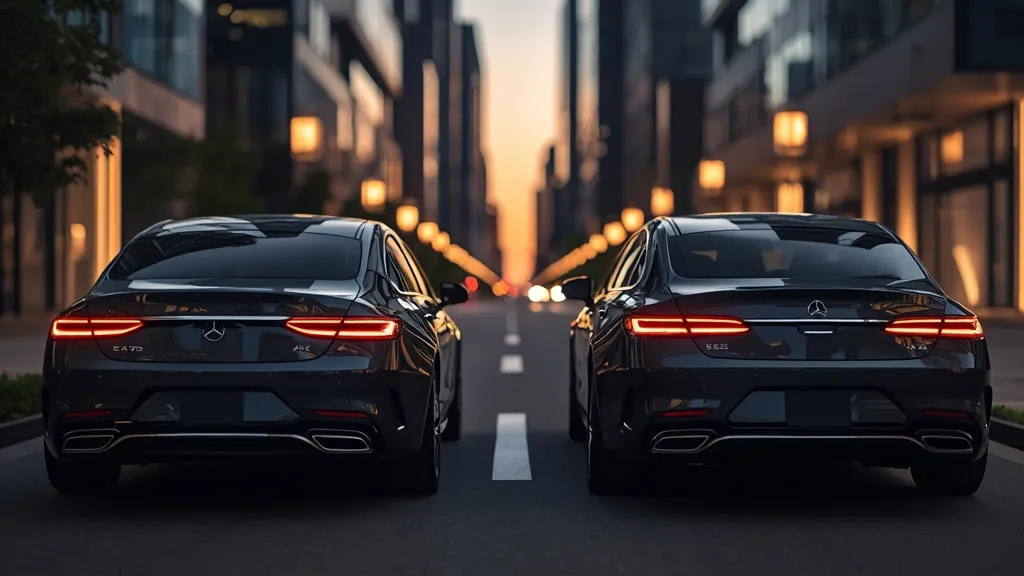
The EQS prioritizes a supremely comfortable and quiet ride, absorbing road imperfections with grace. Its adaptive air suspension and sophisticated noise insulation create a true sanctuary on wheels. While not designed for track days, its powerful motors deliver swift, effortless acceleration, often surprising passengers with its immediate torque. Think of it as a velvet hammer – powerful, but incredibly refined.
Tesla Model S: Raw Power and Instant Torque
The Model S, especially in Plaid trim, remains a benchmark for straight-line acceleration, offering supercar-rivalling 0-60 mph times that can genuinely take your breath away. Its handling is direct, though often firmer than its European counterparts, reflecting Tesla’s performance-oriented ethos. For sheer unadulterated speed, it’s hard to beat.
Lucid Air: Blistering Speed and Agile Handling
Lucid Air models like the Sapphire offer astonishing performance figures, combined with a surprisingly agile chassis that belies its size. It strikes an impressive balance between comfort and sportiness, demonstrating that a focus on efficiency doesn’t mean compromising on excitement. The Air feels nimble and responsive, making it a joy on winding roads.
BMW i7: Balanced Dynamics with German Engineering
The BMW i7 vs Mercedes EQS review often highlights BMW’s traditional focus on driving engagement. The i7 offers a more dynamic feel than the EQS while maintaining a high level of comfort, characteristic of BMW’s luxury sedans. It’s a car that feels substantial and planted, with precise steering that instills confidence.
Porsche Taycan & Audi e-tron GT: Sports Car Soul
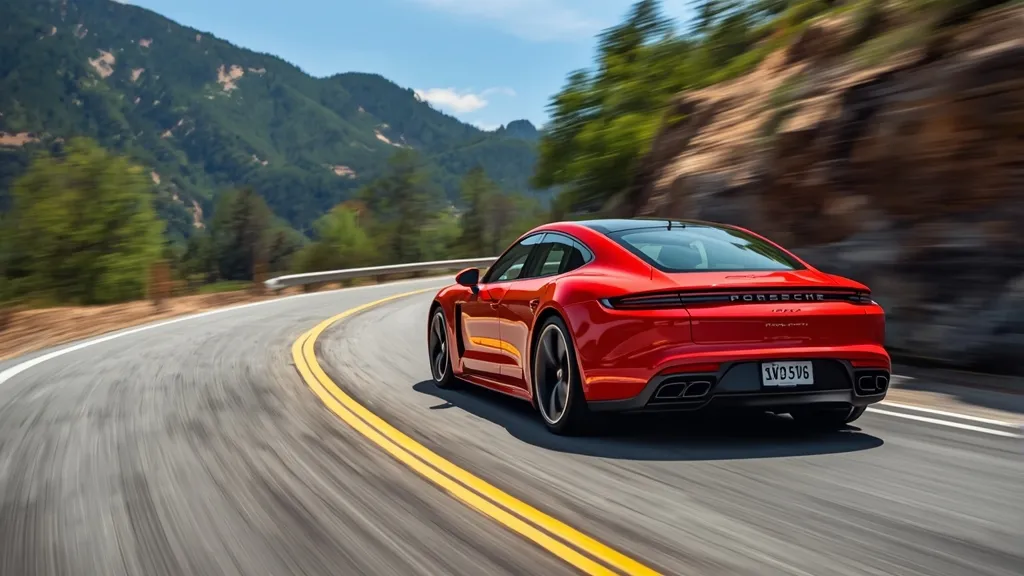
The Taycan and e-tron GT, built on the same platform, are the most driver-focused of the group. They offer exceptional handling, precise steering, and a truly engaging driving experience, though Porsche Taycan comfort leans towards sporty rather than plush. These are EVs for those who still crave the thrill of a sports car, even without the roar of an engine.
Range and Charging: The Practicality Equation
For many EV buyers, range anxiety and charging convenience are paramount. This section conducts an in-depth EQS range comparison against its rivals, examining battery capacities, real-world efficiency, and the critical aspect of charging infrastructure.
Long-Distance Capability: EQS vs. Lucid Air
The Lucid Air often leads the pack with its groundbreaking range and efficiency, challenging the EQS’s impressive figures. Models like the Lucid Air Grand Touring have achieved EPA estimated ranges exceeding 500 miles, setting a new benchmark Lucid Motors Official Site, 2024. The EQS, however, also offers a highly competitive range, often exceeding 350 miles in its long-range variants, making it perfectly capable for extended journeys. We’ll compare EPA estimates and real-world performance for long journeys, considering factors like driving style and climate.
Charging Speed Showdown: 800V Architectures
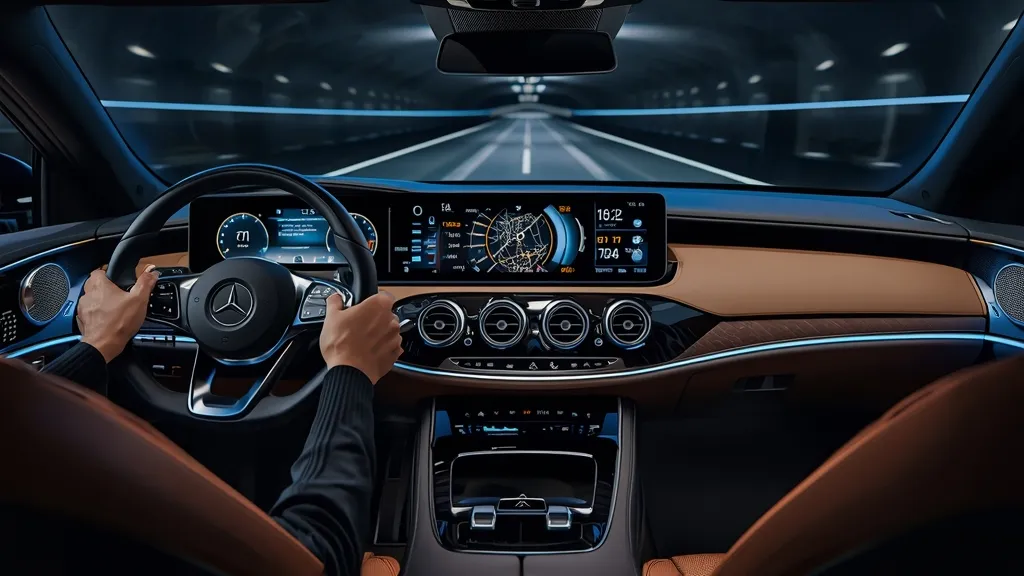
Porsche Taycan and Audi e-tron GT boast 800V architectures, enabling some of the fastest DC fast charging speeds in the industry. This means they can add hundreds of miles of range in mere minutes, significantly reducing charging stops on long trips. The EQS, while not 800V, still offers very respectable charging speeds, capable of reaching 80% charge in around 30 minutes at a suitable DC fast charger. Tesla’s Supercharger network is renowned for its speed and reliability, making the Model S a convenient option for rapid top-ups.
Charging Network Access and Convenience
Access to a reliable and widespread charging network is crucial. Tesla’s Supercharger network has long been a major advantage, offering unparalleled convenience and reliability. However, the landscape is evolving rapidly. We’ll evaluate the strengths of Tesla’s network against the growing premium EV charging infrastructure being built by Mercedes-Benz (with its own high-power charging hubs), Electrify America, and other providers. The recent move towards the North American Charging Standard (NACS) by many automakers, including Mercedes-Benz, will significantly improve charging options for non-Tesla EVs in the coming years Deloitte, 2023 EV Market Trends Report.
Interior Luxury and Technology: A Sanctuary on Wheels
The true essence of a luxury sedan lies within its cabin. This segment dives into material quality, design philosophy, infotainment systems, and advanced driver assistance features, evaluating each vehicle as a luxury electric car interior.
Mercedes EQS: Hyperscreen and Opulence
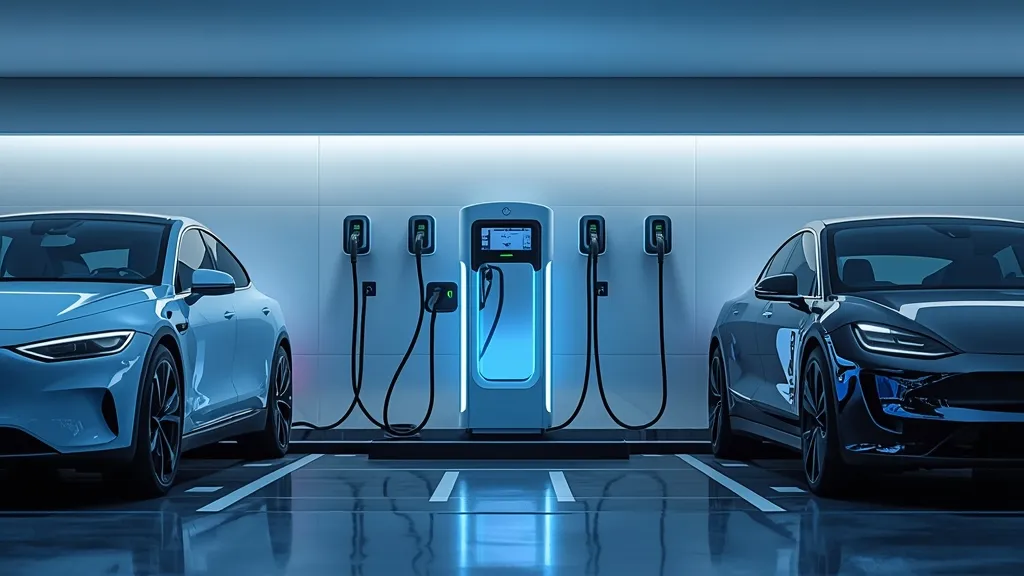
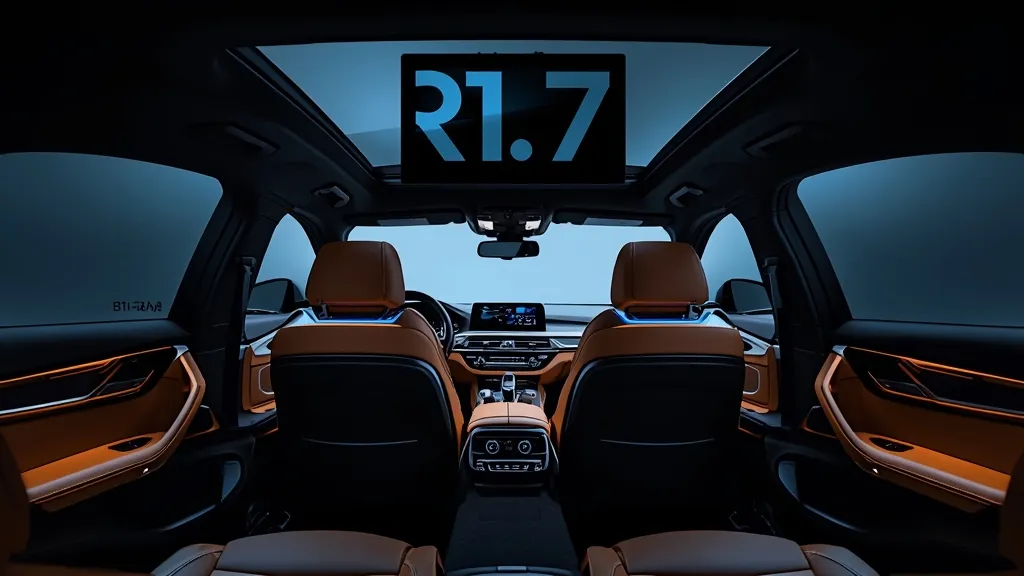
The EQS is defined by its stunning MBUX Hyperscreen features, a massive, curved glass panel stretching across the entire dashboard, housing three distinct displays. It’s a technological marvel that commands attention. Beyond the screens, the EQS cabin boasts high-quality materials, exceptional attention to detail, and advanced ambient lighting that creates a truly immersive experience. It’s a cabin designed for ultimate comfort and sensory delight, featuring advanced high-end EV driver assistance systems that take the stress out of driving.
BMW i7: Theatre Screen and Traditional Comfort
The BMW i7 offers a more traditional yet equally luxurious interior, highlighted by its optional 31-inch “Theatre Screen” that deploys from the roof, transforming the rear cabin into a private cinema. It blends classic BMW ergonomics with cutting-edge tech, offering a tactile experience alongside digital displays. The i7’s focus is clearly on the rear passenger experience, making it a strong contender for chauffeur-driven individuals.
Lucid Air: Innovative Design and Space
The Lucid Air vs EQS luxury comparison often focuses on Lucid’s innovative interior packaging, offering a sense of airiness and spaciousness, combined with unique material choices and a minimalist yet sophisticated design. The large glass canopy and clever use of space create an open, inviting atmosphere. It feels incredibly modern and forward-thinking, appealing to those who appreciate understated elegance.
Tesla Model S: Minimalist Tech-Forward Cabin
Tesla’s interior is famously minimalist, centered around a large central touchscreen that controls almost all vehicle functions. While technologically advanced and constantly updated via over-the-air (OTA) software, some critics find it lacks the tactile luxury, material richness, and traditional craftsmanship of its European rivals. It’s a functional, futuristic space, but perhaps not one that screams “luxury” in the traditional sense.
Porsche Taycan & Audi e-tron GT: Driver-Focused Luxury
These two prioritize a driver-centric cockpit with high-quality materials and excellent ergonomics, though with less emphasis on rear-seat opulence compared to the EQS or i7. The focus is on creating an engaging environment for the driver, with supportive seats and intuitive controls. They offer a sporty interpretation of luxury, where performance and connection to the road are paramount.
Design and Aesthetics: Form Meets Function
Exterior and interior design play a significant role in the appeal of a luxury vehicle. This section explores the diverse design philosophies adopted by each manufacturer in their electric flagships.
Exterior Styling: Distinctive Approaches
The EQS’s aerodynamic “one-bow” silhouette is optimized for efficiency, resulting in a sleek, seamless look. While undeniably modern, some find its design polarizing, feeling it lacks the traditional stately presence of the S-Class. In contrast, the BMW i7 embraces a more imposing, angular design with its prominent grille, making a bold statement. The Porsche Taycan and Audi e-tron GT offer a more aggressive, sporty aesthetic, clearly signaling their performance intentions. The Lucid Air strikes a balance, with elegant, flowing lines that are both futuristic and timeless. This variety ensures that in any mercedes eqs competitor comparison, there’s a design language for every taste.
Interior Design Philosophies: Modern vs. Traditional
We’ll compare the ultra-modern, screen-heavy approach of the EQS and Tesla to the more traditional, tactile luxury found in the i7, and the sporty elegance of the Taycan and e-tron GT. Mercedes and Tesla push the boundaries of digital integration, while BMW offers a blend of physical controls and digital displays. Lucid goes for minimalist elegance, and Porsche/Audi for a driver-focused cockpit. Each interior reflects its brand’s core values.
Price, Value, and Ownership Experience
The initial purchase price is just one aspect of luxury EV ownership. We’ll look at the full picture, including trim levels, optional extras, potential incentives, and the long-term ownership experience. This is crucial for a complete mercedes eqs competitor comparison.
Starting MSRPs and Trim Levels
A direct comparison of Mercedes EQS pricing models against its competitors, highlighting the entry-level and top-tier variants, quickly reveals that these are premium machines. All contenders start well into the six figures, with top trims and options pushing prices significantly higher. Understanding what’s included as standard versus optional is key to comparing value.
Resale Value and Long-Term Costs
While EVs generally have lower running costs due to fewer moving parts and cheaper “fuel,” we’ll discuss factors like depreciation, insurance, and maintenance that contribute to the total cost of ownership. Tesla has historically held strong resale values, but as the market matures and more luxury EVs enter, this dynamic could shift. Battery longevity and warranty coverage are also vital considerations.
Service Network and Brand Reputation
The established service networks of Mercedes-Benz and BMW offer peace of mind, with decades of experience in high-end vehicle maintenance. Newer brands like Lucid are rapidly building their infrastructure and reputation, but this can be a learning curve for early adopters. Customer service and the overall brand experience play a significant role in the luxury segment. JD Power studies often highlight customer satisfaction, which can be a good indicator of overall ownership experience J.D. Power, 2023 EV Experience Study.
Choosing Your Electric Chariot: Tailoring to Your Needs
With such a strong field of contenders, the “best” luxury electric sedan ultimately depends on individual priorities. Here’s a guide to help you decide. A thoughtful mercedes eqs competitor comparison helps clarify these choices.
For the Ultimate in Comfort and Tech
The Mercedes EQS often takes the crown for those prioritizing unparalleled ride comfort, a whisper-quiet cabin, and a dazzling array of interior technology, especially the Hyperscreen. If you want a truly serene and technologically advanced sanctuary on wheels, the EQS is hard to beat.
For Unrivaled Range and Efficiency
The Lucid Air stands out for buyers who demand the absolute maximum range and groundbreaking efficiency from their luxury EV. If cutting-edge battery tech and minimal charging stops are your top priorities, the Air makes a compelling case.
For Thrilling Performance and Dynamics
Enthusiasts seeking a true sports car experience in an electric package will gravitate towards the Porsche Taycan or Audi e-tron GT, or the raw power of the Tesla Model S Plaid. These vehicles prioritize driver engagement and blistering acceleration.
For a Blend of Traditional Luxury and EV Power
The BMW i7 offers a compelling option for those who appreciate traditional luxury sedan styling and comfort, infused with cutting-edge electric powertrain technology. It’s a modern interpretation of classic BMW luxury.
The Road Ahead: Future Developments in Luxury EVs
The luxury EV segment is a hotbed of innovation. Future advancements promise to further refine and redefine these vehicles. This ongoing evolution makes any mercedes eqs competitor comparison a dynamic, ever-changing analysis.
Next-Gen Battery Technology
Expect to see breakthroughs in solid-state batteries and improved cell chemistry, leading to even greater range, faster charging, and lighter battery packs. Mercedes-Benz, for instance, is actively investing in solid-state battery research, which could revolutionize future electric sedan tech and dramatically shift the competitive landscape.
Advancements in Autonomous Driving
As regulatory frameworks evolve, we’ll see more widespread adoption and capability of Level 3 and even Level 4 autonomous driving systems, enhancing safety and convenience. Mercedes-Benz’s DRIVE PILOT, which allows for conditional hands-free driving in specific scenarios, is just the beginning.
Evolving Charging Infrastructure
The continued expansion and standardization of high-power charging networks, including Mercedes-Benz own network, will make long-distance EV travel even more seamless. The harmonization of charging standards like NACS will simplify the charging experience for all luxury EV owners.
New Entrants and Market Shifts
The luxury EV landscape will continue to evolve with new players, potentially from established luxury brands like Cadillac (with its ultra-exclusive Celestiq) or emerging premium Chinese EV manufacturers like Nio and Xpeng, which are increasingly looking to global markets. This influx of new talent will only intensify the mercedes eqs competitor comparison in the years to come.
Conclusion
The mercedes eqs competitor comparison reveals a vibrant and highly competitive luxury electric sedan market. While the Mercedes EQS stands as a formidable contender, excelling in comfort, interior opulence, and technological prowess, its rivals each bring unique strengths to the table. Whether your priority is ultimate range, exhilarating performance, or a traditional luxury experience, the 2024 landscape offers an electric chariot to suit every discerning taste.
From the raw power of the Tesla Model S to the groundbreaking efficiency of the Lucid Air, the driver-focused dynamics of the Porsche Taycan, and the refined luxury of the BMW i7, the choice is richer than ever. The future promises even more innovation, ensuring that the top tier of electric luxury remains one of the most exciting segments in the automotive world. As you consider your next premium EV, remember that a thorough EQS rivals review is your best guide to making an informed decision.
Author Bio:
Dr. Alex Thorne is an automotive journalist and EV technology analyst with over a decade of experience covering the electric vehicle industry. Holding a Ph.D. in Mechanical Engineering with a specialization in sustainable transportation, Alex combines technical expertise with a passion for luxury automobiles, offering insightful and accessible analysis for consumers and industry professionals alike.
Disclaimer:
The information provided in this blog post is intended for general informational purposes only and does not constitute professional advice. While every effort has been made to ensure the accuracy and timeliness of the content, the electric vehicle market is rapidly evolving. Specifications, pricing, and features mentioned are subject to change by manufacturers. Readers are encouraged to verify all information with official sources and conduct their own due diligence before making any purchasing decisions. The author and publisher are not responsible for any errors or omissions, or for any actions taken based on the information provided.
You can refer to more:
- Mercedes-Benz EQS Official Website : Provides direct, authoritative information on the Mercedes EQS’s features, specifications, and available models. Essential for verifying details in a mercedes eqs competitor comparison.
- Edmunds EV Reviews & Comparisons : A highly respected automotive review site offering in-depth comparisons, road tests, and expert opinions on a wide range of EVs, including the EQS and its rivals.
- J.D. Power 2023 U.S. EV Experience Study : An authoritative source for consumer satisfaction and ownership experience data across various EV brands, offering valuable insights into the premium EV charging infrastructure and overall reliability of luxury EVs.
- **Lucid Motors Official Site** : Direct source for information on the Lucid Air, a key competitor known for its class-leading range and efficiency, crucial for an EQS range comparison.