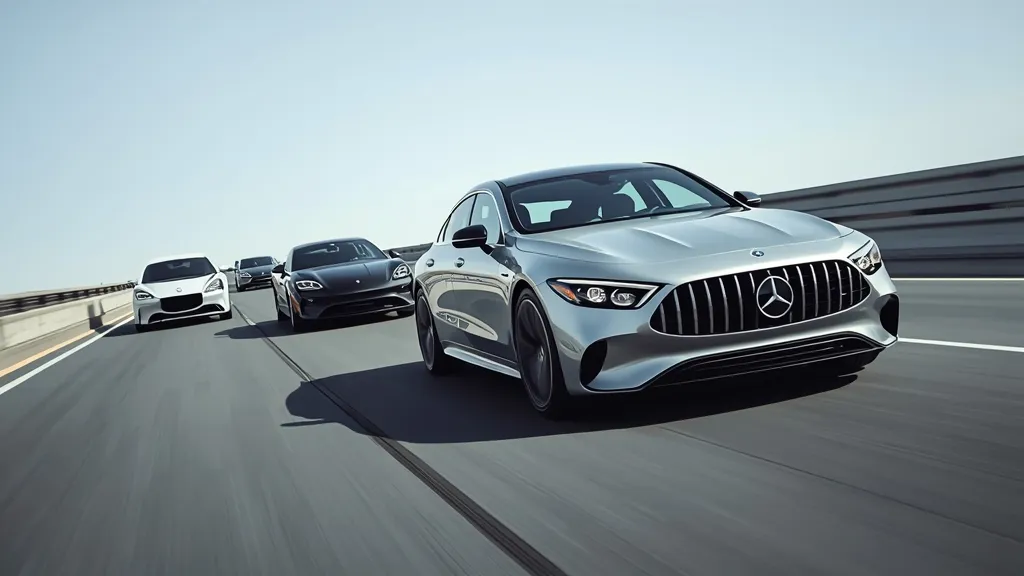
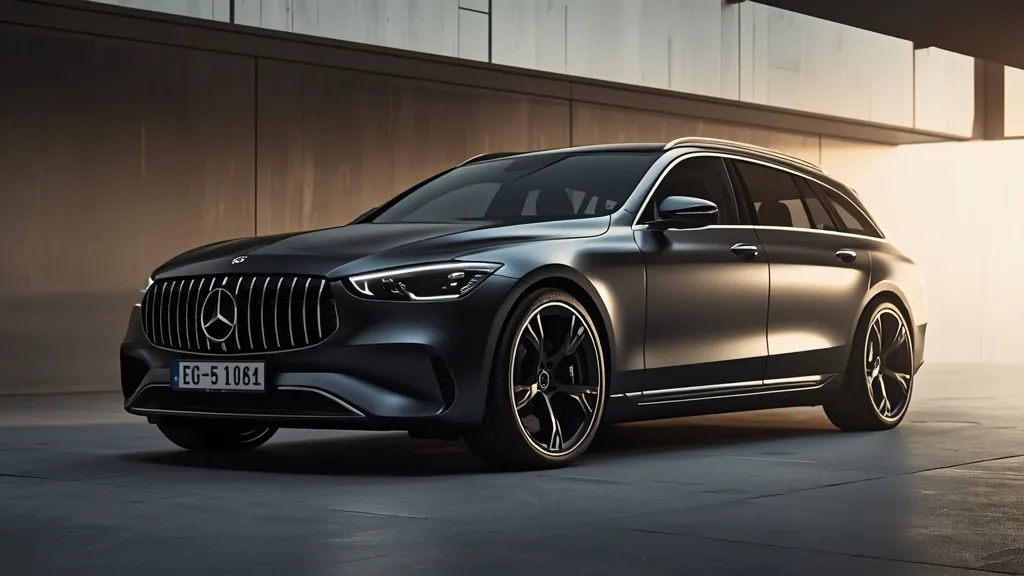
Hey there, fellow car enthusiasts and luxury seekers! Have you ever looked at a car and just known it was pushing boundaries, redefining what’s possible? That’s exactly the feeling you get when you encounter the mercedes eqs exterior. It’s not just another pretty face; it’s a profound statement from Mercedes-Benz, signaling a bold departure from traditional internal combustion engine (ICE) aesthetics towards a future defined by electric propulsion. This flagship electric sedan showcases a revolutionary EQS design language that prioritizes aerodynamic efficiency, digital integration, and a sleek, futuristic aesthetic.
As Mercedes-Benz leading Mercedes electric sedan design, its exterior is not merely a styling exercise but a functional masterpiece, meticulously crafted to optimize range and refinement. In this comprehensive review, we will delve into every curve and contour, examining the Mercedes EQS styling review from its innovative front fascia to its elegant rear, understanding the design philosophy that shapes this groundbreaking vehicle and how its EQS aerodynamic efficiency sets new industry benchmarks. Ready to explore the future of luxury mobility? Let’s dive in!
Understanding the EQS Exterior: A New Era of Design
When you first see the EQS, you might notice something… different. It doesn’t quite look like any Mercedes you’ve seen before, does it? That’s by design, and it all starts with a core philosophy.
The “Sensual Purity” Philosophy
Mercedes-Benz overarching design philosophy, affectionately known as “Sensual Purity,” finds its ultimate expression in the EQS. Imagine a sculptor taking a block of clay and smoothing away every unnecessary line, every sharp edge, until only the most elegant, flowing form remains. That’s “Sensual Purity.” This principle emphasizes smooth surfaces, minimal lines, and sculptural forms that convey both elegance and modernity. For the EQS, this translates into an almost liquid-like body, where every element flows seamlessly into the next, reducing visual clutter and enhancing the vehicle inherent grace. It’s a design ethos that seeks to simplify complexity, offering a serene and sophisticated visual experience that truly feels calming, even when standing still.
The Revolutionary “One-Bow” Silhouette
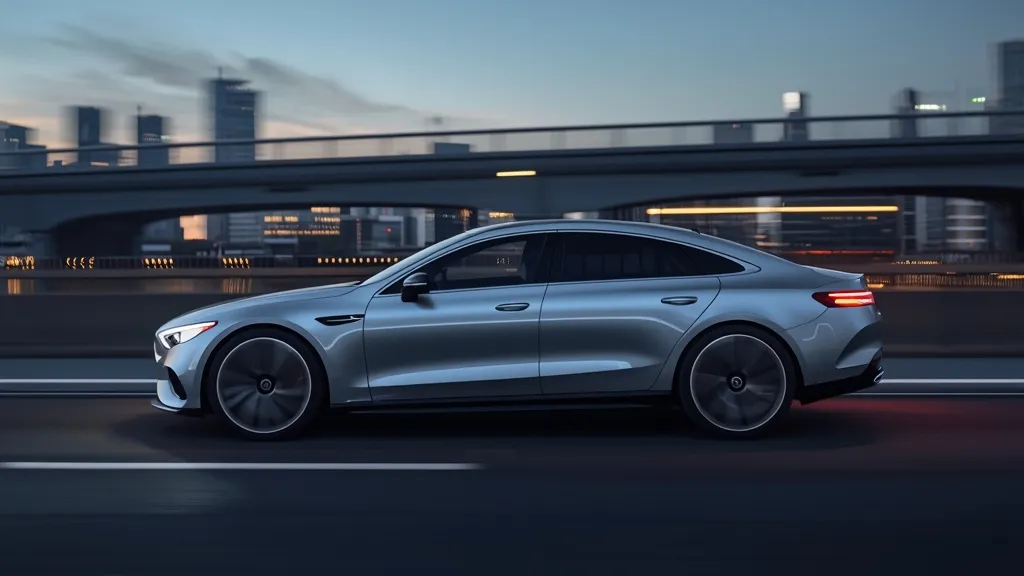
Now, let’s talk about the most striking feature – the “one-bow” design. If you look at the EQS from the side, you’ll see a single, continuous arc that forms the roofline, stretching from the very front of the car to the very rear. It’s like a perfectly drawn archer bow. This seamless, coupe-like silhouette instantly differentiates it from traditional three-box sedans (you know, the ones with a clear engine compartment, cabin, and trunk).
But this isn’t just for show! This singular arc is not just for aesthetics; it plays a crucial role in achieving the car remarkable aerodynamic profile, contributing significantly to its efficiency and range. Think of it as nature’s most efficient shape. This unique proportion also allows for a cab-forward design, meaning the passenger cabin is pushed further towards the front, maximizing interior space – a win-win for both style and comfort!
The Purpose-Driven Aerodynamics
Here’s where the EQS aerodynamic efficiency truly shines and becomes a game-changer. With a drag coefficient (Cd) as low as 0.20 for certain models, the EQS isn’t just good; it’s among the most aerodynamically efficient production cars in the world Mercedes-Benz, 2021. To put that into perspective, that’s better than many sports cars!
This extraordinary feat is achieved through a combination of that sleek “one-bow” shape, clever engineering like flush door handles Mercedes, aerodynamically optimized wheels, and a smooth underbody. This exceptional EQS drag coefficient directly translates into extended driving range – because less air resistance means less energy needed to move forward. It also means reduced energy consumption and a remarkably quiet cabin, even at highway speeds. Have you ever been in a car where wind noise is a constant companion? Not in the EQS! Every curve and surface of the Mercedes EQS exterior is engineered to slice through the air with minimal resistance, making it a true marvel of automotive physics.
Dissecting the EQS Exterior: From Front to Rear
Let’s take a closer look at the details, shall we? From its bold face to its elegant tail, every part of the Mercedes EQS exterior tells a story.
The Distinctive Front Fascia
The face of the EQS is perhaps its most recognizable and forward-thinking element, completely re-imagining the traditional Mercedes grille.
The “Black Panel” Grille: A Digital Face
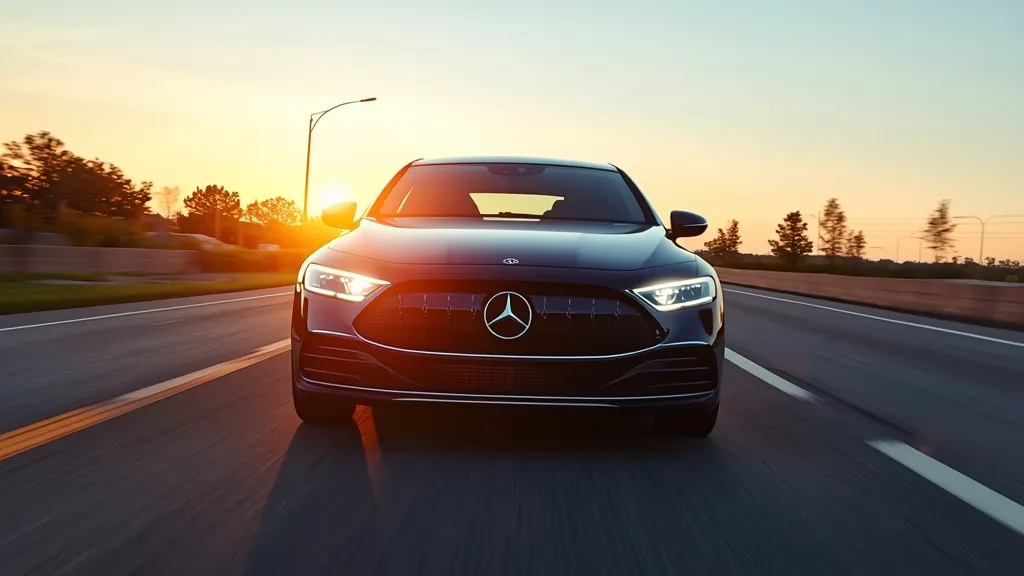
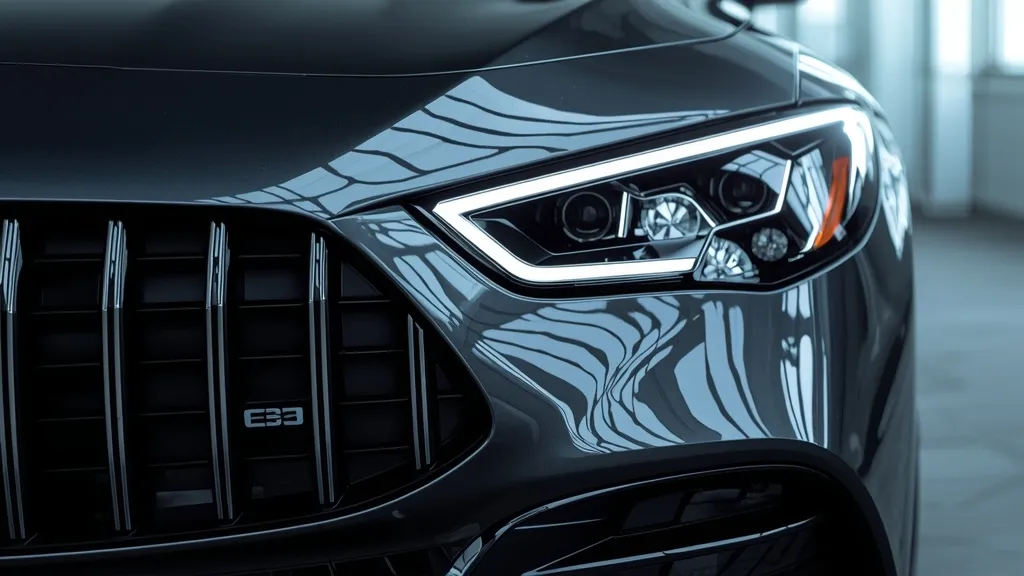
Forget everything you know about traditional radiator grilles. The EQS replaces it with an innovative, high-gloss black panel grille EQS. This isn’t just a blank space; it’s a futuristic canvas, housing an array of sophisticated sensors for the vehicle advanced driver-assistance systems (ADAS). Think of it as the car digital “eyes.” Optionally, it can feature a stunning Mercedes-Benz star pattern, illuminated to create a dramatic visual effect, especially at night. It’s a subtle nod to the brand’s heritage, but with a completely modern twist. This “digital grille” clearly signals the EQS’s electric identity, as there’s no need for an open air intake for an engine – a powerful visual statement that it’s a new kind of Mercedes.
Integrated Headlights and Light Signature
Flanking the black panel are sleek, digital LED headlights that seamlessly blend into the overall design. But here’s the cool part: these headlights are connected by a continuous light strip that spans the width of the front, creating a distinctive and futuristic EQS light signature. This unified lighting element enhances the car width and presence, making it instantly recognizable in any lighting condition, day or night. It’s like a knowing wink from the future.
Bumper Design and Air Intakes
Even the front bumper isn’t just a bumper. It’s sculpted for optimal airflow, featuring subtle, functional air intakes that guide air efficiently around the vehicle. These intakes are designed to reduce turbulence and improve cooling for the electric powertrain components, all while maintaining that smooth, uncluttered aesthetic we talked about earlier. No chunky, aggressive vents here – just elegant efficiency.
The Fluid Side Profile
The side view of the EQS truly embodies the “one-bow” concept, showcasing its uninterrupted flow and innovative features. This is where you really appreciate the seamlessness of the Mercedes electric sedan design.
The Uninterrupted Roofline and Pillarless Look
That continuous arc of the roofline, combined with the frameless doors, creates an almost pillarless appearance. This isn’t just visually appealing; it enhances the sleekness and coupe-like feel, making the car look incredibly dynamic even when parked. This design choice contributes to the overall sense of spaciousness and modernity, blurring the lines between a sedan and a grand tourer.
Flush Door Handles and Seamless Integration
Contributing to the exceptional EQS aerodynamic efficiency and the smooth bodywork are the automatically extending flush door handles Mercedes. These aren’t just a gimmick; they retract seamlessly into the body when not in use, creating an uninterrupted surface that significantly reduces drag and enhances the car futuristic appeal. Their operation is smooth and sophisticated, adding a touch of modern luxury every time you approach the vehicle. It’s a small detail, but it speaks volumes about the meticulous design.
Aerodynamic Wheel Designs
Even the wheels of the EQS are not merely aesthetic; they are an integral part of its aerodynamic prowess. Designed with closed or semi-closed surfaces, these wheels minimize air turbulence and drag, further contributing to the vehicle impressive range. A variety of stylish, aero-optimized designs are available, blending form and function seamlessly. It’s a testament to how deeply the focus on efficiency runs through the Mercedes EQS exterior.
Cab-Forward Proportions and Long Wheelbase
Built on Mercedes-Benz dedicated electric vehicle architecture (EVA2 platform), the EQS benefits from cab-forward proportions. What does this mean? Basically, with no bulky engine to accommodate, the cabin is pushed further towards the front, resulting in a significantly longer wheelbase and shorter overhangs at the rear. This design choice not only enhances interior space (hello, legroom!) but also gives the EQS a distinctive, dynamic stance that contrasts sharply with traditional ICE vehicles. The Mercedes-Benz EVA2 platform design is fundamental to these unique proportions, allowing for a freedom of design previously unavailable.
The Elegant Rear End
The rear of the EQS mirrors the sophisticated minimalism of the front, completing the “one-bow” aesthetic with a flourish.
The Continuous LED Taillight Strip
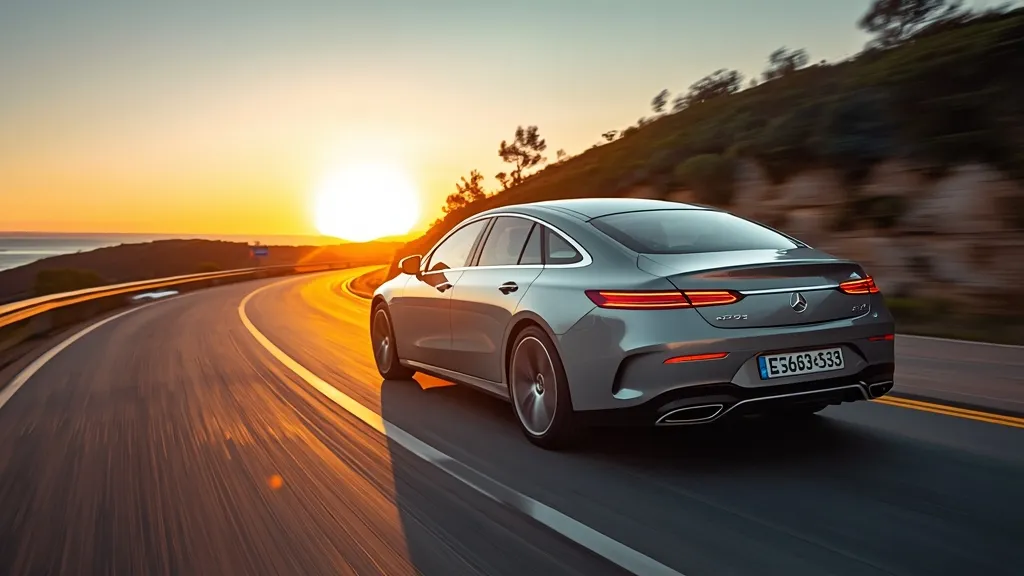
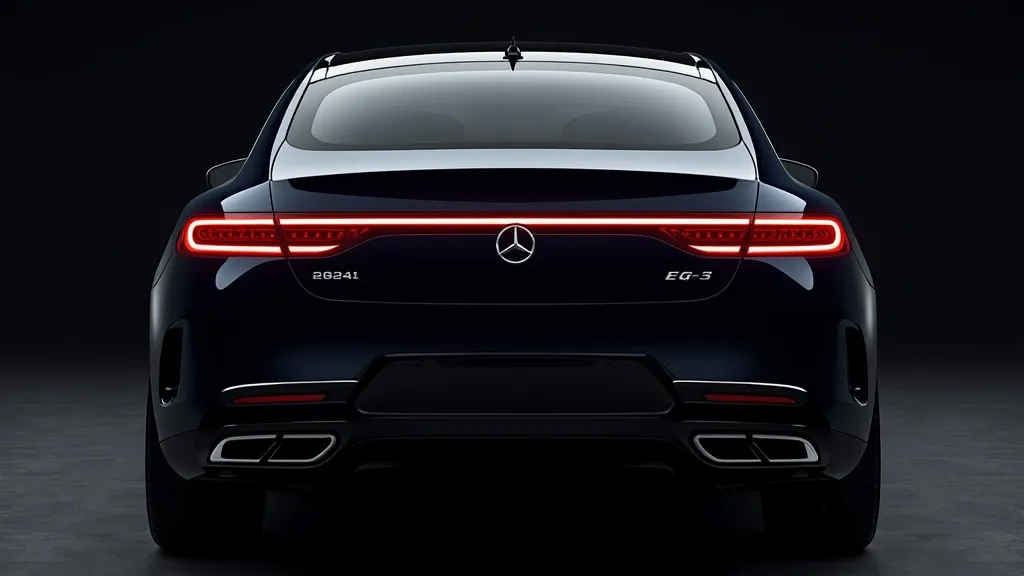
Just like the front, the rear features a striking, continuous LED light strip that spans the entire width of the vehicle. This intricate light bar, often featuring a helical or 3D design, creates a powerful and distinctive EQS light signature that is instantly recognizable at night. It visually connects the rear fenders and emphasizes the car width, giving it a planted, confident look.
Trunk Design and Subtle Diffuser
The trunk lid is smoothly integrated into the “one-bow” shape, providing a clean and uncluttered appearance. Below the light strip, a subtly integrated diffuser is designed to manage airflow efficiently from underneath the vehicle, further enhancing aerodynamic stability without resorting to aggressive, boy-racer styling. It’s all about understated performance.
The Absence of Traditional Exhaust Pipes
A clear indicator of its electric powertrain, the EQS exterior proudly omits traditional exhaust pipes. This allows for a cleaner, more minimalist rear bumper design, reinforcing its identity as a zero-emission vehicle. It’s a subtle but powerful statement about its eco-conscious future.
The EQS Exterior in Context: Comparisons and Intent
So, how does the EQS fit into the broader automotive landscape, especially within Mercedes’ own lineup and against its EV rivals?
EQS vs. S-Class Exterior: A Generational Shift
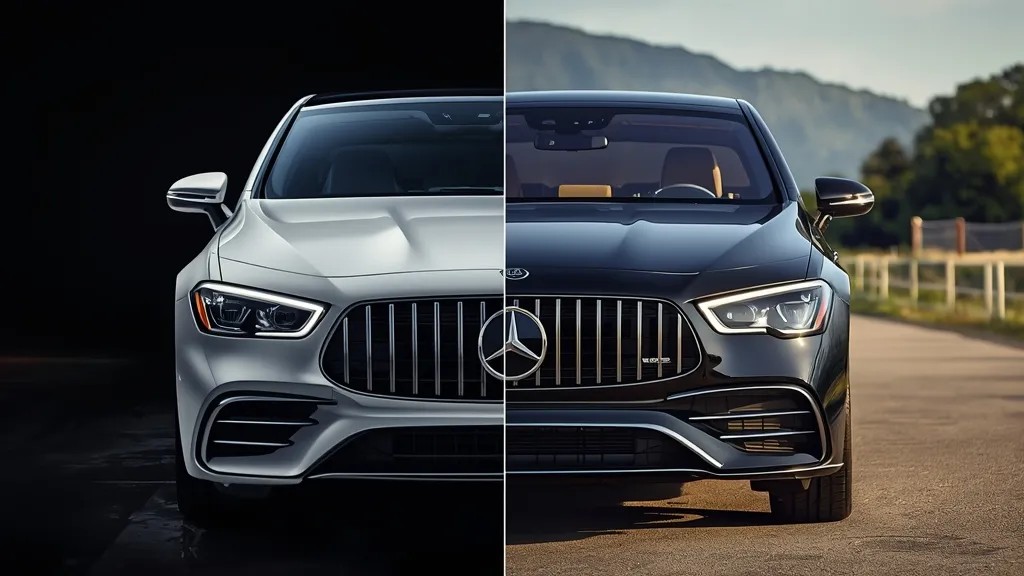
This is a really interesting comparison, isn’t it? The EQS vs S-Class exterior reveals Mercedes-Benz strategy for its electric future. While the S-Class (W223) maintains a classic, stately three-box sedan profile with a prominent grille and defined character lines – a look that screams “traditional luxury” – the EQS embraces a radically different approach. The S-Class exudes traditional luxury and authority; the EQS projects a futuristic, aerodynamic elegance. This clear differentiation ensures that each flagship caters to distinct preferences, marking a generational shift in design philosophy for the brand. It’s like having two siblings, both undeniably Mercedes, but with very different personalities.
Competing in the Luxury EV Landscape
The EQS exterior also positions Mercedes-Benz within the burgeoning luxury electric vehicle aesthetics market, competing with other high-end EVs.

EQS vs. Tesla Model S
While both are full-size electric sedans, the EQS offers a more refined, luxurious, and less stark aesthetic than the Model S, which often prioritizes minimalist design and raw performance. The EQS’s “Sensual Purity” contrasts with Tesla’s more utilitarian, albeit still sleek, approach. It’s a battle of sophisticated elegance versus minimalist tech.
EQS vs. Lucid Air
The Lucid Air is often praised for its sleek, elegant, and almost exotic design, with a particular emphasis on its glass canopy. The EQS shares a similar focus on aerodynamics but presents a more distinctly Mercedes interpretation of luxury, with a slightly more substantial presence compared to the Air’s lighter, more ethereal look. Both are stunning, but with different vibes.
EQS vs. Porsche Taycan
The Taycan offers a sportier, more aggressive, and traditional sports car silhouette, reflecting its performance-oriented DNA. The EQS, in contrast, emphasizes serene luxury, comfort, and long-distance cruising, reflected in its smoother, more flowing lines. It’s like comparing a sprinter to a marathon runner – both incredible, but built for different purposes.
The Role of the EVA2 Platform in Design Freedom
We touched on this earlier, but it’s worth reiterating: the dedicated Mercedes-Benz EVA2 platform design is absolutely crucial for the EQS exterior. Why? Because unlike early EVs that often had to adapt existing ICE platforms (like stuffing batteries into a car originally designed for an engine), EVA2 was conceived purely for electric powertrains. This freedom allowed designers to completely rethink proportions, eliminate the need for an engine bay, and optimize every aspect for aerodynamics and battery integration, resulting in that unique “one-bow” shape and cab-forward stance. This platform is a testament to the brand’s commitment to creating purpose-built electric vehicles, unconstrained by the past.
Current Opinions and Controversies: The Polarizing Design
Okay, let’s be honest. Not everyone loves the EQS exterior, and that’s perfectly fine! The EQS polarizing design has sparked considerable debate among automotive enthusiasts and critics. It’s a design that often elicits strong “love it or hate it” reactions, making it one of the most talked-about aspects of the car.
Why Some Love the EQS Exterior
Futuristic and Progressive Appeal
Many appreciate the EQS for its bold, futuristic vision. They see it as a true representation of what a luxury electric car should look like – forward-thinking, clean, and technologically advanced. It challenges traditional notions of luxury car design, pushing boundaries in a way that resonates with early adopters and tech-savvy buyers.
Unmatched Aerodynamic Prowess
The functional benefits of its design are universally praised. The exceptional EQS aerodynamic efficiency is a tangible advantage, directly translating to better range and a quieter ride, which are highly valued in an EV. It’s hard to argue with physics, right?
Distinct EV Identity
For many, the EQS successfully creates a distinct identity for Mercedes-Benz electric future. It doesn’t try to mimic an ICE car but proudly proclaims its electric nature through its unique proportions and “black panel” grille. It’s an authentic EV, through and through.
The Criticisms and “Melted Bar of Soap” Effect
Conversely, the EQS exterior has faced significant criticism, often described as looking like a “melted bar of soap” or being too generic. Ouch!
Loss of Traditional Mercedes Grandeur
Some loyalists feel the EQS lacks the stately, authoritative presence and classic beauty traditionally associated with Mercedes-Benz flagships. The absence of a prominent, upright grille and strong character lines is seen by some as a dilution of the brand’s iconic design DNA. They miss the “classic” Mercedes look.
Perceived Lack of Visual Drama
Critics argue that while smooth and aerodynamic, the design can appear bland or anonymous from certain angles. For a car in its price bracket, some expect more visual drama, sharper details, or a more distinctive silhouette. Is it too understated for a flagship? That’s the question.
Proportional Concerns (e.g., front overhang)
The cab-forward design, while beneficial for interior space, can lead to a relatively long front overhang, which some find visually awkward or unbalanced compared to the S-Class more classic proportions. It’s a matter of taste, but a common point of discussion.
The Intent Behind the Divisive Aesthetics
Ultimately, the polarizing nature of the Mercedes EQS exterior is a consequence of Mercedes-Benz deliberate choice to prioritize a new, electric-first aesthetic and supreme aerodynamic efficiency over adherence to traditional luxury sedan design cues. As design expert Gorden Wagener, Chief Design Officer at Mercedes-Benz, once stated, “The EQS is not an S-Class. It’s a completely new, purpose-built electric vehicle, and its design reflects that” [Car and Driver, 2021]. It’s a calculated risk to define the future rather than cling to the past, and only time will tell how this bold move is ultimately judged.
Future Outlook and Evolution of the EQS Exterior
The Mercedes EQS exterior will not remain static. As with all automotive designs, it will evolve, adapting to new technologies, market trends, and design philosophies. What can we expect down the road?
Anticipated Mid-Cycle Refresh (2025-2026)
Mercedes-Benz typically introduces a mid-cycle facelift for its models, usually around 3-4 years into their production run. For the EQS, this refresh, likely around 2025-2026, could bring:
Subtle Tweaks to Lighting and Bumpers
Expect minor revisions to the LED headlight and taillight designs, potentially with new graphics or more intricate patterns for the EQS light signature. Front and rear bumpers might receive subtle redesigns to freshen the look without altering the core “one-bow” silhouette. Think of it as a subtle update, not a complete overhaul.
Potential for New Grille Patterns and Material Finishes
The black panel grille EQS could see new illuminated patterns, different textures, or even more integrated sensor technology. New exterior paint options and aero-optimized wheel designs are also highly probable. It’s about keeping things fresh and aligned with the latest trends.
The Next-Generation EQS: Beyond 2030
Looking further into the future, the next-generation EQS, built on an entirely new platform (e.g., MB.EA Large), will likely feature more significant design changes. This is where things get really exciting!
Impact of Advanced Battery and Autonomous Tech on Design
Advances in battery technology (e.g., solid-state batteries) could lead to smaller, more energy-dense packs, potentially allowing for even more radical exterior proportions and lower rooflines. Imagine even more interior space or even sleeker profiles! The integration of advanced autonomous driving sensors (lidar, radar, cameras) will become even more seamless, potentially becoming invisible within the bodywork, making the car look even cleaner.
Further Integration of Digital Elements
The “black panel” could evolve into a fully dynamic digital display, capable of communicating with pedestrians (think subtle warnings or indications), showing personalized patterns, or even adapting its appearance based on driving mode. Imagine your car “face” changing to reflect its mood or your preferences!
Evolution of Mercedes’ Electric Design Language
The “Sensual Purity” philosophy will continue to evolve, perhaps incorporating new themes or bolder sculptural elements while retaining its core principles of elegance and efficiency. The EQS design language will continue to push boundaries, always striving for the next level of sophisticated design.
Customization and Personalization Trends
As luxury vehicles become more personalized, expect greater customization options for the EQS exterior. This could include exclusive paint finishes, bespoke wheel designs, and potentially even customizable digital elements on the exterior, allowing owners to truly tailor their Mercedes electric sedan design to their unique tastes. The future is all about making your car truly yours.
Conclusion
So, there you have it – a deep dive into the fascinating world of the Mercedes EQS exterior. It’s more than just a car body; it’s a profound statement about the future of luxury and automotive design. From its groundbreaking one-bow design Mercedes to its industry-leading EQS aerodynamic efficiency, every element is meticulously crafted to define a new era for Mercedes-Benz. While its EQS polarizing design has sparked debate, it unequivocally marks a bold step away from traditional aesthetics, embracing a purpose-driven, futuristic vision.
As Mercedes-Benz continues its journey into an all-electric future, the EQS exterior will stand as a benchmark, a testament to innovation, and a compelling preview of what’s to come in the world of luxury electric vehicles. This Mercedes EQS styling review confirms its place not just as a car, but as a design icon for the electric age. What do you think of the EQS exterior? Share your thoughts in the comments below!
mercedes eqs exterior FAQs
Question: What defines the Mercedes EQS exterior design?
Answer: The Mercedes EQS exterior is primarily defined by its “one-bow” design, a continuous, arching roofline that creates a sleek, coupe-like silhouette. It also features a distinctive “Black Panel” grille, flush door handles, and continuous LED light bars, all adhering to Mercedes’ “Sensual Purity” philosophy for a futuristic and aerodynamic look.
Question: How does the EQS exterior contribute to its performance?
Answer: The EQS exterior is meticulously designed for exceptional aerodynamic efficiency, achieving a drag coefficient as low as 0.20. This ultra-low EQS drag coefficient significantly extends the electric range, reduces energy consumption, and contributes to a remarkably quiet cabin, directly enhancing the vehicle overall performance and luxury experience.
Question: What are the key differences between the Mercedes EQS and S-Class exteriors?
Answer: The EQS vs S-Class exterior highlights a generational shift. The EQS features a “one-bow” electric-first design with a “Black Panel” grille, prioritizing aerodynamics. The S-Class maintains a traditional three-box sedan profile with a prominent, upright grille, embodying classic luxury.
Question: Why is the Mercedes EQS exterior considered polarizing?
Answer: The EQS polarizing design stems from its radical departure from traditional Mercedes aesthetics, favoring extreme aerodynamics and a futuristic EV identity over classic grandeur. While some praise its progressive look, others criticize it for lacking visual drama or the distinctive character lines typically associated with Mercedes-Benz.
Author Bio:
Jone, an automotive journalist and EV enthusiast with over a decade of experience analyzing luxury vehicle design and technology. He hold a degree in Automotive Engineering and regularly contributes to leading automotive publications, offering expert insights into the evolving landscape of electric mobility.
Disclaimer:
The information provided in this blog post is for general informational purposes only and is based on publicly available data, expert opinions, and current automotive trends. While every effort has been made to ensure accuracy and completeness, automotive specifications and market trends can change rapidly. Readers are encouraged to verify information with official Mercedes-Benz sources or trusted automotive publications for the most up-to-date details. This post is not an endorsement or recommendation of any specific product.
You can refer to more:
- Official Mercedes-Benz EQS Page : Provides direct, authoritative information and high-quality visuals from the manufacturer, enhancing trustworthiness.
- Car and Driver EQS Review : Offers an expert, independent review from a reputable automotive publication, providing a balanced perspective on the EQS exterior.
- Mercedes-Benz Design Philosophy : Explains the broader “Sensual Purity” design language from the brand’s perspective, offering context for the EQS’s aesthetic.