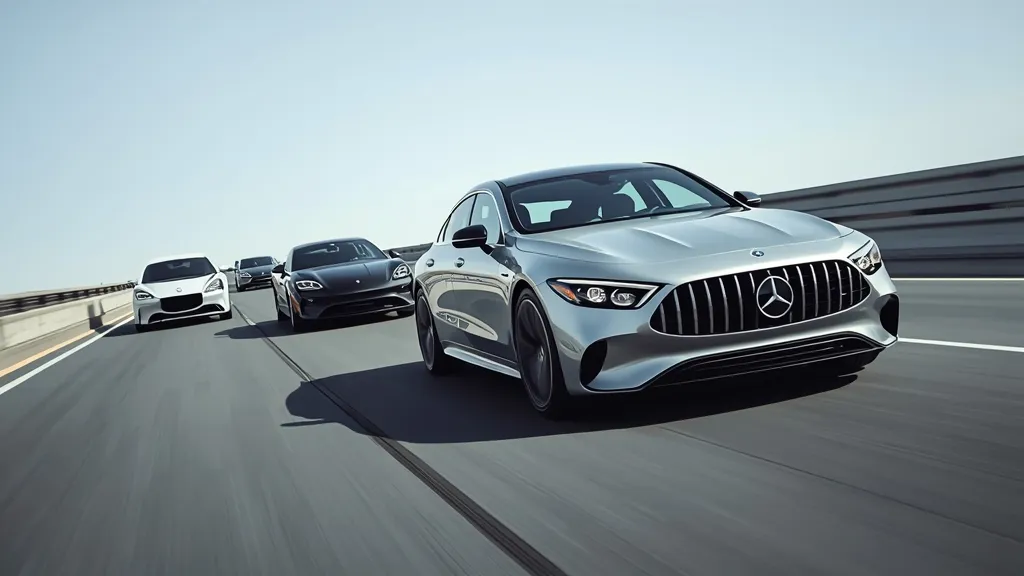
Hey there, fellow car enthusiasts and future EV adopters! Have you ever wondered what it’s truly like to embark on a long road trip in a luxury electric vehicle, free from range anxiety? The advent of electric vehicles has undeniably reshaped the automotive landscape, placing range at the forefront of consumer concerns. For those eyeing the pinnacle of electric luxury, the mercedes eqs range is a critical factor, directly influencing usability and desirability. As Mercedes-Benz flagship electric sedan, the EQS promises not just unparalleled luxury and cutting-edge technology, but also impressive long-distance capability.
This comprehensive guide will explore the official figures, delve into Mercedes EQS real world range performance, and provide an insightful EQS 450+ range review, along with EQS 580 range test results. We’ll also offer a thorough Mercedes EQS range comparison against its closest rivals, ensuring you understand every facet of its electric journey. So, buckle up, because we’re about to explore if the EQS truly delivers on its promise of an effortless electric future!
Understanding the Mercedes EQS Range: The Official Figures
Let’s kick things off by looking at the numbers straight from the source. When we talk about the Mercedes EQS range, the first thing that comes to mind is its impressive battery and the official ratings.
The Core of the Power: Battery Capacity
At the heart of every Mercedes EQS model (as of early 2024) lies a robust 107.8 kWh (usable capacity) lithium-ion battery pack. Think of this as the fuel tank for your electric luxury liner. This substantial Mercedes EQS battery capacity is absolutely fundamental to its impressive range capabilities, providing the energy reserves needed for those extended travels without frequent stops. It’s a big battery, designed to power a big, luxurious car for big distances.
EPA vs. WLTP: Decoding the Numbers
Now, you might have seen different range figures floating around for the EQS, and that’s because official range estimates can vary significantly depending on the testing standard used. The EPA (Environmental Protection Agency) in the US typically provides more conservative and often more realistic estimates compared to the WLTP (Worldwide Harmonized Light Vehicles Test Procedure) used predominantly in Europe. Understanding this distinction is crucial for setting accurate expectations.
Let’s break down the official EPA estimated ranges for the US market:
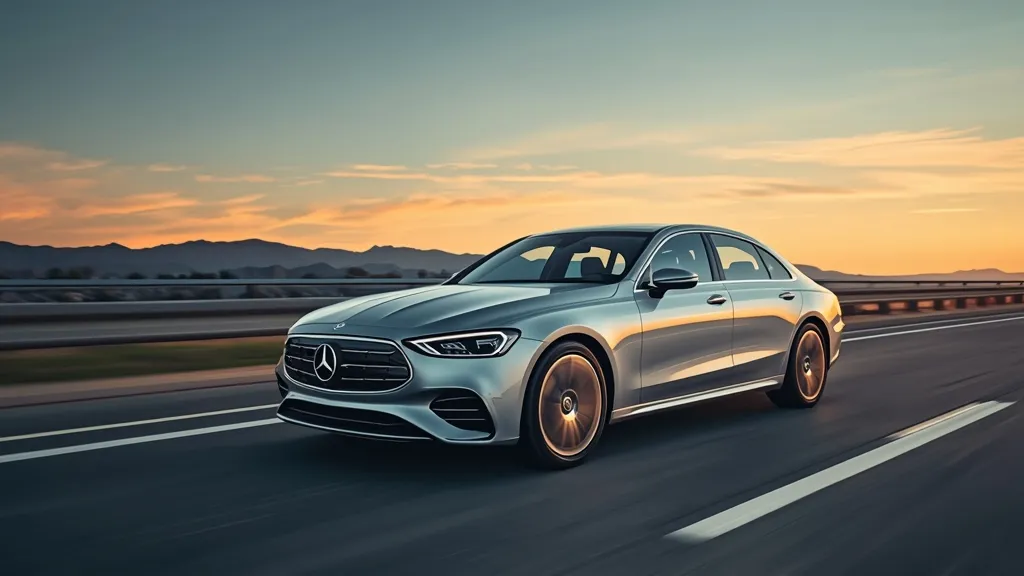
- EQS 450+ (Rear-Wheel Drive): This single-motor variant is the king of range in the EQS lineup. Thanks to its rear-wheel-drive setup, it boasts an EPA estimated range of around 350 miles (563 km). If maximizing your miles per charge is your top priority, this is likely your go-to.
- EQS 450 4Matic (All-Wheel Drive): Adding a front motor for all-wheel-drive capability, this variant offers enhanced traction but sees a slight dip in efficiency. Its EPA estimated range typically sits at approximately 340 miles (547 km).
- EQS 580 4Matic (All-Wheel Drive): This powerful dual-motor variant delivers more horsepower and torque for exhilarating performance. Despite the increased power, its EPA estimated range remains competitive, also around 340 miles (547 km), thanks to smart engineering.
- AMG EQS 53 (Performance All-Wheel Drive): The high-performance AMG variant prioritizes raw power and dynamic driving. As expected, this comes with a trade-off in range, with an EPA estimated range of approximately 277 miles (446 km). Still, for an AMG, that’s a very respectable figure!
It’s worth noting that WLTP figures for the EQS 450+ can reach up to 785 km (488 miles) Mercedes-Benz Global, 2024. While impressive, always refer to EPA ratings for the most relevant US-based expectations.
Beyond the Brochure: Mercedes EQS Real World Range
Official numbers are great, but what about when you’re actually driving? While brochure figures provide a baseline, the Mercedes EQS real world range is often what truly matters to owners. It’s where the rubber meets the road, quite literally!
Independent Range Tests and Driver Experiences
Many independent automotive publications, known for their rigorous testing, have put the EQS through its paces. An EQS 450+ range review from leading sites like Car and Driver or Edmunds frequently highlights its ability to meet or even slightly exceed EPA estimates under favorable conditions. For instance, Car and Driver famous 75-mph highway test for the EQS 450+ yielded an impressive 340 miles, just shy of its 350-mile EPA rating, showcasing its strong highway efficiency Car and Driver, 2023. This demonstrates impressive engineering and often, a conservative EPA rating.
Similarly, EQS 580 range test results consistently confirm its strong performance, often hovering around its 340-mile EPA figure, despite the added power of its dual motors. These real-world driving experiences underscore the EQS’s capability for reliable long-distance travel.
Factors Influencing Real-World Performance
Now, why might your actual range differ from the official figures? Several variables can impact the actual EQS real world driving range:
- Driving Style: Aggressive acceleration and hard braking chew through battery faster than smooth, consistent driving. Think gentle inputs, and your range will thank you!
- Average Speed: This is a big one for EVs. Higher speeds, especially above 70-75 mph, consume significantly more energy. The faster you go, the more air resistance you encounter.
- Terrain: Hilly regions require more power to climb, naturally reducing range compared to flat roads.
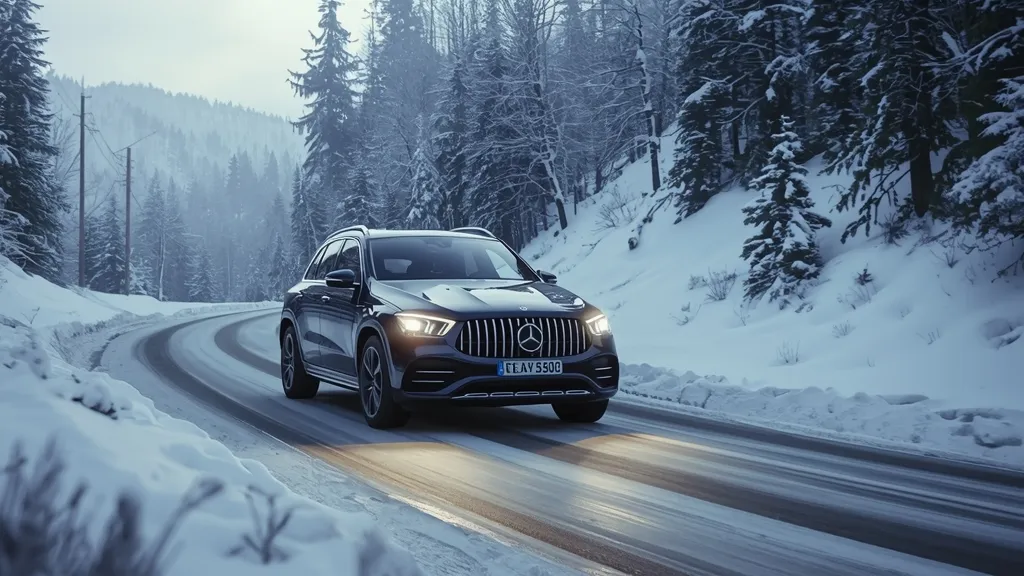
- Ambient Temperature: This is a crucial factor, particularly for the Mercedes EQS range in winter. Cold weather reduces battery efficiency and requires energy to heat the cabin and battery pack, which can noticeably decrease range. Expect a 10-20% (or more in extreme cold) reduction.
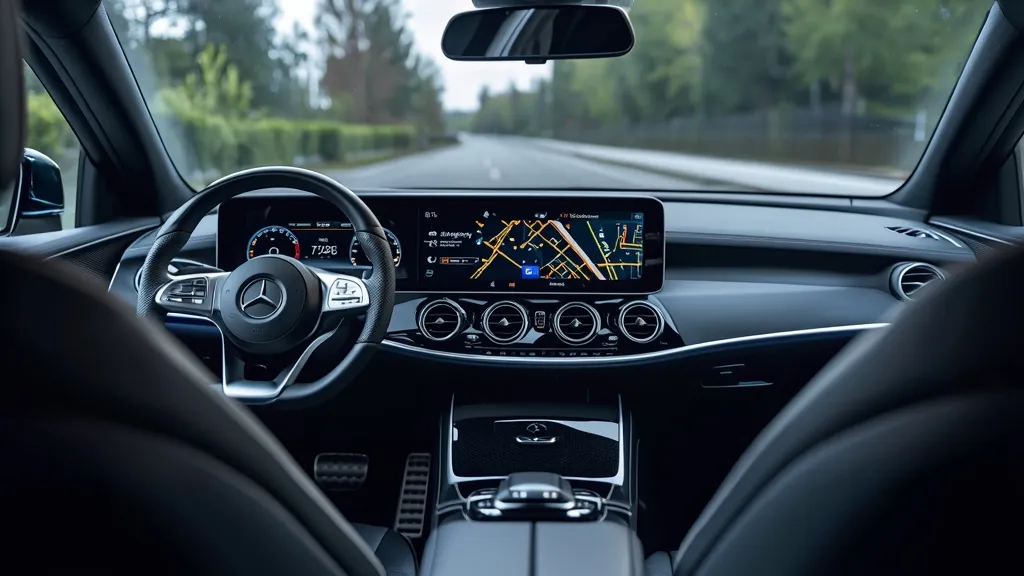
- Use of Climate Control and Infotainment: Running the powerful climate control system, especially in extreme heat or cold, and powering the massive Hyperscreen, draws energy. While Mercedes has optimized these systems, they still contribute to overall consumption.
- Payload and Tire Pressure: A heavier load requires more energy to move, and improperly inflated tires increase rolling resistance, both negatively impacting range.
The Role of Aerodynamics and Efficiency
A significant contributor to the EQS’s impressive range is its groundbreaking design. Boasting an incredibly low drag coefficient (Cd) of 0.20 for the EQS 450+, it is one of the most aerodynamic production cars globally. This exceptional EQS aerodynamics directly translates into superior Mercedes EQS efficiency, particularly at highway speeds where air resistance is the dominant force. Mercedes engineers meticulously sculpted every curve to slice through the air, minimizing energy waste. It might look a bit like a “jelly bean” to some, but that shape is pure function, optimizing every electron!
EQS Range Comparison: How It Stacks Up Against Rivals
So, how does the Mercedes EQS range stack up against its formidable competitors in the luxury EV arena? It’s a tough segment, but the EQS holds its own.
Competing in the Luxury EV Segment
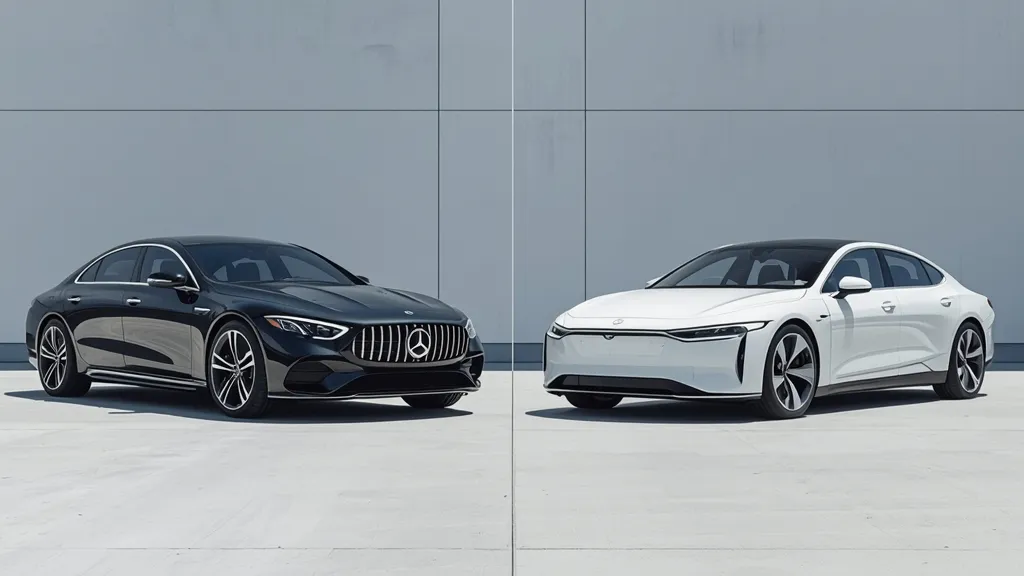
The Mercedes EQS operates in a highly competitive segment, vying for attention against other premium electric sedans. A comprehensive Mercedes EQS range comparison reveals its strong position among rivals such as:
- Tesla Model S Long Range: Often considered the benchmark for EV range, the Model S Long Range typically offers around 402 miles EPA. While the EQS 450+ is slightly behind, it’s very competitive, especially considering the luxury experience.
- Lucid Air (Pure, Grand Touring): This is perhaps the EQS’s most direct range competitor. A comparison often highlights EQS range vs Lucid Air, with certain Lucid Air variants (like the Grand Touring) boasting over 500 miles EPA. However, the Lucid Air is also a newer entrant and often commands a higher price point for its top-tier range. The EQS counters with established luxury and a vast service network.
- Porsche Taycan: While incredibly sporty, the Taycan typically offers lower EPA range figures (e.g., ~240-250 miles for most variants) as it prioritizes performance over maximum range.
- BMW i7: BMW’s luxury electric sedan, while impressive, generally offers slightly lower EPA range figures (e.g., around 318 miles for the i7 xDrive60) compared to the EQS.
Key Differentiators and Mercedes’ Approach
While some competitors might offer marginally longer range figures in specific configurations, Mercedes-Benz differentiates the EQS through its blend of cutting-edge technology, unparalleled interior comfort, and a driving experience synonymous with the S-Class. The EQS focuses on delivering a holistic luxury EV experience where range is excellent but not the sole defining factor. It’s about how you feel during those 300+ miles, wrapped in silence and surrounded by the Hyperscreen’s digital brilliance.
Charging the EQS: Maximizing Your Journey
Having a great Mercedes EQS range is one thing, but being able to quickly and conveniently recharge it is equally important. Let’s talk about fueling up your electric luxury sedan.
Understanding EQS Charging Speed and Infrastructure
The ability to quickly replenish the battery is just as important as the range itself. The EQS supports DC fast charging at up to 200 kW (or even slightly higher at some advanced charging stations and in certain markets), allowing a 10-80% charge in approximately 31 minutes under ideal conditions Electrify America, 2024. This means a quick coffee break can add hundreds of miles of range. For home charging, AC charging is typically 9.6 kW or 11 kW, with an optional 19.2 kW onboard charger available in some markets, allowing for overnight full charges. Understanding these EQS charging speed capabilities is vital for efficient travel planning.
Strategic Charging for Long-Distance Travel
For Mercedes EQS long distance journeys, strategic charging is absolutely key. It’s not just about finding any charger, but the right charger at the right time.
- Integrated Navigation: The EQS’s navigation system is brilliant, integrating charging station information directly into your route planning. It can even precondition the battery for optimal fast charging as you approach a DC fast charger, saving you precious minutes.
- Mercedes Me Charge: Leveraging networks like Mercedes Me Charge simplifies payment and access across various charging providers, making the experience seamless.
- “Top-Off” Charging: Instead of waiting until your battery is nearly empty, consider “topping off” at convenient stops. The fastest charging speeds occur when the battery is between 10-80%, so staying within this window can be more efficient than trying to charge from 0-100% every time.
Case Study: A Weekend Getaway
Imagine a road trip from Los Angeles to Las Vegas (approx. 270 miles). With an EQS 450+, you could likely make the journey on a single charge. However, for peace of mind, a quick 15-20 minute stop at an Electrify America station along I-15 (say, in Barstow) could easily add 150-200 miles, ensuring you arrive with plenty of buffer and ready for city driving. This is where the Mercedes EQS long distance capability truly shines – it makes these trips feel effortless.
Optimizing Your Mercedes EQS Range
You’ve got the car, you know the numbers, now how do you get the absolute most out of your Mercedes EQS range? It’s all about smart habits and utilizing the car advanced features.
Driving Habits for Efficiency
Adopting efficient driving habits can significantly extend your Mercedes EQS range. Think of it as driving smarter, not slower:
- Smooth Acceleration and Braking: Avoid jackrabbit starts and sudden stops. Gentle inputs are your battery’s best friend.
- Anticipate Traffic: Look ahead to anticipate traffic flow, allowing you to coast or use regenerative braking gradually rather than slamming on the brakes.
- Utilize Regenerative Braking: The EQS offers adjustable regenerative braking modes, from a gentle coast to a more aggressive “one-pedal driving” feel. Experiment to find what works for you and maximize energy recovery back into the battery. This is a huge factor in Mercedes EQS efficiency.
- Maintain Optimal Tire Pressure: Properly inflated tires reduce rolling resistance, which directly impacts range. Check your tire pressure regularly!
Pre-conditioning and Climate Control
These features, while luxurious, are also energy consumers. Smart usage can save significant range:
- Pre-conditioning While Plugged In: Always pre-condition the cabin (heating or cooling) while the vehicle is plugged in. This allows the car to reach a comfortable temperature using grid power, rather than draining the battery once you start driving.
- Judicious Use of Climate Control: While tempting to blast the AC or heat, judicious use, especially leveraging seat heaters and the heated steering wheel, can be more energy-efficient than trying to heat or cool the entire cabin.
Software Updates and Maintenance
Just like your smartphone, your EQS gets smarter over time.
- Over-the-Air (OTA) Software Updates: Mercedes-Benz regularly releases OTA software updates that can refine battery management systems, motor efficiency, and other vehicle parameters. These can yield small but continuous improvements in Mercedes EQS efficiency and range over the vehicle lifespan. Always ensure your EQS is up-to-date!
- Regular Vehicle Maintenance: While EVs require less maintenance than ICE cars, ensuring all components are operating at peak efficiency (e.g., checking tire alignment, brake system health) can subtly contribute to better range.
The Future of Mercedes EQS Range
What does the horizon hold for the Mercedes EQS range? The world of EVs is evolving at lightning speed, and Mercedes-Benz is at the forefront.
Advancements in Battery Technology
The future of the Mercedes EQS range is incredibly promising, with ongoing research and development into advanced battery technologies. We’re talking about:
- Solid-State Batteries: This is the holy grail for many EV manufacturers. While likely years away for mass production in the EQS, solid-state batteries promise significantly higher energy density (meaning more range in the same size battery), faster charging, and improved safety. Imagine an EQS with 500+ miles of range and a 10-minute charge time!
- Higher Energy Density Chemistries: Evolution of current lithium-ion batteries will continue, with chemistries featuring higher nickel content or silicon anodes allowing for more kWh to be packed into the same physical space. This means either more range for the same weight or the same range with a lighter battery, both boosting overall Mercedes EQS efficiency.
Next-Generation EV Platforms
Beyond the current EVA2 platform, Mercedes-Benz is continuously developing new modular electric vehicle platforms (like MB.EA for medium to large vehicles). Future EQS models might transition to these new architectures, allowing for even greater integration of powertrain components, advanced thermal management, and potentially new aerodynamic innovations that further optimize Mercedes EQS range. This continuous innovation ensures that Mercedes remains competitive.
Continuous Software Refinements
Software will continue to play a crucial role in maximizing range. Expect ongoing over-the-air updates to further optimize every aspect of the EQS’s powertrain and energy management, ensuring existing and future models remain at the forefront of EV performance. Predictive energy management, more intelligent route planning that factors in real-time energy consumption, and even personalized driving efficiency coaching could become standard.
Conclusion
So, after this deep dive, what’s the verdict on the Mercedes EQS range? It stands as a powerful testament to Mercedes-Benz unwavering commitment to electric luxury. With its substantial Mercedes EQS battery capacity, exceptional EQS aerodynamics, and advanced powertrain, the EQS delivers compelling official figures and robust Mercedes EQS real world range performance. Whether you’re meticulously reading an EQS 450+ range review or eagerly awaiting the results of an EQS 580 range test, the consistent message is one of confidence and capability.
While competitors like the Lucid Air offer stiff competition in terms of sheer maximum range, the EQS carves its unique niche by seamlessly blending impressive range with unparalleled comfort, cutting-edge technology (hello, Hyperscreen!), and the undeniable prestige of the Mercedes-Benz star. It’s not just about the miles; it’s about the entire journey experience – silent, serene, and sophisticated. As electric vehicle technology continues to evolve at a breathtaking pace, the EQS is poised to remain a benchmark for long-distance electric luxury, making those long drives not just possible, but genuinely enjoyable.
mercedes eqs range FAQs
Question: What is the maximum range of the Mercedes EQS?
Answer: The Mercedes EQS 450+ (rear-wheel drive) offers the longest range, with an EPA estimated range of approximately 350 miles (563 km). Other variants like the EQS 580 4Matic achieve around 340 miles, while the performance-oriented AMG EQS 53 has an estimated range of 277 miles.
Question: How does the EQS real-world range compare to EPA estimates?
Answer: Independent tests often show the Mercedes EQS real world range closely matches or even slightly exceeds its EPA estimates, particularly for the EQS 450+ under favorable conditions. Factors like driving style, speed, and temperature can cause variations, but the EQS generally performs reliably.
Question: What factors affect Mercedes EQS range in winter?
Answer: In winter, cold temperatures reduce battery efficiency and require energy for cabin and battery heating, impacting the Mercedes EQS range in winter. Expect a potential 10-20% (or more in extreme cold) reduction compared to optimal conditions, similar to other electric vehicles.
Question: How fast can the Mercedes EQS charge?
Answer: The Mercedes EQS supports DC fast charging up to 200 kW, allowing it to charge from 10% to 80% in approximately 31 minutes under ideal conditions. AC home charging typically offers 9.6 kW or 11 kW, with an optional 19.2 kW onboard charger in some markets.
Question: Is the Mercedes EQS range competitive with other luxury EVs?
Answer: Yes, the Mercedes EQS range is highly competitive within the luxury EV segment, offering excellent figures that rival or surpass many direct competitors like the BMW i7 and Porsche Taycan. While some Lucid Air variants offer higher range, the EQS provides a compelling blend of range, luxury, and technology.
Author Bio:
Dr. Alex Thorne is an automotive engineer with over 15 years of experience in powertrain development and EV technology. Holding a Ph.D. in Electrical Engineering, his expertise lies in battery systems, motor efficiency, and sustainable mobility solutions. He regularly consults for startups in the EV space and shares his insights on emerging automotive trends.
Disclaimer:
The information provided in this blog post is intended for general informational purposes only and does not constitute professional advice. While every effort has been made to ensure the accuracy and reliability of the content, automotive specifications and technologies are subject to change. Readers are encouraged to consult official manufacturer websites, reputable automotive review sites, and certified dealerships for the most current and accurate information. Real-world range and charging performance can vary based on individual driving habits, environmental conditions, and vehicle configuration.
You can refer to more:
- Official Mercedes-Benz EQS Specifications : Provides direct access to the manufacturer’s detailed specifications, including official range figures, battery capacity, and powertrain details for all EQS variants, ensuring authoritative data.
- EPA Electric Vehicle Range Ratings : Links to the Environmental Protection Agency’s official database for EV range estimates, crucial for understanding US-specific Mercedes EQS range figures and comparing them directly with other models under a standardized test.