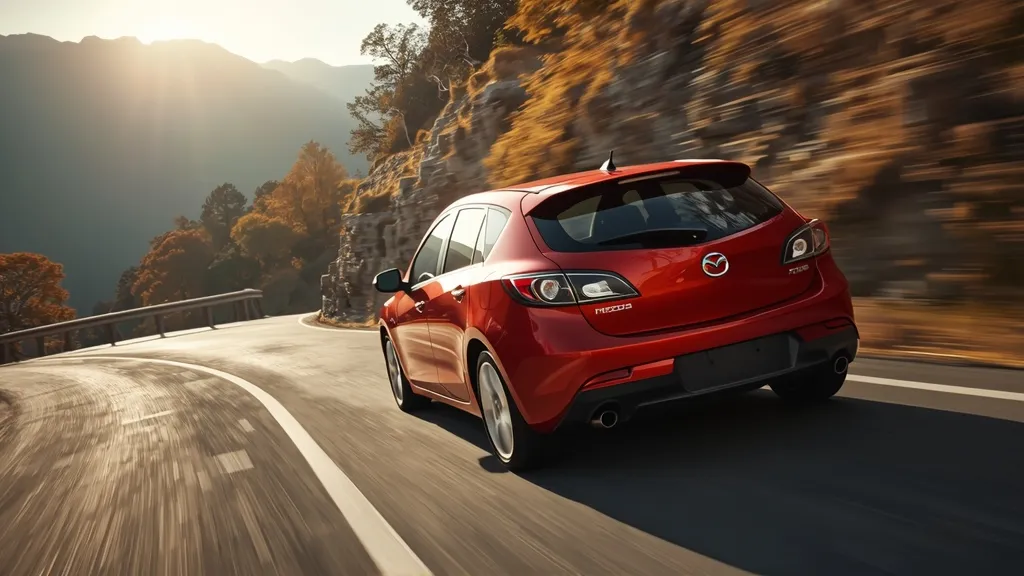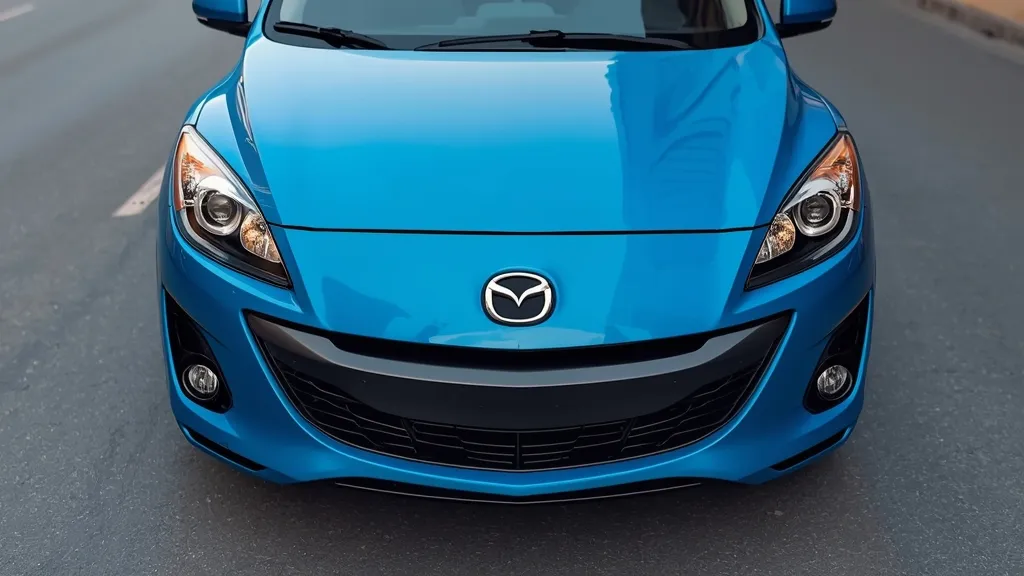
Are you on the hunt for a used car that won’t just get you from point A to B, but will actually make you enjoy the journey? It’s a common dilemma: you need something reliable and affordable, but you don’t want to sacrifice driving fun. This is where the 2013 Mazda 3 enters the conversation. It stands as a compelling choice in the used car market, representing the final, refined iteration of the second-generation Mazda 3. For anyone considering a compact car that blends spirited driving with impressive fuel efficiency, particularly models equipped with the innovative Skyactiv engine, this model deserves a closer look.
Our comprehensive 2013 Mazda 3 Skyactiv review delves into its strengths, addresses 2013 Mazda 3 reliability issues, and offers a thorough used 2013 Mazda 3 buyer guide to help you make an informed decision. We’ll explore everything from its performance to 2013 Mazda 3 common problems, ensuring you have all the insights needed for this popular vehicle.
Overview of the 2013 Mazda 3
Think of the 2013 Mazda 3 as the seasoned veteran of its lineup. As the final model year of the Mazda 3 second generation, it benefited from years of tweaks and refinements. This wasn’t a brand-new experiment; it was a proven platform at its peak. It perfectly captured Mazda “Zoom-Zoom” driving philosophy, offering a more engaging experience than many of its more sedate competitors of the era.
Sedan vs. Hatchback
One of the first choices you’ll face is the body style. The 2013 Mazda 3 came as a sleek four-door sedan or a sporty and incredibly practical five-door hatchback.
- The Sedan: A classic, handsome choice with clean lines and a traditional trunk. It’s perfect if you prefer a more conventional look and secure, out-of-sight storage.
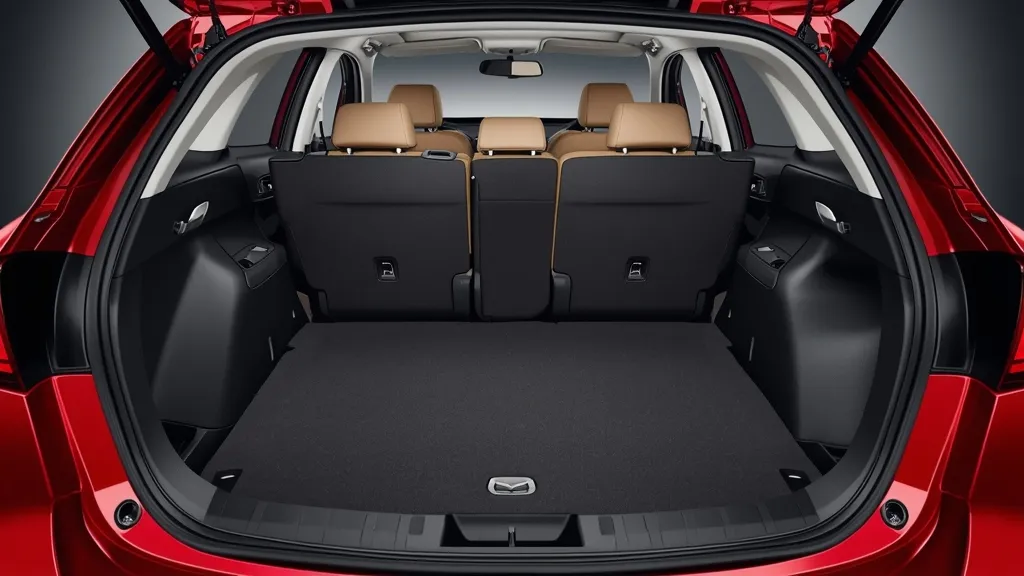
- The Hatchback: This is often the enthusiast’s choice. Not only does it have a sportier profile, but the hatchback cargo space is a game-changer. With the rear seats folded down, you can haul items you’d never dream of fitting in a typical compact sedan, from bicycles to flat-pack furniture.
Trim Levels and Features
Navigating the trim levels of the 2013 Mazda 3 is straightforward. They were primarily split into “i” and “s” models, which mainly corresponded to the engine under the hood.
- Mazda 3i: These models typically came with one of the 2.0-liter engines. Trims ranged from the basic “i SV” (which was quite spartan) to the “i Touring” and “i Grand Touring,” which added more creature comforts like alloy wheels, Bluetooth, cruise control, and an upgraded sound system.
- Mazda 3s: These were the more powerful models, equipped with the 2.5-liter engine. The “s Touring” and “s Grand Touring” trims packed in more premium features, such as larger wheels, leather upholstery, heated front seats, a Bose premium audio system, and a small navigation screen on top-tier models.
The Heart of the Matter: Engine Options and Performance
What truly sets the 2013 Mazda 3 apart, even today, is what’s under the hood. You have three distinct choices, each catering to a different type of driver.
The Standard 2.0L MZR Engine
The base engine in the “i” models was Mazda trusty 2.0-liter MZR four-cylinder, putting out 148 horsepower. It’s a reliable workhorse that gets the job done for daily commuting. Paired with either a 5-speed manual or a 5-speed automatic, it provides adequate power, but it’s neither the most powerful nor the most efficient option in the lineup.
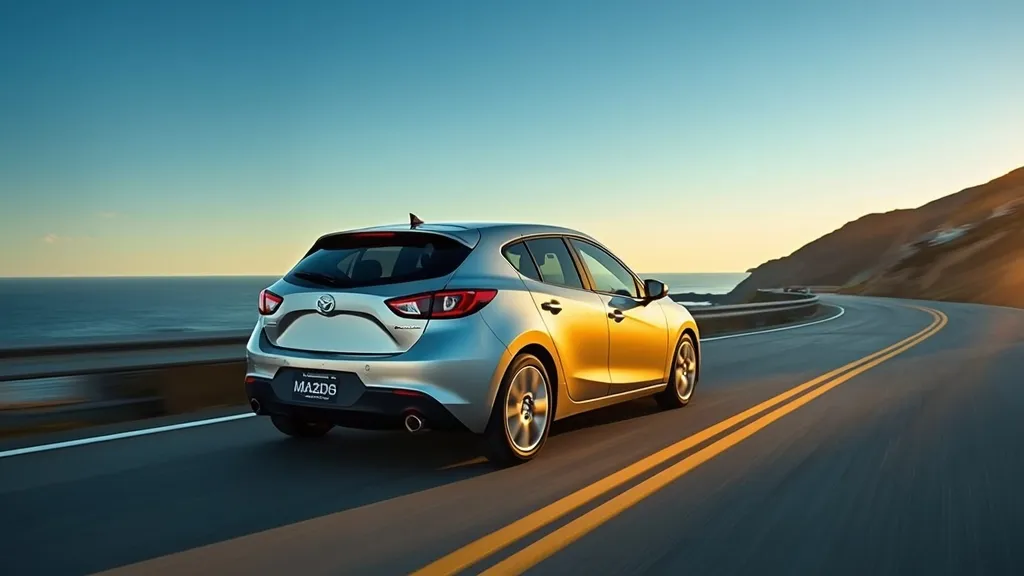
The Game-Changer: 2.0L Skyactiv-G
Here’s the star of the show. Introduced in 2012 and perfected for the 2013 Mazda 3, the 2.0-liter Skyactiv-G engine was revolutionary for its time. It produces a healthier 155 horsepower, but its real magic lies in its efficiency. This is the engine that truly elevated the 2013 Mazda 3 above its peers.
Skyactiv Engine Benefits: Fuel Efficiency and Performance
So, what are the Skyactiv engine benefits? In short, it’s about getting more from less. Mazda engineers used a combination of direct injection, a super-high 12:1 compression ratio, and lighter components to squeeze more power out of every drop of fuel. The result? A significant boost in Mazda 3 fuel efficiency. According to the U.S. Department of Energy, the Skyactiv-equipped sedan with an automatic transmission could achieve an impressive 33 MPG combined (28 city/39 highway) (FuelEconomy.gov, 2024). This was accomplished without a turbocharger or a complex hybrid system, which speaks to the quality of the engineering. If you see a 2013 Mazda 3 for sale with a “Skyactiv” badge, you’ve found the most desirable version.
The Punchy 2.5L MZR Engine
If you crave more get-up-and-go, the 2.5-liter MZR engine found in the “s” trims is your answer. With 167 horsepower and more torque, it provides noticeably quicker acceleration. It turns the 2013 Mazda 3 into a genuinely zippy compact car that’s a blast to drive on winding roads. The trade-off is fuel economy, which is lower than the Skyactiv model, but for drivers who prioritize performance, it’s a worthy compromise.
Transmission Choices: Manual vs. Automatic
Reinforcing its driver-focused nature, the 2013 Mazda 3 was widely available with a manual transmission across its engine options. The Mazda 3 manual transmission is a slick-shifting unit that adds another layer of engagement to the driving experience. The Skyactiv models received a more modern 6-speed manual or 6-speed automatic, both of which are smooth and responsive.
Driving Dynamics: Why “Zoom-Zoom” Endures
Let’s be honest: you can find plenty of reliable compact cars. What makes the 2013 Mazda 3 special is how it feels from behind the wheel. This isn’t just a transportation appliance; it’s an experience.
Handling and Steering Feel
The steering is a standout feature—it’s direct, communicative, and perfectly weighted. You feel connected to the road, which inspires confidence whether you’re navigating a tight parking lot or a curvy backroad. The chassis is well-balanced, providing agile handling that makes the car feel light and eager to change direction. It’s this responsive nature that forms the core of its enduring appeal.
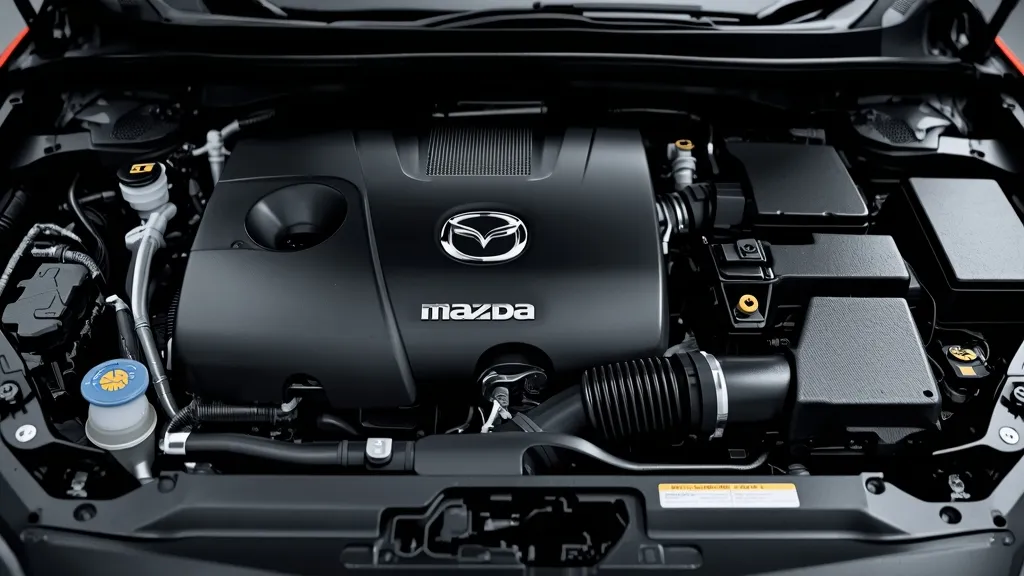
Ride Comfort and Road Noise
The ride is on the firmer side of the compact class, but it’s far from harsh. It’s a well-judged compromise that prioritizes handling without being uncomfortable on daily commutes. One common critique, however, is the level of road noise Mazda 3 models can exhibit. At highway speeds, wind and tire noise are more noticeable than in some competitors like the Honda Civic or Toyota Corolla of the same era. It’s not a deal-breaker for most, but something to be aware of during a test drive.
Interior and Practicality
Step inside the 2013 Mazda 3, and you’ll find a cabin that is functional and driver-focused, though it certainly shows its age in the technology department.
Cabin Design and Materials
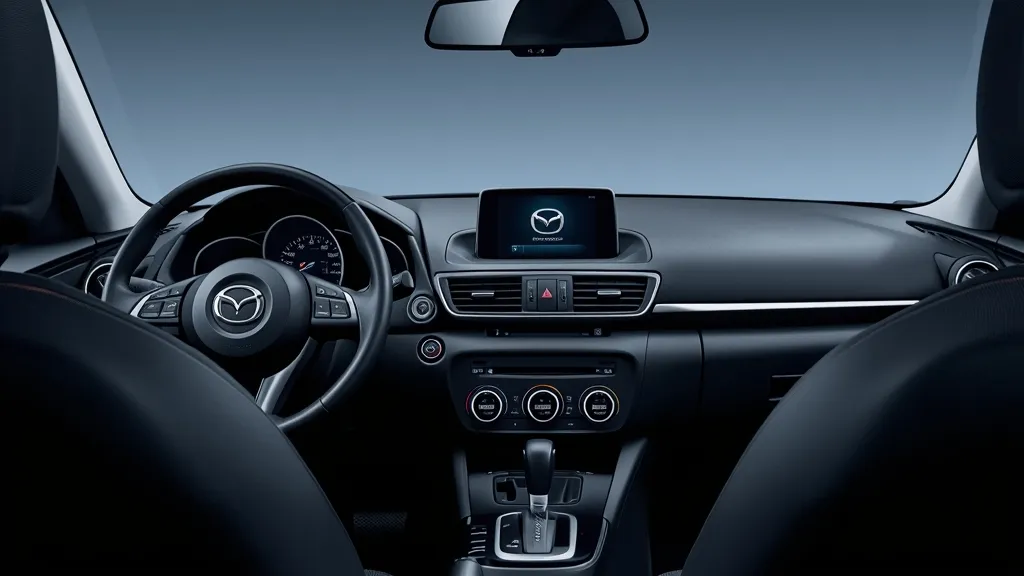
The dashboard layout is clean and intuitive. The gauges are easy to read, and the controls are exactly where you’d expect them to be. While you won’t find acres of luxurious materials, the plastics are generally of good quality, and the fit and finish are solid for a car from this era.
Technology and Infotainment
Here’s where a decade of progress is most obvious. The infotainment system in the 2013 Mazda 3 is basic. Base models have a simple radio, while higher trims might include a small, top-mounted screen for navigation and audio information. Bluetooth for phone calls and audio streaming was available, but you won’t find modern conveniences like Apple CarPlay or Android Auto. For many buyers, this simplicity is a plus—fewer complex systems to fail—but for tech-savvy drivers, an aftermarket head unit upgrade might be in order.
Passenger and Cargo Space
The front seats are comfortable and supportive, offering a good driving position. Rear-seat legroom is adequate for children and average-sized adults but can be a bit tight for taller passengers on long trips. As mentioned earlier, the hatchback cargo space is a huge selling point, offering 17 cubic feet of space with the seats up and significantly more when they’re folded down, making it a surprisingly versatile hauler.
Diving Deep into Ownership: Reliability and Common Issues
A car can be fun to drive, but if it’s always in the shop, the fun fades fast. Fortunately, the 2013 Mazda 3 has a strong reputation, but it’s not without its potential issues. Understanding these is key to a smart purchase.
2013 Mazda 3 Reliability Ratings and General Consensus
The Mazda 3 reliability ratings from sources like J.D. Power and Consumer Reports have historically been strong. Owners generally report positive long-term experiences, especially with powertrains. The Skyactiv engine, in particular, has proven to be a robust and durable unit. Proper maintenance is, of course, essential to this longevity.
2013 Mazda 3 Common Problems to Watch For
While generally solid, there are a few well-documented common Mazda 3 problems that any prospective buyer should investigate.
Rust Concerns
This is arguably the biggest watch-out for the 2013 Mazda 3. Like many Mazdas from this period, it can be susceptible to rust, particularly in regions that use road salt during winter.
- Real-Life Example: Imagine you’re inspecting a 2013 Mazda 3 that spent its life in a snowy climate. You’ll want to bring a flashlight and carefully check the rear wheel arches, the rocker panels (the metal below the doors), and the undercarriage, including the subframes. Surface rust might be treatable, but deep, bubbling rust can be a sign of a much larger, more expensive problem.
Dashboard Peeling Mazda 3
Another widely reported issue is the phenomenon of the dashboard peeling Mazda 3. In hot, sunny climates, the dashboard material can become sticky to the touch, develop a distracting sheen, or even start to physically degrade and peel away. This was a known issue, and Mazda did address it with warranty extensions in some cases, but on a decade-old car, any fix will likely be out-of-pocket.
Other Minor Electrical or Mechanical Quirks
The National Highway Traffic Safety Administration (NHTSA) has documented a few recalls for the 2013 Mazda 3, including one for a potential issue with the seat height adjuster lift link (NHTSA, 2024). It’s always a good idea to run the VIN of any car you’re considering through the NHTSA website to see if any recalls are outstanding.
Maintenance Tips for Longevity
The key to a long life for your 2013 Mazda 3 is consistent maintenance. Regular oil changes with quality synthetic oil (especially for Skyactiv engines), timely transmission fluid services, and proactive rust prevention (like an annual undercoating in salty regions) can make all the difference.

Is a Used 2013 Mazda 3 the Right Car for You? A Buyer Guide
So, after all this, should you buy one? This used 2013 Mazda 3 buyer guide will help you decide. It offers fantastic used compact car value, but it’s not the perfect car for everyone.
What to Look For When Buying a Used 2013 Mazda 3
- Prioritize Skyactiv: The fuel economy and performance benefits are significant.
- Perform a Thorough Rust Inspection: This is non-negotiable. Look everywhere.
- Get a Pre-Purchase Inspection (PPI): Have a trusted mechanic check the engine, transmission, suspension, and brakes.
- Check the Dashboard: Feel the surface for any stickiness or signs of peeling.
- Review Maintenance Records: A car with a documented history of regular service is always a safer bet.
Understanding Used Compact Car Value
The 2013 Mazda 3 sits in a sweet spot of affordability. It’s old enough that its initial depreciation has leveled off but new enough to still feel relatively modern to drive. Its value is often competitive with or slightly below a comparable Honda Civic, making it a strong bargain for the level of driving enjoyment it provides.
Pros and Cons Summary for Potential Buyers
| Pros | Cons |
|---|---|
| Engaging and fun-to-drive handling | Dated interior technology (no CarPlay/Android Auto) |
| Excellent fuel economy with Skyactiv engine | Cabin can be noisy at highway speeds |
| Strong reliability record | Potential for significant rust issues |
| Practical and stylish hatchback option | Rear seat legroom is only average |
| Great value on the used car market | Dashboard peeling is a known problem |
Comparison with Rivals
When it was new, the 2013 Mazda 3 went head-to-head with giants like the Honda Civic, Toyota Corolla, and Ford Focus. The Insurance Institute for Highway Safety (IIHS) awarded it a “Top Safety Pick,” with “Good” ratings in most crash tests, putting it on par with its main rivals in terms of safety (IIHS, 2024). Where it consistently won was in driving dynamics. The Corolla was more comfortable, the Civic was a well-rounded competitor, but the Mazda was almost always the most fun.
The 2013 Mazda 3 in Historical Context
The 2013 Mazda 3 holds an important place in Mazda history. It was the swan song for the second generation and a crucial stepping stone into the company modern era.
Second Generation Legacy
The Mazda 3 second generation (2010-2013) carried the torch from the hugely successful first generation. While its initial “smiley face” grille was polarizing, the underlying car was excellent. The 2013 Mazda 3 represents the pinnacle of this generation, with all the bugs worked out and the best technology (Skyactiv) included.
Paving the Way for Skyactiv Future
The partial introduction of Skyactiv technology in this model was a teaser for what was to come. It proved the concept could work, delivering efficiency and performance in one package. This successful trial run paved the way for the fully redesigned 2014 Mazda 3, which was built from the ground up on the full Skyactiv platform (chassis, body, engine, and transmission) and went on to win even greater critical acclaim.
Frequently Asked Questions About the 2013 Mazda 3
- Is the 2013 Mazda 3 a reliable car?
Yes, it is generally considered a reliable car, with the Skyactiv models being particularly robust. Regular maintenance is key to its longevity. - What is the fuel economy of a 2013 Mazda 3?
It varies by engine. The 2.0L Skyactiv engine is the most efficient, capable of up to 39 MPG on the highway. - Does the 2013 Mazda 3 have Apple CarPlay or Android Auto?
No, this technology was not available in 2013. Aftermarket solutions are available. - What are the common problems with the 2013 Mazda 3?
The most significant 2013 Mazda 3 common problems are rust in the wheel wells and underbody, and potential for the dashboard material to peel or become sticky in hot climates. - Is the 2013 Mazda 3 fun to drive?
Absolutely. This is one of its main selling points. Its sharp steering and agile handling make it one of the most enjoyable compact cars of its era.
Conclusion: A Spirited and Sensible Used Car Choice
In the vast sea of used compact cars, the 2013 Mazda 3 stands out as a choice that appeals to both the head and the heart. It successfully delivers on Mazda’s promise of a fun driving experience while offering the practicality, reliability, and (with the Skyactiv engine) fantastic fuel economy that sensible buyers demand. While you must be vigilant about inspecting for rust and be willing to accept its dated interior tech, the rewards are significant. If you’re looking for a car that can make your daily commute more enjoyable and won’t break the bank, a well-cared-for 2013 Mazda 3 is more than just a smart purchase—it’s an investment in driving pleasure.
2013 Mazda 3 FAQs
Question: Is the 2013 Mazda 3 a reliable used car?
Answer: Yes, the 2013 Mazda 3 generally boasts good reliability ratings, particularly models equipped with the Skyactiv engine. Owners often report positive long-term experiences, especially when maintenance schedules are followed. However, like any older vehicle, pre-purchase inspections are crucial to assess its specific condition and identify potential wear.
Question: What are the main advantages of the 2013 Mazda 3 Skyactiv engine?
Answer: The 2013 Mazda 3 with the Skyactiv engine offers significant advantages in fuel efficiency, achieving up to 39 MPG highway. It also provides a good balance of responsive power (155 hp) without sacrificing Mazda’s engaging driving dynamics, making it a more economical and enjoyable choice than the base MZR engine.
Question: What common problems should I look for when buying a used 2013 Mazda 3?
Answer: Prospective buyers of a used 2013 Mazda 3 should carefully inspect for rust, especially around the rear wheel wells and rocker panels, as this is a known issue for Mazdas of this era. Additionally, check the dashboard for any signs of stickiness or peeling, particularly if the car was in a hot climate.
Question: Does the 2013 Mazda 3 have modern infotainment features like Apple CarPlay or Android Auto?
Answer: No, the 2013 Mazda 3 does not natively support modern infotainment features such as Apple CarPlay or Android Auto. These technologies were not available in vehicles of this vintage. Owners seeking these features would need to consider aftermarket head unit upgrades for integration.
Author Bio
Alex Carter is an automotive journalist and certified mechanic with over 15 years of experience in the industry. He specializes in long-term vehicle analysis and consumer-focused used car guides. Having personally owned and worked on multiple generations of Mazda vehicles, Alex brings a deep, hands-on understanding of their strengths and weaknesses to his writing.
Disclaimer
The information provided in this article is for informational purposes only. It is based on extensive research, industry data, and expert opinion as of the date of publication. Vehicle conditions can vary greatly, and all potential buyers should perform their own due diligence, including a thorough personal inspection and a professional pre-purchase inspection (PPI) by a qualified mechanic before making any purchase decisions. The author and publisher are not responsible for any decisions made based on the content of this article.
You can refer to more:
- 2013 Mazda 3 Recalls & Owner Complaints : Provides official government data on safety recalls and user-submitted complaints, vital for evaluating a used car’s history.
- 2013 Mazda 3 Fuel Economy Ratings : Official U.S. government source for verified fuel efficiency data, allowing buyers to compare different engine options accurately.
- 2013 Mazda 3 IIHS Safety Ratings : Offers independent crash test results and safety evaluations from a trusted non-profit organization, crucial for understanding vehicle safety.
- Used 2013 Mazda 3 Expert Review & Pricing : Provides a comprehensive expert evaluation of the car’s performance, features, and current market value from a reputable automotive publication.