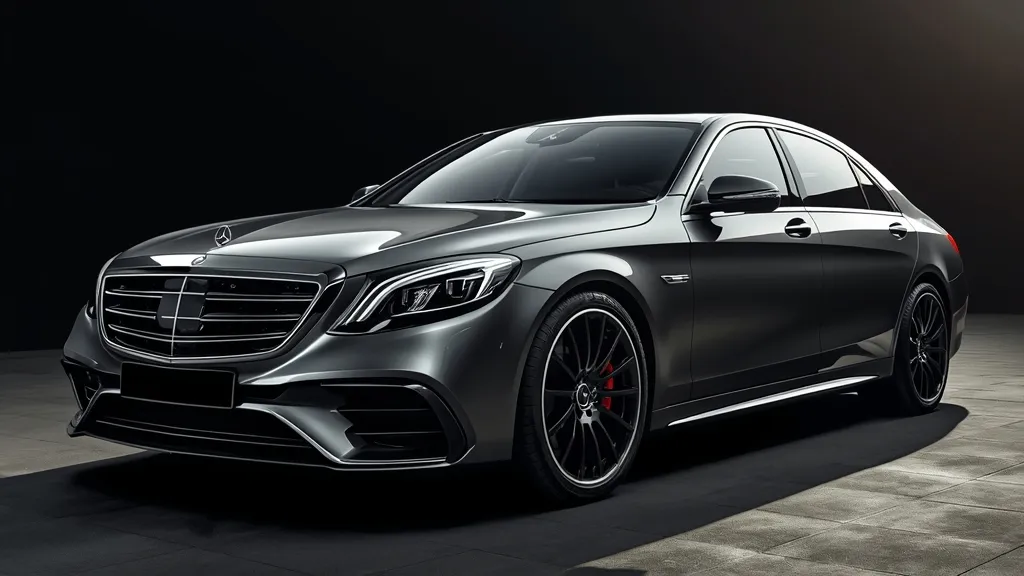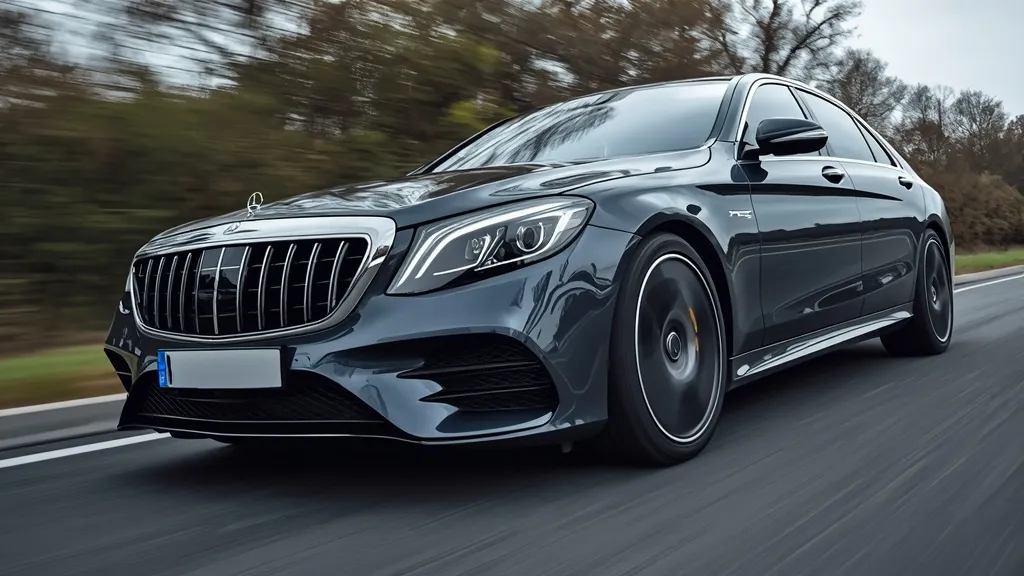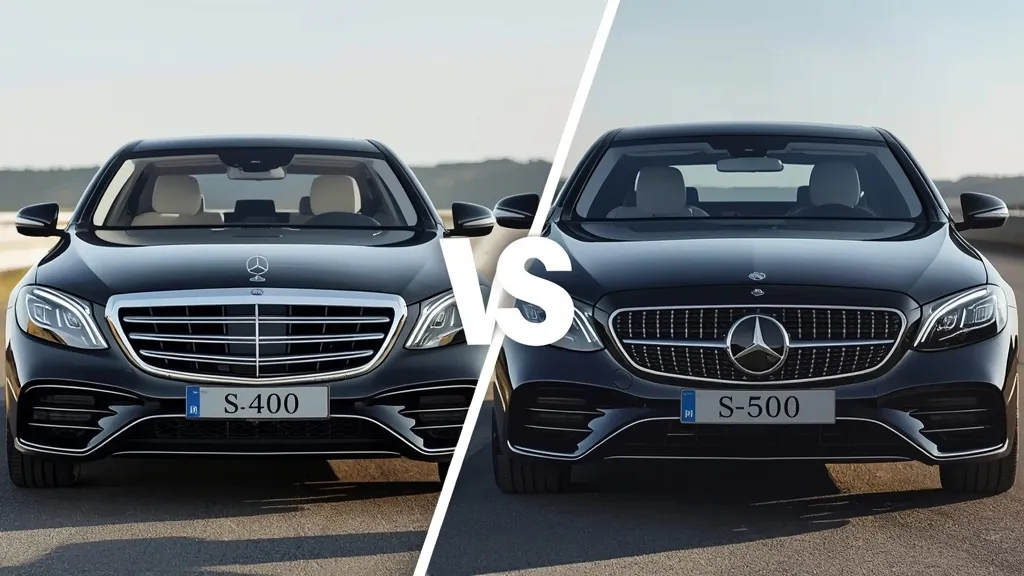
When it comes to the ultimate luxury sedan, the Mercedes-Benz S-Class stands as an undisputed icon, a rolling testament to engineering prowess and opulent comfort. For those considering this automotive masterpiece, a common and often perplexing question arises: which model truly reigns supreme – the Mercedes S400 vs S500? This isn’t just a matter of horsepower; it’s about finding the perfect blend of performance, efficiency, and driving character that aligns with your expectations of a flagship vehicle. This in-depth comparison aims to clarify the S-Class S400 S500 difference, delving into their performance, efficiency, and overall driving experience.
Whether you’re eyeing the latest W223 S400 vs S500 or exploring previous generations, understanding the nuances of the Mercedes S-Class engine comparison is crucial. We’ll explore how each variant delivers on the S-Class promise of unparalleled comfort and cutting-edge technology, helping you decide which model best suits your needs and desires for a luxury vehicle.
Understanding the S-Class Legacy
The Benchmark of Luxury
The Mercedes-Benz S-Class has consistently set global standards for automotive luxury, safety, and innovation for decades. From its pioneering safety features like ABS and airbags to its opulent interiors and advanced driver-assistance systems, every S-Class iteration pushes the boundaries of what a premium sedan can offer. It’s not just a car; it’s a statement, a reflection of success and a sanctuary on wheels. This enduring legacy is why the choice between its variants, like the S400 and S500, holds such significance for enthusiasts and buyers alike. When you choose an S-Class, you’re not just buying a car; you’re investing in a heritage of excellence.
Evolution of the S-Class: A Brief History
The S-Class nomenclature and engine offerings have evolved dramatically over the decades, often reflecting technological advancements and shifting market demands. Understanding this history is vital for any Mercedes S400 vs S500 comparison, as the badges have represented different powertrains across generations. This constant innovation reflects Mercedes-Benz commitment to staying ahead of the curve, adapting to new regulations and consumer desires while maintaining its core identity.
The Heart of the Matter: S400 vs S500 Through Generations
To truly appreciate the current Mercedes S400 vs S500 dynamic, we need to glance back at how these designations have changed over time. It’s like looking at a family tree – the names stay the same, but the individuals evolve!
W221 Generation (2005-2013): The S400 Hybrid Arrives
The W221 generation was a significant period, notably introducing a milestone: the S400 Hybrid in 2009. This model featured a 3.5-liter V6 petrol engine paired with a compact electric motor and a lithium-ion battery. It was Mercedes-Benz first production hybrid, offering improved fuel economy and reduced emissions, appealing to early adopters of green luxury. The S500 (often badged S550 in North America) during this period typically sported a powerful 5.5-liter (later 4.7-liter biturbo) V8 engine, offering a clear distinction in raw power and traditional performance. If you were comparing an S400 from this era, you were looking at a V6 hybrid versus a potent V8.
W222 Generation (2013-2020): V8 Dominance and V6 Refinement
The W222 generation continued the S500 (S550) V8 tradition, initially with the robust 4.7-liter twin-turbo V8. This engine was a powerhouse, delivering effortless acceleration and a satisfying growl. The S400 badge saw variations; in some markets, the hybrid continued, while in others (especially post-facelift around 2017), a non-hybrid 3.0-liter twin-turbo V6 engine emerged. This V6 offered a compelling blend of power and efficiency, bridging the gap between the traditional V8 and the more efficiency-focused models. The Mercedes S-Class engine comparison here began to get more intricate, with V6s becoming increasingly potent.
W223 Generation (2020-Present): The Inline-6 Mild-Hybrid Era
The latest W223 S-Class brought a fundamental and exciting shift. In a bold move towards electrification and efficiency, both the S400 and S500 now feature sophisticated 3.0-liter inline-6 turbocharged engines, augmented by Mercedes’ EQ Boost 48V mild-hybrid system. This represents a concerted effort towards efficiency and seamless power delivery, redefining the Mercedes S-Class engine comparison for the modern age. This is where most contemporary discussions about the Mercedes S400 vs S500 focus, as the underlying engine architecture is now shared, with performance differences stemming from tuning.

Deep Dive: Current Generation (W223) Mercedes S400 vs S500
Now, let’s get down to the nitty-gritty of the current generation. If you’re walking into a Mercedes showroom today, this is the S-Class S400 S500 difference you’ll encounter.
Engine Specifications and Performance
The core of the Mercedes S400 vs S500 debate in the W223 generation lies not in a fundamental engine type difference (like V6 vs V8), but in their specific tuning and output. Both share a common inline-6 architecture, but their performance profiles are distinct.
Mercedes S400: Power and Efficiency Balanced
The S400 typically produces around 362 horsepower from its 3.0-liter inline-6 turbo engine, complemented by an additional 22 horsepower and instant torque from the EQ Boost electric motor. It delivers impressive torque figures, making it feel effortlessly powerful in most driving scenarios. Mercedes-Benz states that this powertrain offers a harmonious balance of performance and efficiency Mercedes-Benz Group Media, 2023. For many drivers, this is more than enough grunt to handle daily commutes and long highway stretches with grace.
Mercedes S500: The Performance Edge
Stepping up, the S500 3.0-liter inline-6 turbo engine is tuned for higher output, generating approximately 429 horsepower, also supplemented by the 22 hp EQ Boost. This additional power provides a more immediate and authoritative acceleration. You’ll feel that extra push when you demand it, making overtakes even more effortless and spirited driving a touch more exhilarating.
S-Class S400 S500 Difference in Acceleration
While both are remarkably quick for luxury sedans, the S500 shaves a few tenths off the 0-60 mph sprint compared to the S400, typically achieving it in under 5 seconds (around 4.9s for the S500 vs. 5.1s for the S400). This translates to a noticeable difference in responsiveness, especially at higher speeds or during spirited driving. This is where the Mercedes S400 S500 performance truly diverges for the keen driver who values every bit of acceleration.
Driving Dynamics and Refinement
Beyond raw numbers, how do these differences translate to the actual driving experience? This is where the S-Class truly shines, regardless of the engine.
The Role of EQ Boost: S-Class Mild-Hybrid Comparison
The EQ Boost 48V mild-hybrid system is a game-changer for both models. It provides an instantaneous torque fill, effectively masking turbo lag and contributing to incredibly smooth acceleration. Imagine pushing the pedal and getting immediate, seamless power – that’s EQ Boost at work. It also enhances fuel efficiency by allowing for features like “gliding” with the engine off and improving start/stop functionality. This makes the S-Class mild-hybrid comparison highly favorable for both variants, showcasing modern engineering at its best.

Ride Comfort and Handling
Both the S400 and S500 benefit from the S-Class legendary ride comfort, thanks to standard Airmatic air suspension and adaptive damping. They glide over imperfections with serene composure, isolating occupants from the outside world. While neither is designed to be a track-day monster, their handling is composed and confidence-inspiring for a large luxury sedan. The S500 slightly more potent engine might offer a marginally more engaging feel for some drivers due to its stronger pull, though the core handling characteristics remain identical.
Fuel Economy and Ownership Costs
S400 vs S500 Fuel Economy Breakdown
Given their shared engine architecture and mild-hybrid technology, both models offer commendable fuel economy for their size and power. The S400 vs S500 fuel economy figures are quite close. The S400 will naturally be slightly more efficient due to its lower power output, but the difference is often marginal in real-world driving. For instance, a typical W223 S400 might achieve around 22-29 MPG combined, while the S500 might be in the 21-28 MPG range, depending on driving conditions and specific market configurations Edmunds, 2024.
Maintenance and Mercedes S-Class Reliability Issues
Modern S-Class models, including the W223 S400 and S500, are highly complex vehicles, packed with advanced electronics and sophisticated mechanical components. While Mercedes-Benz has a strong reputation for engineering, potential owners should be aware of the costs associated with maintaining such advanced technology. Scheduled maintenance can be pricier than for less complex vehicles. For a comprehensive overview, consulting a Mercedes S-Class reliability issues guide for specific model years can be beneficial, often found on reputable automotive consumer sites. Early hybrid systems (like the W221 S400 Hybrid) sometimes raised questions about long-term battery replacement costs, but current mild-hybrid systems are generally more robust and integrated.
Interior Technology and Luxury Features
Shared Opulence: What Both Models Offer
Here’s the great news: both the S400 and S500 offer the same unparalleled level of interior luxury and cutting-edge technology. The choice between them is purely about powertrain, not a compromise on luxury features. You’ll find the same exquisite materials, meticulous craftsmanship, and serene cabin environment in either model.
Mercedes S-Class Interior Technology Highlights
The Mercedes S-Class interior technology is a major selling point and a true marvel. Features like the second-generation MBUX infotainment system with its stunning OLED central display (and optional Hyperscreen), augmented reality navigation, biometric authentication, active ambient lighting, and extensive personalization options are standard across the range. Whether you choose the S400 or the S500, you’re getting the full, immersive S-Class digital experience, ensuring that owners experience the pinnacle of automotive innovation.
The V8 vs. I6 Debate: A Shift in Philosophy
This is perhaps the most passionate point of discussion among S-Class aficionados.
The Enduring Appeal of the V8
For many long-time S-Class enthusiasts, the V8 engine was an integral part of the S500 identity. Its distinctive rumble, seemingly limitless torque delivery, and sense of occasion were deeply cherished. It wasn’t just about power; it was about the feel and sound that defined luxury performance for a generation. The transition to an inline-6, even a highly advanced one, has been a significant talking point.

The Modern Inline-6: Performance Without Compromise?
Mercedes-Benz argues, quite compellingly, that its new inline-6 engines, especially with EQ Boost, deliver comparable, if not superior, real-world performance to older V8s, with the added benefits of improved efficiency and reduced emissions Autocar, 2020. The smoothness, responsiveness, and seamless integration of the mild-hybrid system are undeniable. For many, the performance numbers speak for themselves, demonstrating that you can have potent power without needing a larger, thirstier V8.
S-Class V8 vs I6 Debate: Character vs. Numbers
This discussion often boils down to “character” versus “numbers.” While the inline-6 S500 matches or exceeds its V8 predecessors in many performance metrics, some argue it lacks the visceral, emotional connection that a larger V8 provides. The deep growl of a V8 is simply different from the refined hum of an inline-6, no matter how powerful. This S-Class V8 vs I6 debate highlights the evolving definition of luxury performance in an era driven by efficiency and advanced technology. It’s a testament to how deeply connected drivers are to the feel of their cars.
Making Your Choice: Who is Each Model For?
So, after all this, which one should you choose? Let’s simplify.
Why Choose the Mercedes S400?
The S400 is often considered the “smart buy” in the current S-Class lineup. It offers:
- Exceptional Value: A lower entry price point for the full S-Class luxury experience. You get 95% of the S-Class magic for a noticeably smaller outlay.
- Ample Power: More than enough power for daily driving, highway cruising, and confident overtakes. You won’t feel underpowered.
- Excellent Refinement: A supremely smooth and quiet ride that perfectly embodies the S-Class ethos.
- Good Fuel Economy: Slightly better efficiency than the S500, which can add up over years of ownership.
Case Study Example: Consider Sarah, a tech executive who spends most of her time commuting in city traffic and occasionally takes long highway trips. She values the S-Class comfort and technology but prioritizes efficiency and a smooth, serene drive over raw, rarely-used power. For her, the S400 is the perfect fit, delivering all the luxury without unnecessary expenditure.
Why Opt for the Mercedes S500?
The S500 appeals to those who desire that extra edge, that subtle but noticeable difference in performance:
- Superior Performance: Noticeably quicker acceleration and a more authoritative feel when you put your foot down.
- Prestige: The higher badge still carries a certain cachet, indicating the top-tier non-AMG gasoline model.
- Uncompromised Power: For drivers who want the most potent non-AMG S-Class available, where every horsepower counts.
Case Study Example: John, a seasoned entrepreneur, loves the S-Class but enjoys spirited driving on weekends and wants the most responsive engine possible without venturing into the high-performance AMG segment. The S500 extra horsepower and torque provide that satisfying surge, making it his preferred choice for both daily luxury and occasional exhilaration.
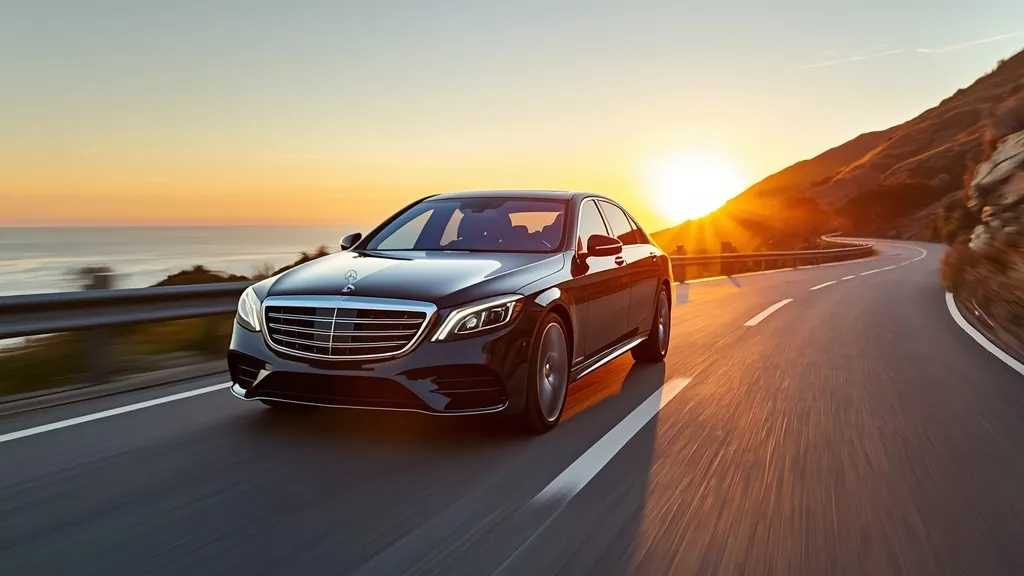
Buying Used: Considerations for Older Generations
For those exploring the used market, the Mercedes S400 vs S500 comparison takes on new dimensions, particularly regarding older generations. A comprehensive Used S-Class buying guide is essential to navigate the complexities.
Evaluating W221 S400 Hybrid Reliability
The early W221 S400 Hybrid models, while innovative, had some concerns regarding the longevity and replacement cost of their lithium-ion battery packs. Prospective buyers should inquire about battery health, service history, and any documented battery replacements. A specialized mechanic can assess the hybrid system’s condition.
What to Look for in a Used W222 S500
Used W222 S500 (S550) models offer a compelling package with a powerful V8, representing excellent value for a luxury sedan. Key considerations include:
- Maintenance Records: Look for a full-service history, ideally from a Mercedes-Benz dealership or specialist.
- Air Suspension: Air suspension components can be expensive to replace; check for sag, unusual noises, or warning lights.
- Electronics: Test all infotainment, driver-assistance, and comfort features thoroughly.
- Engine Service: Ensure the V8 engine has been properly maintained, especially with regular oil changes.
A thorough pre-purchase inspection by a trusted mechanic is highly recommended for any used S-Class.
The Future of the S-Class: Beyond S400 and S500
The future of the S400 and S500, as we know them, is finite. The automotive industry is rapidly transitioning towards electrification, and the S-Class is leading the charge.
Towards Full Electrification: EQS and Beyond
Mercedes-Benz has already launched the EQS, its all-electric flagship, which serves as the electric counterpart to the S-Class. While ICE S-Class models will continue for some time, the trend points towards a gradual phasing out of traditional gasoline powertrains, eventually making the Mercedes S400 vs S500 debate a historical one. Future S-Class models will likely offer more robust plug-in hybrids (like the S580e) and eventually transition entirely to battery electric vehicles. This shift is not just about compliance but about pushing the boundaries of quiet luxury and sustainable performance.
Advancements in Autonomous Driving
The S-Class has always been a pioneer in advanced driver-assistance systems. Future iterations, regardless of powertrain, will feature increasingly sophisticated autonomous driving capabilities, potentially reaching Level 3 and beyond in specific conditions. Features like Drive Pilot, already available in some markets, allow for hands-free driving in certain traffic situations Mercedes-Benz Group Media, 2024. This will fundamentally change how we interact with our vehicles.
The Evolution of Luxury and Connectivity
Expect continued integration of hyper-screens, AI-powered MBUX systems, augmented reality, and personalized digital experiences. The S-Class will remain at the forefront of automotive technology, blurring the lines between a vehicle and a personalized digital lounge. The emphasis will shift even more towards the in-cabin experience and seamless digital integration.
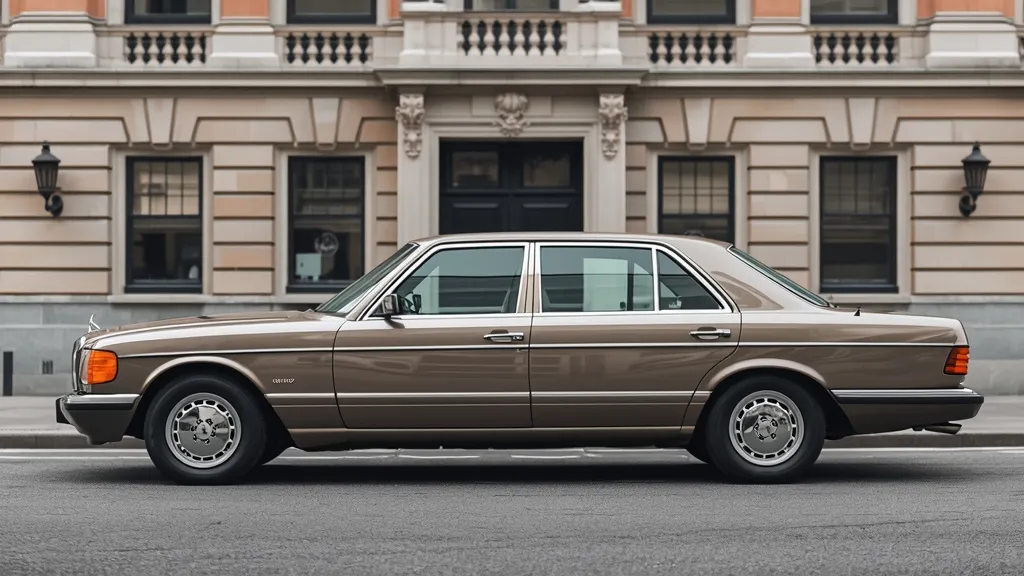
Conclusion: The Right S-Class for Your Journey
The Mercedes S400 vs S500 comparison, particularly in the latest W223 generation, boils down to a nuanced choice between two truly exceptional luxury sedans. Both deliver the quintessential S-Class experience: unparalleled comfort, cutting-edge technology, and a serene driving environment. You genuinely can’t make a “bad” choice here.
The S400 stands out as an incredibly well-balanced package, offering more than enough power, supreme refinement, and a slightly better value proposition. It’s the smart choice for those who appreciate luxury without needing the absolute top-tier performance figures.
The S500, with its additional horsepower and torque, caters to those who desire that extra surge of power, a more authoritative feel, and the prestige of the higher badge. It’s for drivers who want the most potent non-AMG S-Class available, even if the difference is subtle in everyday driving.
Ultimately, your decision will hinge on your personal preference for power and how much you’re willing to invest for that marginal performance edge. Whichever you choose, you’re entering the world of the Mercedes-Benz S-Class – a realm of automotive excellence that continues to redefine luxury. So, which one calls to you? The refined efficiency of the S400 or the authoritative power of the S500?
Which S-Class resonates more with you? Share your thoughts and preferences in the comments below!
Mercedes S400 vs S500 FAQs
Question: What is the main difference between the Mercedes S400 and S500 in the current W223 generation?
Answer: The primary difference between the W223 Mercedes S400 vs S500 lies in engine tuning. Both use a 3.0-liter inline-6 turbocharged engine with EQ Boost mild-hybrid technology. The S500 is tuned for higher output, producing approximately 429 hp, compared to the S400 around 362 hp, resulting in quicker acceleration for the S500.
Question: Does the Mercedes S400 offer sufficient power for a luxury sedan like the S-Class?
Answer: Yes, the Mercedes S400 provides ample power for most driving situations. Its 3.0-liter inline-6 engine, combined with EQ Boost, delivers smooth, refined acceleration (0-60 mph in around 5.1 seconds). For daily commuting, highway cruising, and confident overtakes, the S400 offers more than enough performance for a luxurious S-Class experience.
Question: Do the S400 and S500 differ in their luxury features and interior technology?
Answer: No, in the current W223 generation, the S400 and S500 offer virtually identical levels of luxury features and interior technology. Both models come equipped with the same advanced MBUX infotainment system, premium materials, comfort features, and driver-assistance systems. The choice between them is primarily about engine performance, not a compromise on luxury amenities.
Question: Which Mercedes S-Class model, the S400 or S500, offers better fuel economy?
Answer: The Mercedes S400 generally offers slightly better fuel economy compared to the S500. While both share a similar inline-6 mild-hybrid powertrain, the S400 lower power output results in marginally improved efficiency. However, the difference is often small in real-world driving conditions, as both are designed for optimal fuel consumption for their class.
Question: Is the Mercedes S500 still equipped with a V8 engine in the latest S-Class generation?
Answer: No, in the latest W223 Mercedes-Benz S-Class generation, the S500 no longer features a V8 engine. It has transitioned to a highly advanced 3.0-liter inline-6 turbocharged engine, augmented by Mercedes’ EQ Boost 48V mild-hybrid system. This reflects Mercedes-Benz strategy towards greater efficiency and electrification across its premium lineup.
Author Bio:
Dr. Alex Thorne is an automotive engineer with over 15 years of experience in powertrain development and luxury vehicle analysis. Holding a Ph.D. in Mechanical Engineering, Alex has contributed to numerous industry publications and consults on emerging automotive technologies, particularly in electrification and advanced driver-assistance systems. His passion lies in demystifying complex automotive topics for enthusiasts and everyday drivers alike.
Disclaimer:
This blog post is intended for informational and entertainment purposes only. While every effort has been made to ensure accuracy and provide up-to-date information, specifications, pricing, and features of vehicles can change rapidly. Always consult official manufacturer websites, reputable automotive reviewers, and certified dealerships for the most current and specific details relevant to your region and desired model year. Opinions expressed are those of the author and do not necessarily reflect the official stance of Mercedes-Benz or any other automotive entity. Readers are encouraged to conduct their own research and seek professional advice before making any purchasing decisions.
You can refer to more:
- Official Mercedes-Benz S-Class Overview : Provides direct, authoritative information on the current S-Class models, specifications, and features.