
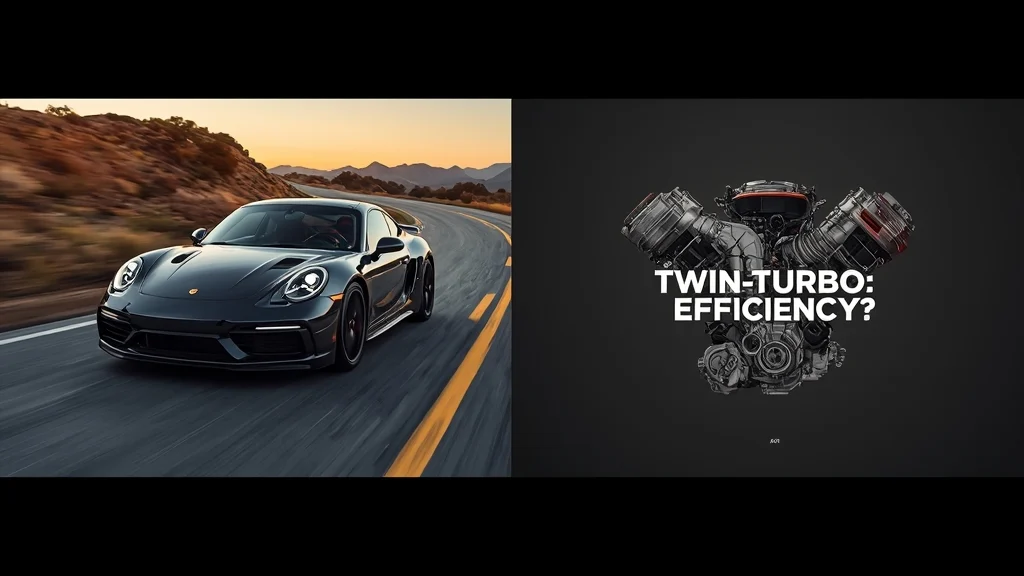
Do twin-turbo engines guzzle gas? Discover how they balance power & fuel economy, and learn how your driving impacts consumption. Read more!
The question of whether twin-turbo engines consume more fuel is a common one for car enthusiasts. While capable of delivering significant power, twin-turbo systems can also be engineered for fuel efficiency. However, real-world fuel consumption depends heavily on driving style, engine design, and driver habits.
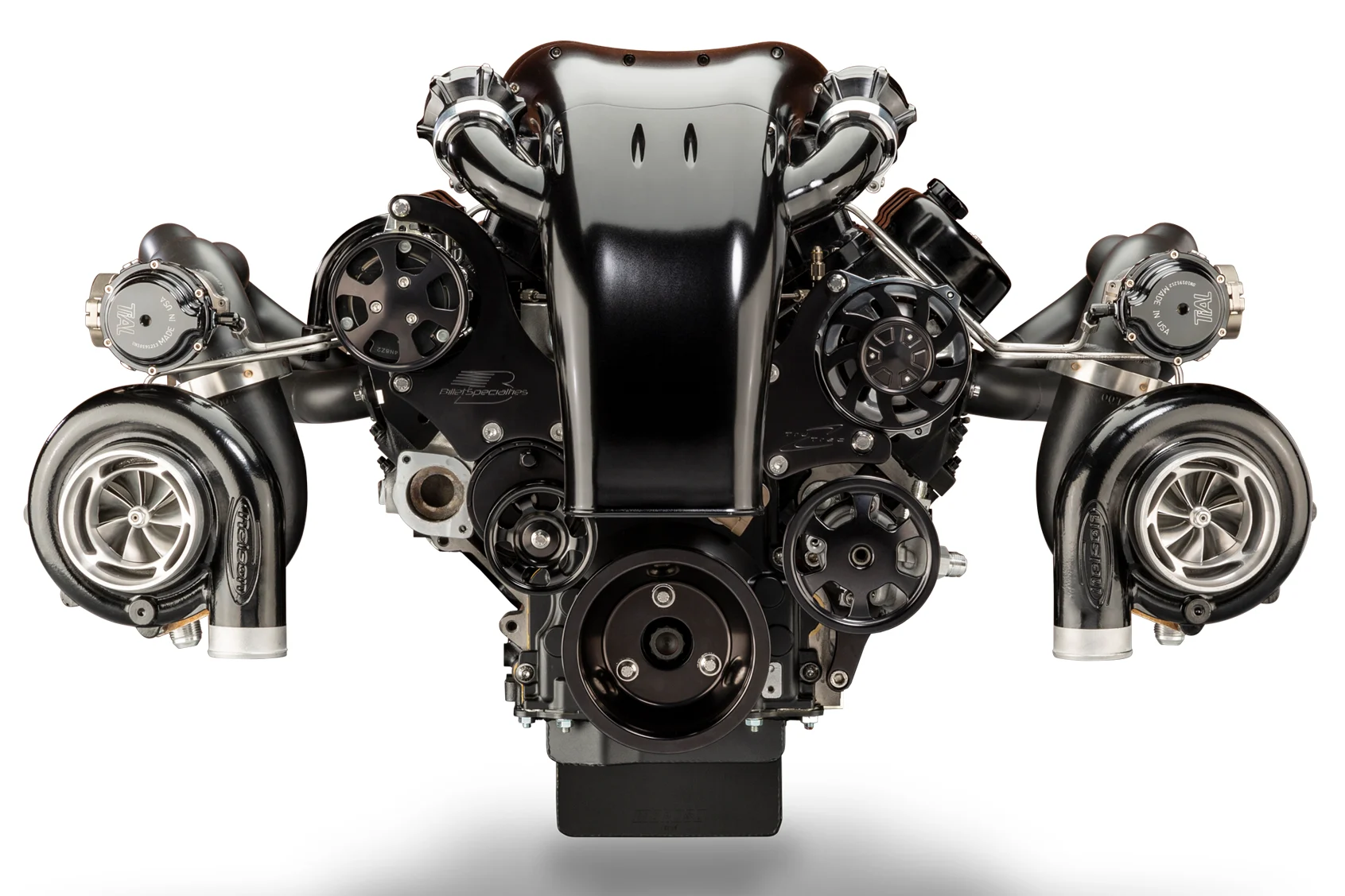
How Turbochargers Work
Whether it’s a single turbo or a twin-turbo setup, the core principle remains the same. A turbocharger uses exhaust gases to spin a turbine, forcing more air into the combustion chamber. This allows the engine to burn more fuel and generate greater power without increasing engine displacement.
Turbocharged engines offer a benefit in terms of fuel consumption, but claims of “super fuel efficiency” aren’t always accurate and come with caveats regarding usage.
Driving Style and Engine Design Matter
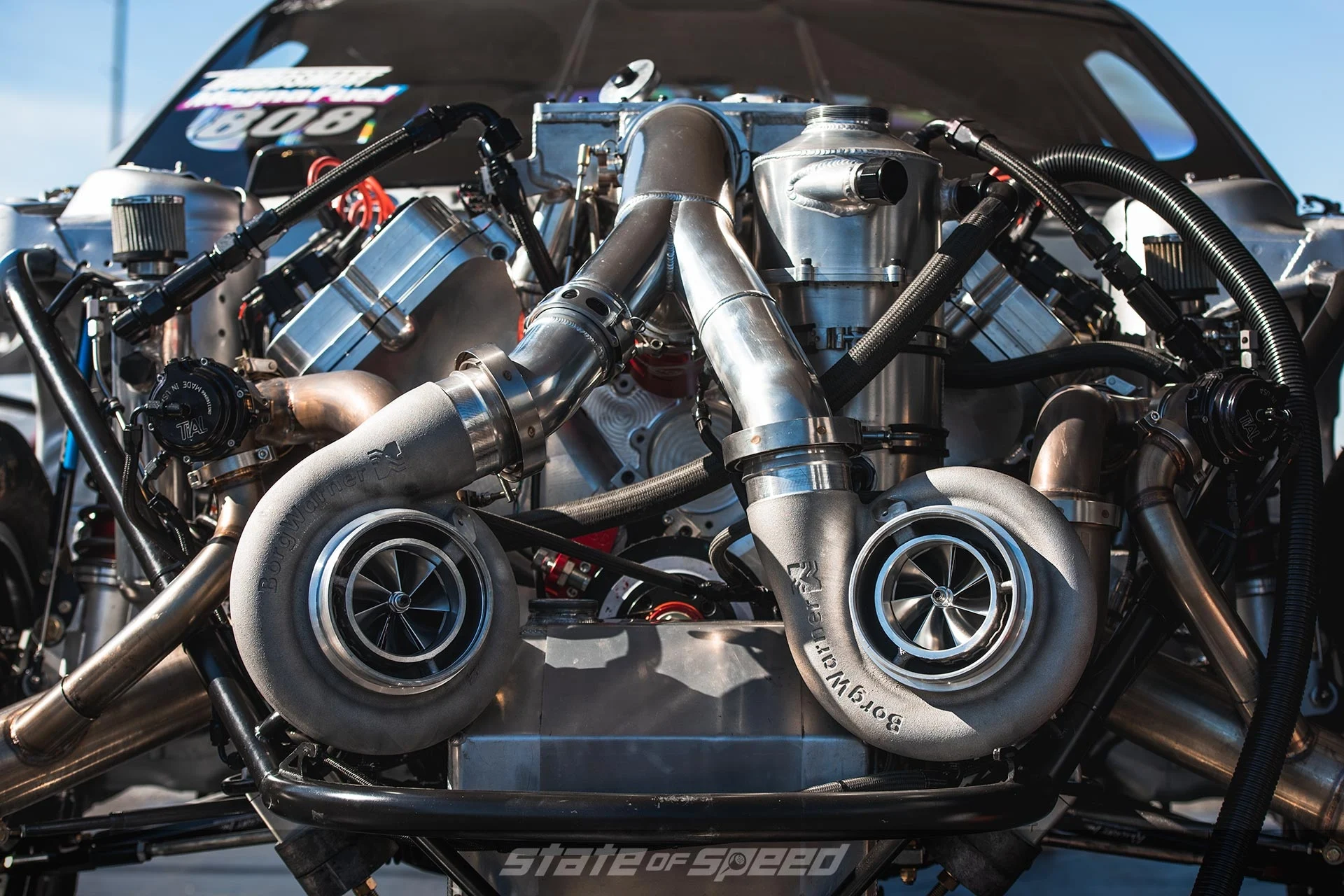
The effectiveness of a turbocharger is significantly influenced by how you use the accelerator, the turbo’s design and size, and the engine’s operating RPM. Gentle, controlled driving typically results in reasonable fuel economy. However, aggressive acceleration – “foot to the floor” – won’t allow the turbo to magically improve fuel consumption; increased power inevitably comes with increased fuel use.
The Appeal of Twin-Turbo Technology
Twin-turbo engines are often found in luxury and performance vehicles due to their complexity and higher development costs. However, they allow manufacturers to create smaller, lighter engines that still deliver impressive power.
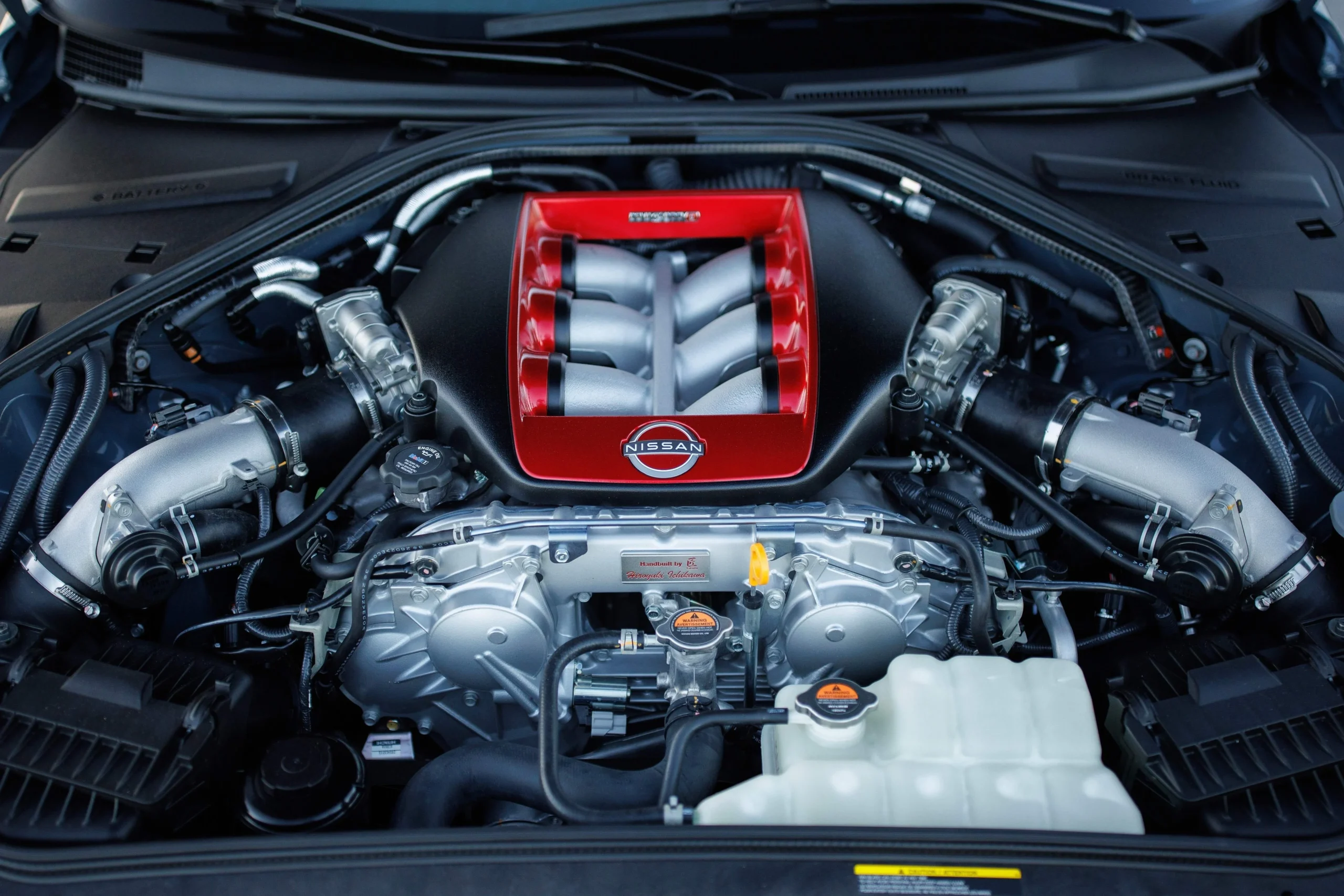
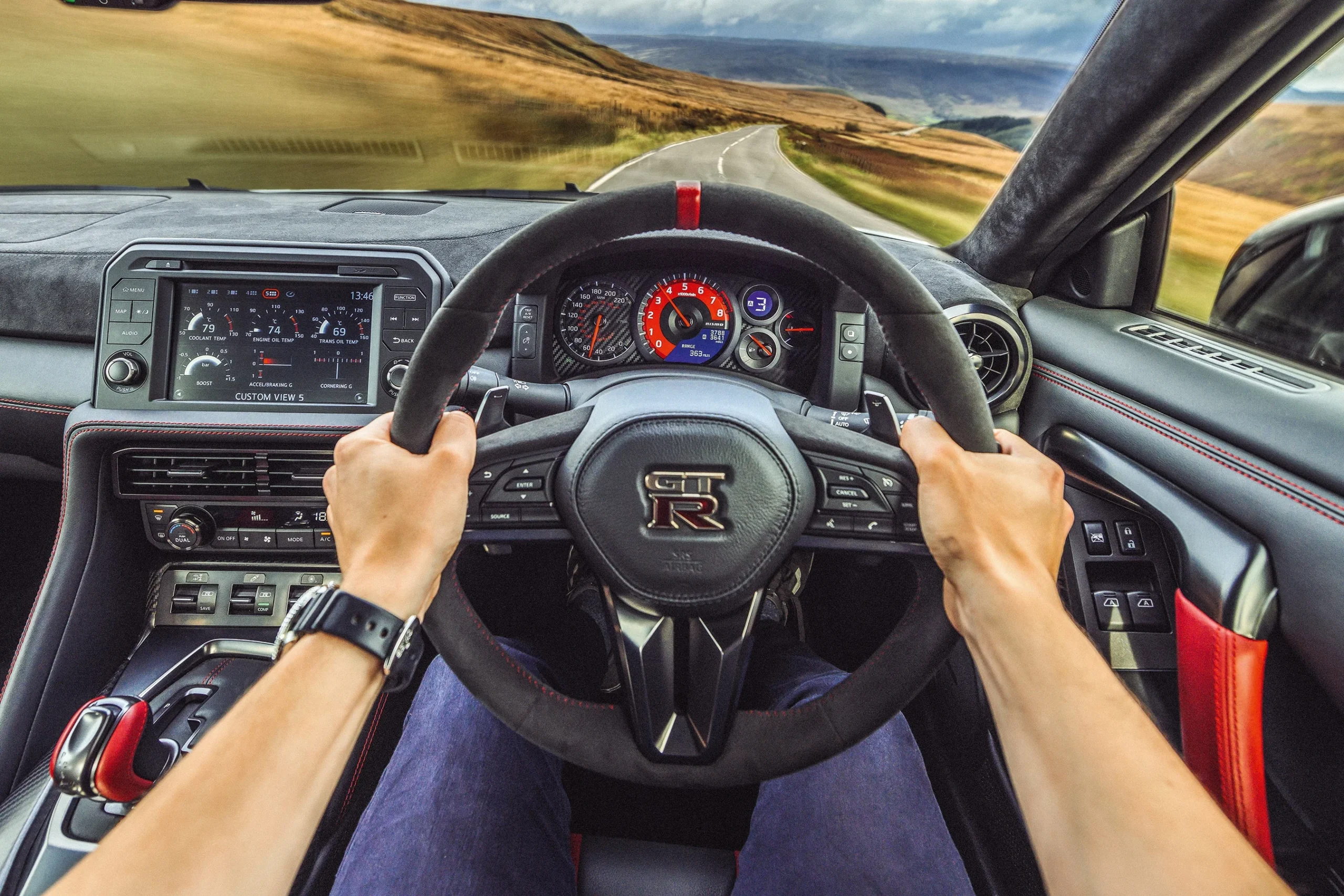
A twin-turbo engine can produce approximately 30% more power than a naturally aspirated engine of comparable displacement. For example, the Nissan GT-R boasts a 3.8L twin-turbo V6 producing 570 horsepower, while the Ford Mustang GT’s 5.0L naturally aspirated V8 generates around 493 horsepower.
Twin-Turbo Configurations
The arrangement of the twin-turbos also impacts fuel consumption. In a parallel setup, like that found in the Nissan GT-R, both turbos operate simultaneously. In a sequential configuration, two turbos of different sizes operate at different RPM ranges.
When Does a Turbo ‘Boost’ Fuel Consumption?
When the turbo “spools up” or “goes into boost,” the engine reaches its peak power and fuel consumption increases. However, when driving below the boost threshold – for example, under around 3,000 RPM – the engine doesn’t fully utilize its potential, and fuel consumption can be significantly lower.
Real-World Fuel Economy
In smooth, city driving with low RPMs, a twin-turbo engine can actually be more fuel-efficient. Conversely, frequent hard acceleration or sustained high-RPM driving will noticeably increase fuel consumption. The deciding factors remain the engine’s power output, the gear being used, the turbo configuration, and, most importantly, the driver’s style.
The Verdict: Twin-Turbo Doesn’t Automatically Mean Poor Fuel Economy
In conclusion, a twin-turbo setup doesn’t inherently make a vehicle more fuel-hungry. In many cases, it can even be more efficient than a larger, naturally aspirated engine, provided the driver uses it responsibly. Twin-turbos offer both high performance and the potential for fuel savings, but the real key isn’t the number of turbos – it’s how you drive your car.