
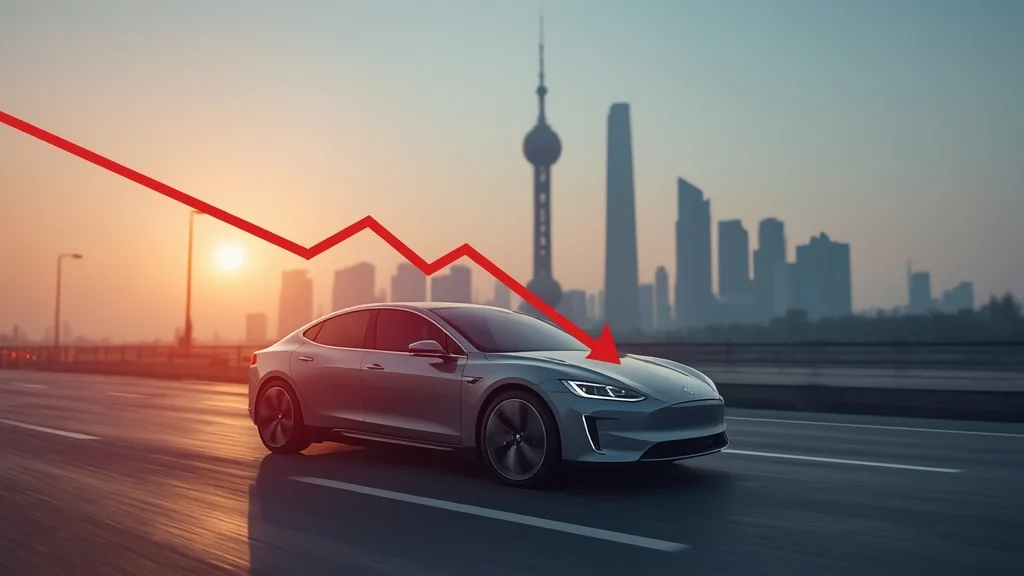
Global electric vehicle registrations fell 11% in February, led by a 32% plunge in China. Read on for the full market breakdown and what’s next.
Registrations for electric vehicles (EVs) worldwide dropped 11% in February, marking the second consecutive month of decline. The slowdown is most pronounced in China, the world’s largest EV market, where new registrations sank 32% compared with the same period last year.
China’s Sharp Pull‑Back
The China Association of Automobile Manufacturers (CAAM) reported that EV and plug‑in hybrid registrations fell to under 500,000 units in February, a 32% dip from February 2025. The fall mirrors a 34% overall decline in vehicle sales across the country, reflecting reduced governmental incentives and the expiration of tax‑free EV purchases at the end of 2025.
North America: A Persistent Downturn
In North America, registrations slipped 35% to fewer than 90,000 vehicles – the fifth month in a row of decreasing sales. The decline follows the end of the U.S. federal tax credit for EVs in September 2025 and new proposals from the Trump administration to further tighten CO₂ emissions standards.
These policy shifts, combined with waning global demand, forced several U.S.-focused manufacturers to record losses exceeding $70 billion, according to Reuters.
Europe Shows Resilience
Despite broader market headwinds, Europe managed a 21% increase in EV registrations in February, keeping growth momentum alive. Germany led the surge with a 26% rise after unveiling a new subsidy scheme earlier this year, while France posted a 30% jump thanks to existing incentive programs.
Italy also experienced strong growth, with a 23% increase over January – the nation’s highest‑selling month for EVs. The boost follows Italy’s October 2025 grant program, offering households up to €11,000 (~$12,700) and small businesses up to €20,000 (~$23,200) for electric vehicle purchases.
Rest of the World: Rapid Expansion
Outside the major markets, EV registrations surged 78% to more than 180,000 units. Chinese manufacturers are expanding aggressively across Asia, Australia, and Europe, offsetting intense domestic competition and driving sales in these regions.
What’s Next?
With policy support waning in some regions and strengthening in others, the global EV landscape remains uneven. Stakeholders will be watching closely for further government actions, supply‑chain developments, and consumer sentiment that could shape the next wave of electric mobility.