
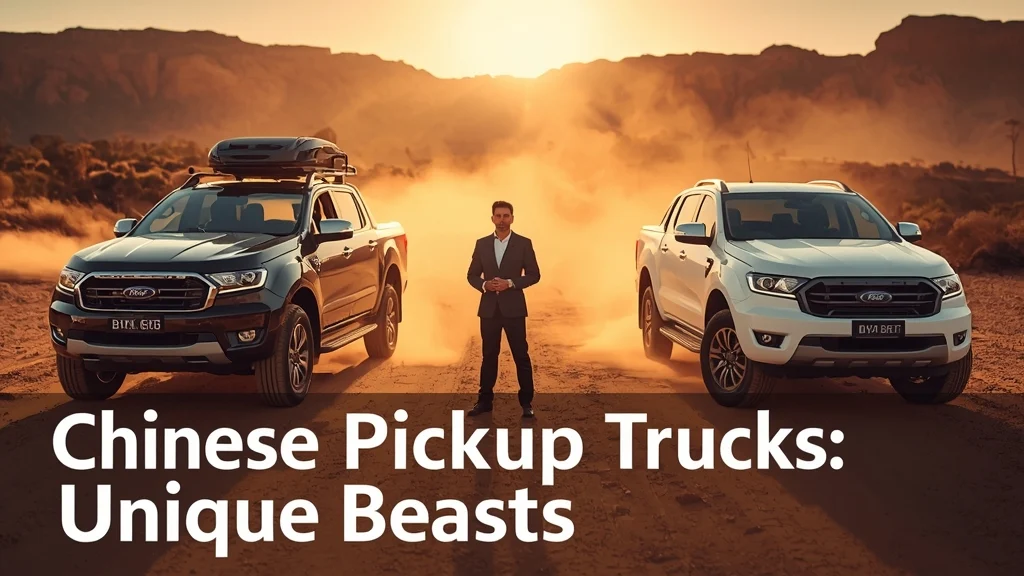
Ford’s Jim Farley tests Chinese hybrid pickups, praising their surprising performance while noting distinct strengths. Discover what this means for the truck market today.
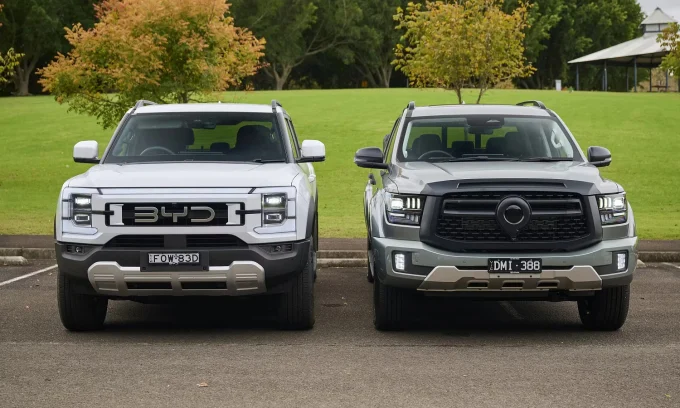
During a hands‑on road trip in Australia, Ford chief executive Jim Farley took a close look at two Chinese‑made hybrid pickup trucks – the BYD Shark 6 and the GWM Cannon Alpha PHEV. While he admitted the vehicles are “different beasts,” he also highlighted where they shine and where they fall short of traditional American and Japanese pickups.
Putting the BYD Shark 6 to the Test
Farley’s first stop was the BYD Shark 6, a plug‑in hybrid that looks like a conventional midsize truck at a glance. Once he loaded the bed with 500 kg of cargo, the Shark’s performance diverged from what drivers expect of a Ford Ranger or a Toyota Hilux.
“It’s a pickup, but it doesn’t behave like a Ranger or a Hilux when you’re hauling heavy loads,” Farley told Australian media. He noted that the Shark is well‑suited for buyers who want the pickup’s rugged silhouette without the need for frequent heavy‑duty hauling or towing.
The CEO praised the Shark’s ability to tackle steep grades, yet he observed that its power delivery tapers after a short burst, triggering the vehicle’s protective systems. “They can climb a hill, but they can’t sustain it for long,” he said, echoing concerns voiced by a senior Mitsubishi engineer who tested a similar model in 2025.
GWM Cannon Alpha PHEV – A Worthy Contender
The second vehicle, the GWM Cannon Alpha PHEV, impressed Farley with a more balanced blend of power and efficiency. He described it as “a serious competitor” entering the midsize pickup segment.
Even though the Cannon Alpha showed promising torque and a smoother electric‑assisted drive, Farley reminded listeners that decades of engineering expertise still give legacy brands like Ford and Toyota a clear edge in durability and after‑sales support.
What This Means for the Global Pickup Landscape
Farley acknowledged that Chinese manufacturers are rapidly targeting the global midsize pickup market—a segment that has long been a reliable profit centre for the industry. While the United States remains relatively insulated for now, markets such as Australia already feel the pressure of these emerging rivals.
“The competition is not just on the horizon; it’s already here in many regions,” Farley warned. “We have to stay ahead of the curve as consumer preferences shift toward electrified powertrains.”
- Performance: Chinese hybrids can match traditional pickups on short climbs but may lack sustained power.
- Target buyer: Ideal for drivers who value style and occasional utility over heavy towing.
- Market impact: Growing Chinese presence could reshape pricing and technology standards worldwide.
- Ford’s response: Continued investment in electrified Ranger models and leveraging decades of pickup know‑how.
As the automotive world accelerates toward electric and plug‑in solutions, Farley’s hands‑on insights suggest that Chinese pickups are no longer just experimental—they’re becoming credible players on the global stage.