
Rising AI chip costs and lithium shortages are pushing Chinese electric vehicle prices higher. Discover the impact and how buyers can act – read more now.
China’s electric‑vehicle (EV) market, the world’s largest, is feeling the heat of an unexpected inflationary force: artificial‑intelligence (AI) chips. As chip manufacturers scramble to meet soaring demand from AI applications, the ripple effect is driving up the cost of key components for EVs, prompting manufacturers to raise prices on new models.
Zeekr 007 GT Leads the Price Revision
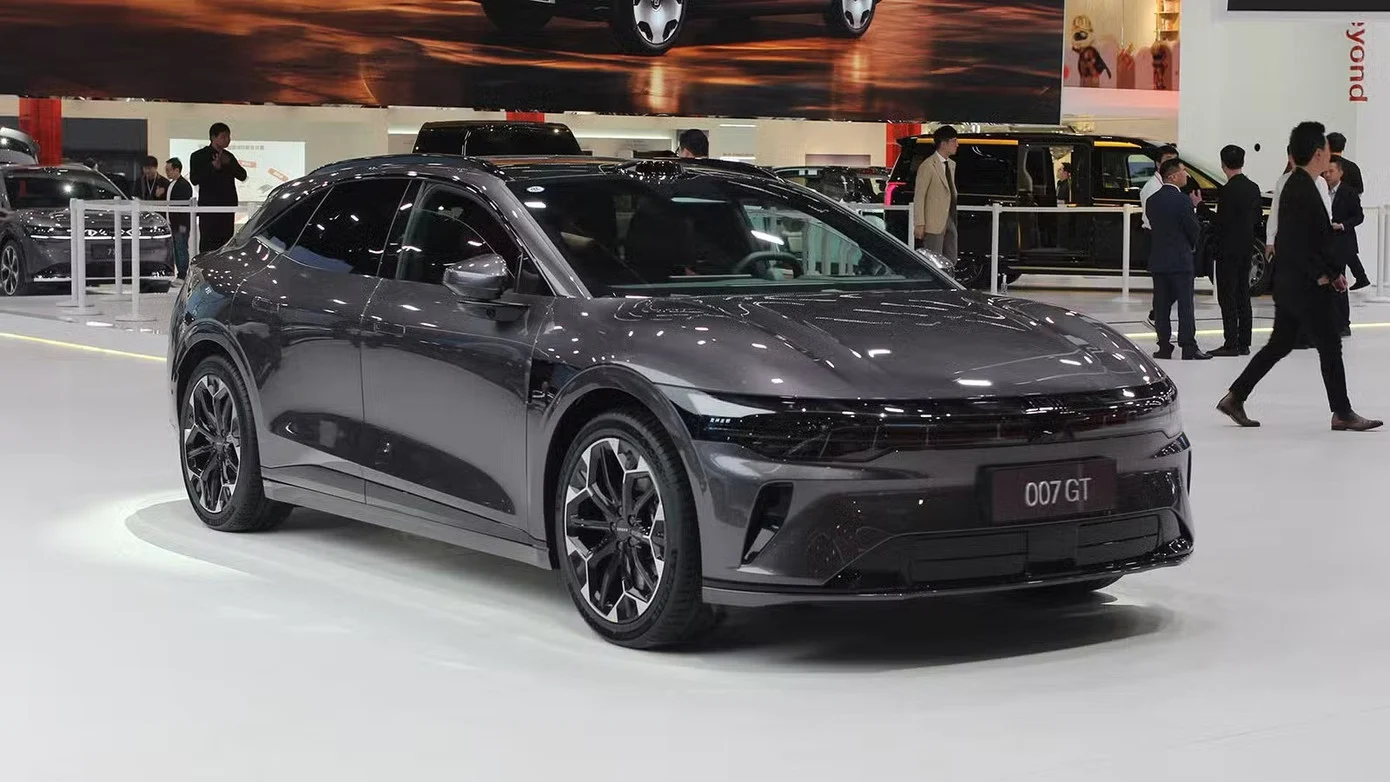
According to industry source CarNewsChina, Zeekr’s upcoming 007 GT – the flagship of its high‑performance line – is slated for a price increase of 5,000–8,000 CNY (about $700‑$1,100) when it launches in Q2 2026. The adjustment reflects climbing semiconductor and lithium‑ion battery costs that have become a universal challenge across the sector.
What’s Fueling the Cost Surge?
The core driver is a dual‑pressure squeeze on the automotive supply chain:
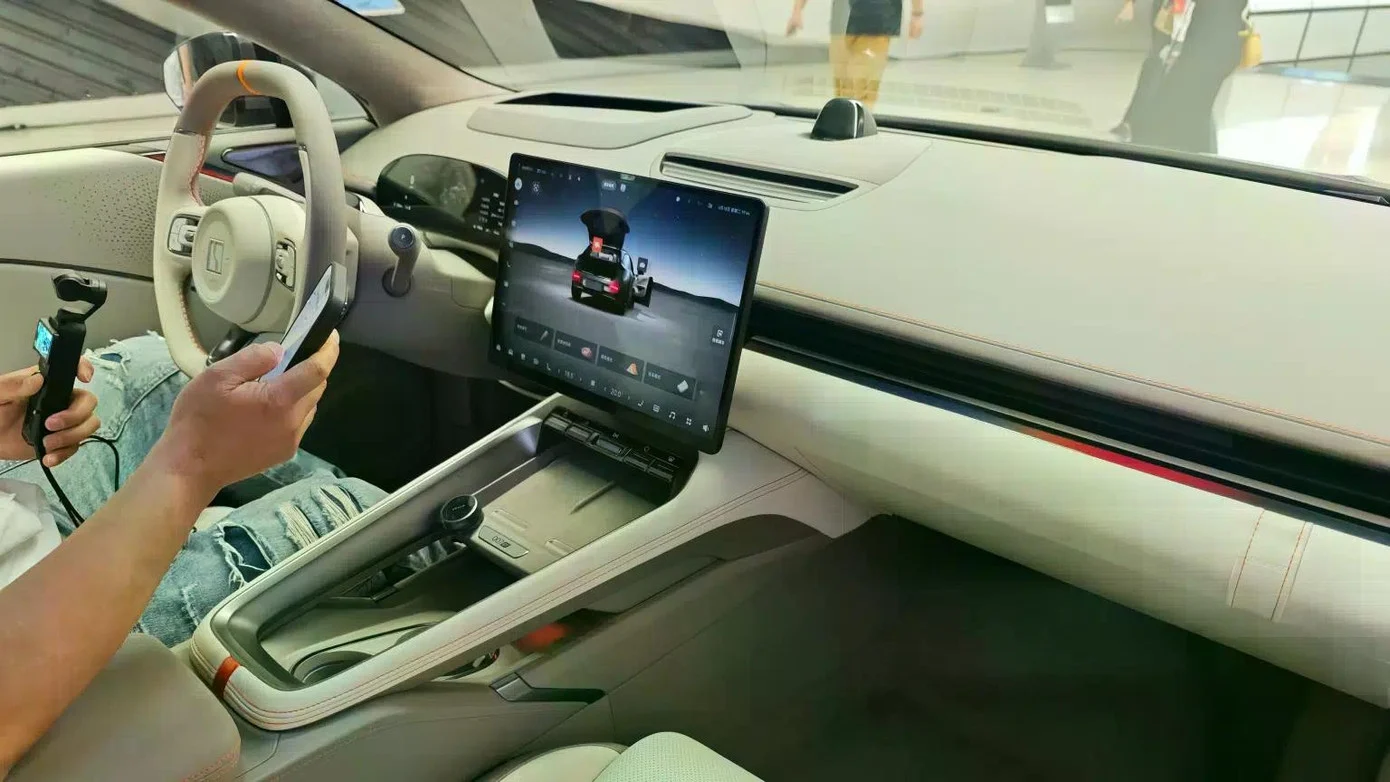
- AI‑Driven Chip Demand: The explosion of generative AI, autonomous‑driving software, and data‑center workloads has sent memory‑chip orders to record levels. Specialized DRAM such as DDR5X, essential for Nvidia’s Drive Thor‑U AI processors used in the 007 GT, is now a scarce commodity.
- Lithium Supply Constraints: Recent geopolitical tensions and mining slow‑downs have tightened lithium carbonate supplies, pushing the price of the material from 75,000 CNY to 170,000 CNY per tonne, according to market analyst TrendForce.
TrendForce reports that DDR5 automotive memory prices have jumped roughly 300 % since late 2025, a rise that directly impacts the bill of materials for premium EVs.
Beyond Zeekr: Industry‑Wide Price Adjustments
Zeekr is not alone. In early March 2026, Chery’s upscale Exeed brand and FAW‑Bestune each announced price hikes of 2,000–5,000 CNY on their flagship models. For many mainstream vehicles, the extra cost of an AI‑grade memory chip can add up to 1,000–3,000 CNY per car, potentially erasing profit margins on lower‑priced models.
Experts Call It a ‘Resource War’
Industry analysts describe the situation as a “resource war” between automotive manufacturers and the AI sector. AI‑specific memory chips command profit margins of up to 65 %, far exceeding the typical 10‑15 % margin on standard automotive components. As a result, chip makers are prioritising AI orders, leaving EV producers to compete for dwindling supplies.
Broader Implications for Global EV Production
UBS has warned that the component shortage could trigger production disruptions worldwide as early as the second quarter of this year. EV makers that rely heavily on cutting‑edge chips for autonomous features are especially vulnerable.
What Consumers Should Do
Chinese automotive leaders and analysts advise potential buyers to act quickly. With raw‑material costs still on an upward trajectory and no sign of a price‑cooling phase, waiting for a “better deal” could mean facing yet another price bump.
For anyone considering an electric vehicle—whether a high‑performance Zeekr or a more modest model—now is the time to lock in pricing before the next wave of adjustments hits the market.