
Colorado’s new average speed cameras make “braking for the camera” obsolete. Learn how this tech improves road safety and avoid fines. Read more!
For years, savvy drivers have relied on apps like Waze to alert them to the exact location of speed cameras, allowing them to slam on the brakes just before the lens and accelerate again immediately after. However, a new surveillance system being deployed in Colorado is putting an end to these tactics.
How Average Speed Cameras Work
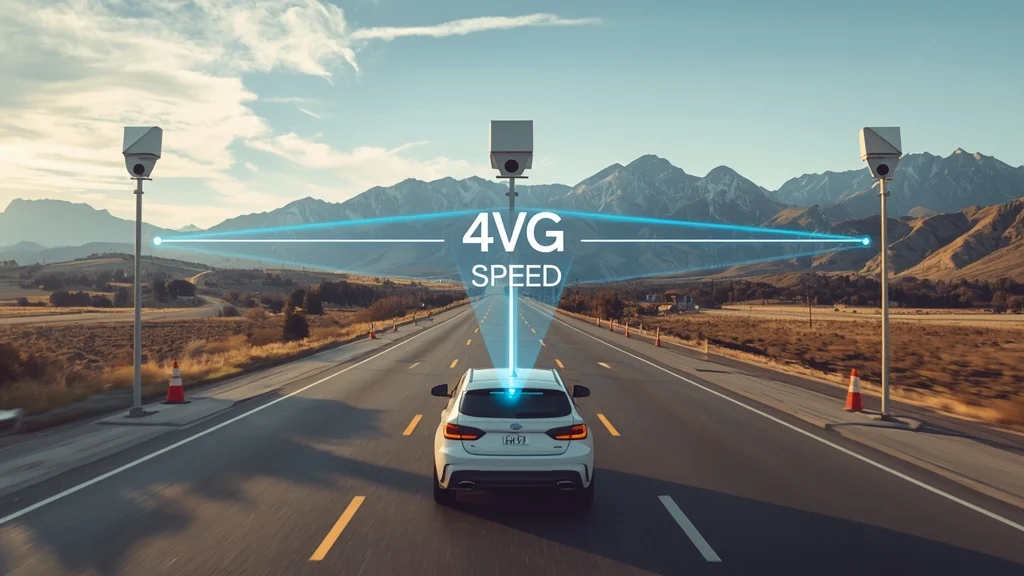
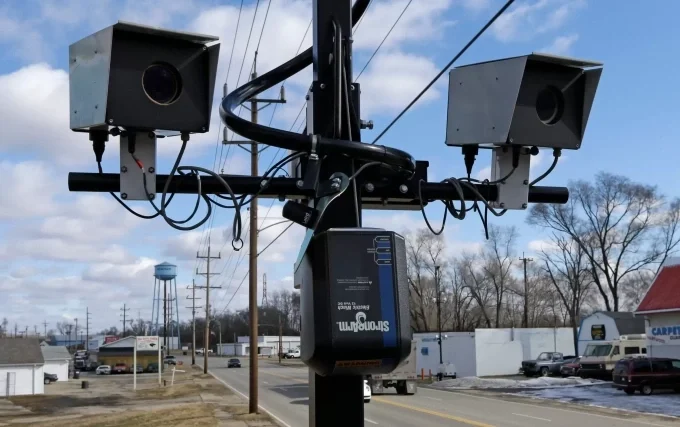
Unlike traditional “spot” speed cameras, which only capture your velocity at a single point in time, Colorado’s new system utilizes average speed detection. This technology employs multiple cameras positioned along a specific stretch of road to track a vehicle’s journey from point A to point B.
The process is simple but effective: the system records a vehicle’s license plate and the exact timestamp as it passes the first camera. When the vehicle reaches the second camera, the system calculates the total time taken to travel the distance. If the average speed exceeds the limit, a violation is triggered.
This means that slowing down abruptly right before a camera is now useless. Because the system monitors the entire segment, the only way to avoid a ticket is to maintain a legal speed for the duration of the trip.
Targeting High-Risk Zones
According to Colorado transportation authorities, these systems are primarily being installed in construction zones and areas with a high history of accidents. These are critical zones where speeding poses a severe risk not only to other motorists but also to road crews and construction workers.
The Cost of Speeding
The financial penalty for being caught by these cameras is typically $75, usually triggered when a driver exceeds the limit by 10 mph (approx. 16 km/h) or more. A unique aspect of these citations is that they do not result in points on the driver’s license. Instead, the fine is mailed directly to the registered owner of the vehicle, regardless of who was behind the wheel at the time of the offense.
Safety Over Revenue
State officials have been quick to clarify that the primary goal of this rollout is not to generate revenue through fines, but to fundamentally change driver behavior. Data suggests that average speed systems are significantly more effective at reducing serious accidents than fixed-point cameras, especially in volatile environments like roadworks where a split-second error can be fatal.
Privacy Concerns vs. Public Safety
As with any increase in surveillance, the move has sparked debate. Some critics argue that continuous tracking over long stretches of road infringes upon personal privacy. On the other hand, proponents argue that the trade-off is necessary given the current rate of traffic fatalities and the need for stricter enforcement in dangerous zones.
The Bottom Line
Whether you agree with the surveillance or not, one thing is clear: the era of “gaming the system” is fading. As traffic enforcement evolves from snapshots to journey-based monitoring, the only foolproof strategy for drivers is to follow the speed limit from start to finish.